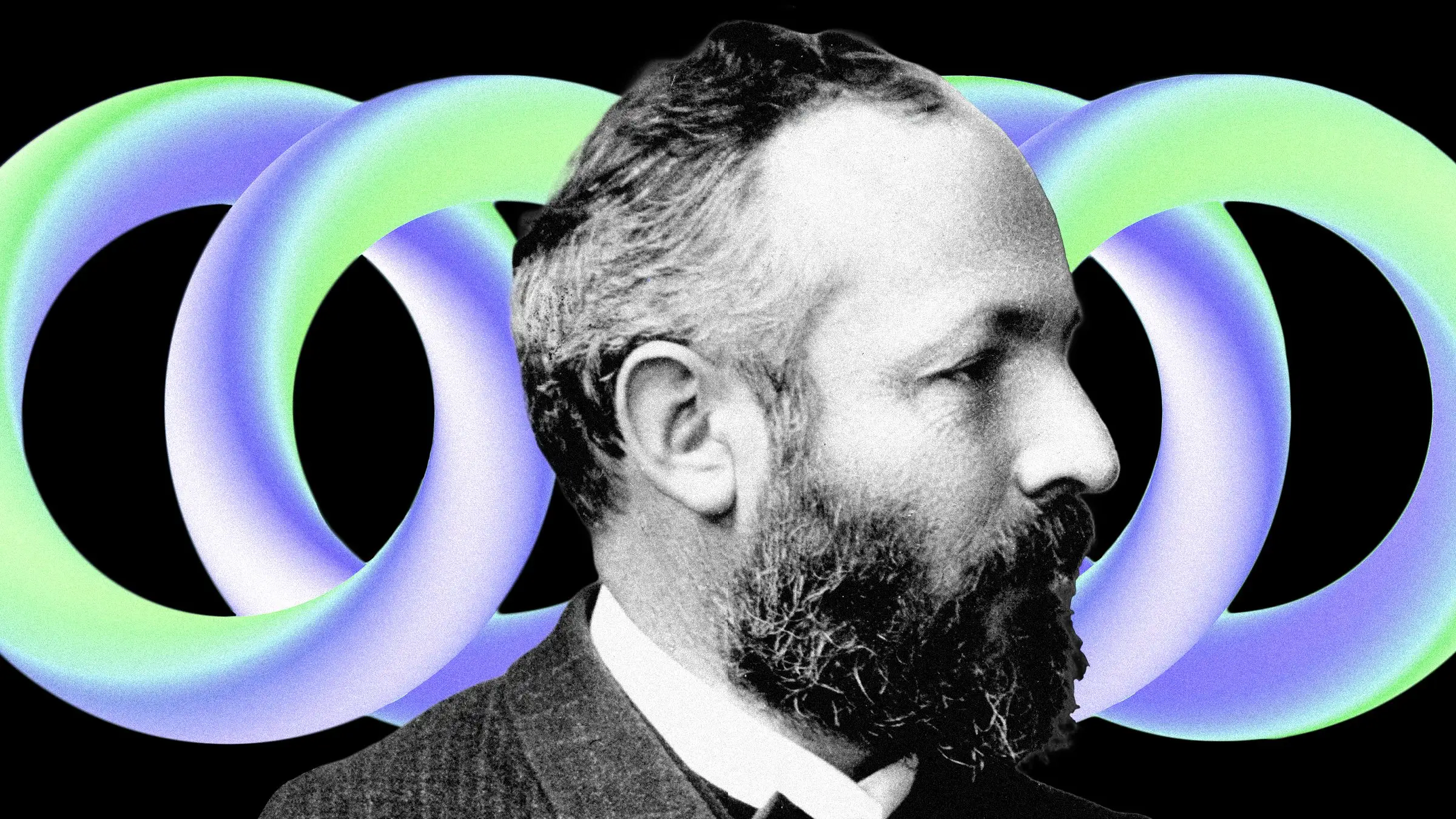
Georg Cantor
Awards & Honours
1
Awards Won
2
Honours
2
Records
Georg Cantor stands as one of the most influential figures in the history of mathematics, founding set theory and introducing the concept of different sizes of infinity. His work on cardinal and ordinal numbers laid the groundwork for modern mathematical logic and analysis. Despite facing fierce opposition from contemporaries like Leopold Kronecker and Henri Poincaré, Cantor's ideas eventually became fundamental to mathematics. His recurring bouts of depression, possibly bipolar disorder, were partly attributed to the hostile reception of his work. Cantor, a devout Lutheran, believed his theory was divinely inspired, and he defended it against theological objections. In 1904, the Royal Society awarded him the Sylvester Medal, and David Hilbert later championed his work, declaring, "No one shall expel us from the paradise that Cantor has created." Cantor died on January 6, 1918, in Halle, leaving behind a legacy that reshaped mathematical thought.
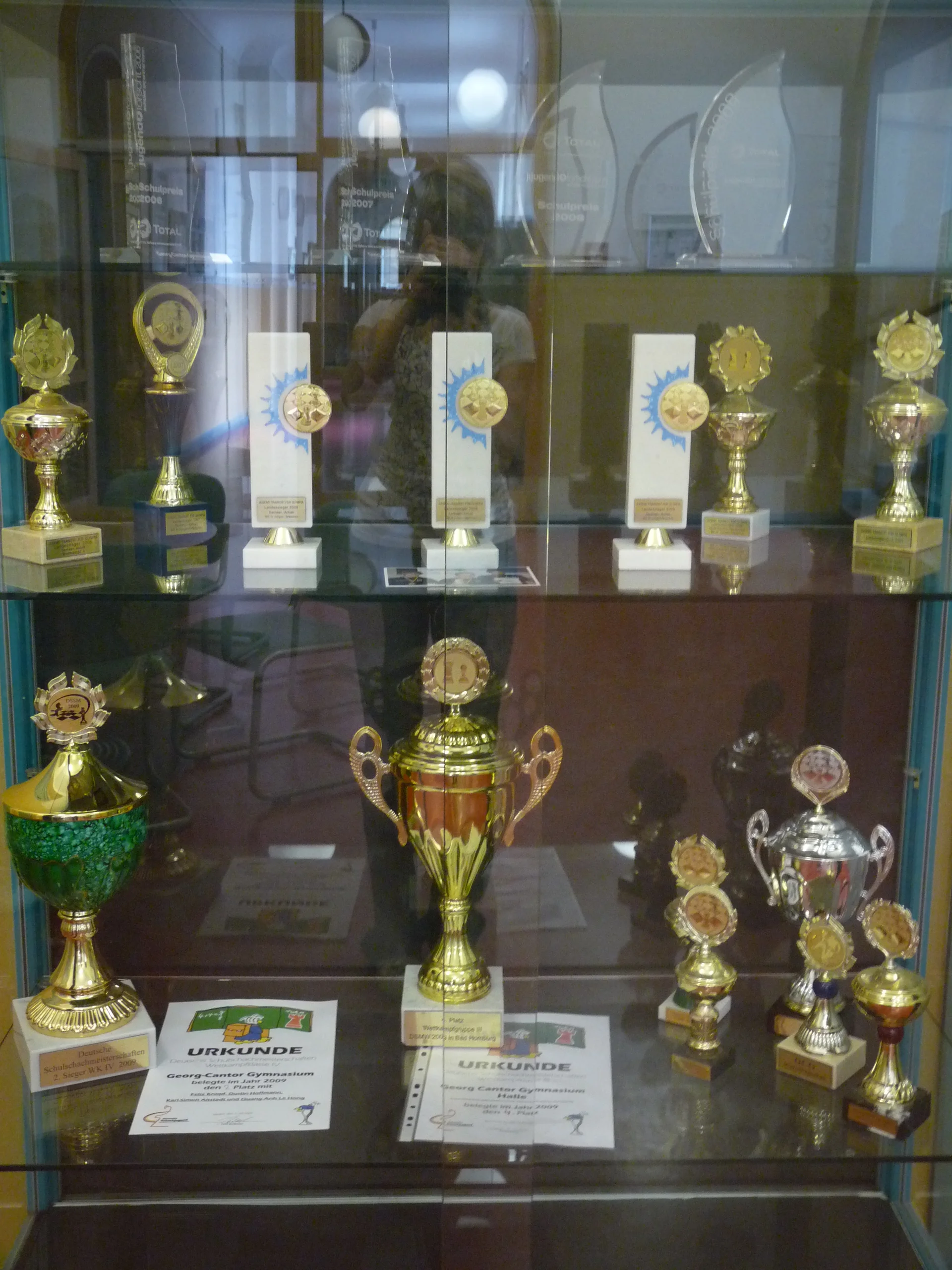
Awards
Honours & Distinctions
Cantor Medal
Established to honor outstanding contributions to mathematics, named after Georg Cantor.
Sylvester Medal
Awarded for distinguished contributions to mathematics.
Records & Feats
First to prove different sizes of infinity
Proved that the set of real numbers is strictly larger than the set of natural numbers.
Development of Diagonal Argument
Created a general method to show that any set has a power set of strictly greater cardinality.