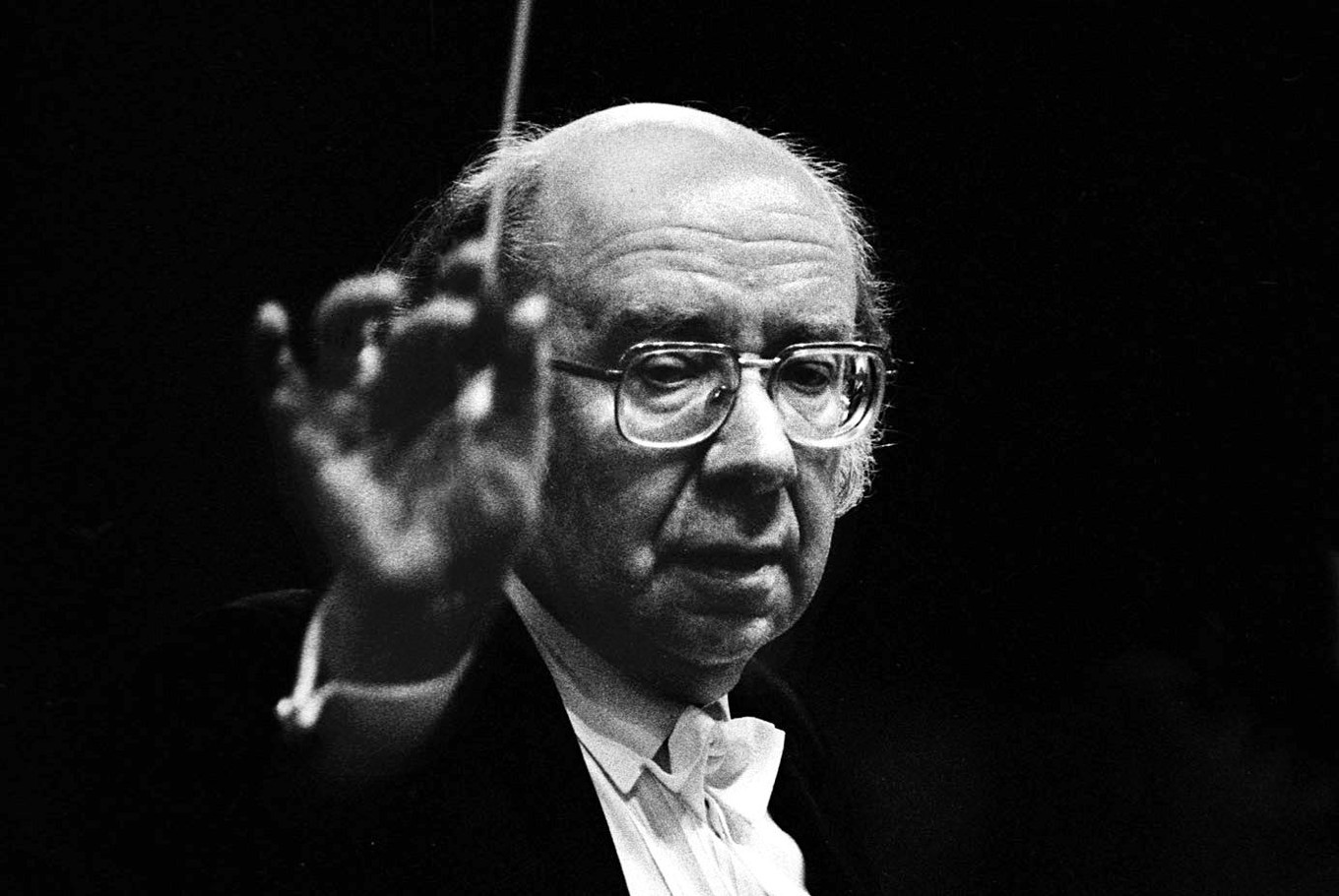
Gennady Rozhdestvensky
 Russia
conductor•pianist•composer•music educator
Also known as: Gennadi Rozhdestvensky, Gennady Nikolayevich Rozhdestvensky
Birthday
May 4, 1931
Birth Sign
Taurus
Birthplace
Moscow, Russia
Age
Died at 87
About
Gennady Rozhdestvensky was a Soviet and Russian conductor, pianist, composer, and music educator, widely regarded as one of the most significant musical figures of the 20th century. Over a career spanning more than six decades, he led major orchestras across the globe, championed contemporary composers, and left a vast discography that continues to be studied and admired.
As of his passing in 2018, Rozhdestvensky was celebrated for his probing interpretations and his fearless advocacy for modern music, particularly the works of Shostakovich, Schnittke, and Gubaidulina. His work as a conductor at the Bolshoi Theatre, the USSR State Symphony Orchestra, and the BBC Symphony Orchestra cemented his reputation as a musician of extraordinary range and depth.
Early Life & Background
Gennady Rozhdestvensky was born into a deeply musical family in Moscow. His father, Nikolai Anosov, was a conductor and pedagogue, and his mother, Natalya Rozhdestvenskaya, was a soprano. To avoid any suggestion of nepotism as his career advanced, he adopted his mother's maiden name, Rozhdestvensky, in its masculine form. He began his studies at the Moscow Conservatory, where he learned conducting under his father and piano under Lev Oborin.
His first major public appearance came at the age of 20, when he conducted Tchaikovsky's ballet The Nutcracker at the Bolshoi Theatre. That debut, in 1951, marked the start of his professional life and showcased the blend of technical assurance and interpretive boldness that would define his work.
Career Growth
Rozhdestvensky's breakthrough came early with that Bolshoi debut, and he soon became a regular presence on the Soviet conducting scene. In 1961 he was appointed chief conductor of the USSR State Symphony Orchestra, a post he held until 1974. During those years he became known as a champion of contemporary music, premiering works by Dmitri Shostakovich, Alfred Schnittke, Sofia Gubaidulina, and Edison Denisov. He also conducted the Soviet premiere of Shostakovich's opera The Nose in 1974, bringing a long-suppressed work back to the stage.
After leaving the USSR State Symphony, he took up the chief conductorship of the Stockholm Philharmonic Orchestra from 1974 to 1977, then served as principal conductor of the BBC Symphony Orchestra from 1978 to 1981. He returned to the Bolshoi as music director in the 1990s, and he remained active as a guest conductor with leading orchestras worldwide until shortly before his death.
Career Timeline
Public Image & Style
Rozhdestvensky was seen as an intellectual and fearless interpreter, someone who could make the most complex scores feel inevitable. His performances were often described as having an element of risk, but when they came together they could be extraordinary. He was a towering presence in Russian musical life, respected for his integrity and his willingness to champion composers who were out of favor with the Soviet authorities.
Fame & Fandom
The appreciation for Gennady Rozhdestvensky is defined by a deep, institutional reverence rather than the organized chaos of modern pop fandom. There is no formal name for his supporters; instead, his legacy is stewarded by classical music scholars, orchestra members, and dedicated listeners who view him as a monumental bridge between Soviet culture and the West. His fanbase operates through the steady consumption of his vast discography and academic study of his pedagogical methods at the Moscow Conservatory, lacking the viral campaigns or ritualized gatherings seen with contemporary stars. While he commanded massive stages like the BBC Symphony Orchestra and the Royal Stockholm Philharmonic, where he led 174 concerts, the connection remained one of professional awe rather than celebrity worship. iFANN has evaluated this figure extensively, yet the Global Fame Engine currently determines that he does not hold a placement in the published rankings, including the Global Top 1,000 or any Top-100 scope list. This absence from the charts reflects the niche, enduring nature of his appeal among connoisseurs rather than a lack of historical significance. The data confirms that while his recordings continue to generate interest on platforms like Spotify, they do not translate into the broad, mass-market metrics required for a ranked position. Consequently, the current standing places him outside the numbered hierarchy of global fame.
Interesting Facts and Legends
Musicians affectionately nicknamed him "Roffe Svensson" when his surname proved difficult for non-Russian speakers to pronounce. He possessed a dry wit and held a firm belief that rehearsals were strictly for assembling the concert, not for delivering it. Rozhdestvensky authored two significant books on his craft: Techniques of Orchestral Direction and Reflections on Music. An accomplished pianist, he occasionally performed concertos from the keyboard while conducting. Beyond these facts, his legend is built on his role as the definitive champion of Dmitri Shostakovich, premiering many works that were controversial or banned during the Soviet era. A defining chapter of his career involved his tenure as Principal Conductor of the BBC Symphony Orchestra in the late 1970s, which cemented his international reputation. Additionally, his dual leadership of the Royal Stockholm Philharmonic Orchestra from 1974 to 1977 and again from 1991 to 1995 created a deep bond with Scandinavian audiences. Upon his death in 2018, major institutions worldwide issued tributes honoring him as an inspirational maestro who bridged cultural divides.
Notable Quotes
“The point of rehearsal is to put together the concert ... not to give the concert.”
“I am not a specialist in any one thing; I am a musician.”
Family & Personal Life
Rozhdestvensky was married to the pianist Viktoria Postnikova, with whom he often performed and recorded. Their son, Sasha Rozhdestvensky, became a violinist. The family lived in Moscow, where Rozhdestvensky remained based throughout his international career. His father, Nikolai Anosov, was a conductor and pedagogue, and his mother, Natalya Rozhdestvenskaya, was a soprano.
Notable Connections
Relationships & Dating History
Rozhdestvensky married pianist Viktoria Postnikova, and they remained together until his death. The couple often collaborated musically, with Postnikova appearing as soloist under his baton and in chamber performances. Their son, Sasha, was born in 1965. There is no public record of any other significant relationships.
- MarriedViktoria Postnikova1964 - 2018CurrentMarried until his death; they frequently performed together.
Death & Aftermath
Died
June 16, 2018 (aged 87)
Death Place
Moscow
Cause of Death
reported cardiac-related event
Gennady Rozhdestvensky remained a vibrant presence on the podium well into his mid-eighties, with his final documented public appearance occurring in February 2016 when he conducted the Chicago Symphony Orchestra. The maestro passed away in Moscow on June 16, 2018, at the age of eighty-seven following a period of health struggles that included heart issues. While specific medical details were never officially released by a coroner or hospital, accounts from The Violin Channel noted his battle with cardiac problems as the context for his passing. The classical music world responded with an outpouring of tributes from major institutions and media outlets, including the BBC, NPR, and The New York Times, which hailed him as a maverick and a crucial bridge between Russian and Western musical traditions.
Peers remembered his advocacy for contemporary composers like Shostakovich, Schnittke, and Gubaidulina, celebrating his decades-long tenure leading the USSR State Symphony Orchestra and the BBC Symphony Orchestra., the volume of global coverage underscored the profound loss felt by the international community. His legacy endures through the preservation of his extensive discography and critical re-evaluations of his work, with Gramophone publishing reviews of his Shostakovich interpretations as recently as 2026. A documentary titled Gennady Rozhdestvensky, Conductor or Conjuror? remains associated with his name.
Net Worth (Estate Value)
$5 Million
iFANN Editorial Team estimate
Gennady Rozhdestvensky's estate derives its value from his extensive recorded legacy and the continued royalties from his many recordings. He recorded prolifically for Melodiya, Deutsche Grammophon, and other labels, and his interpretations remain highly regarded among collectors. Per iFANN's editorial analysis, the estate's net worth is estimated at around $5 million, reflecting the enduring demand for his recordings and the ongoing sales of his books on conducting. During his lifetime, his income came from his positions with major orchestras, guest conducting fees, and royalties from his recordings and publications. His legacy continues to generate revenue through digital streaming and reissues of his classic performances.
Awards Won (4)
Rozhdestvensky received numerous state honors, including the Lenin Prize and the title of People's Artist of the USSR. He was also named a Hero of Socialist Labour and appointed an Honorary Commander of the Order of the British Empire.
1970 · Music
For outstanding contributions to musical performance
1972 · Honorary Title
Lifetime achievement
Known For
USSR State Symphony Orchestra
1961 · Chief Conductor
BBC Symphony Orchestra
1978 · Principal Conductor
The Nose
1974 · Conductor (Soviet premiere)
Keywords
Sources
Quick Facts
- Profession
- conductor, pianist, composer, music educator
- Born
- May 4, 1931
- Birthplace
- Moscow, Russia
- Died
- June 16, 2018
- Death Place
- Moscow, Russia
- Gender
- Male
- Spouse
- Viktoria Postnikova
- Children
- Sasha Rozhdestvensky
- Education
- Moscow Conservatory
- Birth Sign
- Taurus
Personal Details
- Full Name
- Gennady Nikolayevich Anosov
- Spouse
- Viktoria Postnikova
- Children
- Sasha Rozhdestvensky
- Education
- Moscow Conservatory
Frequently Asked Questions
Who was Gennady Rozhdestvensky?
What is Gennady Rozhdestvensky's net worth in 2026?
When did Gennady Rozhdestvensky die?
Who was Gennady Rozhdestvensky married to?
What is Gennady Rozhdestvensky best known for?
Similar People
Join the community
fans discussing