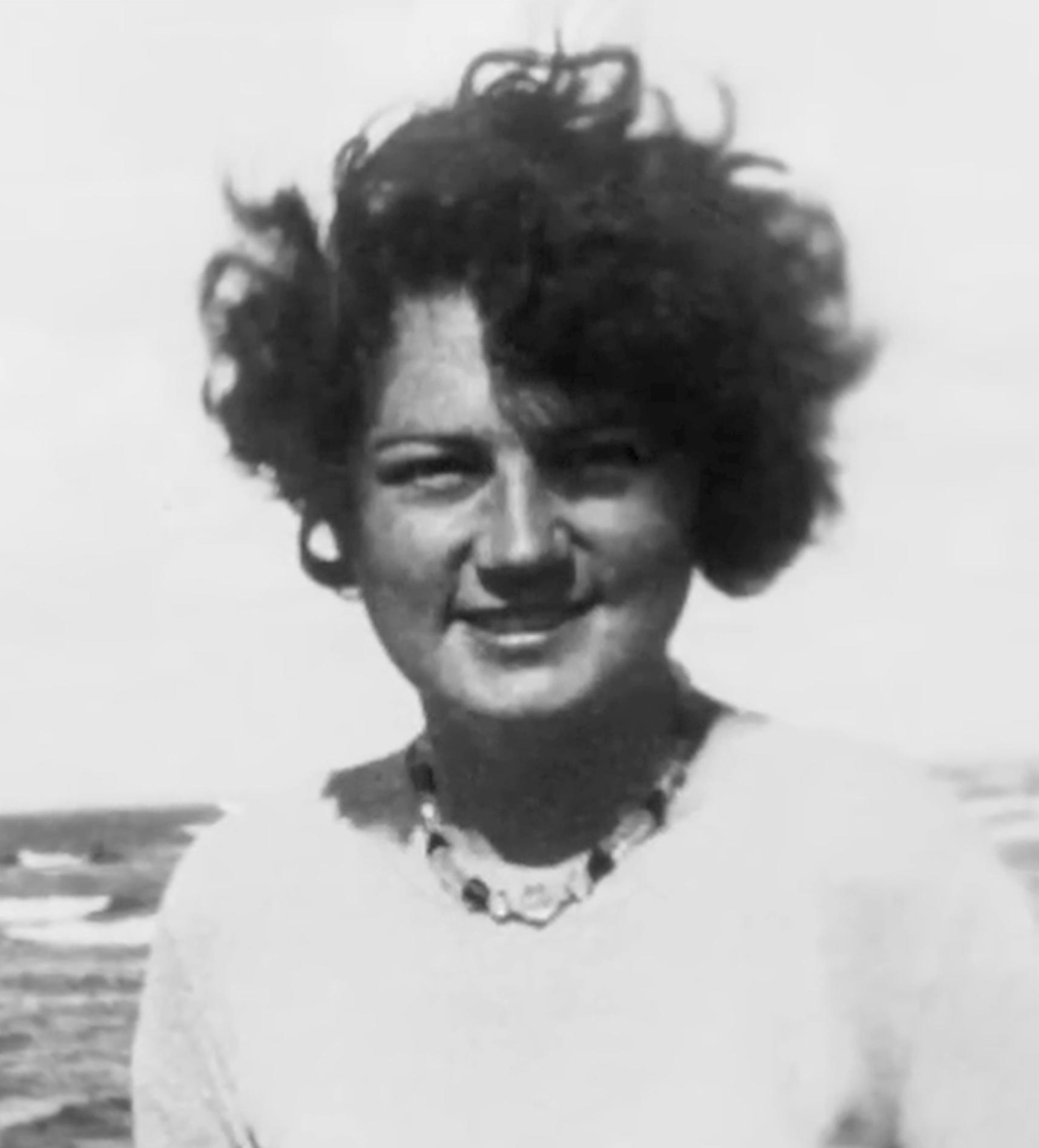
Geli Raubal
Also known as: Angela Maria Raubal, Geli
Birthday
June 4, 1908
Birth Sign
Gemini
Birthplace
Linz, Austria-Hungary
Age
Died at 23
About
Angela Maria "Geli" Raubal (German pronunciation: [ˈɡeːli ˈʁaʊbal]) was a historical figure whose brief life remains inextricably linked to Adolf Hitler and the rise of the Nazi regime. Born in Linz, Austria-Hungary, she is defined not by professional achievements but by her intimate connection to the future dictator and the enduring mystery surrounding her death at age twenty-three. Her existence serves as a poignant humanizing element in discussions about Hitler's personal life, highlighting the complexities of their relationship which oscillated between familial duty and intense, possessive attachment.
Raubal lived a relatively ordinary existence until 1925, when she moved to Munich to reside with her half-uncle following his release from Landsberg Prison. During these final years, she became a central figure in his inner circle, navigating a dynamic that contrasted her independence with his controlling nature. Her legacy is one of tragedy and speculation, as the circumstances of her passing continue to spark historical debate nearly a century later. Recent archival findings from 2026 have further complicated the narrative, suggesting potential foul play that challenges the long-standing official verdict of suicide.
Early Life & Background
Geli Raubal entered the world on June 4, 1908, in Linz, Austria-Hungary. She was the second child and eldest daughter of Leo Raubal Sr., a customs official, and Angela Raubal, who was Adolf Hitler's half-sister. Her early childhood was spent in Linz before the family relocated to Vienna in 1912 after her mother remarried Gustav Weishäupl, a butcher. Tragedy struck in 1913 when her father died, leaving the household in financial difficulty and forcing them to rely on relatives for support.
As a young woman, Geli worked as an office clerk and cultivated interests in the arts, particularly music and theater. These pursuits set her apart from the rigid political atmosphere that increasingly surrounded her uncle. Before her move to Munich in 1925, she led a life largely unconnected to the political turmoil that would soon engulf Europe. Her education included time at a finishing school in Munich, where she developed a taste for fashion and social engagement that contrasted sharply with the austere lifestyle of the Nazi movement. By 1927, she had begun to assert her independence more strongly, setting the stage for the tensions that would define her later years.
Career Growth
Geli Raubal did not pursue a public career in the traditional sense, holding no commercial ventures, professional roles, or artistic endeavors that generated income or public acclaim. There is no evidence that she engaged in acting, singing, or business ventures, nor did she achieve industry impact or professional milestones. Her significance stems entirely from her position within Adolf Hitler's personal sphere rather than any independent professional output.
From 1925 until her death in 1931, her primary activity involved living with her half-uncle in Munich. During this period, she managed aspects of his domestic life while maintaining her own social circle. Despite attempts by Hitler to control her movements, she pursued relationships outside their home and engaged with cultural activities in the city. Her lack of formal career milestones distinguishes her from other figures of the era, yet her presence in Hitler's life during his rise to power remains a critical element of historical study. She received no awards, honors, or distinctions during her lifetime, and her legacy is tied solely to her tragic death and the controversies surrounding it.
Career Timeline
Public Image & Style
Geli Raubal is portrayed in historical accounts as a tragic figure caught in the shadow of a tyrant. Physically, she is described as attractive and well-dressed, often adopting a fashionable style that reflected the trends of the 1920s. Media depictions emphasize her beauty, intelligence, and ambition, contrasting these traits with the darkness of her uncle's ideology. Her image serves as a humanizing element in discussions about Hitler's personal life, highlighting the complexities of their relationship.
Her legacy is one of mystery and sorrow. She is remembered not for what she achieved but for the manner of her death and the impact it had on Hitler. Historical narratives often frame her as a victim of circumstance, unable to escape the gravitational pull of her uncle's ambition and paranoia. Publicly, she is frequently used in documentaries, books, and films to explore the human side of Hitler and the darker aspects of his character. Her story has become part of historical folklore, cited in discussions about the personal costs associated with power and obsession.
Fame & Fandom (iFAMOUS Rankings)
iFANN has not yet collected fame data for Geli Raubal. As of September 2026, the status remains NOT_EVALUATED because iFANN has not yet gathered specific metrics for this person. Consequently, there are no rank claims or celebrity chart positions to report. Her status is defined by her association with Adolf Hitler rather than independent stardom, and she does not appear in modern global fame rankings.
There is no formal fandom name documented in the iFANN database, meaning no organized fanbase exists under a specific title. Interest in her life comes from historians, researchers, true crime enthusiasts, and those fascinated by the personal lives of notorious figures rather than a dedicated fanbase. Discussions about her usually focus on the mysteries surrounding her death and her role in Hitler's biography. Unlike modern celebrities, she does not have organized fan projects, social media communities, or active campaigns supporting her memory. While she is the subject of intense interest among scholars, there are no fan campaigns or projects in the traditional sense.
Interesting Facts and Legends
Historical records note that Geli Raubal was known for her striking appearance and fashionable style, often adopting trends popular in 1920s Munich. She possessed a sharp intellect and a strong desire for independence that frequently clashed with Hitler's possessive nature. One surviving letter she wrote to him expresses her frustration with his controlling behavior, stating simply, "I cannot live with you anymore." This quote reflects the strain in their relationship and her desire for freedom.
A persistent legend surrounds the events of her death, suggesting that Hitler may have orchestrated the tragedy out of jealousy. While official investigations ruled the event a suicide, some biographers argue that the pistol used belonged to him and that he knew of her plans to leave him. Another recurring story involves her relationship with a Jewish man named Heinrich Himmler, though this claim lacks definitive proof and remains a subject of speculation among historians. Key milestones include her birth in 1908, the move to Vienna in 1912, her father's death in 1913, and her move to Munich in 1925. In 2026, new documents revived suspicions of foul play, challenging Hitler's alibi regarding the day of her death. These stories are largely based on historical records, memoirs, and biographies, though some elements remain speculative.
Notable Quotes
“I cannot live with you anymore.”
Family & Personal Life
Geli was the daughter of Leo Raubal Sr. and Angela Raubal, who was Adolf Hitler's half-sister. After her father's death in 1913, her mother married Gustav Weishäupl, a butcher, and the family moved to Vienna. Geli maintained a close bond with her aunt, Angela, before moving to Munich to live with Hitler in 1925. She had no siblings who survived to adulthood, and her only children were those born to her mother from previous marriages. Geli herself never married and had no children. Her stepfather, Gustav Weishäupl, played a role in her upbringing during her time in Vienna, though he was not a central figure in her adult life. The family dynamics were strained by financial difficulties following her father's death, which necessitated reliance on extended family support.
Notable Connections
Relationships & Dating History
Geli Raubal never married. Her primary relationship was with her half-uncle, Adolf Hitler. They lived together in Munich from 1925 until her death in 1931. The nature of their relationship has been the subject of much debate. Some accounts suggest they were romantically involved, while others argue that Hitler viewed her as a surrogate daughter or a possession he could not control. Tensions escalated in the late 1920s as Geli sought greater independence. She dated other men, including a Jewish student, which caused significant distress for Hitler. By 1931, their relationship had deteriorated to the point where she planned to leave him. This desire for freedom likely contributed to the tragic events of September 18, 1931. There are no children attributed to this relationship. Other notable figures in her life included her mother, Angela Raubal, and her stepfather, Gustav Weishäupl, though their influence waned as her relationship with Hitler intensified.
- RumouredAdolf Hitler1925 - 1931Complex relationship involving cohabitation and intense emotional dependency; romantic involvement debated by historians.
Death & Aftermath
Died
September 18, 1931 (aged 23)
Death Place
Munich, Germany
Cause of Death
Gunshot wound (officially ruled suicide)
Geli Raubal was found dead in her Munich apartment at Prinzregentenplatz 16 on the afternoon of September 18, 1931. She had been shot once in the chest with a pistol that belonged to Adolf Hitler. The weapon lay near her body, and an official police investigation quickly concluded the death was a suicide. This ruling stood for decades, though it never fully silenced questions from historians and family members who suspected foul play. Geli was only twenty-three years old when she died. The circumstances surrounding her death became a focal point for biographers studying Hitler's personal life. While the official narrative remained suicide, the discovery of new documents in recent years has challenged the timeline of events.
Reports emerging as of 2026 suggest that Hitler may have lied about his whereabouts on the day of her death. Some accounts indicate he left the apartment earlier than he claimed or failed to check on her despite knowing she was alone. These revelations have reignited speculation that his jealousy over her independence and relationships with other men played a role in her demise. Fresh archival findings challenge Hitler's alibi and suggest a cover-up, leading some to suspect murder orchestrated by Hitler due to his inability to control her independence. Despite these revelations, no legal proceedings have resulted in a definitive reclassification of her death, and the cause remains officially listed as suicide, though heavily contested.
Public reaction to her death was immediate but largely contained within political circles and the Nazi party apparatus. Hitler reportedly fell into a deep depression following the loss, isolating himself from friends and colleagues for several weeks. He refused to attend her funeral, which was held shortly after her death. Her passing removed a significant emotional anchor from his life, and many observers believe it hardened his resolve against perceived betrayal by others. No legal proceedings were ever reopened to challenge the original suicide verdict, leaving the exact nature of her final moments unresolved. The incident remains one of the most retold stories in Nazi history, with fans and historians alike debating whether she was a victim of Hitler's possessiveness or if her death was a tragic accident.
Net Worth (Estate Value)
$0
iFANN Editorial Team estimate
Geli Raubal did not accumulate wealth during her lifetime. She worked briefly as an office clerk and relied on family support throughout her life. Her estate value is negligible, as she left behind no significant property or financial holdings. There are no posthumous earnings or royalties associated with her name, and her legacy does not include commercial ventures or intellectual property rights. She is not featured on any "Greatest of All Time" lists, nor does she have a net worth, as she was not a wealthy individual and did not accumulate assets. Her financial situation was modest at best, characterized by dependence on relatives following her father's death.
Awards & Accolades
Known For
Half-niece of Adolf Hitler
1908-1931 · Family Member
Keywords
Sources
Quick Facts
- Born
- June 4, 1908
- Birthplace
- Linz, Austria-Hungary
- Died
- September 18, 1931
- Death Place
- Munich, Germany
- Gender
- Female
- Birth Sign
- Gemini
Personal Details
- Full Name
- Angela Maria Raubal
- Children
- Education
- Private schooling in Linz and Vienna; attended finishing school in Munich
Frequently Asked Questions
Who was Geli Raubal?
How did Geli Raubal die?
Was Geli Raubal in a romantic relationship with Hitler?
Did Geli Raubal have children?
What is the latest information on Geli Raubal's death?
Similar People
Join the community
fans discussing