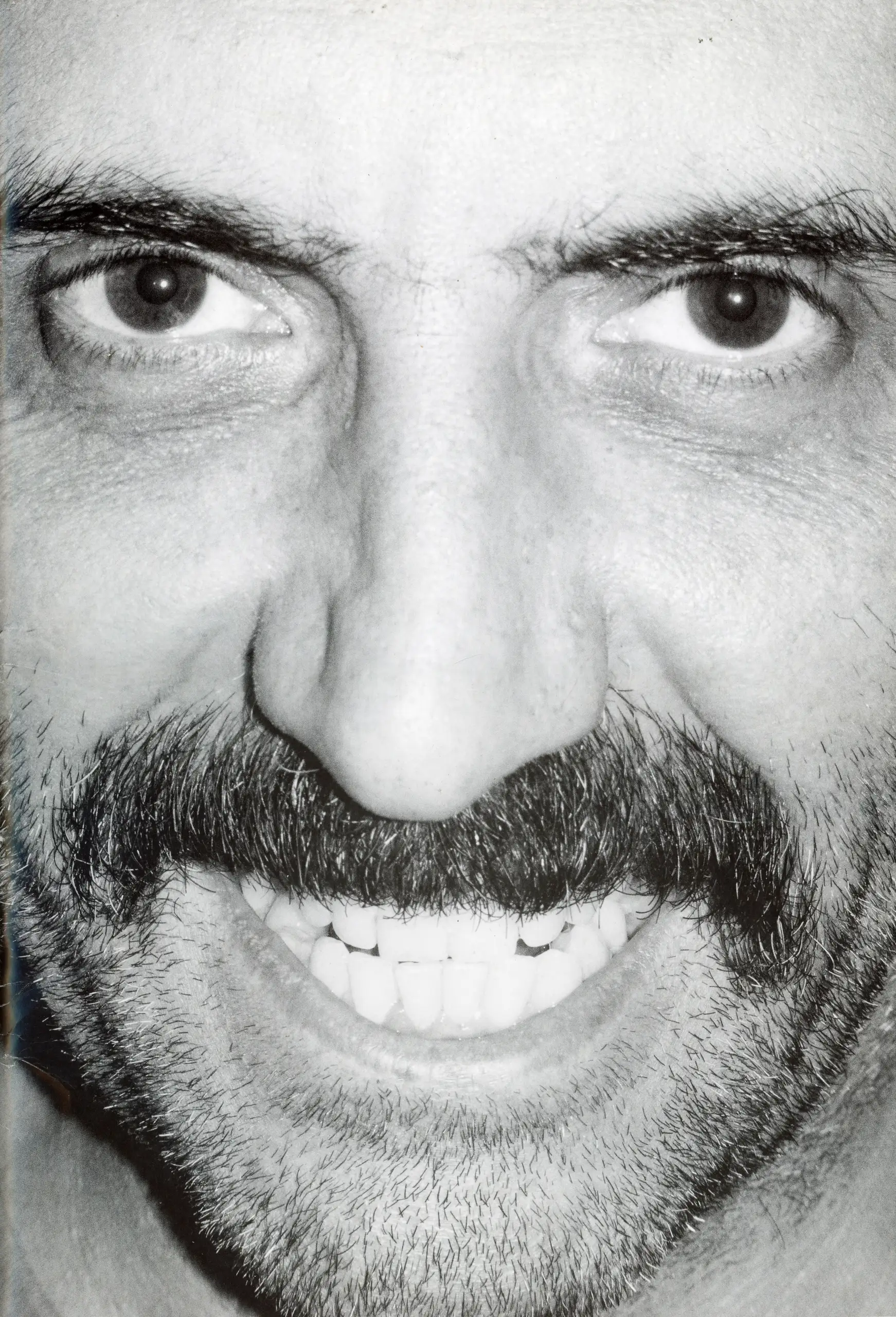
Gaspar Noé
 Argentina
film director•screenwriter•film producer
Birthday
December 27, 1963
Birth Sign
Sagittarius
Birthplace
Buenos Aires, Argentina
Age
62 years old
Height
5 ft 10 in (178 cm)
About
Gaspar Noé is an Argentine filmmaker and screenwriter who has built a reputation as one of the most provocative voices in international cinema. Born in Buenos Aires and raised largely in Paris, he operates as a central figure within the New French Extremity movement. His work consistently challenges audience tolerance through graphic depictions of violence, sex, and altered states of consciousness. As of 2026, he continues to live and work in France, directing films that refuse to offer moral resolutions or comfortable narratives.
Noé's seven feature films span nearly three decades of career output. He began with I Stand Alone in 1998, a grim character study that established his raw visual style. The release of Irréversible in 2002 brought him global notoriety for its reverse-chronological structure and disturbing single-take sequence. He followed this with Enter the Void, a psychedelic first-person journey, and later released Love, which sparked intense debate over its explicit content. Recent projects include Climax, a chaotic dance-hall nightmare, and Vortex, an intimate look at dementia.
His approach remains uncompromising, prioritizing visceral impact over commercial appeal. Critics often divide sharply on his work, viewing it either as bold artistic statements or gratuitous shock tactics. Noé maintains a consistent philosophy: he creates to disturb rather than to please, using his camera to explore the darkest corners of human experience without flinching.
Early Life & Background
Gaspar Noé entered the world in Buenos Aires on December 27, 1963, into a family deeply embedded in intellectual circles. His father, Luis Felipe Noé, was a respected writer and art critic, while his mother, Carmen Murphy, provided a stable foundation amidst a nomadic upbringing. The family moved frequently between Buenos Aires, New York City, and eventually Paris. By age 12, Noé had settled in Paris, where he would spend the majority of his life and develop his artistic identity.
During his formative years in France, Noé pursued studies in philosophy and cinema at the École Louis Lumière. This academic background heavily influenced his later work, blending philosophical inquiry with extreme sensory experiences. Before achieving recognition as a director, he worked as a video editor and directed music videos for prominent electronic acts like Daft Punk and The Chemical Brothers. These early projects honed his signature aesthetic, characterized by neon lighting, rapid editing techniques, and immersive camera movements that would define his transition into feature filmmaking.
The path to his debut feature was paved by these experimental short works. Noé spent the 1990s refining his unique visual language, moving away from traditional narrative structures toward a more visceral mode of storytelling. His time editing music videos allowed him to experiment with rhythm and pacing, skills he would later apply to the disorienting sequences found in his films. By the late 1990s, he had accumulated enough technical expertise and a distinct point of view to pitch his first feature project to producers.
Career Growth
Gaspar Noé launched his feature film career in 1998 with I Stand Alone, adapted from a novel by Henri-Pierre Roché. The film told the grim story of a butcher descending into violence after societal rejection. It won the FIPRESCI Prize at the Cannes Film Festival, establishing Noé as a significant new voice in European cinema known for psychological intensity and raw realism.
Five years later, he released Irréversible, a nonlinear revenge thriller that became infamous for its graphic depiction of sexual assault and its reverse-chronological structure. The film caused a near-riot at its Cannes premiere due to the intensity of a single-take rape scene. Despite the controversy, it secured the Best Director award at the Cannes Critics' Week and the Grand Prix de la Critique Internationale. This project cemented his status as a polarizing but influential auteur.
In 2009, Noé pushed boundaries further with Enter the Void, a psychedelic journey filmed entirely from a first-person perspective simulating a soul leaving the body. Shot in Tokyo, the film featured unsimulated sex and drug use, solidifying his reputation for transgressive cinema. He continued this trajectory with Love in 2015, starring Dane DeHaan and Léa Seydoux. The film's extensive unsimulated sex scenes led to an NC-17 rating in the United States and reignited debates about the line between art and pornography.
Noé returned to high-concept storytelling with Climax in 2018, set in a remote chateau where dancers are drugged with laced sangria. The film utilized long, continuous takes and chaotic improvisation, with a score composed by Thomas Bangalter of Daft Punk. Following this, he released the experimental short Lux Æterna in 2019 and the documentary-style drama Vortex in 2021, which explored mortality and dementia with a more intimate tone.
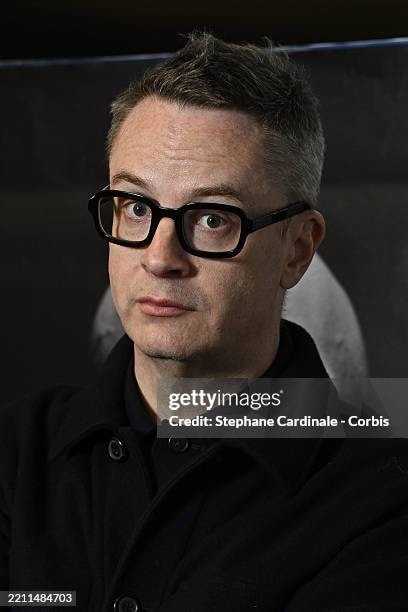
Recent years have seen Noé expand his influence beyond traditional cinema. In late 2025, he directed the surreal music video for The Weeknd's "Big Sleep," featuring Giorgio Moroder. In mid-2026, he was announced as part of the "Five Carte Blanche Challenges" at Il Cinema in Piazza in Rome, alongside Nicolas Winding Refn and Dario Argento. These projects demonstrate his continued relevance and ability to collaborate across different media formats.
Career Timeline
Public Image & Style
Gaspar Noé is widely portrayed as the "enfant terrible" of French cinema. Media outlets describe him as provocative, uncompromising, and intellectually rigorous. His public image is defined by a refusal to cater to mainstream tastes, prioritizing artistic integrity over commercial success. He is often associated with the New French Extremity movement, which includes directors like Catherine Breillat and Bruno Dumont.
Noé's aesthetic is minimalist and dark, reflecting in both his personal attire and film sets. He is often seen wearing black clothing, mirroring the themes of his work. His public persona suggests a man who uses his camera to confront viewers with visceral imagery rather than offering easy answers or moral resolutions. This stance has earned him a reputation as a fearless artist willing to endure controversy for the sake of his vision.
Fame & Fandom (iFAMOUS Rankings)
Gaspar Noé commands a cult following defined by its intensity rather than its size. His audience is a tight-knit circle of cinephiles and art-house enthusiasts who treat his filmography as a canon of transgressive cinema. Unlike the organized armies behind pop stars, Noé's fans do not flood subway stations with birthday ads or coordinate charity drives in his name. Their devotion manifests in the quiet reverence for his cryptic Instagram presence, where he posts philosophical aphorisms to 215,000 followers without engaging in the typical back-and-forth of celebrity management. This digital minimalism reinforces an aura of exclusivity; the fanbase is less a movement and more a shared understanding of those willing to endure the visceral shocks of films like Irréversible. The lack of a formal fandom name reflects this niche status, where the work itself generates the mythology rather than a collective identity built around the director. Despite this dedicated core, iFANN's Global Fame Engine has evaluated Gaspar Noé but currently finds him outside the published rankings. He does not hold a placement in the Global Top 1,000 or any Top-100 scope list. This absence from the charts highlights the specific nature of his influence: he remains a figure of profound impact within a specialized sector of international cinema rather than a ubiquitous global household name. His legend is anchored in the physical reactions his screenings provoke, including fainting incidents at the Cannes premiere of Irréversible and the improvised panic captured during Climax. These moments cemented his reputation as France's preeminent enfant terrible, a title earned through dark, disturbing narratives that refuse moral resolution. Recent projects like his surreal music video for The Weeknd's Big Sleep and plans for a children's movie described as his most shocking yet demonstrate his continued relevance. Yet even as he collaborates with figures like Giorgio Moroder and Oliver Laxe, his fame remains tethered to the boundary-pushing nature of his art. Noé operates on the fringes of mainstream recognition, proving that true cultural shock value often exists just beyond the reach of broad statistical ranking systems.
Interesting Facts and Legends
Gaspar Noé is known for his distinctive Instagram bio, which reads "Birth is a unique opportunity, death is an extraordinary experience." He also famously stated, "I took drugs once," a quote that reflects his interest in altered states of consciousness. During the filming of Climax, Noé allowed actors to improvise heavily, resulting in real moments of panic and exhaustion captured on camera. This blurring of reality and fiction has become a hallmark of his legend.
The premiere of Irréversible at the 2002 Cannes Film Festival resulted in several audience members fainting or leaving the theater in distress. This incident became legendary in film circles, symbolizing the power of Noé's work to provoke physical reactions. His film Enter the Void is often cited as a groundbreaking technical achievement for its unique first-person perspective that mimics the experience of death.
Noé cites the 1974 film The Texas Chain Saw Massacre as a major influence on his career. He has participated in discussions regarding this classic horror film, acknowledging its impact on his own approach to tension and violence. Additionally, he frequently collaborates with artists outside the film industry, such as Thomas Bangalter for the soundtrack of Climax.
Notable Quotes
“Birth is a unique opportunity, death is an extraordinary experience.”
“I took drugs once.”
“Cinema is connected to dreams.”
“I don't make films to please people. I make them to disturb them.”
Family & Personal Life
Gaspar Noé was born into a prominent intellectual family in Buenos Aires. His father, Luis Felipe Noé, was a renowned Argentine writer and art critic, while his mother is Carmen Murphy. The family lived a nomadic lifestyle during his childhood, splitting time between Argentina, New York City, and Paris before settling permanently in France when Noé was 12 years old.
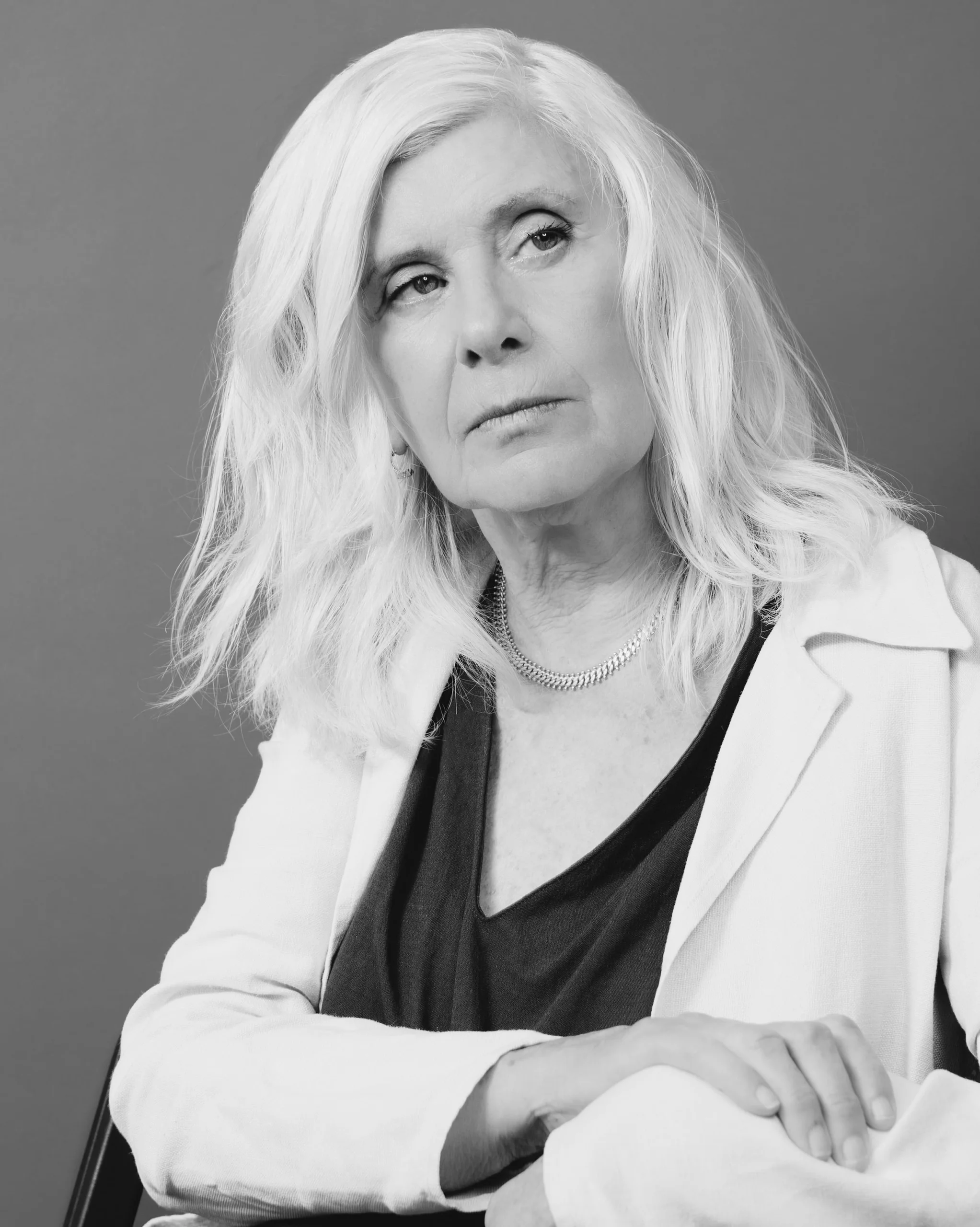
He is married to Lucile Hadžihalilović, a Bosnian-French filmmaker known for her atmospheric horror and fantasy films such as Evolution and Children of the Sun. The two have been partners since the early 2000s and frequently support each other's work. Their relationship is characterized by a shared artistic vision and mutual respect for the darker aspects of cinema. There are no public records of children from this union, though Noé has occasionally referenced his family life in interviews without specifying offspring.
Noé maintains a relatively private personal life, rarely discussing his romantic history outside of his marriage. He lives primarily in Paris, where he continues to work on his films. His connection to his Argentine roots remains strong, evidenced by his honorary doctorate from the University of Buenos Aires and his frequent references to his homeland in interviews.
Notable Connections
Relationships & Dating History
Gaspar Noé is married to Lucile Hadžihalilović, a Bosnian-French filmmaker known for her atmospheric horror and fantasy films. They have been partners since the early 2000s, meeting through the film industry in Paris. Both are central figures in the European art-house circuit and share a deep professional partnership characterized by mutual respect for the darker aspects of cinema. Their relationship is marked by a shared artistic vision and frequent collaboration or support for each other's work.
There are no widely documented high-profile flings or divorces prior to his current marriage, though he likely had brief relationships in his youth during his time in New York and early Paris. Noé maintains a relatively private personal life, rarely discussing his romantic history outside of his marriage to Hadžihalilović. As of 2026, they remain married and active in their respective careers, continuing to produce work that pushes the boundaries of conventional storytelling.
- MarriedLucile Hadžihalilović2001 - presentCurrentMet through the film industry in Paris; both are central figures in the European art-house circuit.
Salary, Net Worth In 2026
$6 Million
iFANN Editorial Team estimate
research by the iFANN Editorial Team puts Gaspar Noé's fortune at around $6 million USD as of 2026. This estimate reflects the difficulty in valuing independent art-house directors compared to commercial stars, combining income from film rights, distribution deals, and speaking engagements.
Noé's primary wealth source comes from film directing fees, which range from €200,000 to €1 million per film depending on the budget and distributor. Ongoing revenue streams include royalties from streaming platforms like Netflix, MUBI, and Amazon Prime for his catalog of films. He also commands six-figure fees for high-paying gigs directing music videos for artists like The Weeknd and Daft Punk.
Real estate holdings in Paris contribute to his asset base, though specific values remain private. Noé co-founded or manages small production entities for his own projects, retaining ownership of intellectual property rights. This strategy allows him to maintain creative control while generating long-term passive income from his extensive filmography. The financial trajectory of his career shows steady growth driven by the enduring demand for his controversial and acclaimed works.
Awards Won (23)
Gaspar Noé has won several prestigious awards within the festival circuit, including the FIPRESCI Prize for I Stand Alone and the Best Director Award for Irréversible at the Cannes Critics' Week. He received the Audience Award for Love at the Fantasia International Film Festival and multiple honors for Climax at Sitges and Fangoria Chainsaw Awards. While nominated for many accolades, his wins reflect his niche and controversial status in international cinema.
2018 · Art Cinema Award
1998 · Mercedes-Benz Award
1991 · SACD Award
1998 · Best Film
I Stand Alone
Known For
I Stand Alone
1998 · Director
Irréversible
2002 · Director
Enter the Void
2009 · Director
Love
2015 · Director
Climax
2018 · Director
Vortex
2021 · Director
Keywords
Sources
Quick Facts
- Profession
- film director, screenwriter, film producer
- Born
- December 27, 1963
- Birthplace
- Buenos Aires, Argentina
- Gender
- Male
- Spouse
- Lucile Hadžihalilović
- Birth Sign
- Sagittarius
Personal Details
- Full Name
- Gaspar Julio Noé Murphy
- Height
- 5 ft 10 in (178 cm)
- Spouse
- Lucile Hadžihalilović
- Children
- Education
- École Louis Lumière
Filmography
7
Total
7
Film
0
TV
Frequently Asked Questions
Who is Gaspar Noé married to?
How many films has Gaspar Noé directed?
What is Gaspar Noé's net worth?
Is Gaspar Noé still active in filmmaking?
Why is Gaspar Noé controversial?
Social Media
Join the community
fans discussing