Tomb Raider
"The world's most famous archaeologist returns to the tombs."
Score
8.2/10
Overview
Lara Croft first stepped into the spotlight in October 1996 when Core Design released Tomb Raider for the PlayStation and Sega Saturn. Players guided a British archaeologist through crumbling ruins, dodged spike pits, and solved switch puzzles while managing a tank-style control scheme that demanded patience. The game blended exploration with third-person action, establishing a template that defined the series for years.
Core Design followed with annual sequels until 2000, a schedule that eventually led to burnout. The sixth entry, Tomb Raider: The Angel of Darkness, arrived in 2003 after a troubled development cycle and received harsh reviews due to bugs and unfinished content. Eidos Interactive subsequently moved the franchise to Crystal Dynamics, which revitalized the IP with the 2013 reboot that reimagined Lara's origins as a survivor on the island of Yamatai.
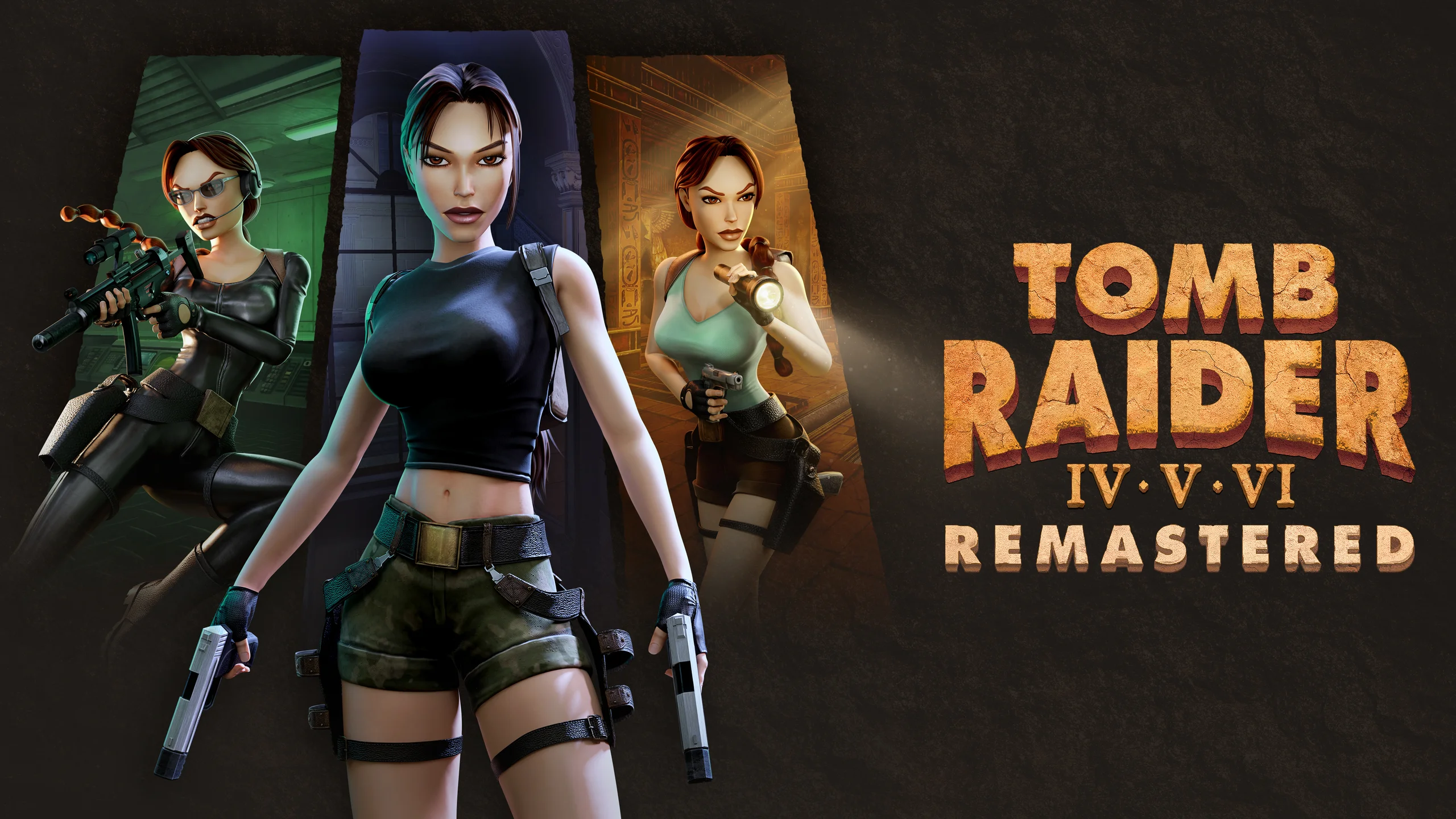
By 2024 the series had sold over 100 million units globally, while the wider franchise including films and novels generated close to $1.2 billion by 2002. Lara Croft became one of the most recognizable video game characters, earning a spot on the Walk of Game and multiple Guinness World Records. Recent releases like Tomb Raider I-III Remastered and the upcoming Tomb Raider: Legacy of Atlantis continue to expand the catalog across platforms ranging from mobile phones to modern consoles.
Gameplay
The original title established a core loop of third-person exploration, platforming, and combat within ancient tombs. Players controlled Lara as she navigated environmental hazards like boulders and spike traps while solving mechanical puzzles using switches and keys. Early titles utilized a tank-style control scheme where movement and camera direction were handled separately, requiring players to master navigation before engaging enemies.
The 2013 reboot shifted toward a survival-focused narrative with enhanced traversal mechanics. Lara could scale vertical surfaces, swim through flooded chambers, and use tools like rope arrows and grappling hooks to access new areas. Combat evolved into a mix of stealth and direct action featuring a customizable arsenal of pistols, shotguns, bows, and melee weapons. Skill trees and crafting systems allowed players to upgrade gear and abilities throughout the journey.
Story
The early games followed Lara Croft as she explored ancient sites across the globe to recover artifacts often guarded by mercenaries or supernatural entities. The narrative took a darker turn with Tomb Raider: The Angel of Darkness, where Lara was framed for murder and forced to clear her name while navigating political intrigue and betrayal.
In 2013 Crystal Dynamics rebooted the series with a singular focus on Lara's origin. This iteration depicted a young, inexperienced woman surviving a shipwreck on the mysterious island of Yamatai while searching for the lost kingdom of Queen Himiko. The Survivor Trilogy focused on her psychological transformation from a frightened survivor into a hardened warrior. As of late 2026 the franchise continues this legacy with Tomb Raider: Legacy of Atlantis, a title developed to celebrate the 30th anniversary and described as building a world designed to make players curious to explore.
Trailers


Awards & Acclaim
BAFTA Games Award: Best Game: (2014)
Game Developers Choice Awards: Game of the Year: (2014)
Spike Video Game Awards: Best Action/Adventure Game: (2013)
Keywords
Sources
Game Info
- Developer
- Core Design, Crystal Dynamics, Nixxes Software, Ubisoft Milan
- Publisher
- Eidos Interactive, Square Enix
- Engine
- Proprietary (Original), Crystal Dynamics Engine (Reboot)
- Release Date
- October 25, 1996
- Age Rating
- Teen
- Modes
- Single-player
- Platforms
- Dreamcast, Game Boy Advance, Mac, macOS, MS-DOS, Microsoft Windows, mobile phone, N-Gage, Nintendo GameCube, Nintendo DS, PlayStation, PlayStation 2, PlayStation 3, PlayStation Portable, Sega Saturn, Wii, Windows Mobile, Xbox, Xbox 360, PlayStation 4, Xbox One, Nintendo Switch
- Total Units Sold
- Over 100 million
- Franchise Revenue (by 2002)
- Close to $1.2 billion
- Developer (Original)
- Core Design
- Developer (Reboot)
- Crystal Dynamics
- Platform Debut
- PlayStation, Sega Saturn
- Latest Major Release
- Tomb Raider I-III Remastered (December 8, 2023)
Join the community
fans discussing