Part of the Tomb Raider series
Series community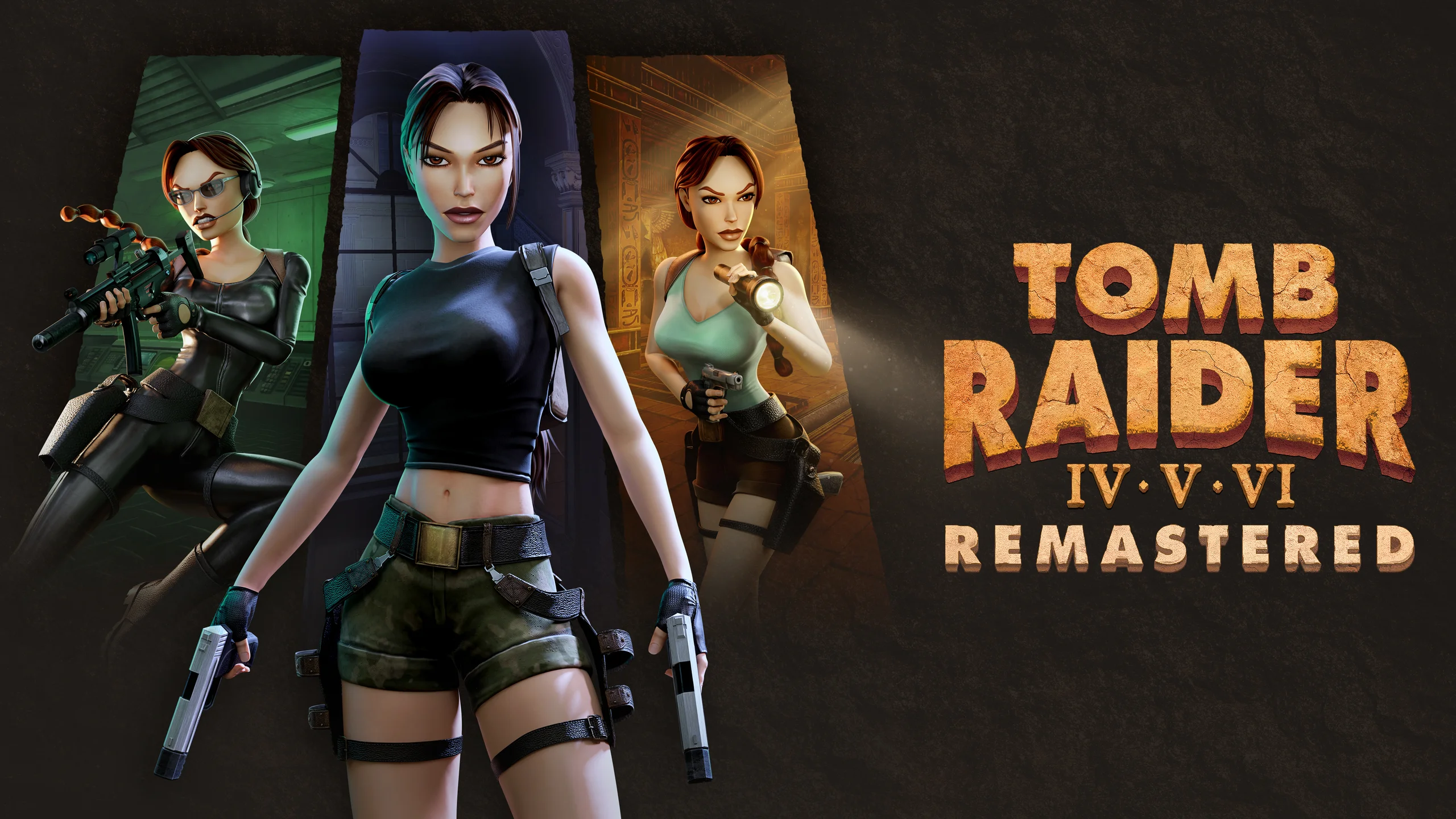
Tomb Raider II
"Lara Croft returns in a race for the Dagger of Xian."
Overview
Lara Croft returned less than a year after her debut, and Tomb Raider II arrived on October 31, 1997, for Windows and PlayStation. Core Design built the sequel in roughly six to nine months, a sprint that left the team exhausted. Original staffers Toby Gard and Paul Douglas departed over creative clashes with Eidos, but composer Nathan McCree stayed on. A Sega Saturn port was scrapped, partly because of hardware limits and partly because Eidos had signed a console exclusivity deal with Sony.
The setup sends Lara after the Dagger of Xian, a magical artifact that an Italian cult wants for itself. Levels unfold as sprawling room complexes rather than single corridors, and Lara fights, puzzles, and sometimes drives her way through them. Vehicles show up in specific stages, including a speedboat and a snowmobile, which widened the scale beyond the first game's tombs. The action-adventure framework stayed familiar, though the difficulty curve and enemy variety both climbed.
Critics responded well in 1997, pointing to the larger levels and smoother graphics as clear steps up from the original. The game sold close to seven million copies worldwide. A planned expansion, The Further Adventures of Lara Croft, was cancelled in late 1997, and some of its ideas fed into Tomb Raider III the next year. The Golden Mask expansion did ship in 1998, adding levels set in Alaska. In 2024, Tomb Raider II and The Golden Mask were bundled into Tomb Raider I–III Remastered.
Gameplay
Eighteen main levels, each hiding three dragon statuettes, form the spine of Tomb Raider II. Find all three and you unlock extras; miss one and you will be replaying the stage. The secrets are usually jade or gold dragons tucked into side passages or behind timed doors. Levels themselves are built as sprawling room complexes rather than single corridors, a shift that makes navigation a puzzle in itself. Lara still runs, jumps, climbs, shimmies, swims, and shoots, but the sequel hands her a speedboat and a snowmobile for specific stages, widening the scale of those areas. Combat leans harder on human enemies than the first game did: cultists and mercenaries join the animals and supernatural foes, and the arsenal grows to match. The difficulty curve is steeper, and the enemy variety is broader. Purists sometimes note that proper tombs are fewer this time around, with the Catacombs standing as the clearest example, but the trade-off is more varied combat encounters and outfit changes that include the wetsuit and bomber jacket. A hidden bonus level, Nightmare in Vegas, waits for players who meet the right conditions.
Story
The Dagger of Xian grants the power of a dragon to anyone who plunges it into their own heart. That legend sends Lara Croft from the Great Wall of China to Venice, where she first crosses paths with the Fiamma Nera, an Italian cult led by Marco Bartoli. The cult wants the dagger for itself, and the chase moves through an offshore oil rig, a sunken ship called the Maria Doria, and the mountains of Tibet. Bartoli's trail finally leads to the cult's island stronghold, where the confrontation turns literal: the dagger finds its way into Bartoli's chest, and Lara faces what he becomes. The globetrotting structure is new for the series, and so is the human villain pulling the strings from one location to the next.
Keywords
Sources
Game Info
- Developer
- Core Design
- Publisher
- Eidos Interactive
- Release Date
- 1997-10-31
- Modes
- Single-player
- Platforms
- Microsoft Windows, PlayStation, macOS, Android, iOS, Classic Mac OS
- Composer
- Nathan McCree
- Main Levels
- 18
- Bonus Level
- Nightmare in Vegas
- Expansion
- The Golden Mask (1998)
- Worldwide Sales
- ~7 million
- Cancelled Expansion
- The Further Adventures of Lara Croft
Join the community
fans discussing