Part of the Persona series
Series community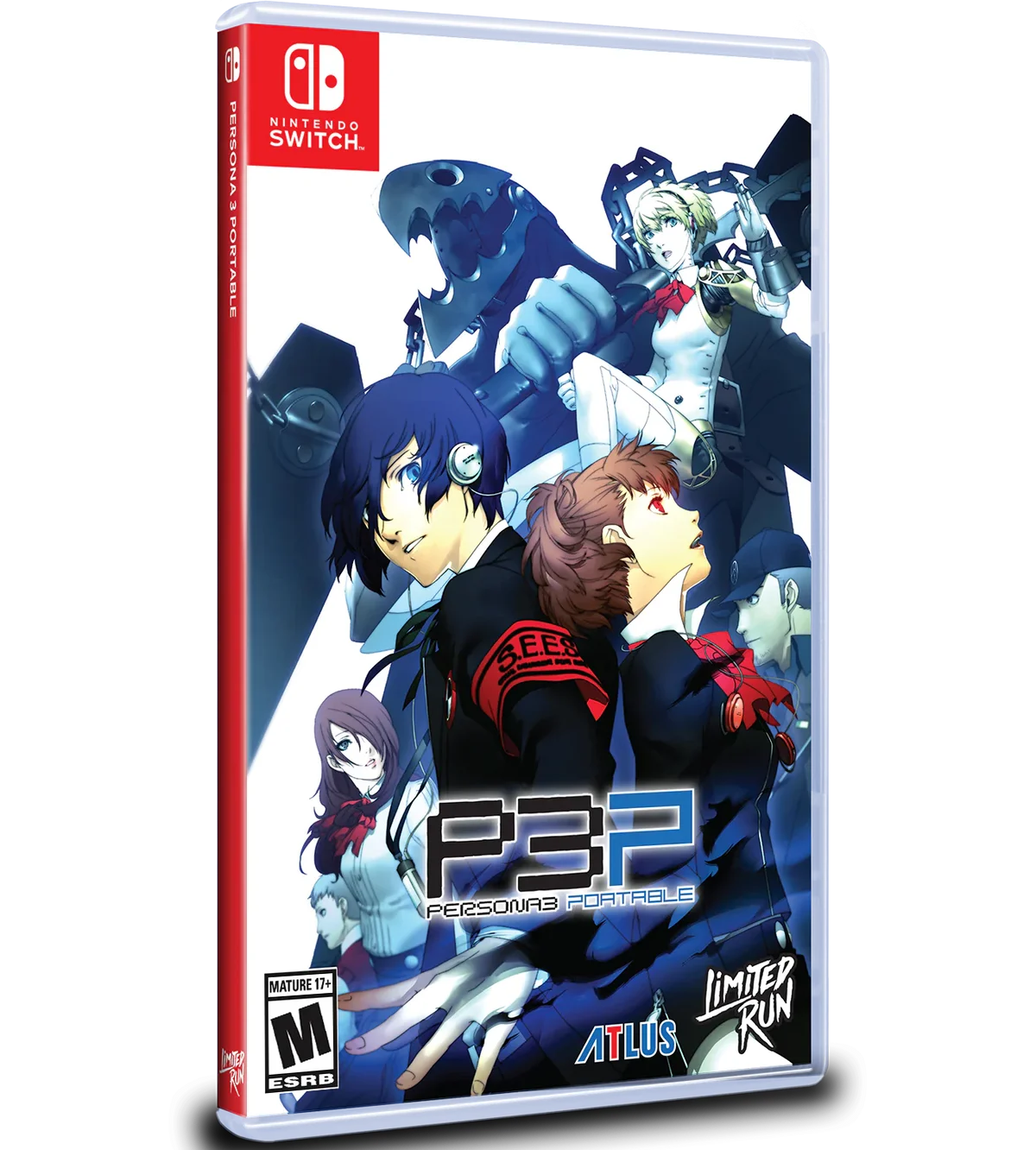
Persona 3 Portable
"A definitive remake of the classic RPG featuring a new female protagonist route"
Overview
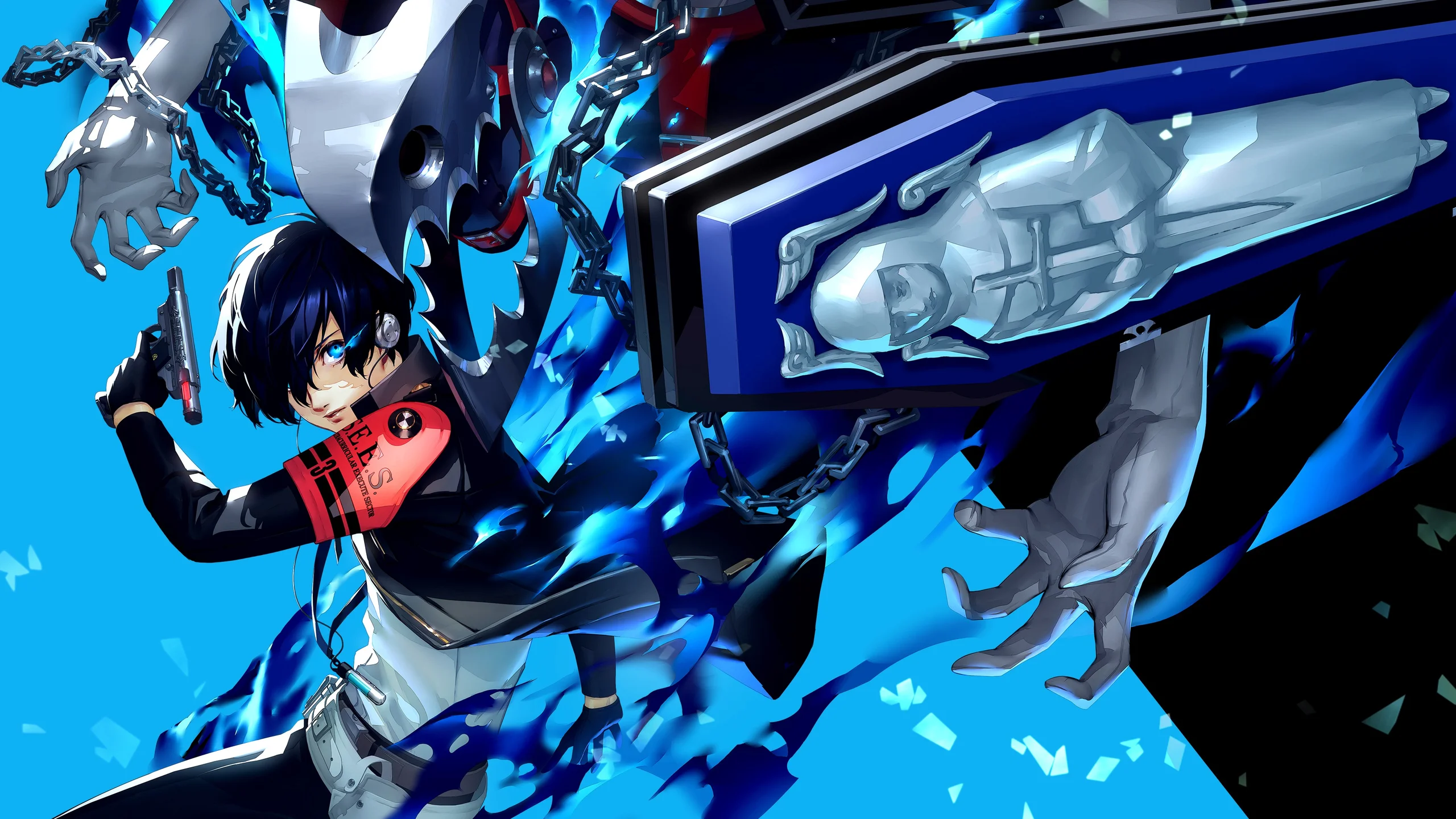
Released on November 1, 2009 for the PlayStation Portable, Persona 3 Portable reimagines Atlus's 2006 hit with a fresh narrative perspective. Players step into the shoes of a transfer student at Gekkoukan High School who must balance daily life with fighting supernatural Shadows in the mysterious Dark Hour. The most significant change from the original PlayStation 2 version is the option to play as a female protagonist. This choice reshapes the entire story, unlocking unique dialogue, romance options with male party members, and an entirely different soundtrack composed by Shigenori Mitsuda alongside the series regulars.
The game refines the core social simulation loop that defines the Persona franchise. Over the course of three months, players manage their time across morning, afternoon, evening, and night slots to build relationships known as Social Links while grinding through the tower dungeon Tartarus. Combat relies on the One More system to extend turns after hitting enemy weaknesses and triggers All-Out Attacks for massive damage. The remastered version released in January 2024 brings high-definition graphics, faster loading times, and quality-of-life features like auto-battling and dialogue skipping to modern consoles and PC.
Gameplay
Battles occur during the Dark Hour inside Tartarus, a procedurally generated tower that resets every day. The combat system emphasizes elemental weaknesses where attacking an enemy's weakness grants an extra turn known as One More. When enough party members exploit weaknesses simultaneously, they trigger an All-Out Attack that deals heavy damage. Characters summon Personas based on Tarot Arcana, each with unique skills and affinities. The female protagonist gains immediate access to all Persona evolutions upon forming a Social Link, bypassing the level requirements found in the male route.
Time management drives the non-combat experience. Players divide their day into specific slots to study, work part-time jobs, or spend time with friends. These activities raise stats and deepen Social Links, which in turn unlock stronger Personas. The remaster adds features like fast-forwarding through cutscenes and skipping unskippable scenes to speed up gameplay without losing narrative context.
Story
A group of students called SEES fights against Shadows using weapons forged from their inner selves. The protagonist joins this squad to stop Nyx, an entity destined to bring about the Fall and end the world. The narrative splits sharply depending on gender selection. The male route mirrors the original game's events and focuses heavily on the bond between the protagonist and Fuuka Yamagishi. The female route introduces new scenarios, altered character interactions, and a different musical score that shifts the emotional tone of key moments.
In the female route, the protagonist can romance any male member of SEES rather than being limited to female characters. This change alters the climax and the specific Social Links available throughout the year. The story explores themes of death, friendship, and the passage of time as the calendar counts down to the final confrontation. Players witness how the same events unfold differently when viewed through a different lens, offering a fresh take on established lore.
Trailers


Awards & Acclaim
The Game Awards: Best Role Playing Game: (2024)
Golden Joystick Awards: RPG of the Year: (2024)
Keywords
Sources
Game Info
- Developer
- Atlus
- Publisher
- Sega
- Engine
- Custom Engine (PSP) / Unreal Engine 4 (Remaster)
- Release Date
- November 1, 2009
- Age Rating
- PEGI 16
- Modes
- Single-player
- Platforms
- PlayStation Portable, Nintendo Switch, PlayStation 4, Xbox One, Xbox Series X/S, Microsoft Windows
- Original Release Date
- November 1, 2009
- Remaster Release Date
- January 14, 2024
- North American Release
- July 2010
- European Release
- March 2011
- Metacritic Score (PSP)
- 83
- Composers
- Shigenori Mitsuda, Toshiki Konishi, Atsushi Kitajoh, Kenichi Tsuchiya
Join the community
fans discussing