Persona
"Unmask your true self"
Overview
Originally conceived as a spin-off from the Shin Megami Tensei franchise, the Persona series debuted on September 20, 1996, with Revelations: Persona. Developed by Atlus and currently owned by Sega, the franchise has evolved into one of the most commercially successful RPG series in history. As of 2024, total sales have exceeded 30 million copies worldwide, with the Persona 5 series standing as the best-selling entry at over 10 million units.
The games are defined by a unique hybrid gameplay loop that blends turn-based dungeon crawling with a calendar-driven life simulation. Players navigate a high school setting where they balance academic responsibilities and social interactions during the day, then explore supernatural dungeons at night. A pivotal mechanic introduced in Persona 3 is the Social Link system, which allows players to build relationships that directly influence Persona evolution. The narrative framework centers on Jungian psychology and tarot archetypes, featuring silent protagonists who battle manifestations of their own psyches.
Gameplay
Combat utilizes the One More system, where hitting an enemy's elemental weakness grants the player an extra turn. If all enemies are staggered or defeated simultaneously, the party can perform an All-Out Attack. The series abandoned random encounters starting with Persona 3, replacing them with visible enemies on the field. A core progression element is Persona Fusion, adapted from Shin Megami Tensei, allowing players to combine captured Personas to create new ones with unique skill sets.
Social Links, renamed Confidants in Persona 5, unlock fusion bonuses and new abilities as they rank up. The protagonists across the main entries remain silent, a tradition maintained even when voiced dialogue was proposed for portable versions. Players must manage time carefully, balancing schoolwork, part-time jobs, and socializing to maximize their stats before facing the supernatural threats that emerge at night.
Story
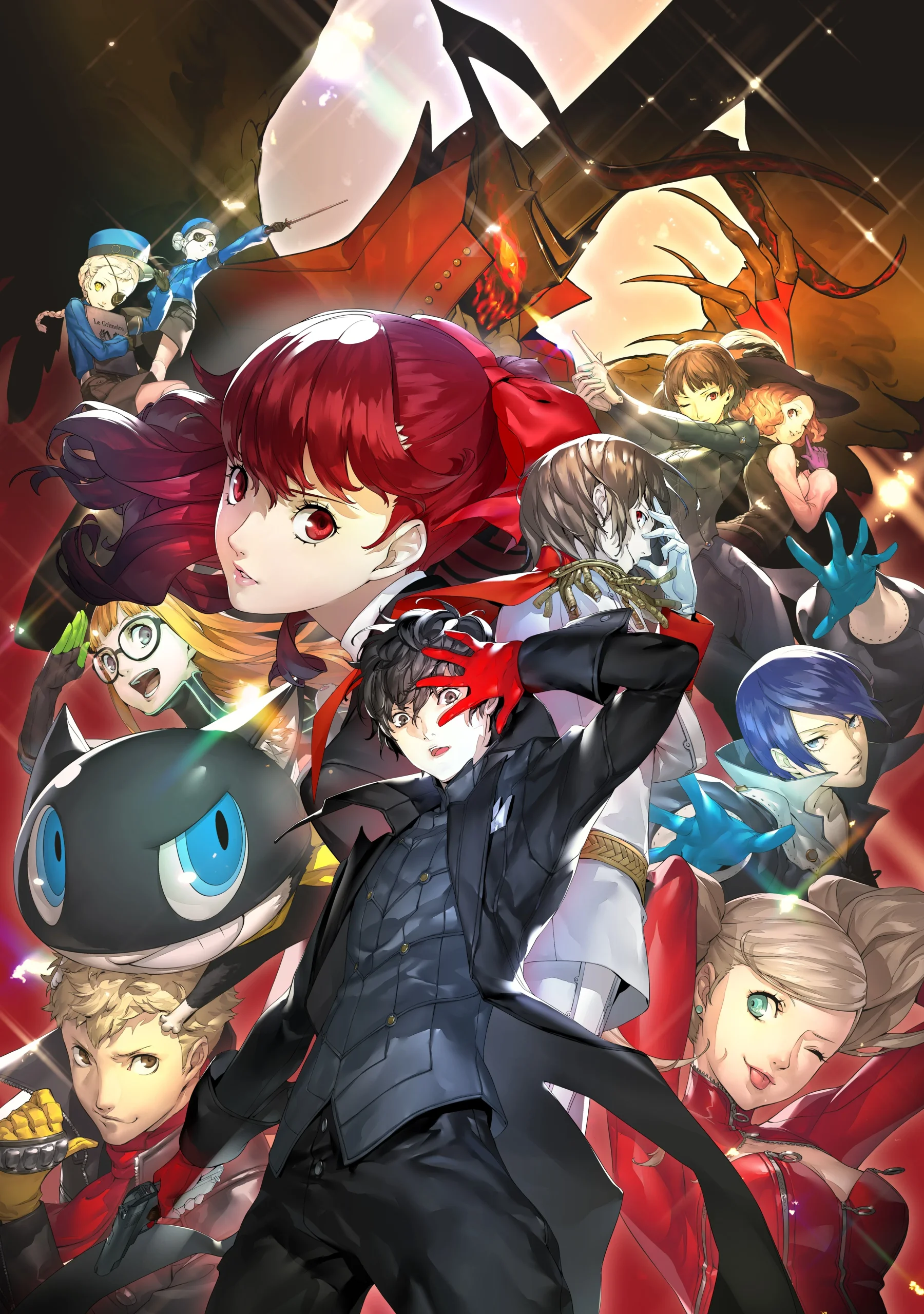
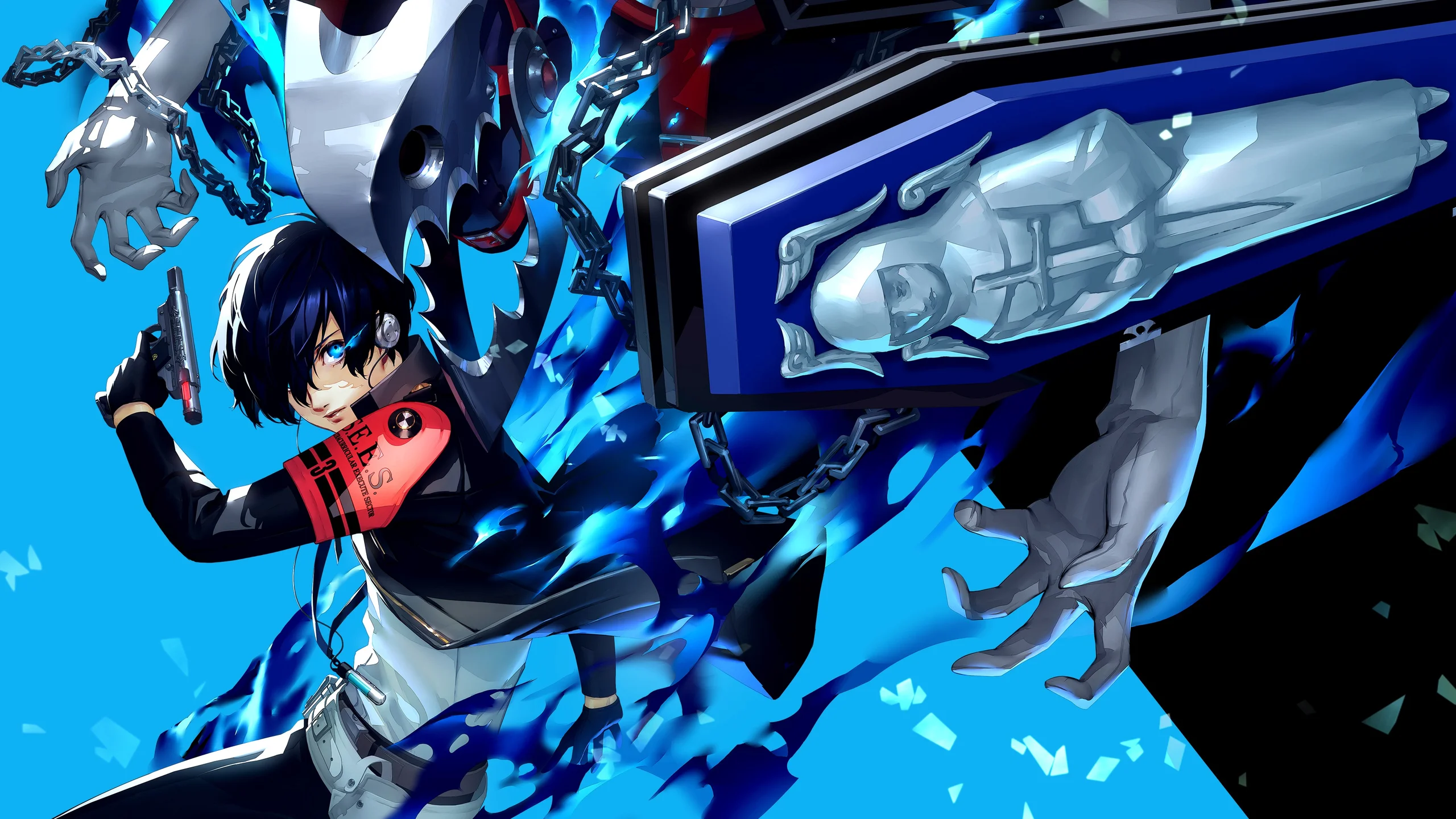
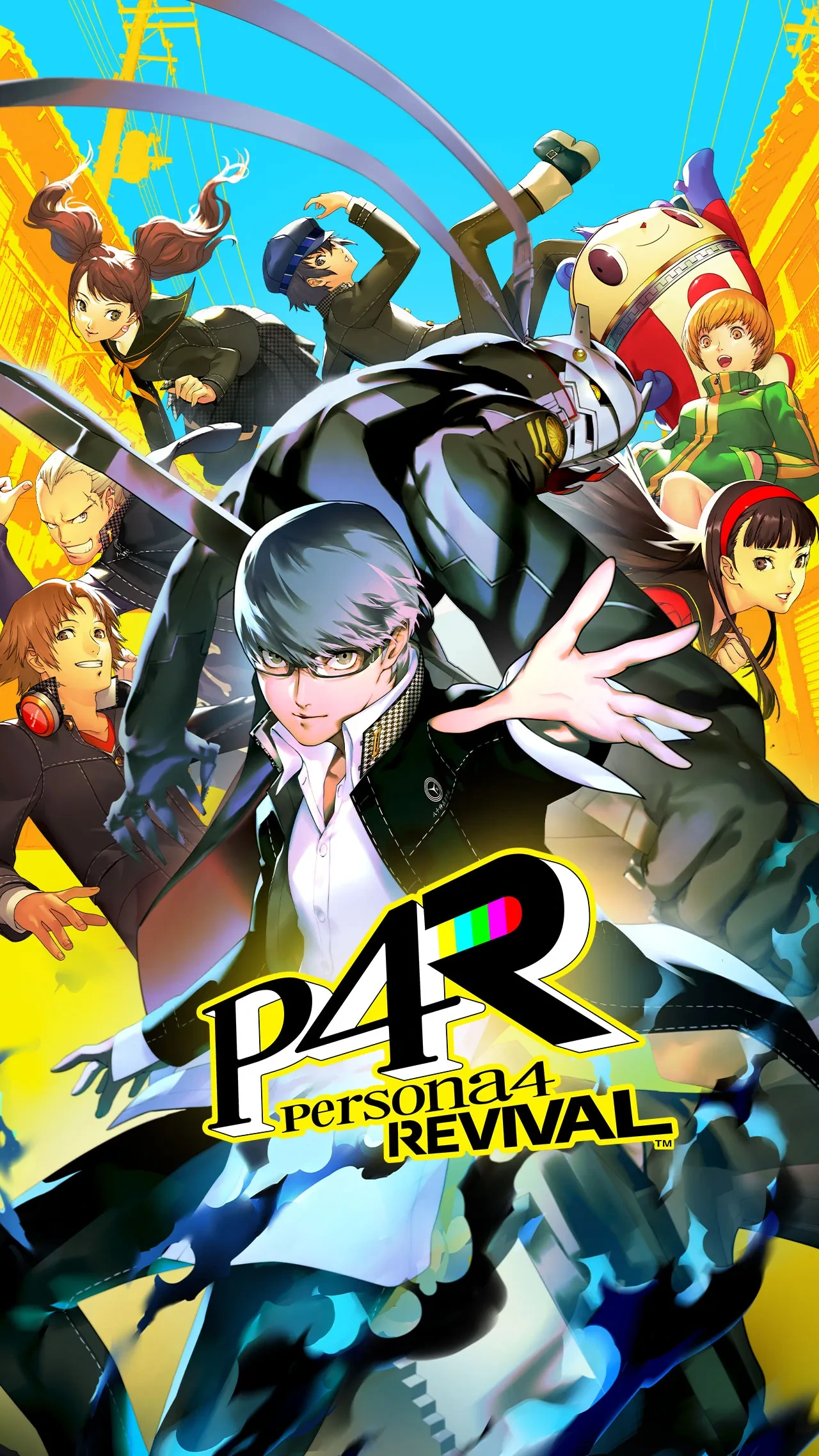
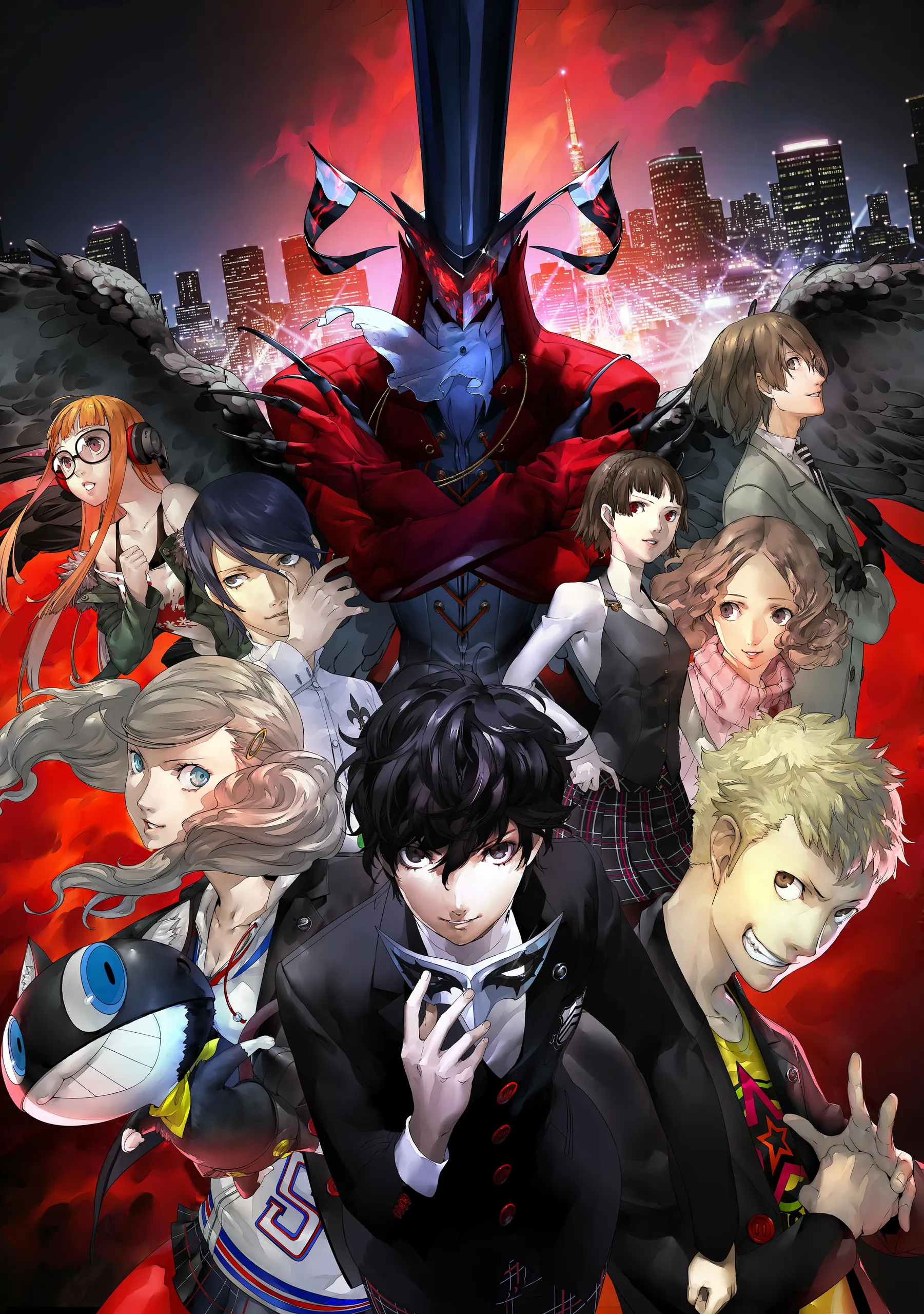
In Persona 3, students at Gekkoukan High School join Specialized Extracurricular Execution Squad (SEES) to fight Shadows during the Dark Hour, a hidden time period that occurs only once every 24 hours. Persona 4 follows a group of students traveling to the rural town of Inaba to solve a murder mystery linked to a television world while confronting their inner selves. The Phantom Thieves of Hearts operate in Tokyo in Persona 5, stealing the distorted desires of corrupt adults from cognitive palaces to force confessions and reform society.
The overarching mythology involves the collective unconscious manifesting two opposing entities: Philemon, represented by a blue butterfly symbolizing humanity's positive traits, and Nyarlathotep, representing destruction. While each main game features a self-contained story and cast, they share this deep lore. The first game saw teenagers accidentally summon demons through a parlor game, while the Persona 2 duology explored the theme of rumors becoming reality in a proxy war between the two deities.
Awards & Acclaim
D.I.C.E. Awards: Role-Playing Game of the Year: (2018)
New York Game Awards: Tin Pan Alley Award for Best Music in a Game: (2018)
Game Informer's 2017 Awards: Best Role-Playing Game: (2017)
Game Informer's 2017 Awards: Best Narrative: (2017)
Game Informer's 2017 Awards: Best Cast: (2017)
Game Informer Awards: Best Role-Playing Game: (2017)
Game Informer Awards: Best Narrative: (2017)
Game Informer Awards: Best Cast: (2017)
Keywords
Sources
Game Info
- Developer
- Atlus
- Publisher
- Atlus
- Release Date
- 1996-09-20
- Modes
- Single-player
- Platforms
- PlayStation, PlayStation 2, PlayStation Portable, PlayStation 3, PlayStation 4, PlayStation 5, Xbox One, Xbox Series X/S, Nintendo Switch, PC
- First Release
- September 20, 1996
- Total Sales
- Over 30 million (as of 2024)
- Best-Selling Title
- Persona 5 series (10 million units)
- Metacritic Score (Persona 5 Royal)
- 95
- Series Anniversary Event
- October 2026 Arcade Celebration
- Creative Team Change
- Shigenori Soejima took over character design from Kazuma Kaneko starting with Persona 3
Join the community
fans discussing