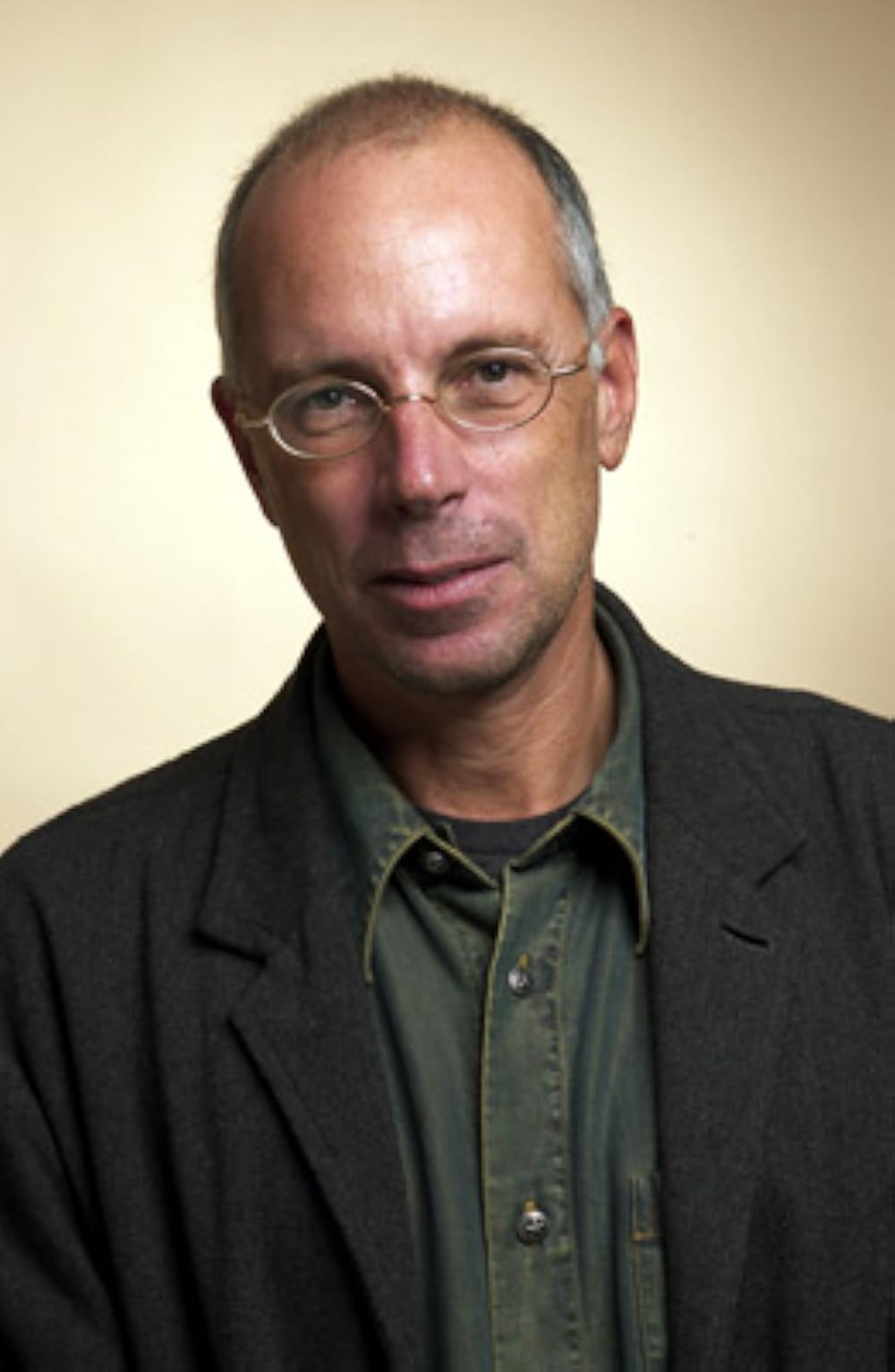
Gabriele Salvatores
 Italy
Italyfilm director•screenwriter•actor
Birthday
July 30, 1950
Birth Sign
Leo
Birthplace
Naples, Italy
Age
76 years old
About
Gabriele Salvatores is an Italian film director, screenwriter, and occasional actor, widely recognized for his Academy Award-winning film Mediterraneo. Born in Naples, he has built a career spanning over four decades, directing more than twenty films that range from vibrant comedies to introspective dramas and science fiction. His work often explores themes of identity, memory, and the human condition, earning him both critical acclaim and a dedicated following.
Salvatores first gained international attention in 1992 when Mediterraneo won the Oscar for Best Foreign Language Film. He continued to challenge himself with projects like Nirvana (1997), a cyberpunk cult classic, and I'm Not Scared (2003), a gripping drama set in southern Italy. As of 2026, he remains active, recently directing Napoli-New York (2024), based on a Federico Fellini treatment, and serving on the jury for the Venice-Set Reply AI Film Festival.
Early Life & Background
Gabriele Salvatores was born on July 30, 1950, in Naples, Italy. Growing up in the vibrant, chaotic post-war city, he developed an early fascination with storytelling. He moved to Milan in his late teens, where he immersed himself in the city's thriving theatrical scene. In 1972, at just 22, Salvatores founded a theater company, the Teatro dell'Elfo, which quickly became known for its innovative and politically charged productions. His work in theater honed his skills as a director and gave him a deep understanding of narrative structure and character.
Salvatores transitioned to film in the late 1970s, bringing his theatrical sensibility to the screen. His first feature, Sogno di una notte d'estate (1983), was a playful comedy that showcased his knack for capturing youthful energy. He followed this with Kamikazen - Ultima collina (1987), a satirical take on Italian society. These early works established him as a fresh voice in Italian cinema, but it was his 1989 film Marrakech Express that gained him wider recognition, telling the story of a group of friends on a road trip to Morocco. The film's blend of humor and melancholy hinted at the deeper themes he would later explore.
Career Growth
Salvatores's breakthrough came in 1991 with Mediterraneo, a film about a group of Italian soldiers stranded on a Greek island during World War II. The film's warm humanism and gentle humor resonated with audiences worldwide, and in 1992 it won the Academy Award for Best Foreign Language Film, catapulting Salvatores to international fame. He followed this success with a string of diverse projects, including the science fiction thriller Nirvana (1997), which has since become a cult favorite, and the coming-of-age drama I'm Not Scared (2003), based on the novel by Niccolò Ammaniti.
In the 2010s, Salvatores continued to work steadily, directing films like Happy Family (2010) and Tutto il mio folle amore (2019). He has also been involved in several high-profile projects in recent years. In 2021, it was announced that he would direct Casanova's Return, starring Toni Servillo. In 2023, he took on the ambitious task of adapting an unfilmed Federico Fellini treatment for Napoli-New York, a period immigration story that was released in 2024. As of 2026, Salvatores remains an active and respected figure in Italian cinema, recently serving on the jury for the Venice-Set Reply AI Film Festival.
Career Timeline
Public Image & Style
Salvatores is regarded as one of Italy's most versatile directors, able to move seamlessly between genres. His public persona is that of a thoughtful, intellectual filmmaker who values substance over spectacle. He is not a frequent presence on social media, but his Instagram account, @gabrielesalvatores, has amassed 17,000 followers, where he posts about his projects and cinematic inspirations. Fans appreciate his willingness to take risks, whether it's adapting a Fellini treatment or exploring science fiction. He is often compared to his contemporaries like Giuseppe Tornatore and Nanni Moretti, but his distinct voice sets him apart.
Fame & Fandom
Gabriele Salvatores commands a quiet but devoted following within the arthouse cinema circuit, where his reputation rests on critical acclaim rather than viral spectacle. Unlike pop icons who cultivate massive, named armies of supporters, Salvatores's audience consists of cinephiles and industry peers who revere his philosophical approach to storytelling. His primary digital footprint is a verified Instagram account with roughly 17,000 followers, where he shares behind-the-scenes glimpses and cinematic inspirations without the ritualized engagement seen in mainstream celebrity culture. There is no formal name for this fanbase, nor are there documented campaigns, birthday billboards, or fan-funded projects dedicated to him. The cultural mythology surrounding him remains anchored in his filmography, specifically the defining moment when *Mediterraneo* won the Academy Award for Best Foreign Language Film in 1992. This victory marked him as a global force from Naples, while later works like *I'm Not Scared* and his recent role adapting a Federico Fellini treatment have cemented his status as a guardian of Italian tradition. In mid-2026, his enduring influence was further recognized when he joined the jury for the Venice-Set Reply AI Film Festival. Despite this sustained respect, iFANN's Global Fame Engine has evaluated Gabriele Salvatores, but they do not currently hold a placement in the published rankings (Global Top 1,000 or a Top-100 scope list).
Interesting Facts and Legends
Salvatores approaches filmmaking with a distinct philosophical lens, often describing his movies as explorations of human nature through an explorer's perspective. He once stated, "I make films to understand myself and the world around me," reflecting his deep connection to literature and his admiration for Italo Calvino. A lesser-known chapter of his career involves his brief turn as an actor in two mid-1990s films: *La vera vita di Antonio H.* (1994) and *Il cielo è sempre più blu* (1995). The most widely retold story of his career is the 1992 Oscar win for *Mediterraneo*, a comedy-drama about an Italian regiment that quits fighting World War II. This victory remains the definitive event of his life, marking his transition from a respected local director to an internationally celebrated auteur. Another significant narrative involves his 2003 adaptation of *I'm Not Scared*, which garnered intense international acclaim for its atmospheric storytelling. While he also won the European Film Academy's Young Audience Award for *The Invisible Boy* in 2015, these achievements are viewed as professional milestones rather than legendary fan moments.
Notable Quotes
“I make films to understand myself and the world around me.”
“The cinema is a way to explore the unknown.”
“Every film is a journey into the human soul.”
Family & Personal Life
Details about Salvatores's family life are scarce, as he tends to keep his personal affairs private. He is known to have a son, but the name and details have not been publicly disclosed. In interviews, he has mentioned that his family has been supportive of his demanding career. He splits his time between Rome and Milan, where he has maintained a home for many years.
Notable Connections
Salvatores has collaborated with several notable figures in Italian cinema. He worked with actor Toni Servillo, who was cast in the upcoming Casanova's Return. His adaptation of Napoli-New York was based on an original treatment by Federico Fellini, a director he has long admired. He also served on the jury for the Venice-Set Reply AI Film Festival alongside American director Catherine Hardwicke and producer Jed Weintrob.
Relationships & Dating History
Gabriele Salvatores has kept his romantic life largely out of the public eye. There is no publicly documented information about his past relationships or current status. He has never been married, or at least no records indicate a marriage. He has one son, but the mother's identity has not been revealed. As of 2026, Salvatores's relationship status is unknown, as he has not shared details about his personal life in recent interviews.
Salary, Net Worth In 2026
$20 Million
iFANN Editorial Team estimate
As of 2026, iFANN's editorial analysis estimates Gabriele Salvatores's net worth at $20 Million. His wealth primarily stems from an extensive career as a film director, with earnings derived from box office receipts, television rights, and streaming deals. The Academy Award win for *Mediterraneo* significantly boosted his profile and earning potential early in his international rise. Additional income flows from his work as a screenwriter and occasional acting roles across more than twenty films. His body of work continues to be distributed globally, providing a steady stream of royalties. Salvatores is known to own property in Rome and Milan, though the specifics of these holdings remain private.
Awards Won (1)
Gabriele Salvatores's most prestigious award is the Academy Award for Best Foreign Language Film, which he won in 1992 for Mediterraneo. This recognition placed him among the most celebrated Italian directors of his generation. He has also received numerous nominations and awards from Italian and international film festivals, though the Oscar remains his crowning achievement.
1992 · Best Foreign Language Film
Mediterraneo
Known For
Mediterraneo
1991 · Director
Nirvana
1997 · Director
Io non ho paura
2003 · Director
Keywords
Sources
Quick Facts
- Profession
- film director, screenwriter, actor
- Born
- July 30, 1950
- Birthplace
- Naples, Italy
- Gender
- Male
- Birth Sign
- Leo
Filmography
24
Total
22
Film
2
TV
Frequently Asked Questions
Who is Gabriele Salvatores?
What is Gabriele Salvatores's net worth in 2026?
What awards has Gabriele Salvatores won?
When was Gabriele Salvatores born?
What are some of Gabriele Salvatores's notable films?
Social Media
Join the community
fans discussing