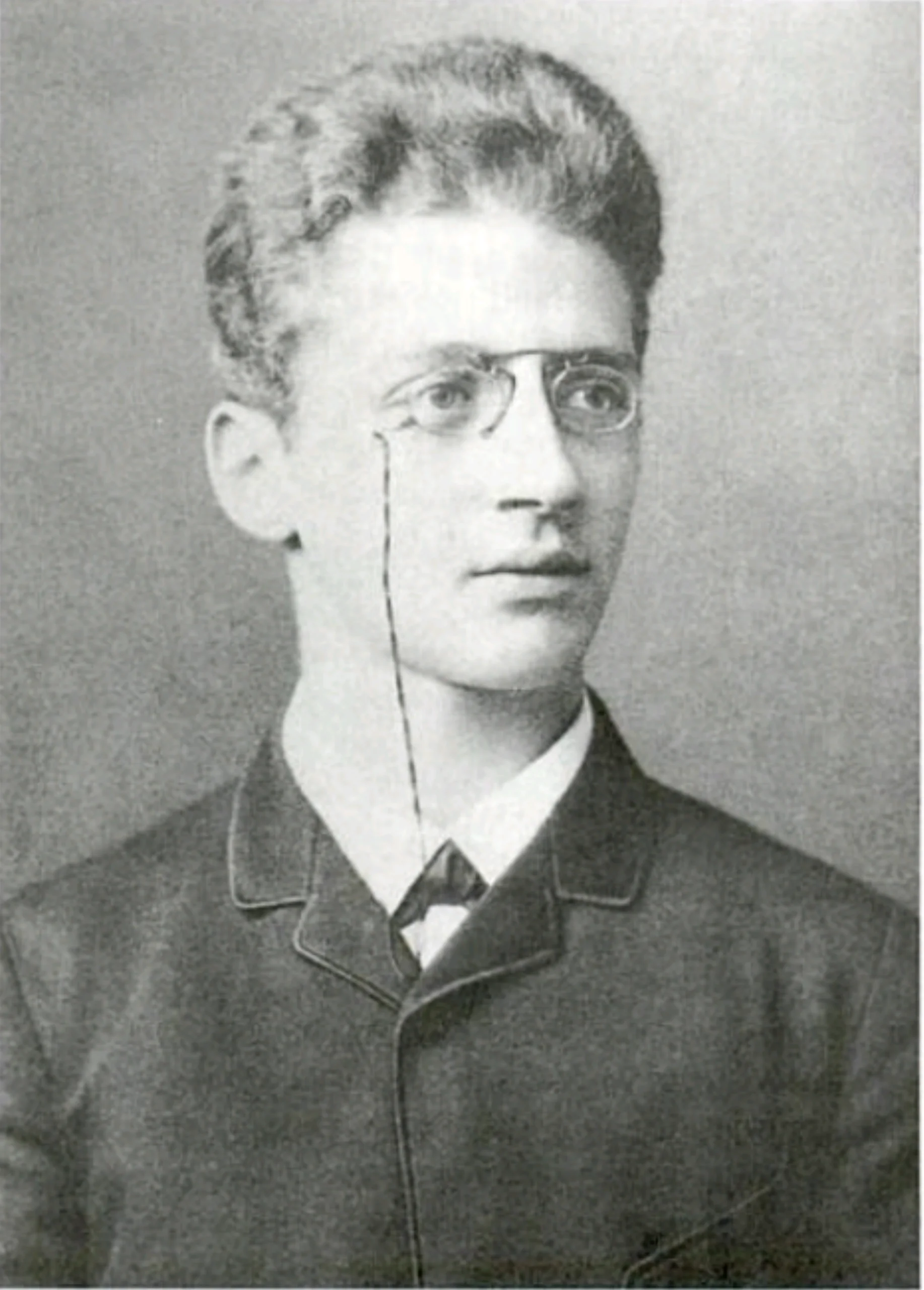
Fritz Haber
Awards & Honours
1
Awards Won
1
Honours
1
Records
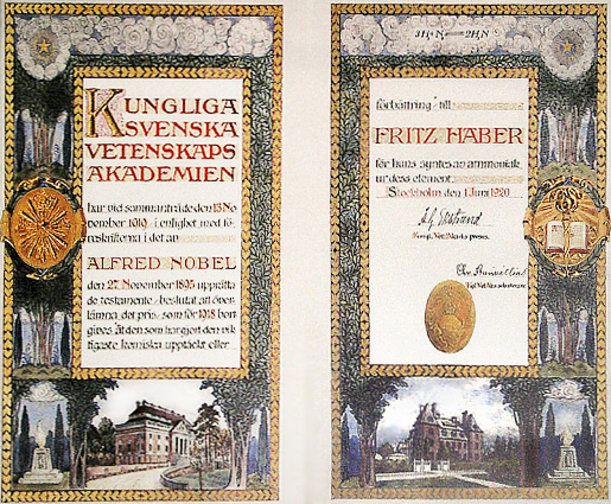
Fritz Haber's 1918 Nobel Prize in Chemistry recognized a discovery that fundamentally changed the world. The Haber process, developed in 1909, enabled the mass production of nitrogen fertilizers, which today sustain roughly a third to half of global food production. This achievement alone would place him among the most consequential scientists in history. His work with Max Born on the Born–Haber cycle also provided a foundational tool for understanding ionic solids, used in chemistry and materials science to this day.Haber's career was marked by extraordinary scientific productivity, but also by moral complexity. His pioneering of chemical warfare during World War I remains a dark chapter. Yet his scientific legacy persists, with the Fritz Haber Institute of the Max Planck Society continuing research in his name. His story serves as a powerful reminder of the dual-edged nature of scientific progress.
Awards
Honours & Distinctions
Foreign member of the US National Academy of Sciences
Elected as a foreign member in recognition of his contributions to chemistry.
Records & Feats
Developed the Haber process, enabling synthesis of ammonia from atmospheric nitrogen
The first practical method to fix atmospheric nitrogen industrially, leading to mass production of fertilizers and explosives.