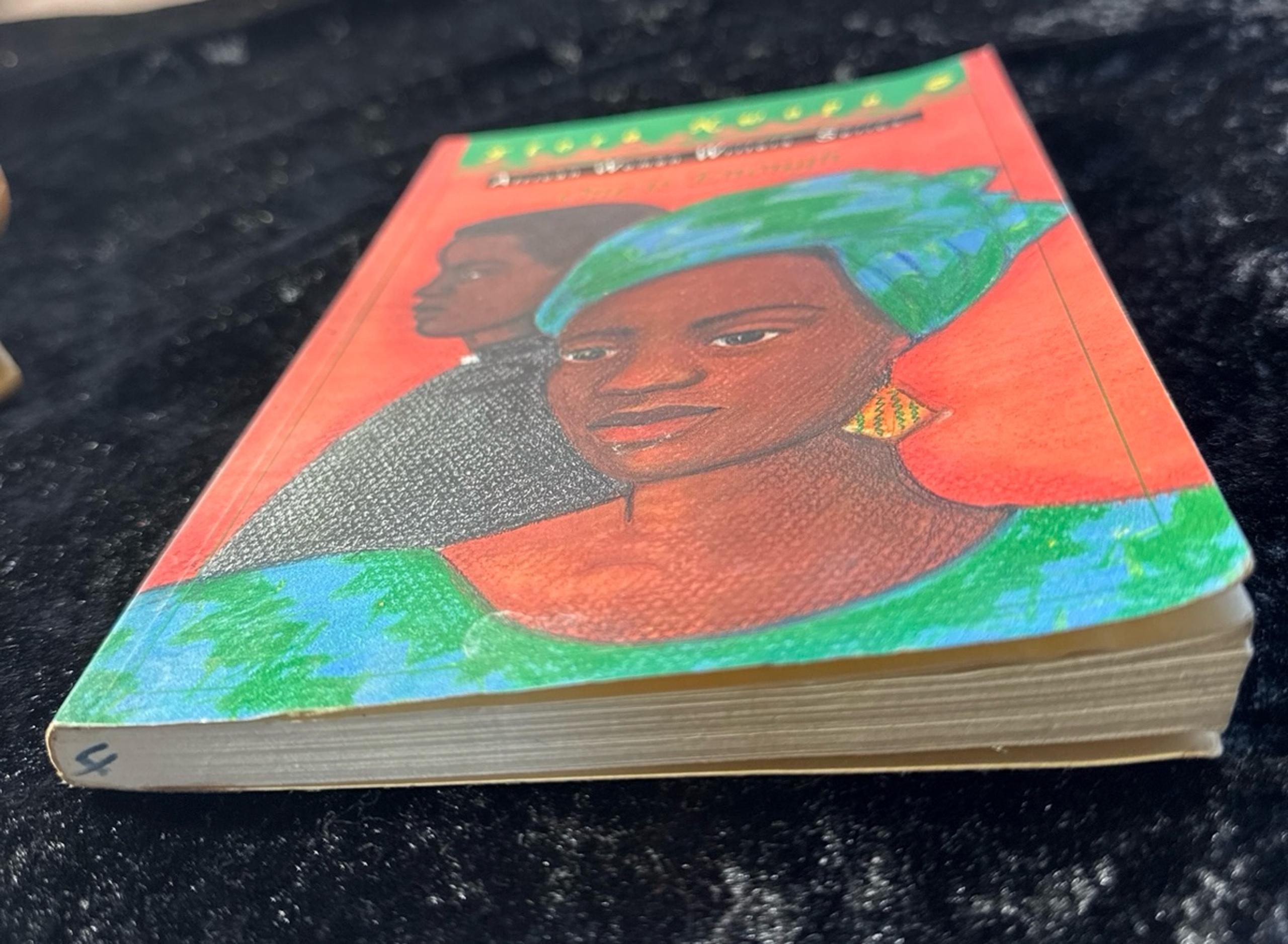
Flora Nwapa
 Nigeria
novelist•children's writer•publisher
Also known as: Chief Florence Nwanzuruahu Nkiru Nwapa, Mother of Modern African Literature, Flora Nwapa Nwakuche
Birthday
January 13, 1931
Birth Sign
Capricorn
Birthplace
Oguta, Imo State, Nigeria
Age
Died at 62
About
Chief Florence Nwanzuruahu Nkiru Nwapa (1931–1993) was a Nigerian novelist, children's writer, and publisher widely celebrated as the mother of modern African literature. She is best known for Efuru, her 1966 debut, which made her the first African woman to publish a novel in English in Britain. Beyond her writing, she founded Tana Press in 1970, becoming the first African woman to own and operate a publishing house. Her career also included significant government service managing refugee relief after the Biafran War.
Nwapa's work focused on portraying the lives of Igbo women navigating societal expectations, marriage, and motherhood without adopting Western feminist labels while embodying female autonomy. She held the traditional title of Ogbuefi, a rank usually reserved for men, reflecting her high status in her community. Her contributions to literature and publishing continue to inspire writers across Africa and the diaspora. In academic and literary circles, she is consistently ranked as the top female African writer of the 20th century, and her works remain staples in university curricula globally.
Early Life & Background
Florence Nwanzuruahu Nkiru Nwapa was born on January 13, 1931, in Oguta, located in what is now Imo State, Nigeria. She grew up in a traditional Igbo family where education and cultural heritage were highly valued. Her father, Chief Joseph Okoro Nwapa, was a wealthy trader and prominent community leader, and her mother was Mary Nwapa. Her father's status as a "Big Man" in the community provided her with early exposure to leadership and commerce. This environment fostered her ambition and intellectual curiosity from a young age.
Nwapa pursued her early education at the Church Missionary Society Girls' School in Umuahia and later attended the Queen's College in Lagos, where she excelled academically. She became one of the first women to graduate from the University of Ibadan before traveling to the United Kingdom to further her studies. There, she earned a diploma in Library Science from the University of London and a master's degree in African Literature from the University of Edinburgh. Before achieving fame as a novelist, she worked as a teacher and a librarian during the 1960s, experiences that deeply influenced her understanding of society and storytelling. These formative years and professional roles laid the groundwork for her groundbreaking literary career.
Career Growth
Flora Nwapa's career breakthrough occurred in 1966 when Heinemann Educational Books published her debut novel, Efuru. This work was groundbreaking for its portrayal of an independent Igbo woman navigating societal expectations without adopting a Western feminist label. Following this success, she published several other novels including This Is Lagos (1971), One Is Enough (1982), and Idu (1970). Her writing often explored themes of resilience, survival, and the complexities of women's lives in Nigeria.
A pivotal moment in her career came in 1970 when she founded Tana Press, Nigeria's first publishing house owned and operated by a woman. She established the press after facing rejection from major publishers who were reluctant to print works by African women or those focusing on women's perspectives. Tana Press became a vehicle for her own works and those of other Nigerian writers. During the post-war period, she served in the Nigerian government within the Ministry of Information, where she managed refugee relief efforts and helped orphaned children return to their families. Her literary output also included children's books such as Never Again (1975) and Wives at War (1980).
Career Timeline
Public Image & Style
Flora Nwapa is portrayed as a dignified, resilient, and pioneering figure. Media coverage emphasizes her role as a 'mother' of African literature, focusing on her intellectual contributions and her fight against gender barriers. Her image is one of quiet strength and unwavering commitment to her craft and community. She is often depicted as a woman who defied traditional gender roles not through confrontation but through the sheer force of her talent and entrepreneurial spirit. Her status as a chief in her community further reinforced her authority and respect in both literary and social spheres.
Specific details regarding her height or physical appearance are not widely recorded in biographical sources. She is described in photographs as a dignified woman of average stature, consistent with the era and region. There are no records of Flora Nwapa appearing on major commercial magazine covers such as TIME, Vogue, or Rolling Stone. Her fame was cultivated through academic journals, literary reviews, and educational publications rather than mass-market celebrity magazines.
Fame & Fandom
Flora Nwapa stands as a monumental figure in literary history, yet the iFANN Global Fame Engine has evaluated her current standing and found she does not hold a placement in the published rankings, including the Global Top 1,000 or any Top-100 scope list. This absence of a numeric rank reflects her status as a foundational academic icon rather than a subject of contemporary mass-market celebrity metrics. While she commands immense reverence within African studies and feminist circles, her fame operates through institutional endurance rather than viral trending or commercial chart performance. She does not appear on commercial "Greatest of All Time" lists like Rolling Stone or Billboard, which focus on pop culture and music, but she is frequently listed among the top 10 most influential African authors of all time by academic bodies.
The audience that sustains her legacy is a distinct collective of scholars, literary critics, students, and activists dedicated to African literature. Unlike modern pop culture phenomena that generate organized fan clubs with specific names, this community lacks a formalized fandom title. Instead, she has a dedicated community often referred to collectively as "Nwapa scholars," "African literature enthusiasts," or "students of African feminism," with the "Flora Nwapa Literary Society" serving as the primary organized body that hosts awards and discussions. Their devotion manifests in rigorous academic study, curriculum inclusion, and critical analysis rather than grassroots rituals, birthday billboards, or social media campaigns. There are no records of fans organizing charity drives in her name or engaging in streaming pushes, as her work remains a staple of serious literary discourse instead of mass entertainment consumption. There is a tradition of reading her works during Black History Month and Women's History Month, and her name and works are actively discussed on platforms like Twitter (X), Instagram, and Facebook by literary groups, universities, and fans of African literature. Her influence is carried forward by those who study her pioneering role in breaking gender barriers within the publishing industry, ensuring her voice continues to shape narratives for generations of writers.
Interesting Facts and Legends
Chief Florence Nwanzuruahu Nkiru Nwapa held the rare title of Ogbuefi in her community, a distinction traditionally reserved for men. She established Tana Press after facing rejection from major publishers, self-publishing her debut novel Efuru in 1966 to ensure her voice was heard. This act of independence became a central pillar of her cultural mythology, often cited to highlight her resilience against a male-dominated industry. A widely retold story among scholars focuses on how Efuru became the first book published in English by a woman from Africa, cementing her reputation as the Mother of Modern African Literature. The character Efuru, an independent woman who chooses not to marry despite societal pressure, became an iconic figure of resistance. Beyond writing, she played a crucial role in humanitarian efforts during the Biafran War, helping to organize relief for refugees and orphans. A 2026 documentary or feature article titled "Flora Nwapa: Mother of modern African literature" was featured in The Guardian Nigeria, reaffirming her status in contemporary discourse.
Notable Quotes
“I write because I have something to say, and I want to say it in my own way.”
“The African woman must be free to express herself.”
Family & Personal Life
Flora Nwapa was married to Chief Joseph Nwapa, a businessman and politician. The couple had several children, including a daughter named Ejine Olga Nzeribe, who later wrote a memoir about her mother titled This Book Must Be Written. Her personal life was characterized by a strong commitment to her family and her professional duties, often balancing the roles of mother, wife, author, and publisher. Her husband predeceased her, and she outlived him. Her daughter has been instrumental in preserving and promoting her mother's legacy through writing and archival efforts.
Notable Connections
Relationships & Dating History
Flora Nwapa was married to Chief Joseph Nwapa, a businessman and politician. While specific details regarding the start and end dates of her romantic relationships are not extensively documented in public biographies due to the private nature of her life in the mid-20th century, her marriage to Joseph Nwapa was a long-term partnership that lasted until his death. There are no public records of divorces, engagements to others, or high-profile flings. As of her passing, she was widowed. Her personal life was characterized by a strong commitment to her family and her professional duties, often balancing the roles of mother, wife, author, and publisher.
- MarriedChief Joseph Nwapa1950 - presentLongstanding partnership; he predeceased her. They had children together including Ejine Olga Nzeribe.
Death & Aftermath
Died
October 16, 1993 (aged 62)
Death Place
Enugu, Nigeria
Cause of Death
Unknown
Chief Florence Nwanzuruahu Nkiru Nwapa passed away on October 16, 1993, in Enugu, Nigeria, at the age of 62. The specific medical cause of her death was never officially released to the public, and no autopsy or coroner's report is available in the public domain. Accounts from the time suggest she died after a period of illness, but the exact nature of her final days remains undocumented. Her passing marked the end of a life that had fundamentally reshaped African storytelling from an Igbo woman's perspective.
The literary community and scholars worldwide mourned her loss, recognizing the void left by the first African woman novelist to publish in English in Britain. Tributes highlighted her dual legacy as a pioneering author and a humanitarian who managed refugee relief efforts during the post-Biafran War era. While specific details of the funeral service are not widely recorded in general sources, she was laid to rest with honors befitting her status as a chief and a literary icon.
Her legacy has grown significantly since her death. In 2017, Google honored her with a Doodle on her 86th birthday, bringing global recognition to her work. The Flora Nwapa Literary Society Award was established in her honor and continues to recognize new voices in African literature, with Zimbabwean author Petina Gappah receiving the prize in June 2026. Additionally, Umuada Productions secured exclusive multimedia adaptation rights to her short story collection Wives at War in July 2025, signaling a resurgence of interest in visual adaptations of her narratives. Her estate and literary rights continue to be managed by her family, particularly her daughter Ejine Olga Nzeribe, ensuring her texts remain accessible to future generations.
Net Worth (Estate Value)
$2 Million
iFANN Editorial Team estimate
As Flora Nwapa passed away in 1993, there is no active net worth calculation for her personally. Her estate value is estimated based on the royalties and rights management of her works. Research by the iFANN Editorial Team puts her estate's value at around $2 million. Her works continue to generate revenue through textbook sales, academic licensing, and reprints. Royalties from Efuru, Idu, One Is Enough, and other titles contribute significantly to the estate's income. Licensing deals for adaptations, such as Umuada Productions securing rights to Wives at War in July 2025, add to the ongoing financial activity. The estate and literary rights are managed by her family, particularly her daughter, Ejine Olga Nzeribe. Any figures suggesting a multi-million dollar net worth are speculative projections of cumulative royalties over decades, not liquid assets held by the individual.
Awards Won (2)
While Flora Nwapa did not win modern international awards like the Booker Prize or Nobel Prize during her lifetime, her posthumous recognition is profound. She was honored with a Google Doodle on her 86th birthday in 2017. The Flora Nwapa Literary Society Award was established in her honor and continues to celebrate new voices in African literature, with recent winners including Petina Gappah in 2026. She holds the title of Ogbuefi, a chieftaincy rank traditionally reserved for men, signifying her high status and respect.
2017 · Recognition
N/A
2026 · Lifetime Achievement
Posthumous Honor
Known For
Efuru
1966 · Author
This Is Lagos
1971 · Author
One Is Enough
1982 · Author
Tana Press
1970 · Founder
Keywords
Sources
Quick Facts
- Profession
- novelist, children's writer, writer
- Born
- January 13, 1931
- Birthplace
- Oguta
- Died
- October 16, 1993
- Death Place
- Enugu
- Gender
- Female
- Birth Sign
- Capricorn
Personal Details
- Full Name
- Chief Florence Nwanzuruahu Nkiru Nwapa
- Spouse
- Chief Joseph Nwapa
- Children
- Ejine Olga Nzeribe and others
- Education
- University of Ibadan; University of London; University of Edinburgh
Frequently Asked Questions
Who was Flora Nwapa?
What was Flora Nwapa's first book?
Did Flora Nwapa found a publishing company?
How did Flora Nwapa die?
Is there a Flora Nwapa award?
Similar People
Join the community
fans discussing