
Fayza Ahmed
 Egypt
EgyptAlso known as: Nightingale of the East, فايزة أحمد
Birthday
December 5, 1934
Birth Sign
Sagittarius
Birthplace
Sidon, Lebanon
Age
Died at 48
About
Fayza Ahmed was a Syrian-Lebanese singer and actress, celebrated across the Arab world as the “Nightingale of the East.” Born in Sidon, Lebanon, she built a career spanning over two decades, releasing dozens of beloved songs and appearing in six films. Her warm, expressive voice and magnetic presence made her a household name in Egypt, Lebanon, and Syria.
Ahmed’s music remains widely streamed today, with classics like “Sett El Habayeb” accumulating tens of millions of plays on digital platforms. She is remembered as a pioneer who blended traditional Arabic melodies with modern arrangements, influencing generations of singers. Her legacy endures through posthumous tributes and a dedicated fan base that keeps her songs alive.
Early Life & Background
Fayza Ahmed was born into a family with deep Levantine roots. She spent her early years in Sidon, a coastal city in southern Lebanon, where she was exposed to a rich mix of Arab musical traditions. Her talent for singing emerged early, and she performed at local gatherings before deciding to pursue music professionally.
In the late 1950s, Ahmed moved to Cairo, Egypt, the cultural heart of the Arab world, to seek broader opportunities. There, she studied with established musicians and began performing in cabarets and radio programs. Her big break came when she caught the attention of composer Mohamed Sultan, who became her mentor and later her husband. Sultan recognized her unique voice and began writing songs tailored to her strengths.
By the early 1960s, Ahmed had released her first major hits, including “Sett El Habayeb,” which quickly became an anthem across the region. Her move to Egypt proved pivotal, opening doors to film roles and collaborations with top composers of the era.
Career Growth
Fayza Ahmed’s career took off in the early 1960s with a string of successful recordings. Her breakthrough single, “Sett El Habayeb,” released in 1962, remains one of her signature songs, still played at weddings and cultural events today. She followed with hits like “Ana Alby Eleik Mayal” and “Zekrayat,” each showcasing her ability to convey deep emotion through melody.
Between 1963 and 1975, Ahmed starred in six films, often playing roles that highlighted her singing. Notable titles include The Nightingale (1964) and My Heart Is Yours (1968), which paired her with leading actors of the time. Her film career cemented her status as a versatile entertainer.
In the 1970s, she continued to release albums and perform extensively across the Arab world, including concerts in Lebanon, Syria, and Egypt. Her music evolved with the times, incorporating orchestral arrangements while staying rooted in traditional forms. Ahmed remained active until her death in 1983, leaving behind a catalog of over 200 songs.
Posthumously, her work has found new life on streaming services. “Sett El Habayeb” alone has amassed over 34 million plays on YouTube Music, introducing her voice to younger audiences.
Career Timeline
Public Image & Style
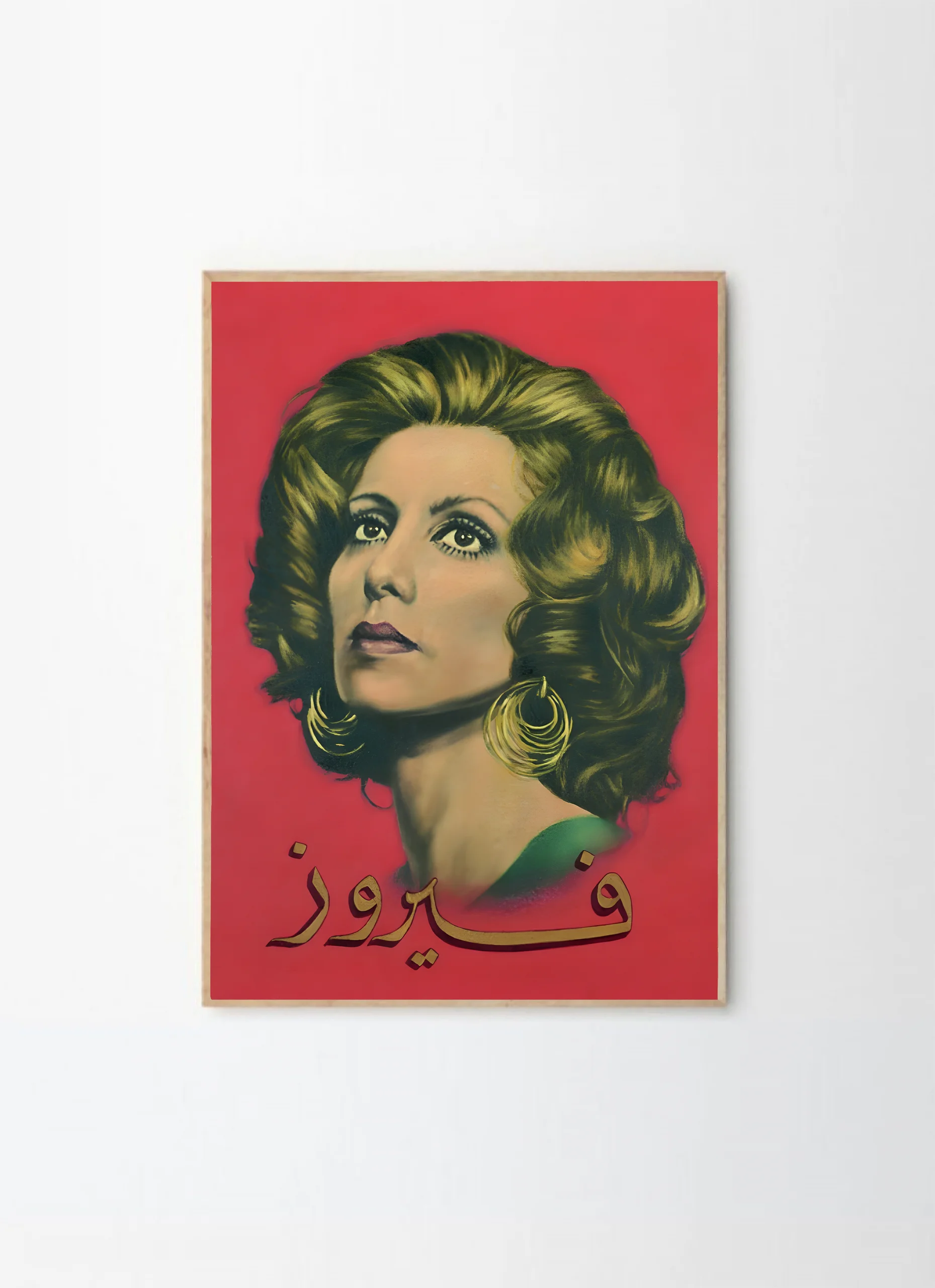
Fayza Ahmed was revered for her graceful elegance and emotional depth. Her signature style blended traditional Arab attire with modern touches, and her performances were marked by a commanding yet warm stage presence.
Media and fans alike celebrated her as a symbol of Arab femininity and artistic excellence. Her nickname, “Nightingale of the East,” captured the sweetness of her voice and her enduring appeal. Today, her official Instagram account (@fozaahmmed) has over 147,000 followers, and fan pages across social media keep her memory alive.
Her music continues to be a touchstone for Arab pop culture, covered by contemporary artists and featured in nostalgic playlists.
Fame & Fandom
Fayza Ahmed, the celebrated “Nightingale of the East,” has been evaluated by iFANN's Global Fame Engine, but she does not currently hold a placement in the published rankings, either in the Global Top 1,000 or any Top-100 scope list. Her enduring popularity, however, is evident in the continued streaming of her catalog and the periodic media tributes that mark her legacy. Despite the lack of a formal ranking, her music remains a staple across the Arab world, with “Sett El Habayeb” alone amassing over 34 million plays on YouTube Music.
Ahmed's fanbase, while devoted, has never coalesced into a formally named fandom. There is no documented evidence of a structured fan club, official fan-given name, or organized campaigns such as streaming pushes or tribute projects. This absence is largely a reflection of her era, active from the 1950s to the early 1980s, before the advent of social media, and her passing in 1983, which preceded the digital age. Nevertheless, her audience remains diffuse yet loyal, with 67.8K monthly listeners on Spotify and a steady presence on Apple Music, suggesting an intergenerational appreciation rather than mobilized fan activity.
What substitutes for organized fandom is cultural commemoration. Media outlets periodically honor her, as seen in Ahram Online's December 2024 tribute for her 90th birthday, which reinforced her legendary status. These institutional remembrances, coupled with the continued use of her songs in weddings and celebrations, ensure her memory endures as a unifying figure across Syria, Lebanon, and Egypt.
Interesting Facts and Legends
Fayza Ahmed was one of the first female Arab artists to successfully balance a singing career with film acting, often performing her own songs in movies. Her song “Sett El Habayeb” is a staple at Arab weddings, and its title translates to “Lady of Lovers.” Despite her fame, Ahmed kept her personal life private, rarely giving interviews about her family. She was known for her elegant stage presence, often wearing flowing gowns with traditional embroidery. Ahmed’s music was featured in the soundtrack of the 2016 film Halal Love, introducing her to a new generation.
One of the most enduring legends surrounding Ahmed involves her partnership with composer Baligh Hamdi, who wrote many of her most famous songs. Their professional and personal relationship was deeply intertwined, and when it ended, it marked a turning point in her career. While the precise details of their falling out are recounted more as oral tradition than documented fact, the story remains a central part of her lore. Another iconic element is her signature song “Sett El Habayeb,” which has transcended her biography to become a cultural standard, frequently played at celebrations across the Arab world. Her mixed heritage, Syrian father, Lebanese mother, Egyptian career, has made her a point of pride for multiple nations, each claiming her as their own.
Family & Personal Life
Fayza Ahmed married composer Mohamed Sultan in the early 1960s. Sultan, already a respected figure in Egyptian music, became her primary collaborator, writing many of her biggest hits. Their partnership extended beyond the personal, shaping the sound of her career.
The couple had no publicly documented children. Ahmed’s family life remained largely out of the spotlight, though she was known to be close to her siblings in Lebanon. She maintained homes in both Cairo and Beirut, balancing her professional life in Egypt with visits to her homeland.
Notable Connections
Fayza Ahmed’s career was deeply intertwined with her husband, composer Mohamed Sultan, who wrote many of her most famous songs. She also collaborated with lyricists like Morsi Jamil Aziz and composers such as Baligh Hamdi. In later tributes, her orchestra has been led by conductors like Nicole Raviv, keeping her music alive in concert.
Relationships & Dating History
Fayza Ahmed married Mohamed Sultan, a prominent Egyptian composer, in the early 1960s. Sultan was instrumental in shaping her career, composing many of her hits, and their partnership was both personal and professional. They remained married until her death in 1983.
There are no public records of other significant relationships. Ahmed’s private life was kept largely out of the press, and she focused on her art. At the time of her death, she was still married to Sultan.
- MarriedMohamed Sultan1960 - 1983Composer and primary collaborator; remained married until Ahmed's death.
Death & Aftermath
Died
September 24, 1983 (aged 48)
Death Place
Unknown
Cause of Death
Unknown
Net Worth (Estate Value)
$5 Million
iFANN Editorial Team estimate
Fayza Ahmed passed away in 1983, so her current net worth is tied to her estate. Exact figures are not public, but iFANN currently estimates her estate to be worth around $5 million, based on ongoing digital plays and licensing deals. Her music catalog continues to generate revenue through streaming royalties, licensing for films and commercials, and archival releases. Streaming platforms report significant engagement: “Sett El Habayeb” has over 34 million plays on YouTube Music, and her Spotify artist page shows steady listenership. These royalties, combined with income from film rights and occasional tribute concerts, provide a stable income stream for her heirs. The estate is believed to be managed by her family, though specific details are not disclosed. Her legacy ensures that the catalog remains valuable, and her songs are frequently licensed for use in television and film soundtracks across the Arab world.
Awards & Accolades
View 2 records, honours and achievementsKnown For
Sett El Habayeb
1962 · Singer
The Nightingale
1964 · Actress
Zekrayat
1968 · Singer
My Heart Is Yours
1975 · Actress
Keywords
Sources
Quick Facts
- Profession
- singer, actor, film actor
- Born
- December 5, 1934
- Birthplace
- Sidon, Lebanon
- Died
- September 24, 1983
- Death Place
- Cairo, Egypt
- Gender
- Female
- Spouse
- Mohamed Sultan
- Birth Sign
- Sagittarius
- Net Worth
- $5 Million
Personal Details
- Full Name
- Fayza Ahmed
- Spouse
- Mohamed Sultan
Filmography
6
Total
6
Film
0
TV
Frequently Asked Questions
Who was Fayza Ahmed?
When did Fayza Ahmed die?
Was Fayza Ahmed married?
What are Fayza Ahmed's most famous songs?
Does Fayza Ahmed have any children?
Social Media
Similar People
Join the community
fans discussing