 Lebanon
About
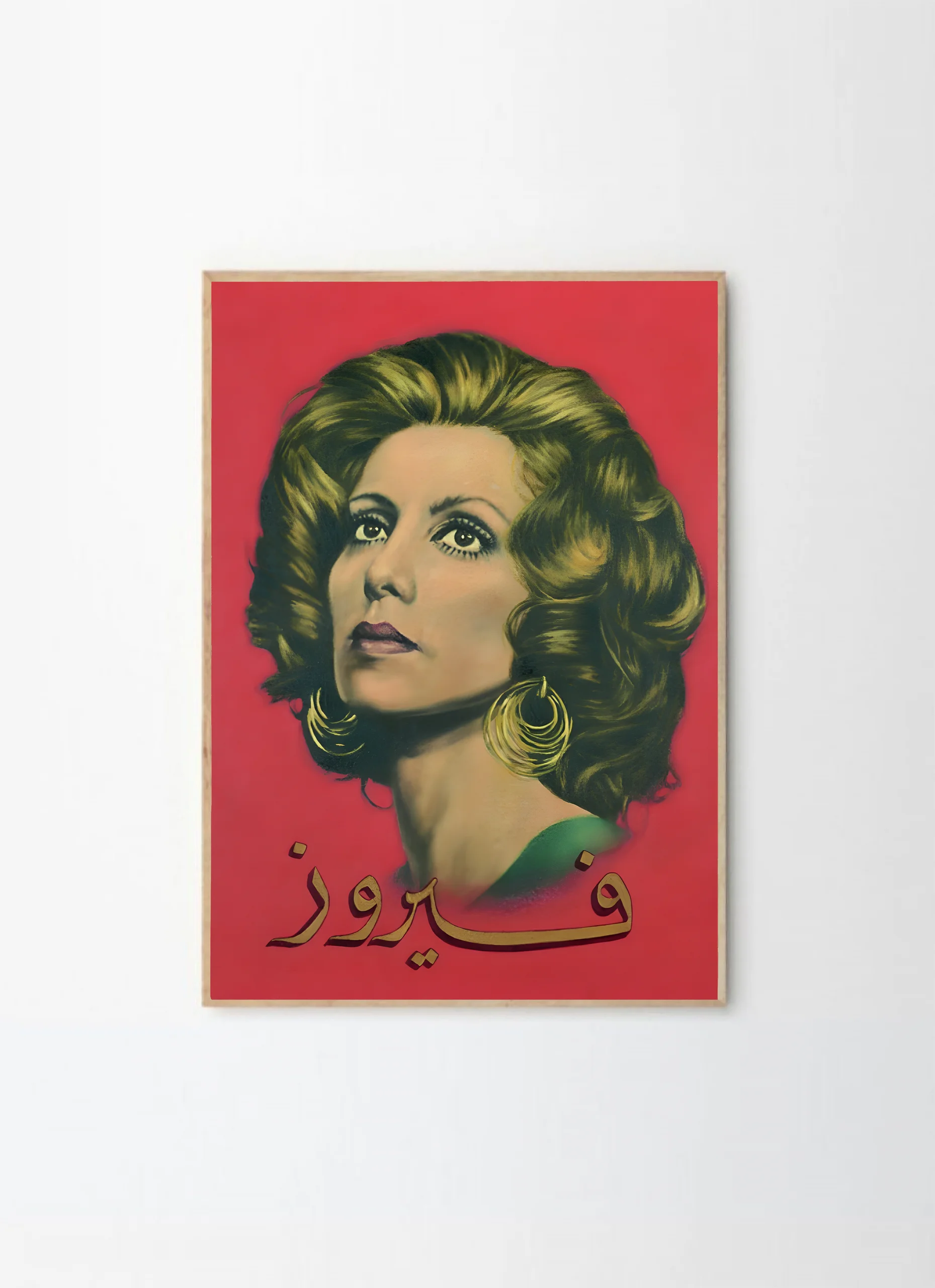
Nouhad Wadie Haddad, known professionally as Fairuz, is a Lebanese singer and actress who has become the defining voice of modern Arab music. Born in the Zuqaq al-Blat neighborhood of Beirut in 1935, she rose from a church choir member to a global icon whose career spans over seven decades. Her unique vocal style and emotional depth have earned her titles such as "The Bird of the East" and "The Cedar of Lebanon," reflecting her status as a cultural pillar for millions across the Middle East.
Fairuz's artistry is inseparable from her partnership with the Rahbani brothers, Assi and Mansour, who shaped her repertoire and theatrical productions. Together they created a new genre of Arabic musical theater that blended traditional Maqam scales with Western orchestration. With over 150 million records sold worldwide and a catalog exceeding 1,500 songs, she remains one of the best-selling artists in history. Her influence extends beyond music into cinema and national identity, making her a living symbol of Lebanon itself.
Early Life & Background
Nouhad Wadie Haddad entered the world on November 21, 1935, in the bustling Zuqaq al-Blat district of Beirut. She grew up in a devout Maronite Christian household where her father, Wadie Haddad, worked as a carpenter and served as a singer in their local church. This environment provided her first exposure to music, as she often joined the church choir alongside her siblings. As the eldest of five children, she shouldered responsibilities early, working as a seamstress and housemaid to help support her family while nurturing her passion for singing.
Her formal education ended after primary school, but her real training happened in the streets and churches of Beirut. In the late 1940s, at just fourteen years old, she made her first professional step by joining the chorus of the Lebanese National Radio (Radio Liban). This position introduced her to the country's leading musicians and composers, allowing her to refine her craft in a professional setting. It was during this time that she met Assi and Mansour Rahbani, young actors and composers who would soon change the trajectory of her life forever.
The breakthrough moment arrived in 1952 when the Rahbani brothers invited her to join their theater troupe. They recognized her distinct vocal timbre and saw potential in her ability to convey deep emotion. Shortly after, she released her debut solo single "Itab" (Regret), which became an instant hit across the Arab world. This success transformed her from a radio chorus member into a national star almost overnight, setting the stage for a legendary career that would define an era of Arab culture.
Career Growth
Following her 1952 breakthrough with "Itab," Fairuz embarked on a creative partnership with the Rahbani brothers that would last for over forty years. Their collaboration produced a revolution in Arabic musical theater, blending traditional sounds with modern storytelling. Key milestones include her 1957 performance at the prestigious Baalbeck International Festival, where she received the Order of Cedar (Cavalier rank) from President Camille Chamoun, Lebanon's highest artistic honor.
Throughout the 1960s and 1970s, she starred in landmark operas like Al Ard (The Land) and Rihla ila Lubnan (Journey to Lebanon), which redefined stage arts in the region. The release of "Bahebak Ya Lebnan" (I Love You, O Lebanon) in 1975 became an unofficial anthem during the Lebanese Civil War, uniting crowds in times of strife. By the 1980s and 1990s, she continued to dominate with albums like Sahar and Ahl Al-Gharam, performing sold-out concerts in Cairo, Damascus, Algiers, and London's Royal Albert Hall.
In the 2000s and beyond, Fairuz maintained her relevance through digital releases and global collaborations. Her catalog now exceeds 1,500 songs and 80 albums, with sales surpassing 150 million records worldwide. Even after retiring from touring in 2018, her estate continues to manage her vast intellectual property, ensuring her legacy endures for future generations.
Career Timeline
Public Image & Style
Fairuz is portrayed as the "Mother of the Nation" and the "Voice of Lebanon." Her media presence is characterized by reverence and respect, with her tone in interviews described as humble and poetic. She avoids controversy and maintains an image of dignity and resilience. Her signature look includes elegant, modest attire, often wearing traditional Lebanese dresses or simple, sophisticated gowns. Her dark hair is typically worn in a bun or loose waves, accompanied by minimal jewelry.
Her public persona transcends typical celebrity worship, evolving into a generational ritual where her voice anchors the daily lives of millions. She is seen as a symbol of cultural continuity and national identity. Even in recent years, her influence has rippled outward through unexpected channels, bridging generations and genres without losing her core essence of quiet strength.
Fame & Fandom
Fairuz commands a following that transcends typical celebrity worship, evolving into a generational ritual where her voice anchors the daily lives of millions across the Arab world. Her audience does not organize under a formal banner or digital subculture; instead, they sustain a devotional relationship with her art, treating her songs as sonic touchstones for national identity and resilience. This unique bond was forged through decades of shared history, most notably when her anthem "Bahebak Ya Lebnan" became a beacon of unity during times of strife, drawing crowds to gather in the streets for moments of collective solace.
Even in recent years, the sheer scale of this devotion remains evident, with listenership numbers reaching over 2.2 million monthly on streaming platforms alone, proving that her legacy is kept alive by continuous cultural reverence rather than fleeting trends. These moments underscore a status that iFANN Global Fame Rankings has quantified with precision. Fairuz is currently the 6th most famous person from Lebanon, holding steady from the previous cycle. Within her specific musical domain, she ranks as the 30th most famous person in Classical, maintaining her position with unwavering consistency.
Interesting Facts and Legends
Her stage name "Fairuz" means "Turquoise" in Arabic, chosen by the Rahbani brothers to reflect the color of the Mediterranean Sea near her hometown. Despite her immense international fame, she did not speak English fluently in her early years, relying on translators for interviews. The song "Bahebak Ya Lebnan" was originally written for a film but became a unifying force during the Lebanese Civil War, with crowds gathering so densely that streets were shut down during live performances.
In March 2026, Kanye West sampled her track "Fayek Alaya" on his album Bully, specifically on the song "All the Love," introducing her music to a new generation. Another notable event occurred in August 2026 when her son and collaborator Ziad Rahbani passed away, triggering a wave of mourning across the Arab world. A legal dispute arose in September 2026 involving Maya Diab and the Fairuz family regarding song rights, highlighting ongoing management challenges.
Notable Quotes
“Music is the only language that can unite us all.”
“My songs belong to the people of Lebanon.”
“I am just a bird singing for my homeland.”
Family & Personal Life
Fairuz was raised in a close-knit Maronite Christian family. Her father, Wadie Haddad, was a carpenter and church singer, while her mother, Marie, managed the household. She is the eldest of five children. In 1955, she married Assi Rahbani, a union that lasted until his death in 1986. The couple had three children: Ziad Rahbani (born 1959), Fadi Rahbani (born 1963), and Ghada Rahbani (born 1965).
Ziad became a renowned musician and composer, continuing his parents' work after Assi's passing. He remained her primary collaborator until his own death in August 2026. Fadi works as a composer and actor, while Ghada is a journalist and writer. Fairuz resides primarily in Beirut and occasionally in France, maintaining a home in the Mount Lebanon region. She remains largely private regarding her personal life, rarely giving interviews about her family dynamics outside of professional tributes.
Notable Connections
Assi Rahbani, Mansour Rahbani, Ziad Rahbani, Fadi Rahbani, Ghada Rahbani
Relationships & Dating History
Fairuz's romantic life was defined by a single, enduring marriage to Assi Rahbani, whom she wed in 1955. The couple met in 1952 when he and his brother Mansour recruited her for their theater troupe. Their relationship was both romantic and professional, forming the core of her artistic identity and producing three children together: Ziad, Fadi, and Ghada. Assi died in 1986, leaving Fairuz widowed.
Following Assi's death, Fairuz continued to work closely with her son Ziad, who became her most significant collaborator and confidant. While not a romantic partner, Ziad played a pivotal role in managing her career and creating new music until his own passing in August 2026. There are no credible reports of any other romantic relationships post-1986. As of 2026, Fairuz remains widowed and single, focusing her public life on her legacy and managing her estate.
- MarriedAssi Rahbani1955 - 1986Met in 1952; collaborated artistically until his death.
- DatedZiad RahbaniSon and primary collaborator; passed away in August 2026.
Salary, Net Worth In 2026
$36 Million
iFANN Editorial Team estimate
iFANN Editorial Team research estimates Fairuz's net worth at approximately $36 million as of 2026. This figure reflects a combination of conservative industry reports and middle-east business outlets that account for her extensive royalty streams and real estate holdings. Primary income sources include music royalties from streaming and physical sales, licensing deals, and occasional benefit concerts. Her estate manages a vast catalog of over 1,500 songs and 80 albums, generating consistent revenue decades after their initial release.
Real estate investments in Beirut and Paris form a significant portion of her assets, providing stability to her financial portfolio. Recent events, such as the 2026 sampling of her track "Fayek Alaya" by Kanye West, have introduced her music to new audiences and generated additional revenue streams. The estate also handles ongoing management challenges, including legal disputes regarding song rights, ensuring her legacy remains financially secure for future generations.
Awards Won (5)
Fairuz has received numerous state honors and honorary titles throughout her career, including the Order of Cedar (Cavalier rank) from Lebanon in 1957, the Legion of Honour (Chevalier) from France, and the Order of Independence from Syria. She has been recognized as a UNESCO Goodwill Ambassador for Culture and received multiple lifetime achievement awards from the Arab Music Association. Unlike Western artists, her accolades are predominantly state honors rather than competitive industry trophies.
1957 · National Honor
Lifetime Achievement
1985 · National Honor
Contribution to Culture
Known For
Bahebak Ya Lebnan
1975 · Singer
Al Ard
1966 · Lead Actress/Singer
Rihla ila Lubnan
1972 · Lead Actress/Singer
Nada Al-Hawa
1970 · Lead Actress/Singer
Keywords
Sources
Quick Facts
- Profession
- singer, actor, musician
- Born
- November 21, 1935
- Birthplace
- Zuqaq al-Blat, Beirut, Lebanon
- Gender
- Female
- Spouse
- Assi Rahbani
- Birth Sign
- Scorpio
Personal Details
- Full Name
- Nouhad Wadie Haddad
- Height
- 5 ft 4 in (163 cm)
- Spouse
- Assi Rahbani
- Children
- Ziad Rahbani · Fadi Rahbani · Ghada Rahbani
- Education
- Primary schooling in Beirut; informal musical training at home
Filmography
20
Total
12
Film
8
TV
Frequently Asked Questions
Who is Fairuz?
How old is Fairuz in 2026?
Is Fairuz still married?
What is Fairuz's most famous song?
Does Fairuz have any kids?
Similar People
Join the community
fans discussing