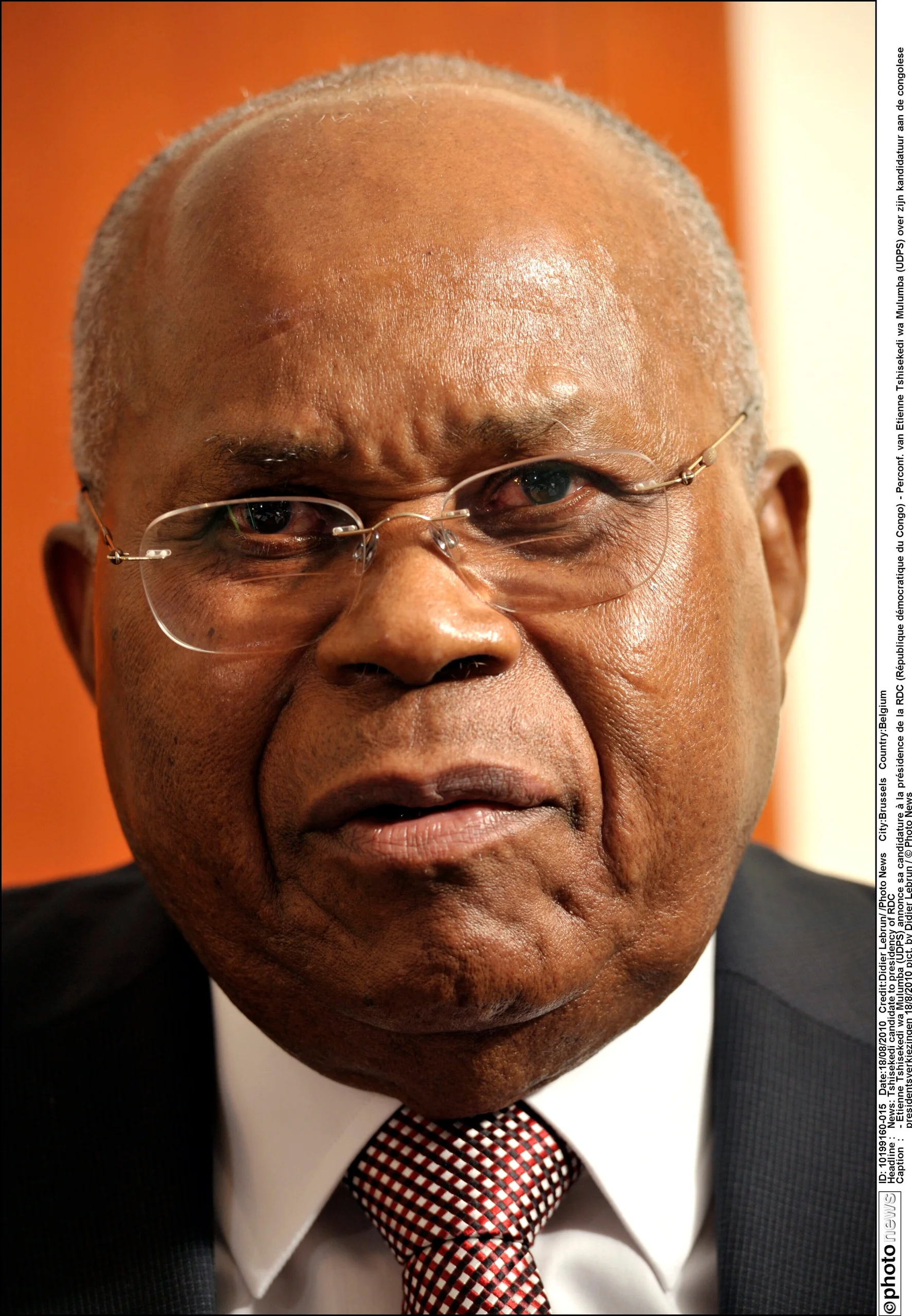
Étienne Tshisekedi
 DR Congo
Also known as: Etienne Tshisekedi, Etienne Kisekedi Wa Mulumba
Birthday
December 14, 1932
Birth Sign
Sagittarius
Birthplace
Kananga, Belgian Congo
Age
Died at 84
About
Étienne Tshisekedi wa Mulumba was a Congolese politician and statesman who served as Prime Minister of the Democratic Republic of the Congo on three separate occasions between 1991 and 1997. Born in Kananga in 1932, he became the most prominent opposition figure in the nation's history, earning the title "Father of Democracy" for his decades-long resistance against authoritarian rule. He founded the Union for Democracy and Social Progress (UDPS) in 1982, creating the first major organized opposition party in the country. His career was marked by repeated clashes with dictators Mobutu Sese Seko and Joseph Kabila, leading to periods of house arrest, exile, and imprisonment.
Tshisekedi died in Brussels, Belgium, in February 2017 while in exile. His legacy endures through his son Félix Tshisekedi, who succeeded him politically and became the President of the DRC in 2019. Despite never holding the presidency himself, his influence shaped the political landscape of the Congo for over half a century. He is remembered for his unwavering commitment to democratic principles and his refusal to compromise with oppressive regimes.
Early Life & Background
Étienne Tshisekedi wa Mulumba entered the world on December 14, 1932, in Kananga, a city then known as Luluabourg in the Belgian Congo. He came from a family of civil servants; his father worked for the colonial administration, exposing Étienne early to the mechanics of governance. He pursued higher education at the University of Lovanium, where he earned a law degree in the late 1950s. By the time he graduated, the political climate in the colony was shifting rapidly toward independence, and Tshisekedi was already preparing for a life in public service.
His entry into politics began almost immediately after university. In 1958, at just 26 years old, he joined the colonial government as an advisor. This role gave him insight into the administrative structures that would later become the tools of both liberation and oppression. He quickly rose through the ranks, serving as a provincial administrator and gaining a reputation for competence and integrity. However, his loyalty to the state soon clashed with his growing conviction that true independence required more than just a change of flag. He witnessed firsthand the corruption and authoritarianism that plagued the post-independence era, setting the stage for his transformation from a government insider to its fiercest critic.
Career Growth
Tshisekedi's political career reached its zenith during the turbulent transition periods of the 1990s. He first served as Prime Minister in 1991, appointed by President Mobutu Sese Seko during a national conference aimed at democratizing the country. He held this position briefly before being dismissed. He returned to the role in 1992, serving until 1993, and again in 1997 when the country was still called Zaire. These appointments were often short-lived, as Mobutu and later Joseph Kabila viewed his demand for free elections and accountability as a direct threat to their power.
Despite never becoming president, Tshisekedi remained the central figure in Congolese opposition politics. He ran for president multiple times, including in 1997, 2006, and 2011. In the 2011 election, he refused to accept the official results favoring Joseph Kabila, declaring himself the winner and calling for mass protests. This defiance led to his effective house arrest in Kinshasa, where he remained under tight surveillance until his death. His leadership of the UDPS provided a consistent platform for democratic reform, even as the party faced constant suppression and fragmentation.
Career Timeline
Public Image & Style
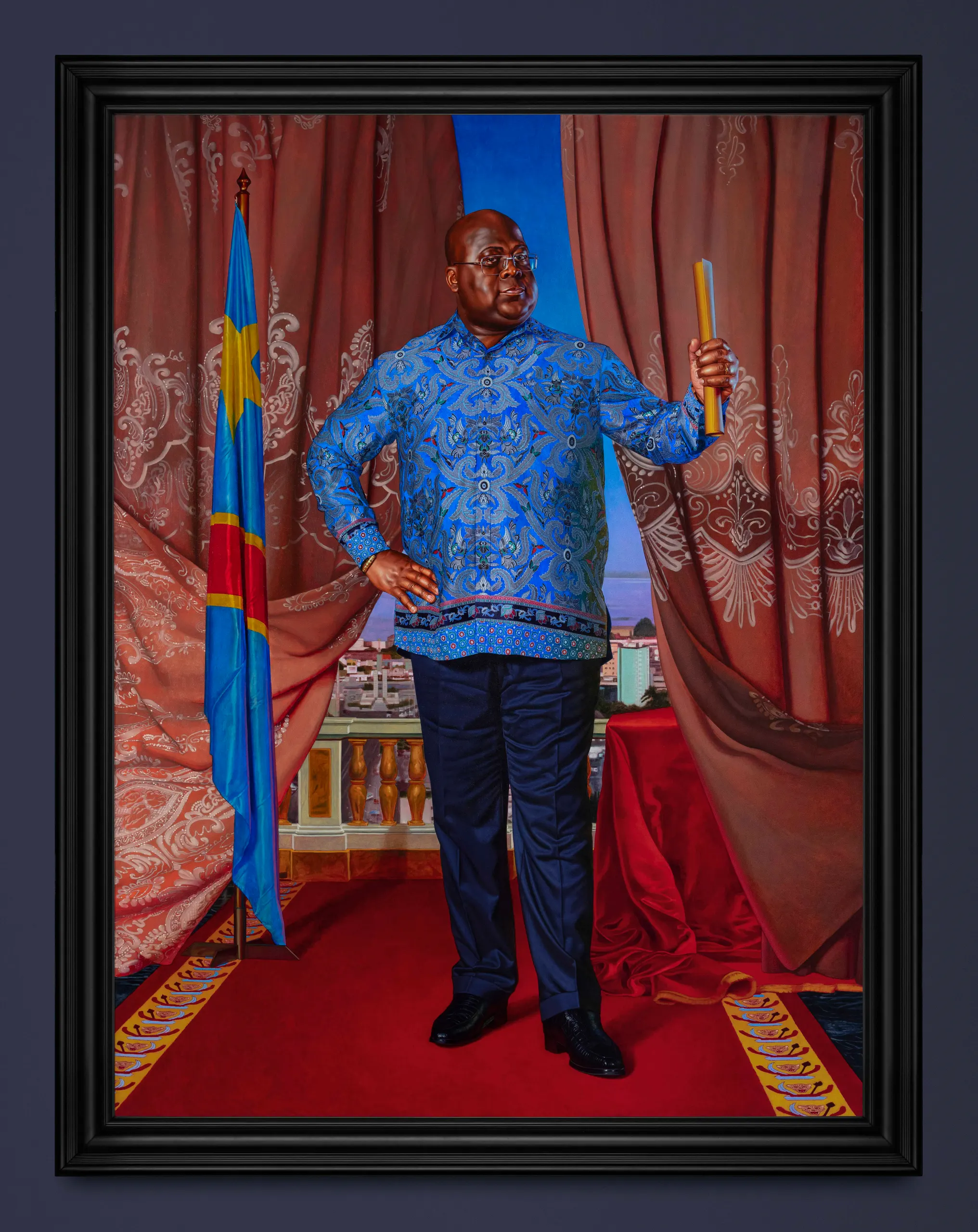
Étienne Tshisekedi projected an image of incorruptibility and moral authority. He was known for his simple lifestyle, often rejecting offers of wealth or luxury in favor of his principles. His appearance, characterized by traditional attire and a dignified demeanor, reinforced his status as a man of the people. Media outlets often described him as a martyr for democracy, highlighting his willingness to suffer for his beliefs. His speeches were legendary for their clarity and passion, inspiring millions across the continent. He was seen not just as a politician but as a spiritual leader for those seeking freedom.
Fame & Fandom
Étienne Tshisekedi stands as the 35th most famous person from DR Congo, a ranking that has held steady through cycles of changing leadership and shifting borders within the iFANN Global Fame Rankings. His fame stems not from entertainment or celebrity culture but from his role as a foundational figure in African democracy. There is no formal name for his followers; they are simply citizens who view him as a moral compass and a symbol of resistance. His supporters organized vigils and strikes to keep his memory alive, particularly during the period his body lay in Belgium. They did not use social media campaigns or buy billboards but engaged in direct political action. When he finally returned to Kinshasa in June 2019, the streets filled with citizens mourning a martyr. The rituals were vigils and political pressure, not photo ops. His death extinguished a light for democracy, a sentiment echoed by leaders across the continent.
Interesting Facts and Legends
Étienne Tshisekedi was famous for his distinctive style, often wearing traditional Kuba cloth and a hat that became his trademark. He spoke four languages: French, Swahili, Tshiluba, and Lingala. One of his most famous quotes, "I would rather die than compromise," encapsulated his refusal to bend to authoritarian pressures. He was also known for his sharp wit and ability to outmaneuver political opponents in debates. Another notable fact is that he was the only person to have served as Prime Minister three times in the history of the DRC. His funeral delay caused significant unrest, with thousands gathering in Kinshasa to protest the Kabila administration's refusal to return his body.
Notable Quotes
“I would rather die than compromise.”
“Democracy is not a gift; it is a right that must be fought for.”
“The people are the masters of their destiny.”
Family & Personal Life
Étienne Tshisekedi was married to Marthe Kasalu, a union that lasted throughout his life. They had several children together, with Félix Tshisekedi being the most prominent. Félix followed in his father's footsteps, entering politics and eventually becoming the President of the Democratic Republic of the Congo in 2019. The family lived in Kinshasa, though they frequently faced threats and displacement due to their political stance. Marthe was a supportive partner who managed the household during Tshisekedi's many periods of exile and imprisonment. Their home in N'sele became a sanctuary for opposition leaders and a symbol of resilience.
Notable Connections
Relationships & Dating History
Étienne Tshisekedi was married to Marthe Kasalu, and their union was a central pillar of his personal life. They remained together until his death in 2017. There are no widely documented romantic relationships outside of his marriage to Marthe. Their partnership was one of mutual support, with Marthe often standing by her husband during his periods of exile and imprisonment. The couple had several children, the most prominent being Félix Tshisekedi, who succeeded his father politically. As of his death in 2017, he was widowed, having been married to Marthe until his passing.
- MarriedMarthe Kasalu1950s - 2017Married until his death; had several children including Félix Tshisekedi.
Death & Aftermath
Died
February 1, 2017 (aged 84)
Death Place
Brussels, Belgium
Cause of Death
Heart attack following a long illness
Étienne Tshisekedi spent his final weeks in a Brussels hospital, removed from the political storm he had helped define for decades. The veteran opposition leader and founder of the Union for Democracy and Social Progress had been transferred to Belgium shortly after leaving Kinshasa, where he remained a vocal critic of President Joseph Kabila's refusal to step down following the expiration of his term in December 2016. On February 1, 2017, at the age of 84, Tshisekedi passed away from a heart attack following a long illness, according to statements issued by his family and the hospital administration. The reaction across the Democratic Republic of Congo and the international community was immediate and profound.
Tributes poured in from the African Union Commission Chairperson Dr. Nkosazana Dlamini Zuma, who honored him as a pillar of democracy, while global leaders from the United Nations and the European Union recognized his relentless fight for human rights. In Kinshasa, supporters held vigils that often faced heavy-handed responses from security forces, cementing his image as a thorn in the side of every dictator in the country's history. The New York Times described him as cunning and relentless, while the Washington Post noted his death signaled the extinguishing of a light for Congo's democracy. A grand state funeral did not occur until June 1, 2019, nearly two years after his death, due to a legal dispute over the repatriation of his remains.
The Kabila administration blocked the return of his body citing security concerns and bureaucratic delays, a standoff that only ended under the new presidency of his son, Félix Tshisekedi. Thousands gathered in Kinshasa for the ceremony, which featured traditional music and hymns, with Félix delivering a eulogy referring to his father as the Father of Democracy before laying him to rest in the family tomb.
Net Worth (Estate Value)
$0
iFANN Editorial Team estimate
Specific financial figures for Étienne Tshisekedi are not publicly available in the same manner as for entertainers or business tycoons. As a politician who lived through periods of poverty and exile, his wealth was likely modest compared to corporate magnates. There is no detailed breakdown of real estate holdings or investment portfolios available in public records. His estate value is not quantified in major financial reports, reflecting his status as a public servant rather than a wealthy industrialist. The iFANN Editorial Team estimates his net worth at approximately $0, acknowledging that his primary assets were his political influence and legacy rather than material wealth.
Awards & Accolades
View 2 records, honours and achievementsKnown For
Prime Minister of the DRC
1991-1997 · Political Leader
Founder of UDPS
1982 · Political Activist
Opposition Leader
1990-2017 · Political Figure
Keywords
Sources
Quick Facts
- Profession
- politician, minister
- Born
- December 14, 1932
- Birthplace
- Kananga
- Died
- February 1, 2017
- Death Place
- Brussels, Belgium
- Gender
- Male
- Spouse
- Marthe Kasalu
- Birth Sign
- Sagittarius
Personal Details
- Full Name
- Étienne Tshisekedi wa Mulumba
- Spouse
- Marthe Kasalu
- Children
- Félix Tshisekedi, several others
- Education
- Law degree
Frequently Asked Questions
Who was Étienne Tshisekedi?
When did Étienne Tshisekedi die?
What was the cause of Étienne Tshisekedi's death?
Who is Étienne Tshisekedi's son?
Why was Étienne Tshisekedi's funeral delayed?
Join the community
fans discussing