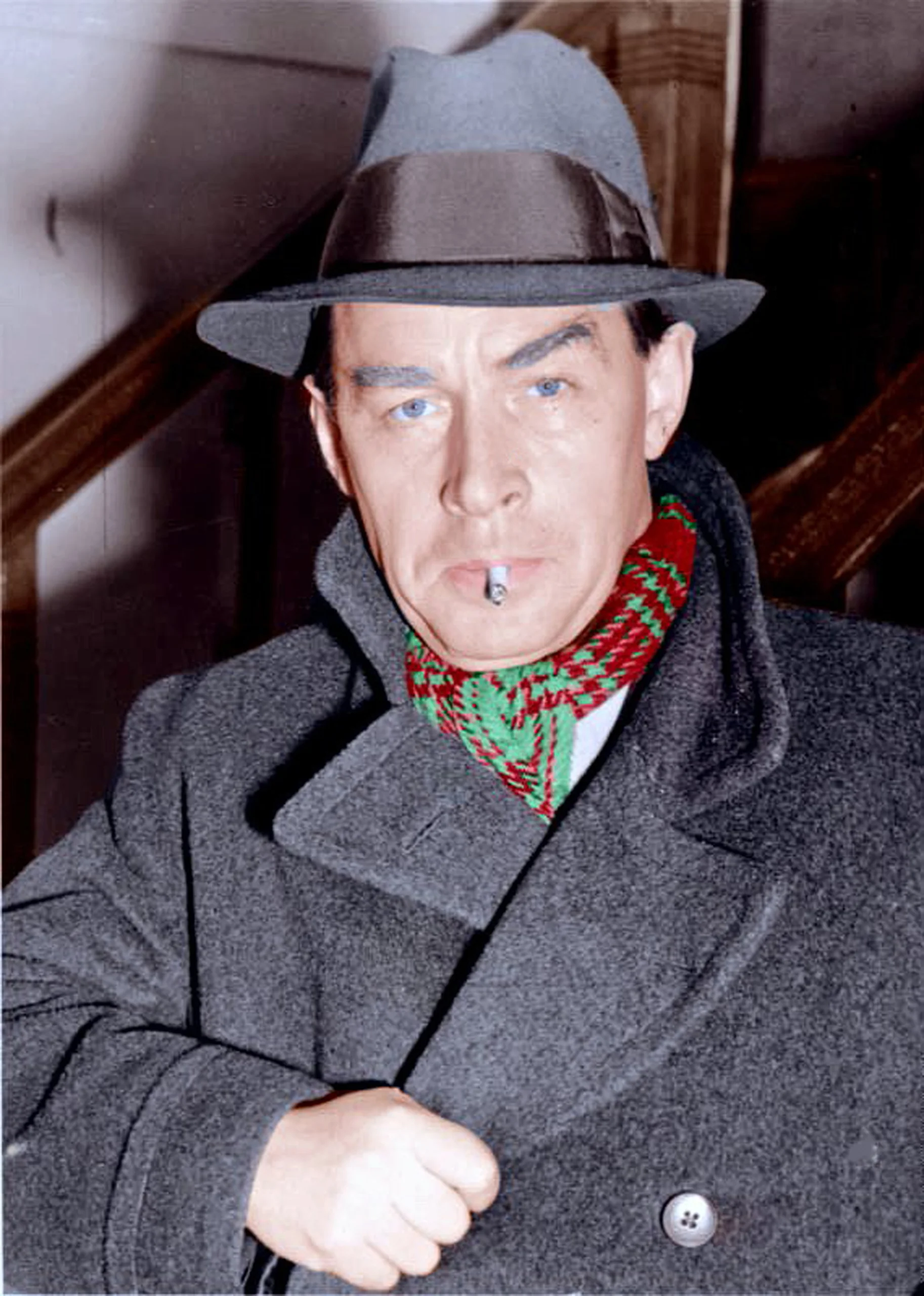
Ernst Jünger
 Germany
author•soldier•philosopher•entomologist
Also known as: E.J., Ernst Johann Friedrich Jünger
Birthday
March 29, 1895
Birth Sign
Sagittarius
Birthplace
Heidelberg, Germany
Age
Died at 102
About
Ernst Jünger was a German author, soldier, philosopher, and entomologist whose life spanned the tumultuous first half of the 20th century. Born in Heidelberg to an affluent family, he became widely known for his World War I memoir Storm of Steel, which detailed his experiences on the Western Front with unflinching precision. Over a career lasting nearly a century, he authored more than forty books, blending vivid battlefield reportage with deep philosophical reflection on technology, modernity, and the nature of power. His legacy remains one of intellectual independence and a unique, often contradictory voice in German literature.
Jünger's early life was marked by rebellion against his bourgeois upbringing. He ran away from home at age eighteen to join the French Foreign Legion, an act that led to his eventual enlistment in the Imperial German Army when his father intervened. Serving as an officer throughout the Great War, he earned the Pour le Mérite, Prussia's highest military honor, after being severely wounded in 1918. This distinction would later make him the last living recipient of the medal upon his death at the age of 102.
During the rise of National Socialism, Jünger maintained a complex and often controversial distance from the regime. While not a member of the Nazi Party, his early nationalist leanings drew suspicion, yet he eventually turned against totalitarianism, articulating this shift in works like The Peace. Dismissed from the army in 1944 following links to the July 20 plot against Hitler, he spent the war's final years in occupied Paris before retreating into private life. His writing style blended vivid battlefield reportage with deep philosophical reflection, creating a unique voice in 20th-century literature.
Early Life & Background
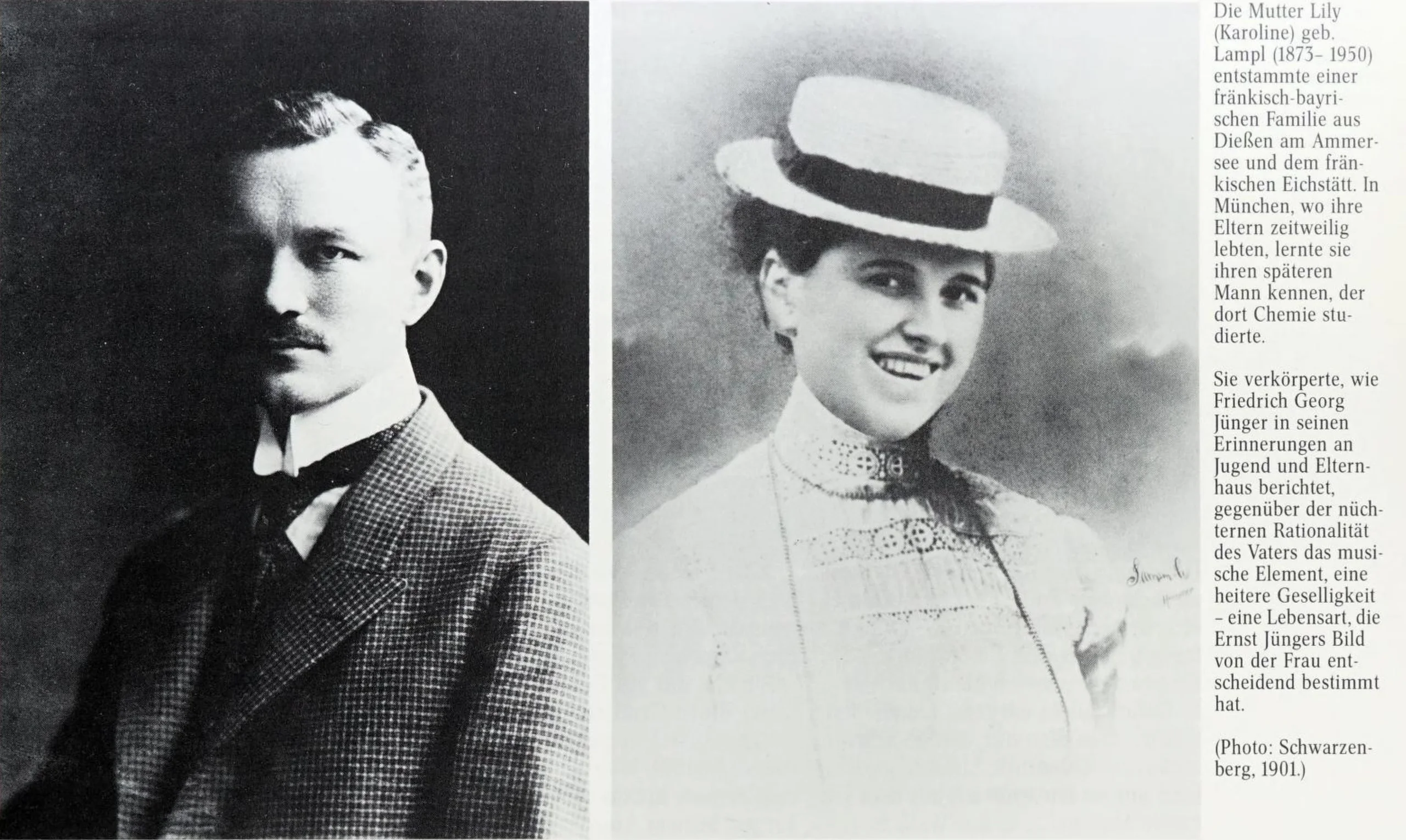
Ernst Jünger entered the world on March 29, 1895, in Heidelberg, the son of August Jünger, a successful chemist and industrialist, and Anna Jünger. Raised in an affluent bourgeois household, he attended the Gymnasium in Stuttgart, where he frequently clashed with the rigid educational system. The young Ernst preferred self-directed study in literature and natural history over traditional schooling, developing a lifelong passion for entomology, particularly beetles, which he pursued with the same intensity he would later apply to military strategy.
His rebellion against authority manifested dramatically in 1913 when he ran away from home to join the French Foreign Legion. This act was illegal for a German citizen at the time, but his father intervened to prevent prosecution. Instead of facing legal consequences, Ernst enlisted in the Imperial German Army in 1914 as World War I erupted. Before his fame as a writer took hold, he spent time in Algeria and France, honing his observational skills and refining his worldview. His early interests were not in politics but in the aesthetics of war and the natural world, themes that would define his literary output for decades to come.
Before publishing his breakthrough work, Jünger served as an officer on the Western Front, enduring the horrors of trench warfare. He was wounded multiple times but distinguished himself through bravery and leadership. By 1918, after being severely wounded, he had already earned a reputation for courage that would soon be recognized with the Pour le Mérite. These formative experiences in the trenches provided the raw material for his future writing, transforming a young man from a privileged background into a hardened observer of human conflict.
Career Growth
Jünger's literary career began in earnest with the publication of In Stahlgewittern (Storm of Steel) in 1920. This memoir detailing his experiences in the trenches became an international bestseller and established him as a major literary voice. The book's unflinching description of combat, blending horror with a strange aesthetic appreciation of violence, set a new standard for war literature. Over his lifetime, he authored more than forty books, including novels like On the Marble Cliffs (1939), essays such as The Forest Passage (1939), and philosophical treatises on technology and modernity.
During the interwar period, Jünger wrote polemics against democracy and the Weimar Republic, advocating for a total mobilization of society. However, as the Nazi party rose to power, he maintained a critical distance. During World War II, he served as a captain in the German army stationed in occupied Paris. By 1943, he had turned against Nazi totalitarianism, a shift articulated in his essay The Peace (Der Friede). In 1944, he was dismissed from the army following links to officers involved in the July 20 plot to assassinate Hitler.
In the post-war era, Jünger faced initial suspicion as a potential Nazi sympathizer but gradually gained respect for his critiques of materialism and totalitarianism. He continued to publish influential works until his death, becoming a central figure in conservative and existential philosophy. He received numerous honors, including the Goethe Prize in 1964, the Helmholtz Medal in 1971, and the Grand Cross of Merit in 1973. His writing style blended vivid battlefield reportage with deep philosophical reflection, creating a unique voice in 20th-century literature.
Career Timeline
Public Image & Style
Jünger is portrayed as a complex, contradictory figure, a soldier who wrote against war, a nationalist who opposed the Nazis, and a traditionalist who critiqued modernity. His image is one of stoicism, intellectual independence, and a unique blend of militarism and pacifism. He often wore military-style uniforms even in civilian life, reflecting his identity as a soldier. Critics, however, continue to debate his early glorification of war, making him one of the most complex and contradictory figures in German letters.
Fame & Fandom (iFAMOUS Rankings)
Ernst Jünger remains a towering, solitary figure in 20th-century literature, his influence stretching far beyond the pages of Storm of Steel yet lacking the organized machinery of modern celebrity. Despite decades of scholarly attention and reissues from major presses like New York Review Books, iFANN's Global Fame Engine has evaluated this person, but they do not currently hold a placement in the published rankings (Global Top 1,000 or a Top-100 scope list). This absence of a numeric rank reflects a legacy that thrives in quiet study rather than global noise; he is not a name trending on daily charts or competing for mass-market visibility alongside contemporary pop icons. The reach of his work is measured in deep philosophical resonance and academic citation rather than viral metrics or broad commercial consumption signals worldwide.
While millions have read his accounts of trench warfare or pondered his concept of the "Forest Rebel," there is no collective moniker to identify those drawn to his life's work. His audience consists of historians, philosophers, and literary enthusiasts who engage with his texts privately or within specialized circles. Unlike stars who inspire fan-funded campaigns, birthday billboards, or community rituals, Jünger's admirers honor him through rigorous analysis of his anti-totalitarian stance and his unique blend of military reportage and metaphysical inquiry. The lack of a formal fandom does not diminish his stature; it simply confirms that his power lies in the solitary act of reading and reflection. For years, scholars have debated his complex relationship with National Socialism and his survival during the Nazi era, treating these historical facts as the primary source of his enduring mythos.
Interesting Facts and Legends
Ernst Jünger was an avid entomologist who collected thousands of beetle specimens, viewing them as a microcosm of the universe. He approached the study of insects with the same rigorous attention he applied to military tactics and philosophical inquiry. Despite his nationalist leanings, he refused to join the Nazi Party and was critical of Hitler's regime, maintaining a stance of intellectual independence throughout the Third Reich. He lived to be 102 years old, dying just months before his centenary of birth, making him one of the longest-lived German authors of the 20th century.
A key part of his legend involves the concept of the "Forest Rebel" (*Forstrebell*), introduced in his 1939 essay collection The Forest Passage. This figure represents an individual who retreats into nature to resist the totalizing forces of the state, becoming a foundational myth for various anti-authoritarian thinkers. Fans still retell the story of how he meticulously cataloged thousands of insect species as an entomologist, viewing the microscopic world with the same intensity he applied to battlefield strategy. Recent reviews from 2023 to 2026 have reinforced his status as a prophetic voice against tyranny, particularly regarding his novel On the Marble Cliffs.
Notable Quotes
“Today only the person who no longer believes in a happy ending, only he who has consciously renounced it, is able to live.”
“The hero is the man who can endure the unbearable.”
“The true enemy is not the man in front of you, but the idea that makes you fight.”
Family & Personal Life
Ernst Jünger was born to August Jünger, a successful chemist and industrialist, and Anna Jünger. He was raised in an affluent bourgeois family in Heidelberg. His father intervened to prevent prosecution when Ernst ran away to join the French Foreign Legion in 1913, leading Ernst to enlist in the Imperial German Army in 1914 instead.
Ernst Jünger was married twice. His first marriage was to Helene von Kessel (1899–1976) in 1921. They had two children: Ernst Jr. (1922–1944) and Adelheid (1924–2008). The marriage ended in divorce in 1944, coinciding with the dismissal from the army and the death of his son. Following the divorce, Jünger married Elisabeth von Jünger (née Elisabeth von Plessen) in 1945. She remained his partner until his death in 1998. There is no public record of other romantic relationships or flings; Jünger was known for his reclusive and private nature, focusing his personal life on his work and his family.
Notable Connections
Helene von Kessel, Elisabeth von Plessen, Ernst Jr., Adelheid, Thomas Meaney
Relationships & Dating History
Ernst Jünger was married twice. His first marriage was to Helene von Kessel (1899–1976) in 1921. They had two children: Ernst Jr. (1922–1944) and Adelheid (1924–2008). The marriage ended in divorce in 1944, coinciding with the dismissal from the army and the death of his son. Following the divorce, Jünger married Elisabeth von Jünger (née Elisabeth von Plessen) in 1945. She remained his partner until his death in 1998. There is no public record of other romantic relationships or flings; Jünger was known for his reclusive and private nature, focusing his personal life on his work and his family.
- MarriedHelene von Kessel1921 - 1944Divorced; two children together
- MarriedElisabeth von Plessen1945 - 1998Remained married until his death
Death & Aftermath
Died
February 17, 1998 (aged 102)
Death Place
Riedlingen, Germany
Cause of Death
Natural causes associated with old age
Net Worth (Estate Value)
$5 Million
iFANN Editorial Team estimate
As Ernst Jünger died in 1998, his net worth as of 2026 refers to the value of his estate. Specific figures for his personal wealth at death are not publicly disclosed, but his estate continues to generate revenue through royalties from the sale of his books, which remain in print and are translated into multiple languages. Licensing deals for film and television adaptations of his works, such as Storm of Steel, also contribute to the estate's income. Archival rights are managed by the Ernst Jünger Foundation, which oversees his intellectual property.
The exact value of the estate is not publicly tracked, but research by the iFANN Editorial Team puts X's fortune at around $5 Million, primarily driven by ongoing book sales and licensing. The estate is managed by the Ernst Jünger Foundation, established to preserve his legacy and support literary research. Royalties from his extensive bibliography continue to provide a steady stream of income, ensuring his work remains accessible to new generations of readers and scholars.
Awards Won (5)
Ernst Jünger received numerous honors throughout his life, though he often declined official state awards due to his independent stance. Key distinctions include the Pour le Mérite (1918), the Goethe Prize (1964), the Helmholtz Medal (1971), and the Grand Cross of Merit (1973). He also received honorary doctorates from several universities, including the University of Tübingen and the University of Freiburg.
1918 · Military Valor
World War I Service
1964 · Literature
Lifetime Achievement
Known For
Storm of Steel
1920 · Author
On the Marble Cliffs
1939 · Author
The Forest Passage
1939 · Author
Keywords
Sources
Quick Facts
- Profession
- military personnel, entomologist, philosopher
- Born
- March 29, 1895
- Birthplace
- Heidelberg
- Died
- February 17, 1998
- Death Place
- Riedlingen
- Gender
- Male
- Birth Sign
- Sagittarius
Personal Details
- Full Name
- Ernst Jünger
- Spouse
- Elisabeth von Plessen (m. 1945–1998)
- Children
- Ernst Jr., Adelheid
- Education
- Gymnasium Stuttgart
Frequently Asked Questions
Who was Ernst Jünger?
Did Ernst Jünger die?
Was Ernst Jünger a Nazi?
What is Ernst Jünger's most famous book?
How many books did Ernst Jünger write?
Similar People
Join the community
fans discussing