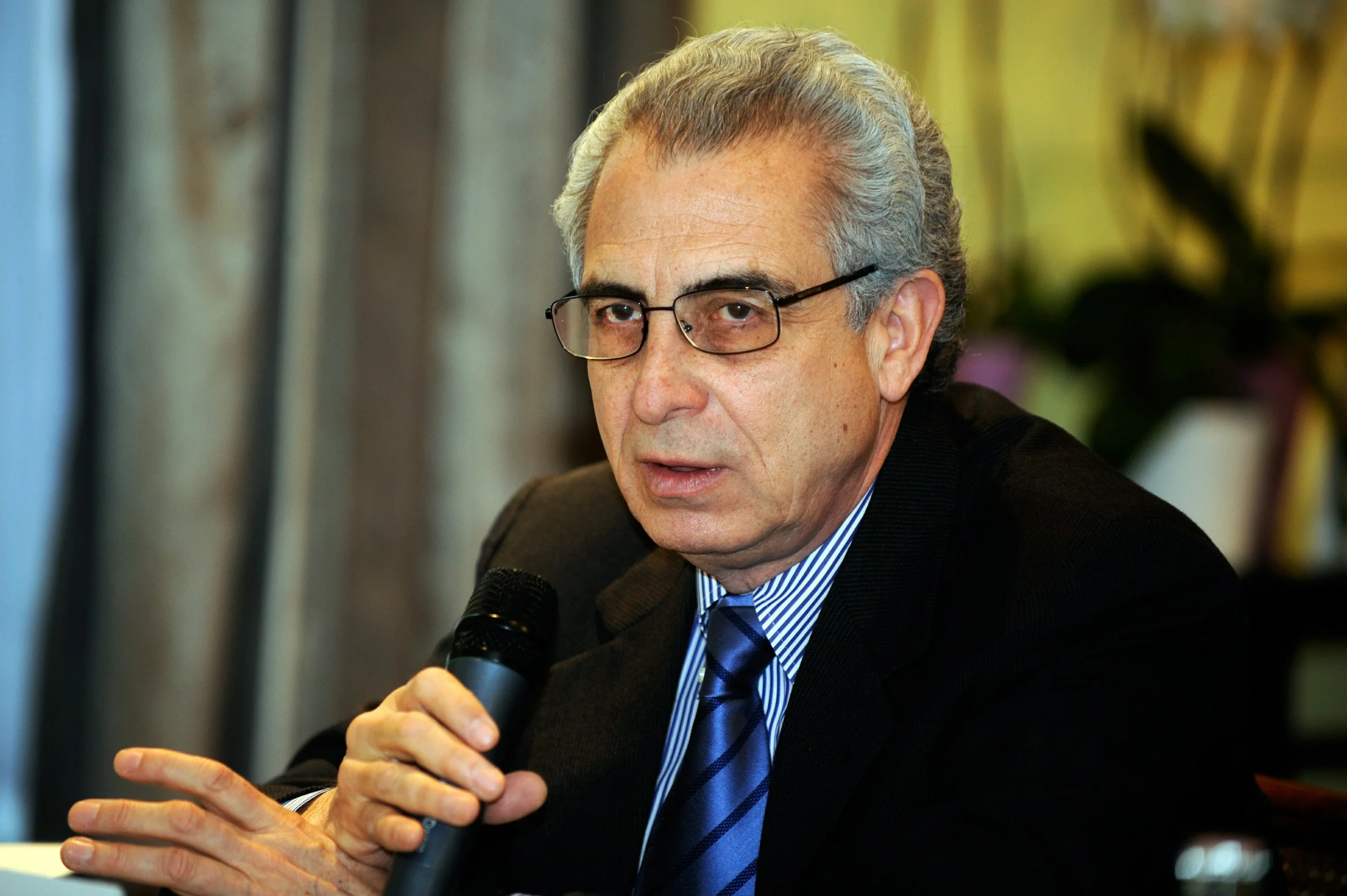
Ernesto Zedillo
 Mexico
economist•university teacher•author
Also known as: Ernesto Zedillo Ponce de León, EZE
Birthday
December 27, 1951
Birth Sign
Sagittarius
Birthplace
Mexico City, Mexico
Age
74 years old
About
Ernesto Zedillo Ponce de León is a distinguished Mexican economist and politician who served as the 61st President of Mexico from 1994 to 2000. He holds the distinction of being the final president from the Institutional Revolutionary Party (PRI) to complete a 71-year streak of uninterrupted leadership before Mexico's first democratic transition of power to opposition candidate Vicente Fox in 2000.
Currently, he serves as the Sterling Professor of International Economics, Politics, and Environmental Studies at Yale University, where he also directs the Program for the Study of Globalization. His reputation rests on navigating one of Latin America's most severe economic crises while overseeing a historic political shift that ended decades of single-party rule. He remains an active voice in global diplomacy as a member of The Elders and frequently contributes to high-level discussions on democracy and international law.
Early Life & Background
Born on December 27, 1951, in Mexico City, Ernesto Zedillo Ponce de León grew up in a family that valued education and public service. His early years were marked by a sharp intellectual curiosity, particularly regarding economics and political systems. He attended the Universidad Nacional Autónoma de México (UNAM), graduating with a Bachelor's degree in Economics in 1974. His academic performance was exceptional, earning him a prestigious fellowship to study abroad.
Zedillo moved to the United States to pursue advanced studies at Yale University. There, he immersed himself in the rigorous world of international economics under the mentorship of prominent scholars. He earned both a Master of Arts and a Doctor of Philosophy in International Economics and Political Economy, completing his doctoral work in 1978. During these formative years, he developed a deep understanding of trade policy and development economics that would later define his career.
Before entering the highest levels of government, Zedillo established himself as a respected scholar. He taught at several institutions, including UNAM and the Instituto Tecnológico Autónomo de México (ITAM). His time in academia allowed him to refine his theories on economic stability and prepare for the complex challenges awaiting him in public office. By the late 1980s, his expertise had caught the attention of the Mexican government, setting the stage for his rapid rise through the ranks of the PRI administration.
Career Growth
Zedillo's entry into high-level politics began in earnest in 1987 when he was appointed Undersecretary of the Budget for the Mexican federal government under President Carlos Salinas de Gortari. His grasp of economic data quickly propelled him to the role of Secretary of Budget and Planning in 1988, placing him at the center of Mexico's major reforms. In 1993, he took on the role of Secretary of Foreign Affairs, serving until his election as president.
His presidency began on December 1, 1994, amidst the turmoil of the Zapatista uprising and the assassination of PRI candidate Luis Donaldo Colosio. Just weeks into his term, the Mexican Peso Crisis erupted, threatening to collapse the national economy. Zedillo successfully negotiated a massive $50 billion bailout package with the U.S. Treasury and the International Monetary Fund, stabilizing the currency and guiding Mexico toward recovery. Throughout his six-year term, he oversaw the implementation of the North American Free Trade Agreement (NAFTA) and pursued significant political reforms, including granting Mexico City residents the right to elect their own mayor.
A defining moment of his legacy occurred during the 2000 general election. Zedillo adopted a hands-off approach, ensuring a fair process that allowed Vicente Fox to win, ending the PRI's 71-year hold on the presidency. After leaving office in November 2000, he returned to academia, joining Yale University as a Sterling Professor in 2002. He has since authored numerous works and joined The Elders in 2013, continuing to advocate for multilateralism and nuclear disarmament.
Career Timeline
Public Image & Style
Zedillo is portrayed as a sober, intellectual, and principled statesman. His public image is one of seriousness and integrity, contrasting with the more populist styles of some contemporary Mexican leaders. He is seen as a guardian of democratic norms and a voice of reason in international affairs. His communication style is characterized by academic precision and a focus on long-term stability rather than short-term political gains. Media coverage often highlights his role as a critic of authoritarian tendencies, reinforcing his reputation as a defender of institutional strength.
Fame & Fandom (iFAMOUS Rankings)
Ernesto Zedillo stands as the 70th most famous person in Mexico, a ranking that holds steady from the previous cycle and anchors his status within a nation still grappling with its political identity. This prominence extends beyond borders, placing him as the 74th most famous figure across Latin America. These positions reflect a legacy built on navigating one of the region's most volatile economic periods while steering Mexico toward a transparent democratic transition. His influence is measured not in viral trends but in the enduring weight of policy decisions that reshaped a country's trajectory. The iFANN Global Fame Rankings confirm his sustained relevance decades after leaving office.
Unlike pop stars or athletes who command organized crowds, Zedillo operates without a formal fanbase name. There are no fan clubs, no birthday billboards, and no rituals performed by followers in his honor. His audience consists of scholars, policymakers, and citizens engaged with the mechanics of governance rather than celebrity culture. Interactions remain formal, occurring through university lectures at Yale or high-stakes debates with current leaders like Andrés Manuel López Obrador. While some figures generate legendary moments defined by crowd chaos or viral folklore, Zedillo's iconic status stems from sober historical events. He remains a respected elder statesman whose critiques of modern authoritarianism keep him in the public eye, proving that serious political engagement can sustain fame without the machinery of fandom.
Interesting Facts and Legends
Ernesto Zedillo is often credited with facilitating the peaceful transfer of power after 71 years of single-party rule, a rare occurrence in the region that solidified his legacy as a democratizer. He took office during one of the worst economic crises in modern Mexican history and managed to stabilize the economy while navigating the aftermath of the 1994 peso devaluation. A federal court upheld the dismissal of a lawsuit against him alleging human rights abuses in February 2026, clearing a legal hurdle that had arisen from his tenure. He delivered the commencement address at Harvard University in 2003, highlighting his continued influence in academic circles. His recent vocal criticism of President López Obrador in The Economist in September 2024 has positioned him as a key watchdog for Mexican democracy.
Notable Quotes
“Each violation of international law emboldens others.”
“Mexico has left the country on the verge of authoritarianism.”
Family & Personal Life
Ernesto Zedillo maintains a notably private personal life compared to many politicians of his stature. There are no widely documented public records of romantic relationships, dating history, or marriages in mainstream biographical sources. Unlike many figures of his height, he does not have a publicized spouse or children mentioned in standard biographies or news reports. This absence of public information regarding a family suggests he may be unmarried or has kept his family life entirely out of the public eye. As of 2026, there are no credible reports indicating he is currently married, engaged, or in a public relationship. He is generally described as a bachelor who keeps his private life separate from his public service.
Notable Connections
Vicente Fox, Carlos Salinas de Gortari, Nelson Mandela, Andrés Manuel López Obrador, Bill Clinton
Relationships & Dating History
Ernesto Zedillo maintains a notably private personal life compared to many politicians of his stature. There are no widely documented public records of romantic relationships, dating history, or marriages in mainstream biographical sources. Unlike many figures of his height, he does not have a publicized spouse or children mentioned in standard biographies or news reports. This absence of public information regarding a family suggests he may be unmarried or has kept his family life entirely out of the public eye. As of 2026, there are no credible reports indicating he is currently married, engaged, or in a public relationship. He is generally described as a bachelor who keeps his private life separate from his public service.
Salary, Net Worth In 2026
$15 Million
iFANN Editorial Team estimate
As a former head of state and a university professor, Ernesto Zedillo's financial standing is substantial though not typically disclosed in the same manner as entertainers or business tycoons. Research by the iFANN Editorial Team puts his fortune at around $15 million. His wealth is derived primarily from his academic salary at Yale University, where he holds the prestigious title of Sterling Professor, along with speaking fees for high-profile conferences such as the IBA Annual Conference.
Additional income streams include board positions at major institutions like Citigroup and the Inter-American Dialogue, as well as book royalties from his extensive publications on globalization and economics. Real estate holdings are presumed to include properties in both Mexico and the United States, though specific valuations remain private. Given his elite academic and corporate affiliations, his net worth reflects a lifetime of high-level public service and scholarly achievement rather than commercial entrepreneurship.
Awards Won (3)
While specific competitive awards do not apply to his career, Zedillo has received numerous prestigious honors and distinctions. He was appointed a member of The Elders in 2013, joining a global group of leaders dedicated to peace and justice. He holds the title of Sterling Professor at Yale University, one of the highest academic honors in the institution. He has received multiple honorary doctorates from universities worldwide, including Harvard University. He is a member of the Clubs of Madrid and the Interaction Council, recognizing his contributions to global governance and democracy.
2013 · Honour
Global Leadership Group
2002 · Academic Title
Yale University
Known For
President of Mexico
1994 · 61st President
The Economist
2024 · Contributor
Keywords
Sources
Quick Facts
- Profession
- economist, university teacher, author
- Born
- December 27, 1951
- Birthplace
- Mexico City
- Gender
- Male
- Birth Sign
- Sagittarius
Personal Details
- Full Name
- Ernesto Zedillo Ponce de León
- Children
- Education
- Bachelor of Economics from UNAM (1974); M.A. and Ph.D. in International Economics and Political Economy from Yale University (1978)
Frequently Asked Questions
Who is Ernesto Zedillo?
Is Ernesto Zedillo married?
What happened during the Mexican Peso Crisis?
Why did Zedillo criticize AMLO?
Does Ernesto Zedillo have children?
Similar People
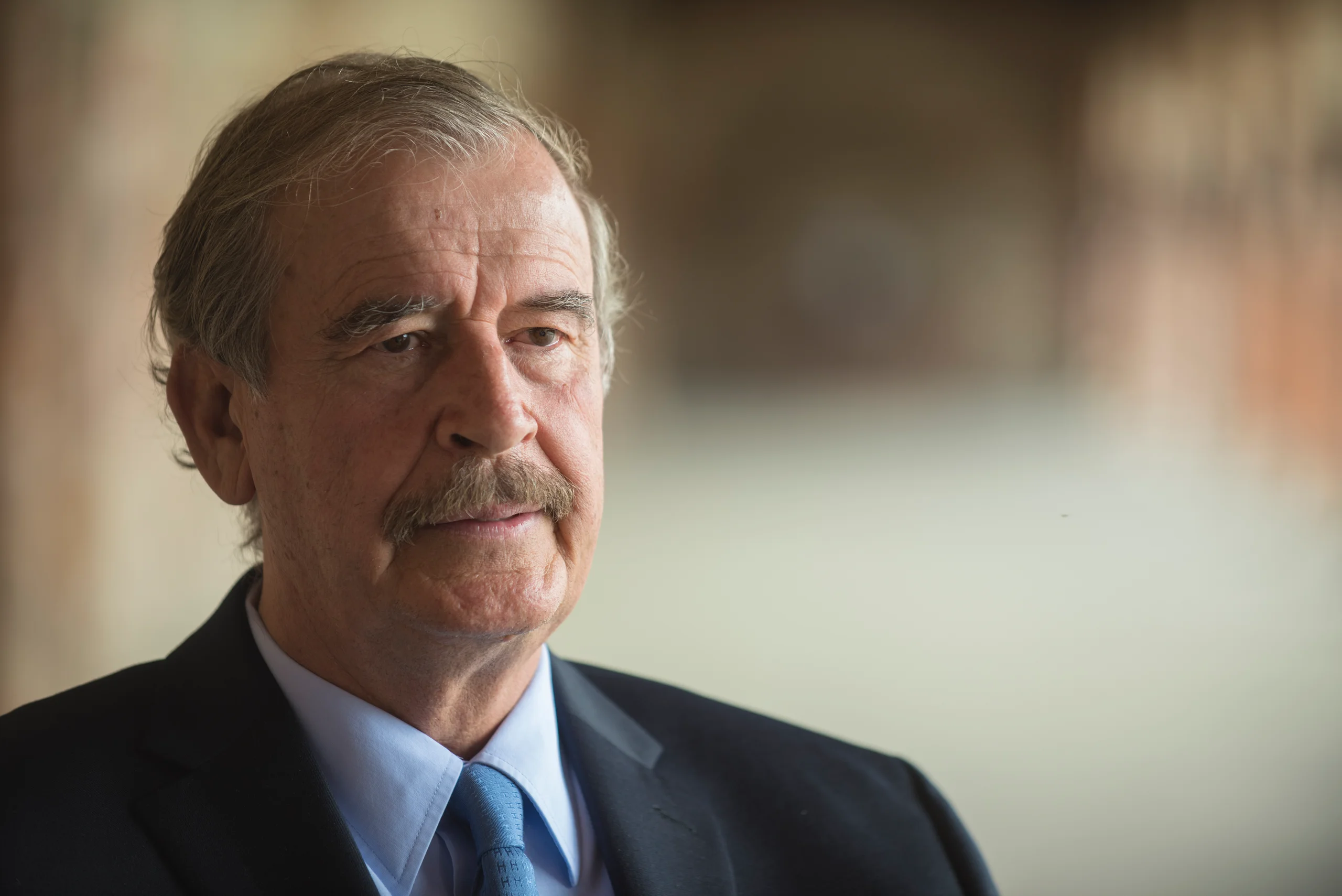
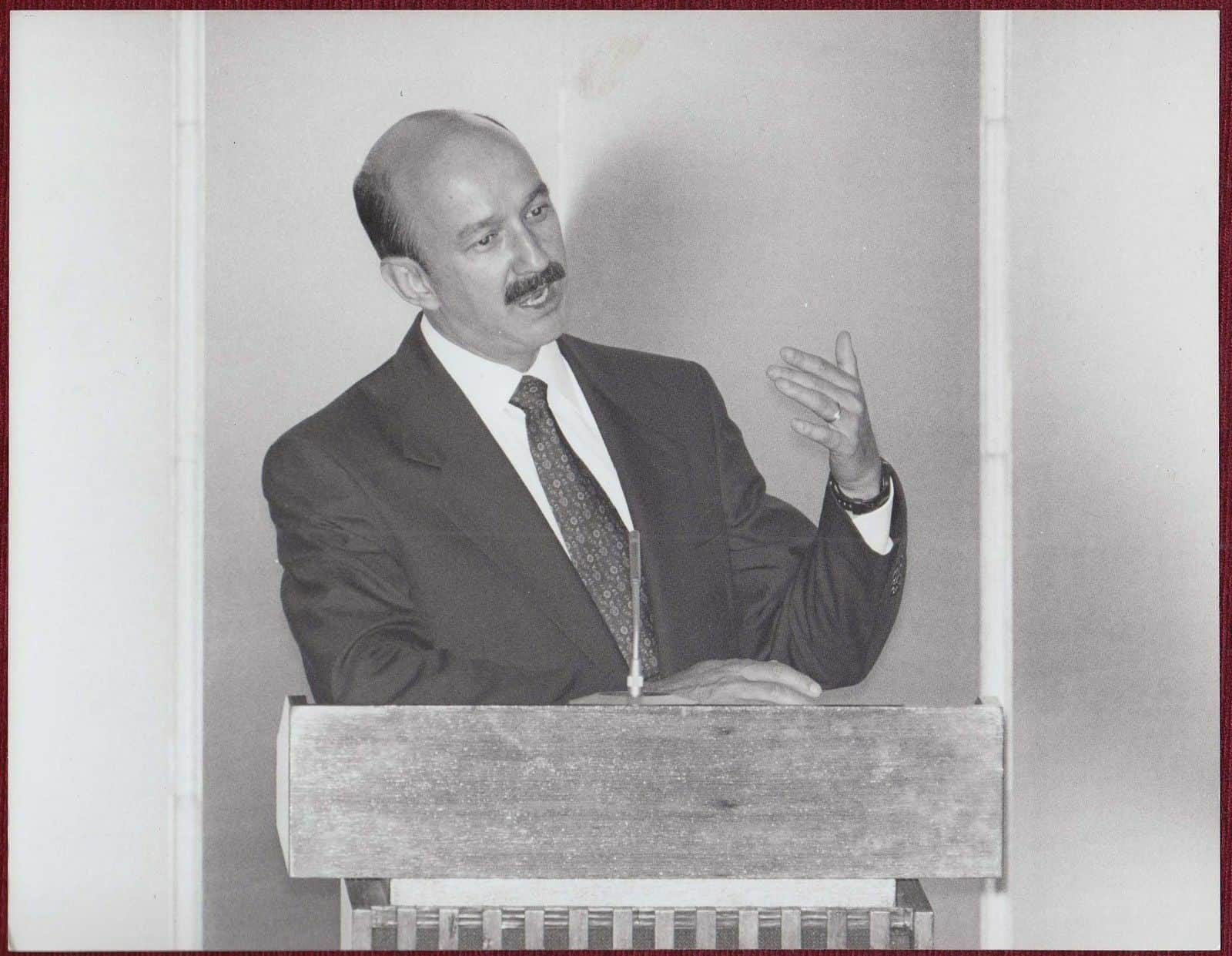
Join the community
fans discussing