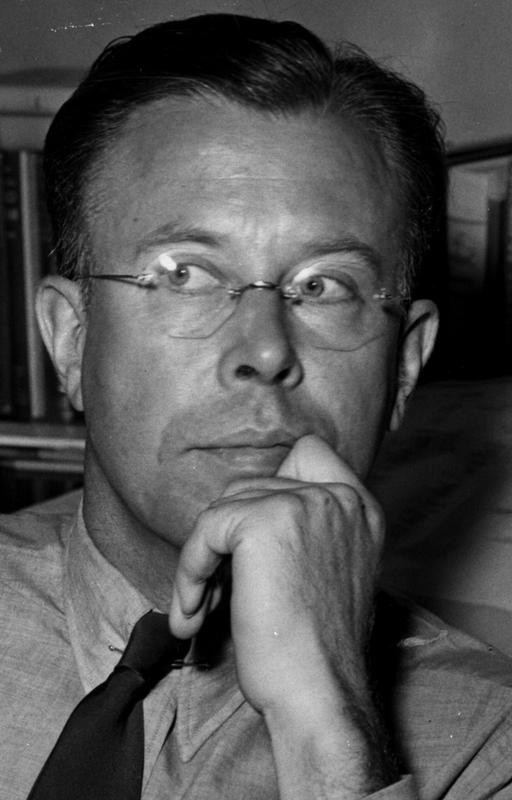
Ernest Orlando Lawrence
Awards & Honours
6
Awards Won
7
Honours
1
Rankings
3
Covers
2
Records
Ernest Lawrence's invention of the cyclotron earned him the Nobel Prize in Physics in 1939, a feat that revolutionized particle physics. He is one of the few scientists to have two national laboratories named after him. His wartime contributions earned the Medal for Merit, and he received the Enrico Fermi Award for lifetime achievement in nuclear energy. Element 103, lawrencium, was named in his honor, cementing his legacy in the periodic table. His work laid the groundwork for modern accelerators used in medicine and research.
Awards
Honours & Distinctions
National Inventors Hall of Fame
Inducted for invention of the cyclotron.
Element 103: Lawrencium
Named in his honor.
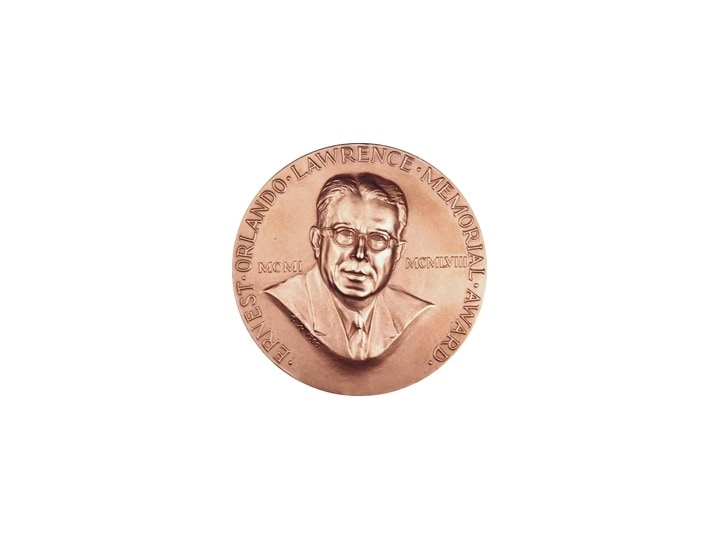
Ernest Orlando Lawrence Award
Established to honor his contributions to science.
Honorary Doctorate
Honorary doctorate for scientific achievements.
Honorary Doctorate
Honorary doctorate.
Honorary Doctorate
Honorary doctorate.
Congressional Gold Medal
Posthumously awarded as part of a group honoring Manhattan Project scientists.
Rankings & Lists
Top 10 Physicists of the 20th Century
Magazine Covers
TIME
1930-05-05
The Cyclotron and Lawrence's Early Work
TIME
1939-11-06
Nobel Prize Winner
Life
1940-06-10
Radiation Laboratory Feature
Records & Feats
First working cyclotron
Built the first cyclotron in 1931, a compact particle accelerator that became the foundation of nuclear physics.
Youngest full professor at UC Berkeley
Became the youngest full professor at UC Berkeley at age 29 in 1930.