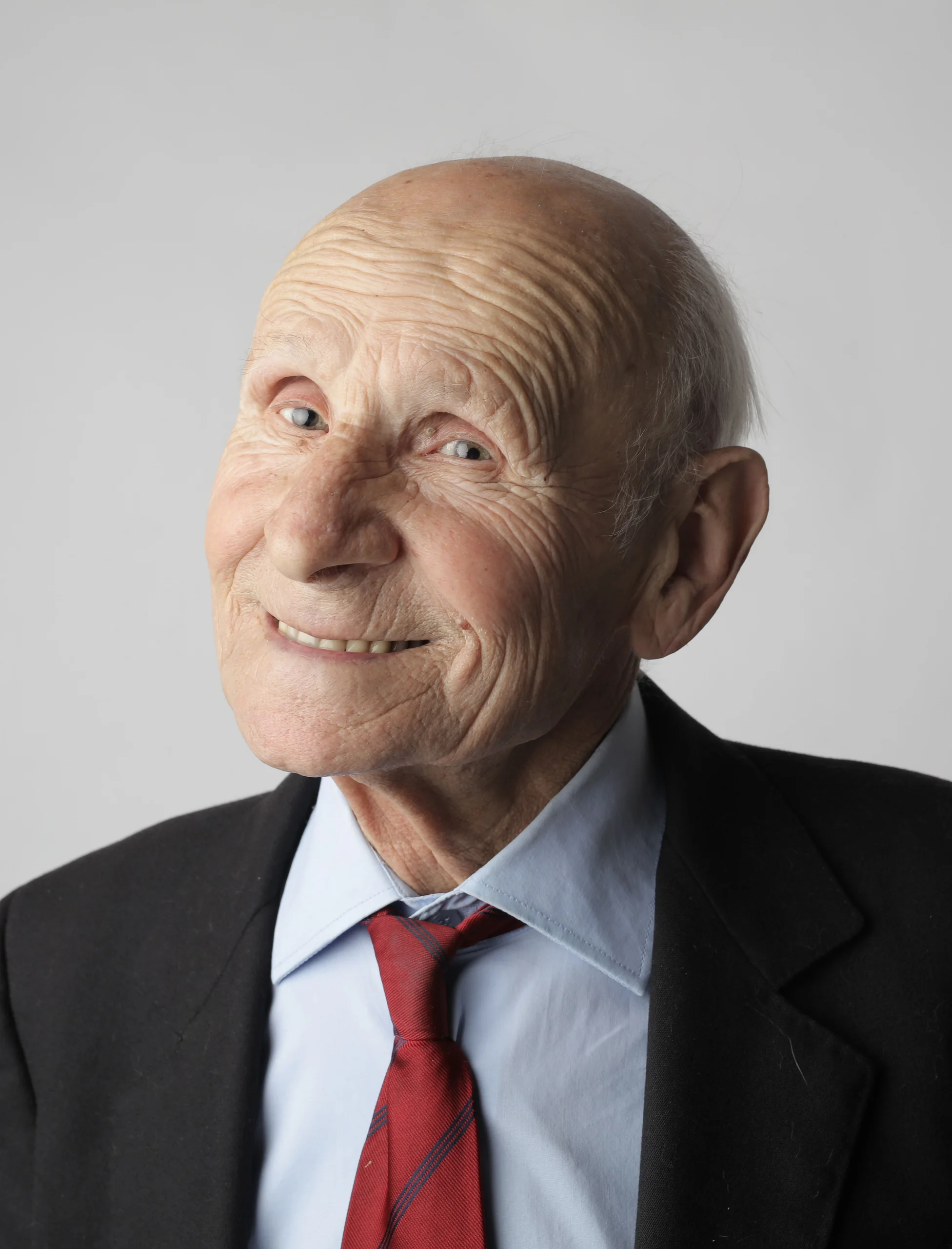
Erich Honecker
 Germany
politician•autobiographer•resistance fighter
Also known as: Ernst Paul Honecker
Birthday
August 25, 1912
Birth Sign
Sagittarius
Birthplace
Neunkirchen, Saarland, Germany
Age
Died at 81
Height
5 ft 9 in (175 cm)
About
Erich Honecker was a German communist politician who served as the de facto leader of East Germany from 1971 until his resignation in October 1989. Born into a working-class mining family, he rose through the ranks of the Communist Party of Germany before spending a decade imprisoned by the Nazi regime. After World War II, he became a central figure in establishing the security apparatus and youth organizations of the newly formed German Democratic Republic. His eighteen-year tenure is best known for the policy of "consumer socialism," which improved living standards while maintaining strict authoritarian control, and for his rigid opposition to reforms in the late 1980s. He received the rare distinction of being named a Hero of the Soviet Union in 1984 and was awarded the Vladimir Lenin Peace Prize in 1985. His leadership ended abruptly amidst mass protests and the crumbling of the Iron Curtain. He fled to the Soviet Union and later sought asylum in Chile, where he lived in exile until his death in 1994. Although he never faced trial in Germany due to his terminal illness, his legacy remains deeply controversial, symbolizing both the material stability some Germans enjoyed and the brutal repression enforced by his secret police.
Early Life & Background
Erich Ernst Paul Honecker entered the world on August 25, 1912, in Neunkirchen, a town in the Saar region then part of the German Empire. He was the third of six children born to Friedrich Honecker, a miner, and Wilhelmine Schanuel. The family lived in extreme poverty, a reality that would shape Erich's worldview from an early age. His father died when Erich was still young, plunging the household deeper into financial struggle and forcing the children to work to survive. This harsh upbringing instilled in him a deep resentment of the capitalist system and a strong affinity for the labor movement. As a teenager, Honecker worked as a metalworker, following in his father's footsteps. By 1930, at just eighteen years old, he officially joined the Communist Party of Germany (KPD). His early career was marked by intense activism and frequent clashes with authorities. As the Nazi regime consolidated power, Honecker became a target. From 1935 to 1945, he spent ten years imprisoned in various concentration camps, including Buchenwald and Sachsenhausen. He endured harsh conditions and torture but survived these years, emerging with a hardened ideological commitment to communism and a profound distrust of Western democracies. Standing approximately 1.75 meters tall, he possessed an average build typical for a man of his generation.
Career Growth
Following World War II, Honecker played a pivotal role in rebuilding the communist movement in the Soviet Occupation Zone. He founded and led the Free German Youth (FDJ) from 1946 to 1955, using the organization to indoctrinate East German youth into socialist ideology. In 1957, he transitioned to the state security apparatus, becoming head of the Ministry for State Security (Stasi). Under his leadership, the secret police network expanded into one of the most effective surveillance states in history. He also served as a member of the Central Committee of the Socialist Unity Party (SED). In May 1971, backed by the Soviet Union, Honecker successfully ousted Walter Ulbricht and assumed the role of General Secretary of the SED, effectively becoming the leader of East Germany. He later added the titles of Chairman of the National Defence Council and Chairman of the State Council, consolidating power over both party and state. His rule was characterized by a mix of domestic consolidation and international diplomacy. He pursued a policy of "consumer socialism," investing heavily in housing and social welfare to legitimize the regime. He normalized relations with West Germany through the Ostpolitik treaties and secured East Germany's admission to the United Nations in 1973. However, he remained rigidly opposed to Mikhail Gorbachev's reforms, famously declaring in 1989 that "the wall will remain standing for another 50 or 100 years if necessary." As mass protests erupted across East Germany, Honecker resigned on October 18, 1989, and fled to the Soviet Union. A historic diplomatic breakthrough occurred during his state visit to Bonn in 1987, marking the first time a GDR leader visited West Germany.
Career Timeline
Public Image & Style
Honecker is portrayed in media as a stern, unyielding dictator. His signature style included a dark suit, a tie, and often a pipe. Media portrayals emphasize his rigidity and the repression of his regime. In popular culture, he is often depicted with a grim expression, symbolizing the oppressive nature of the GDR. The image of him kissing Brezhnev on the Berlin Wall remains one of the most recognizable icons of the Cold War era. While some view him as a symbol of order and stability during the GDR period, the dominant narrative focuses on his role in enforcing border shootings and suppressing dissent. He appeared on the covers of major publications like TIME Magazine in 1973 and 1989, typically in articles discussing the Berlin Wall or East-West relations. Der Spiegel frequently featured him with critical headlines regarding his policies, while Pravda regularly showcased him as a key ally of the Soviet bloc.
Fame & Fandom
Decades after his death, the global attention surrounding Erich Honecker remains a distinct and steady current in historical discourse. According to the iFANN Global Fame Rankings, he holds the position of the 84th most famous person in Germany, a standing that has held steady from the previous cycle. This placement reflects a complex legacy where historical study intersects with ongoing political reflection. Despite this notable ranking, there is no formal fandom name for his supporters; the audience engaging with his story does not organize under a specific banner or title. While some segments of German culture engage with his era through ironic nostalgia or critical examination, these interactions do not constitute an organized fanbase with rituals or campaigns. The figure remains one of historical gravity rather than celebrity adoration, with his fame rooted in the weight of his administrative decisions and the eventual collapse of the state he led. Recent discussions in 2026 continue to analyze his historic visit to West Germany in 1987 and the transfer of power from Walter Ulbricht in 1971.
Interesting Facts and Legends
Erich Honecker is immortalized in Dmitri Vrubel's painting My God, Help Me to Survive This Deadly Love, which depicts him and Soviet leader Leonid Brezhnev sharing a fraternal kiss on the Berlin Wall. This image became a global symbol of the Cold War. Another legendary moment occurred in 1989 when he declared that the Berlin Wall would stand for decades, a statement made just weeks before its fall that highlighted his political miscalculation. Unlike many other Eastern European leaders who stayed in their countries or fled to the West, Honecker found refuge in a right-wing dictatorship in Chile, a unique geopolitical anomaly. Despite his repressive rule, some segments of German society engage in Ostalgie, a nostalgic appreciation for aspects of life in the GDR, sometimes ironically displaying portraits of Honecker in cafes. His estate was managed by Margot, who retained control over his personal papers and archives until her own death in 2016, maintaining his political image within far-left circles without significant financial disputes. New documentaries released in 2026 detail the relationship between East Germany and figures like Angela Davis, contextualizing Honecker's foreign policy.
Notable Quotes
“The wall will remain standing for another 50 or 100 years if necessary.”
“We are building a socialist society based on the principles of Marxism-Leninism.”
“The future belongs to the workers.”
Family & Personal Life
Erich Honecker's personal life was largely overshadowed by his political career, but he had three marriages. His first wife was Charlotte Schanuel, a fellow communist activist, whom he married in the 1930s before they divorced around 1939 or 1940 due to the pressures of his imprisonment. No children are widely documented from this union. He then married Edith Baumann in 1940, a close associate who shared his ideological convictions. Their marriage lasted until her death in 1967; they had no children together. In 1955, he married Margot Feist, a former actress and teacher. Margot Honecker became one of the most powerful women in East Germany, serving as Minister of Education from 1963 to 1989. Their marriage was a political partnership that lasted until Honecker's death. They had two daughters: Barbara Honecker, born in 1956, and Eva-Maria Honecker, born in 1959. Margot managed his estate and archives after his death until her own passing in 2016. At the time of his death, Honecker was widowed, having outlived his wife Edith and being separated from Charlotte, but still married to Margot.
Notable Connections
Relationships & Dating History
Erich Honecker's romantic life was intertwined with his political journey. His first marriage was to Charlotte Schanuel, a fellow communist activist, in the 1930s. The union ended in divorce around 1939 or 1940, likely due to the pressures of his imprisonment and the demands of underground work. No children are widely documented from this union. In 1940, he married Edith Baumann, a close associate who shared his ideological convictions. Their marriage lasted until her death in 1967. They had no children together. In 1955, Honecker married Margot Feist, a former actress and teacher. Margot Honecker became one of the most powerful women in East Germany, serving as Minister of Education from 1963 to 1989. Their marriage was a political partnership that lasted until Honecker's death. They had two daughters: Barbara Honecker and Eva-Maria Honecker. At the time of his death, Honecker was widowed, having outlived his wife Edith and being separated from Charlotte, but still married to Margot.
- DivorcedCharlotte Schanuel1930 - 1940Fellow communist; split due to political pressures and imprisonment.
- WidowedEdith Baumann1940 - 1967Long-term partner during post-war reconstruction; she died before his peak power.
- WidowedMargot Feist1955 - 1994Political alliance; she was Minister of Education. Children: Barbara and Eva-Maria.
Death & Aftermath
Died
May 29, 1994 (aged 81)
Death Place
Santiago, Chile
Cause of Death
Metastatic liver cancer
The final chapter of Erich Honecker's story unfolded in the quiet isolation of a Chilean clinic, far from the political storms that had defined his life. On May 29, 1994, the former General Secretary of the Socialist Unity Party passed away at the Clínica Alemana in Santiago at the age of 81. His death was officially attributed to metastatic hepatocellular carcinoma confirmed by medical professionals at the clinic where he received treatment. The condition had spread from a primary tumor in his liver, and hospital statements provided by his family and attending physicians established the cause. By 1992, Honecker had been diagnosed with terminal liver cancer, and his health deteriorated rapidly in early 1994, leading to his admission to the facility where he spent his final weeks in isolation. Following German reunification, a German court issued an arrest warrant for Honecker regarding the shooting of refugees at the Berlin Wall. In December 1992, Chile extradited him to Germany. He was detained in a military hospital in Munich, where he was diagnosed with terminal liver cancer. Due to his deteriorating health, the trial was suspended. Honecker was allowed to return to Chile in March 1994 to receive medical treatment.
No high-ranking German or international officials attended his funeral, which was a strictly private affair held shortly after his death and attended only by his wife, Margot, and a small circle of exiled comrades including representatives from the Chilean Communist Party. Following the service, Honecker was cremated, and his ashes were scattered in the Pacific Ocean near Valparaíso according to his wishes, leaving no burial site for public visitation. His estate was managed by Margot, who retained control over his personal papers and archives until her own death in 2016, maintaining his political image within far-left circles without significant financial disputes. Public reaction to Honecker's death remained polarized and largely muted compared to other world leaders. In Germany, official tributes were non-existent, and the death was viewed by many as a consequence of the crimes committed during his rule. His legacy continued through various documentaries, books, and exhibitions analyzing his dictatorship rather than through honors or memorials dedicated to his person. Posthumous legal proceedings regarding his responsibility for border shootings were never concluded due to his death.
Net Worth (Estate Value)
$0
iFANN Editorial Team estimate
As a state leader of a centrally planned economy, Erich Honecker did not accumulate personal wealth in the conventional sense. His salary was standard for a high-ranking official, and he lived in state-provided housing. Research by the iFANN Editorial Team puts his fortune at around $0 in liquid assets at the time of his death, though he had access to state resources. The estate's value is negligible in financial terms but significant in historical value. There are no reports of commercial exploitation of his likeness or estate generating substantial revenue. Margot Honecker managed his personal papers and archives, preserving them within far-left circles without significant financial disputes or major revenue streams from posthumous releases. He received state-sanctioned honors such as the Order of Karl Marx and the Grand Cross of the Order of Merit of the Federal Republic of Germany, which was revoked in 1990. Any assets were seized or managed by the state upon his death.
Awards Won (3)
Honecker received several state-sanctioned recognitions from communist regimes, including the Hero of the Soviet Union in 1984, the Order of Karl Marx multiple times, and the Vladimir Lenin Peace Prize in 1985. He was also awarded the Grand Cross of the Order of Merit of the Federal Republic of Germany, which was revoked in 1990. Additionally, he received honorary doctorates from several Eastern European universities.
1984 · State Honor
Contributions to the socialist bloc
1974 · State Honor
Service to East Germany
Known For
Leader of East Germany
1971 · General Secretary
Berlin Wall Construction
1961 · Architect of Border Policy
Keywords
Sources
Quick Facts
- Profession
- politician, autobiographer, resistance fighter
- Born
- August 25, 1912
- Birthplace
- Neunkirchen
- Died
- May 29, 1994
- Death Place
- Santiago, Chile
- Gender
- Male
- Spouse
- Margot Feist
- Birth Sign
- Sagittarius
Personal Details
- Full Name
- Erich Ernst Paul Honecker
- Height
- 5 ft 9 in (175 cm)
- Spouse
- Margot Feist
- Children
- Barbara Honecker, Eva-Maria Honecker
- Education
- Apprenticeship as metalworker; Political training in exile
Frequently Asked Questions
Who was Erich Honecker?
How did Erich Honecker die?
Did Erich Honecker have any children?
What was Erich Honecker's role in the Berlin Wall?
Where is Erich Honecker buried?
Similar People
Join the community
fans discussing