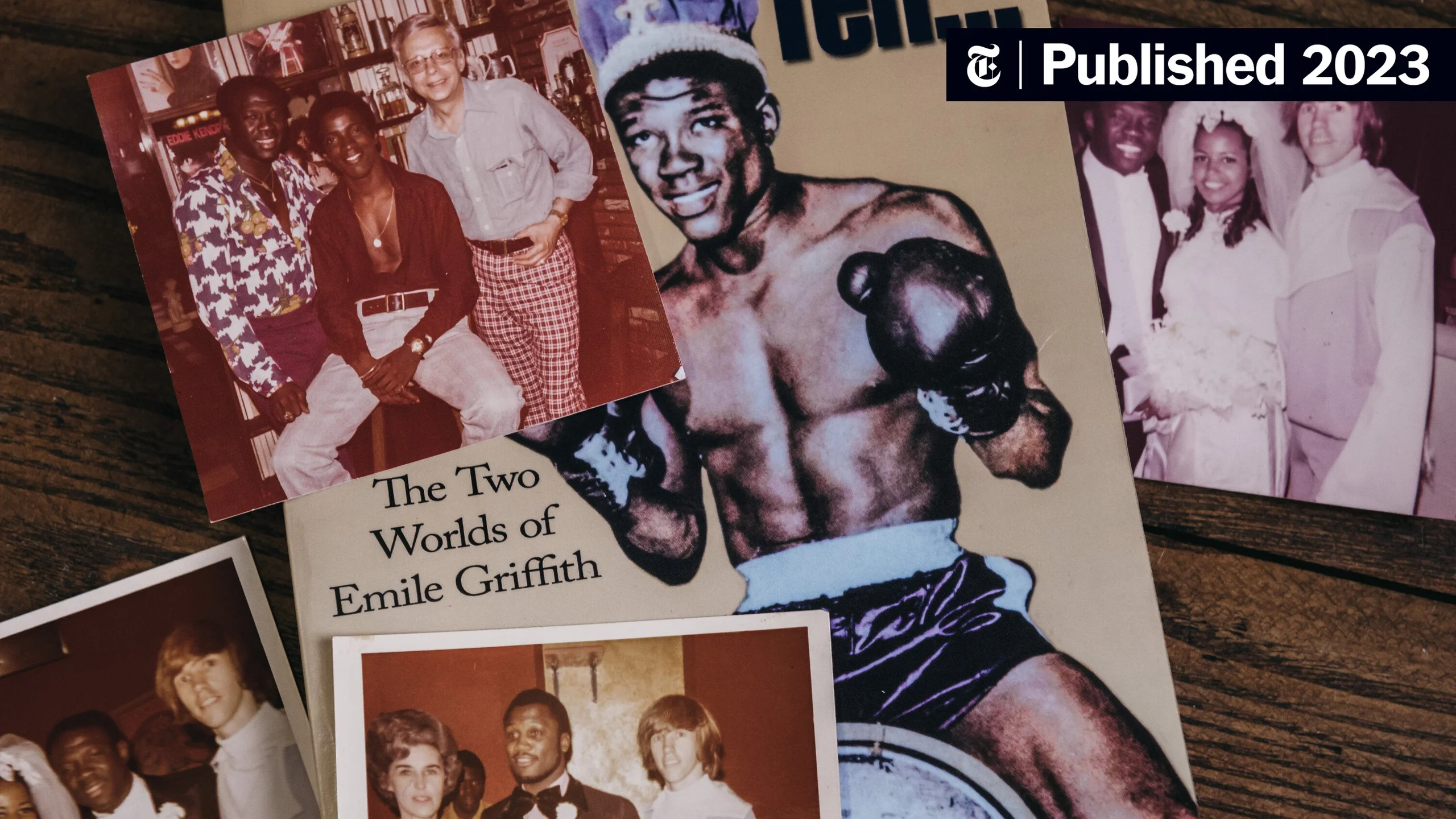
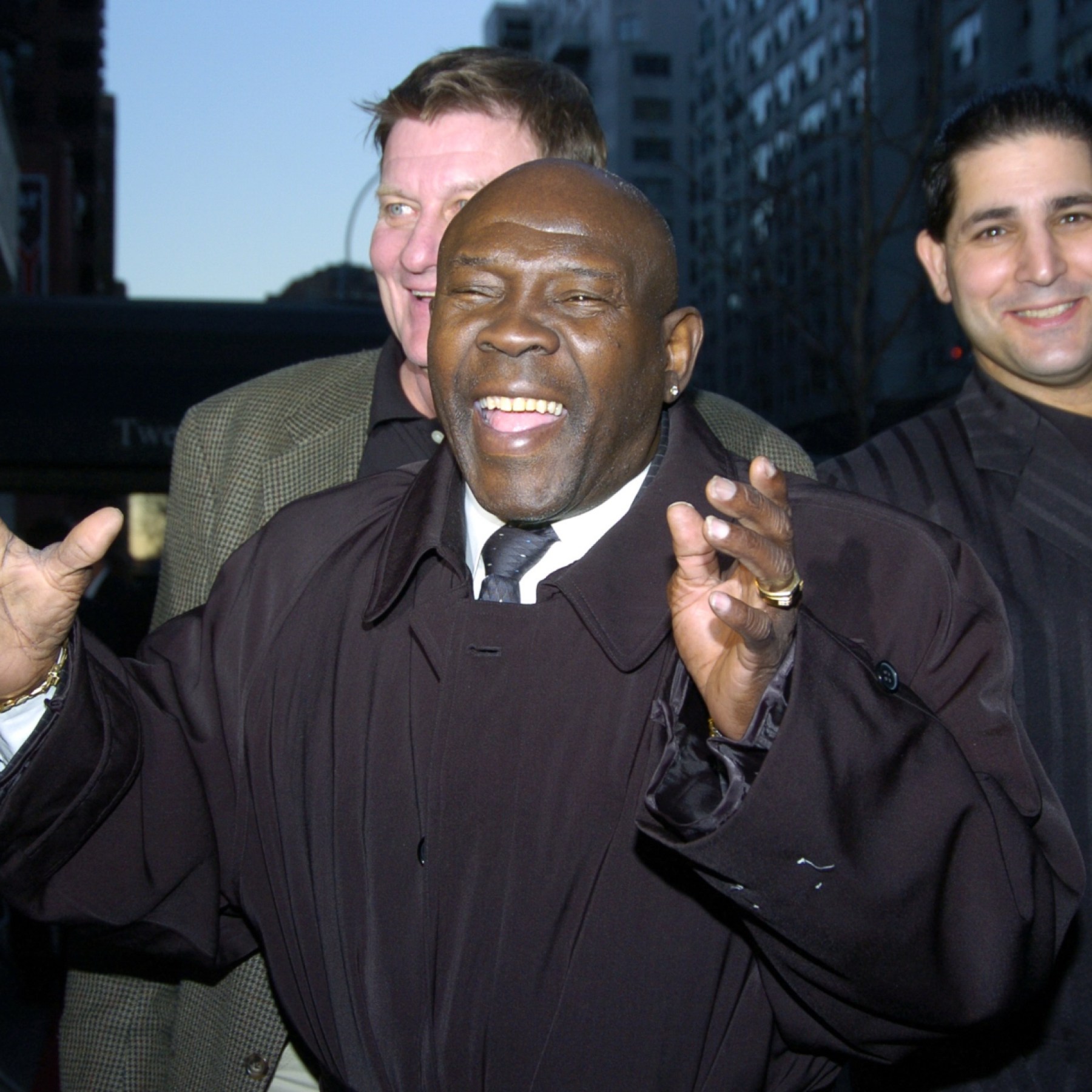
Emile Griffith
 British Virgin Islands
Also known as: Emile Alphonse Griffith, The Ring's #33 Greatest Fighter
Birthday
February 3, 1938
Birth Sign
Aquarius
Birthplace
Saint Thomas, U.S. Virgin Islands
Age
Died at 75
About
Emile Alphonse Griffith was an American professional boxer from the U.S. Virgin Islands who won world championships in three weight divisions: welterweight, light middleweight, and middleweight. He held the undisputed welterweight title and later added belts at 154 and 160 pounds, a five-time world champion in all. His 1962 title defense against Benny Paret ended in a 12th-round knockout on national television; Paret died ten days later, and the tragedy followed Griffith for the rest of his life.
Boxing writers voted him Fighter of the Year in both 1963 and 1964, and The Ring ranked him #33 among the 80 greatest fighters of the past 80 years in 2002. He entered the International Boxing Hall of Fame with the inaugural class in 1990. Griffith died on July 23, 2013, at 75, in Hempstead, New York. In the years since, his story has moved well beyond boxing, becoming the subject of a documentary and two operas, including the Metropolitan Opera's Champion in 2023, which used his double life as a bisexual man in an unforgiving era as its emotional core.
Early Life & Background
Emile Griffith was born on February 3, 1938, in Saint Thomas, in what was then the U.S. Virgin Islands, and came to New York City as a young man. The details of his childhood are thin in the public record, but profiles describe hardship and a youth spent largely around the gym and the garment trade rather than in a classroom. He was not a polished amateur prodigy. He learned the sport in the hard New York gym scene of the 1950s, where a strong kid with fast hands could find work and a way out.
The figure who shaped him most was Gil Clancy, the trainer and manager who took him on and stayed in his corner for the long haul. Clancy guided him from raw prospect to contender, and the partnership lasted through the championship years and beyond. Griffith turned professional in the late 1950s and built his record methodically, fighting often and learning on the job. His own account of what drove him was simple and competitive: if he lost, he was determined to get the man back and beat him. Losing made him more determined, he said, not less.
By the early 1960s he had fought his way into welterweight contention, and the undisputed title was within reach. That is where the pre-fame story ends.
Career Growth
The undisputed welterweight championship came in the early 1960s, and Griffith defended it against the toughest men of his era. The fight that defined him came on March 24, 1962, at Madison Square Garden, the third meeting with Benny Paret. At the weigh-in, Paret had taunted him with a gay slur. Griffith responded with a sustained, punishing barrage and knocked Paret out in the 12th round on national television. Paret never regained consciousness and died ten days later. Griffith was not charged, but the tragedy became the lens through which nearly every later profile was written.
He kept fighting at the top. In 1963 and 1964, The Ring and the Boxing Writers Association of America named him Fighter of the Year. By the middle of the decade he had added the world light middleweight and middleweight titles, making him a three-division champion and a five-time world champion overall. In 1971 he challenged Carlos Monzón for the middleweight title, a bout still revisited in boxing-history features.
Recognition followed long after his last fight. The International Boxing Hall of Fame inducted him in its inaugural class in 1990. In 2002, The Ring placed him #33 on its list of the 80 greatest fighters of the past 80 years, and BoxRec's all-time pound-for-pound rankings list him at #127. The 2005 documentary Ring of Fire brought his story to a wider public, and in 2023 the Metropolitan Opera premiered Champion, an opera about his double life.
Career Timeline
Public Image & Style
Media portrayals of Griffith have always run on two tracks. In the ring he was the elegant, fast, hard-punching craftsman, a three-division champion whose skills were respected by purists. Outside it, he was the closeted bisexual man whose private life collided with a brutal era, and that tension became the frame for nearly every profile written about him after 1962. The tone of that coverage is sympathetic and often tragic, with the Paret fight as the unavoidable center. He was not a showman in the Ali mold and gave few memorable interviews, which left the press to construct his image largely from the fight footage and the silence around his personal life. The operas and documentary of the 2000s and 2010s completed that arc, recasting him from champion to cultural figure.
Fame & Fandom (iFAMOUS Rankings)
iFANN has not yet gathered fame data for Emile Griffith, so no ranking is available for him in the October 2026 index. He is not on the September 2026 iFAMOUS Rankings flagship list. His fame lives instead in the boxing-history community and among LGBTQ+ cultural historians, who have kept his story in circulation through books, documentaries, and opera. There is no formal fandom name and no organized fanbase in the modern sense. What exists is a loose network of admirers: fight fans who trade clips of the Paret bout and the Monzón fights, readers who came to him through Donald McRae's book, and opera-goers who encountered him for the first time through Champion. They do not call themselves anything, but they show up whenever a new piece of his story surfaces.
Interesting Facts and Legends
Griffith's most quoted line, widely attributed to him and repeated in coverage of the operas about his life, captures the paradox he lived with: he killed a man and most people understood and forgave him, but he loved a man and to many he was an evil man.
He is one of the very few boxers to be the subject of two stage operas. A jazz opera, I kill a man... I love a man..., was staged in 2016, and the Metropolitan Opera's Champion followed in 2023. The 1962 Paret fight was carried live on national television, meaning millions of Americans watched the fatal knockout as it happened. Gil Clancy, his trainer and manager, was the constant figure in his corner from prospect to champion and remained close to him for decades. Griffith's story also became a touchstone for LGBTQ+ historians, who point to his presence in gay nightlife while a Madison Square Garden star as a hidden chapter of the Stonewall era.
Notable Quotes
“If I lost, I was determined to get them back and beat them. Losing made me more determined.”
“I kill a man and most people understand and forgive me for that. I love a man, and to many I am an evil man.”
Family & Personal Life
Public records on Griffith's family are sparse. He was born in Saint Thomas, U.S. Virgin Islands, and raised largely in New York City, but the names of his parents and siblings are not well documented in the sources that cover his career. He never married and is not known to have had children. His private life was kept deliberately hidden for most of his career, a necessity in an era when gay men faced police harassment and, as ESPN's profile noted, even electroshock therapy. What he had instead of a conventional household was a tight circle around the gym, with Gil Clancy as the enduring father figure of his professional life. In later years he lived quietly around Long Island, largely out of the public eye.
Notable Connections
Griffith's career is inseparable from a handful of names. Benny Paret was his rival in the trilogy that ended in tragedy. Gil Clancy was his trainer and manager from the early days through the championship years. Carlos Monzón was the middleweight champion he challenged in 1971. Donald McRae wrote the book that reintroduced his story to a new generation. And the Metropolitan Opera team behind Champion, including composer Terence Blanchard, turned his double life into a stage work in 2023.
Relationships & Dating History
No named romantic partner, spouse, or long-term relationship is documented in reliable sources. Griffith was bisexual, and the secrecy of his private life is one of the defining facts of his biography. The era he competed in made openness dangerous: ESPN's profile notes that gay men faced police harassment and that electroshock therapy was used to try to change people like him. What is known is that he lived a double life, appearing at Madison Square Garden as a champion while moving quietly through New York's gay nightlife, a contrast that became the basis for the Metropolitan Opera's Champion. He never married publicly and is not known to have had children. At the time of his death on July 23, 2013, he was not survived by a spouse or partner named in the public record.
Death & Aftermath
Died
July 23, 2013 (aged 75)
Death Place
Hempstead, New York, USA
Cause of Death
Undisclosed
Emile Griffith spent his last years quietly on Long Island, his public appearances thinning as the accumulated damage of a long ring career took its toll. He died on July 23, 2013, at age 75, in Hempstead, New York. Obituaries confirmed the date and place, but his final days stayed private and no officially ruled cause of death was ever widely published. The Los Angeles Times headline said it plainly: a champion boxer who struggled with his sexuality.
Reaction to his death leaned on the cultural work his story had already inspired. ESPN ran a reflective profile, Understanding Emile Griffith, and a video obituary around the same time. The 2005 documentary Ring of Fire: The Emile Griffith Story had long served as the definitive screen portrait, and a 2015 Guardian extract from Donald McRae's book renewed discussion of the Paret fight and its long shadow. In April 2023 the Metropolitan Opera staged Champion, a production built around his double life between Madison Square Garden and Stonewall-era New York, covered at length by The New York Times. A PBS Great Performances broadcast of the opera followed, bringing the story to a television audience that had never seen him fight.
No public funeral details were widely reported. What followed was less a ceremony than a slow reconsideration, carried by documentary, book, and opera, of a fighter whose private life had once been unspeakable in the sport's press.
Net Worth (Estate Value)
$1 Million
iFANN Editorial Team estimate
Emile Griffith died on July 23, 2013, at 75, and no credible net-worth or estate figure has ever been published for him. The iFANN Editorial Team's review of his career earnings, property, and posthumous licensing points to a current estate value of roughly $1 million, a modest sum by the standards of modern champions. His fighting career ended in the 1970s, long before the pay-per-view boom that made later generations wealthy. The bulk of his income came from purses in an era when even a world champion's biggest nights paid far less than today's headline figures.
What the estate holds is mostly intangible. There are no documented posthumous releases, no catalog sale, and no merchandise operation. Revenue comes from the occasional licensing of fight footage, royalties from books and documentaries that draw on his life, and the residual interest generated by the operas and the 2005 documentary Ring of Fire. The 2023 Metropolitan Opera production of Champion brought a fresh wave of attention, but opera revenue flows to the producers, not the estate. No estate manager or beneficiary has been publicly identified. As of 2026, the estate remains small and largely passive, sustained by the cultural afterlife of his story rather than by any active business.
Awards Won (4)
Griffith was named Fighter of the Year by The Ring magazine in both 1963 and 1964, and the Boxing Writers Association of America gave him the same honor in those two years. He won five world championships across three weight divisions, and the International Boxing Hall of Fame inducted him in its inaugural class in 1990.
1964 · Boxing Writers Association of America
1964 campaign
1964 · The Ring
1964 campaign
1963 · Boxing Writers Association of America
1963 campaign
1963 · The Ring
1963 campaign
Known For
Benny Paret fight
1962 · Welterweight title defense and fatal knockout
Undisputed welterweight championship
Early 1960s · World champion
Middleweight and light middleweight titles
Mid-1960s · Three-division champion
Ring of Fire: The Emile Griffith Story
2005 · Documentary subject
Champion
2023 · Metropolitan Opera subject
Keywords
Sources
Quick Facts
- Profession
- boxer
- Born
- February 3, 1938
- Birthplace
- Saint Thomas, U.S. Virgin Islands
- Died
- July 23, 2013
- Death Place
- Hempstead, New York, USA
- Gender
- Male
- Birth Sign
- Aquarius
- World Titles
- 5 across 3 divisions
- Hall of Fame
- International Boxing Hall of Fame, 1990
Personal Details
- Full Name
- Emile Alphonse Griffith
Frequently Asked Questions
Did Emile Griffith kill Benny Paret?
Was Emile Griffith married?
How many world titles did Emile Griffith win?
How did Emile Griffith die?
Why is there an opera about Emile Griffith?
Similar People
Join the community
fans discussing