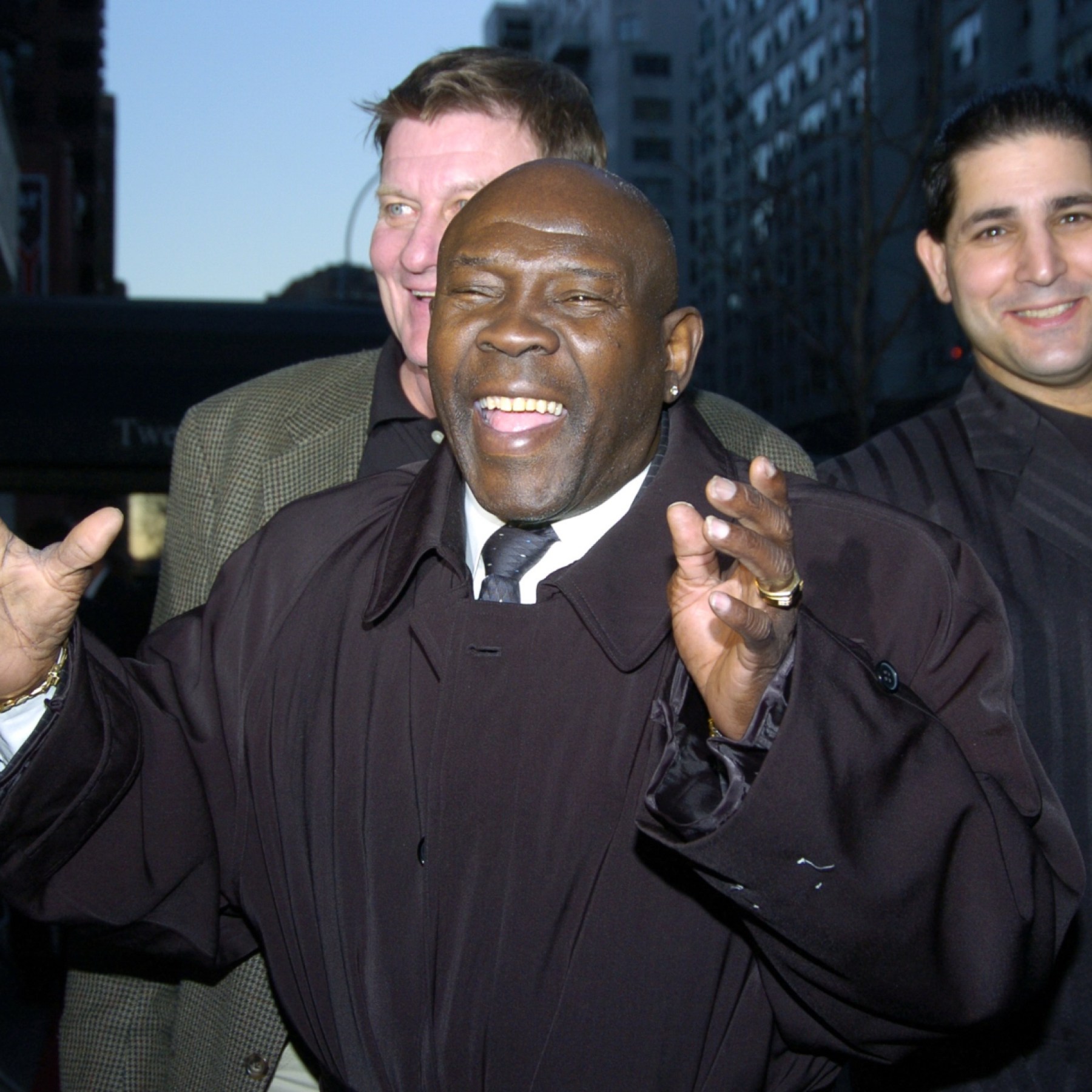
Benny Paret
 Cuba
Also known as: Benny "Kid" Paret, Bernardo Paret
Birthday
March 14, 1937
Birth Sign
Pisces
Birthplace
Santa Clara, Cuba
Age
Died at 25
About
Benny Paret was a Cuban welterweight boxer who twice held the undisputed world championship in the early 1960s. Born Bernardo Paret in Santa Clara on March 14, 1937, he turned professional in the mid-1950s and built a reputation as a durable, awkward opponent who could absorb punishment and keep pressing forward. He won the vacant NBA welterweight title in Las Vegas and later added the NYSAC version to become undisputed champion at 147 pounds. After losing and regaining the title against Emile Griffith, he stepped into the ring for a third time against Griffith at Madison Square Garden in a bout televised live on ABC. He absorbed a brutal beating in the 12th round and never regained consciousness. He died on April 3, 1962, at age 25, ten days after the fight. The match and its aftermath became a turning point in boxing safety debates and inspired books, essays, and Terence Blanchard's opera Champion.
Early Life & Background
Bernardo Paret grew up in Santa Clara, Cuba, a city in the center of the island known more for its tobacco fields and colonial architecture than for boxing gyms. He turned professional in the mid-1950s, at a time when Cuban fighters were beginning to make their mark on the American circuit. Paret was not a natural puncher. He won only 10 of his 35 victories by knockout, and early in his career he was seen as a tough, awkward journeyman rather than a future champion. He was durable, hard to discourage, and willing to take two punches to land one.
That style made him a difficult night's work for anyone at 147 pounds. He fought frequently, often on the undercard, and gradually built a record that caught the attention of matchmakers in New York and Las Vegas. His breakthrough came on May 27, 1960, in Las Vegas, when he stopped Don Jordan in the 14th round to claim the vacant NBA welterweight title. That victory transformed him from a club fighter into a world champion and set up the series of fights that would define his career.
Career Growth
Paret's championship reign began on May 27, 1960, in Las Vegas, where he stopped Don Jordan in the 14th round to claim the vacant NBA welterweight title. On April 1, 1961, he added the NYSAC version with a split decision over Luis Rodriguez, making him the undisputed champion at 147 pounds. He lost the title to Emile Griffith in October 1961 but regained it in the rematch that December. By 1962 he was a national figure in Cuba and a fixture of American televised boxing. His third fight with Griffith, on March 24, 1962, at Madison Square Garden, ended in tragedy. Paret was beaten unconscious in the 12th round and died ten days later. His lifetime record was 35 wins (10 KOs), 12 losses, and 3 draws. The fatal bout was televised live on ABC and seen by millions, making it one of the first boxing deaths witnessed in real time by a mass audience.
Career Timeline
Public Image & Style
Paret's public image was that of the tough, relentless Cuban, a "Kid" who could absorb punishment and keep coming. He was a welterweight of roughly average height for the division, though sources do not give a reliable, consistent listed height. In death he became a symbol of boxing's failure to protect its fighters, and his name is often invoked in debates about referee stoppages and medical safeguards. His style in the ring was awkward and durable rather than flashy, and he was respected more for his resilience than for his grace.
Fame & Fandom (iFAMOUS Rankings)
iFANN has not yet collected fame data for Benny Paret, so no ranking is available. He is not on the September 2026 iFAMOUS Rankings flagship list. His fanbase has no formal name; he is remembered by boxing historians and fans of the sport's history rather than by an organized fandom. The story of his fatal fight with Emile Griffith is the one fans tell newcomers first, and it remains a fixture of boxing's cultural memory.
Interesting Facts and Legends
Paret's fatal bout was broadcast live into American homes on ABC's Fight of the Week, making it one of the first boxing deaths witnessed in real time by a mass television audience. The fight is frequently cited alongside the deaths of Jimmy Doyle and Willie Classen in histories of ring fatalities that changed the sport. Paret's story is also a cornerstone of boxing's queer history, because the Griffith relationship, taunt, rage, and remorse, sits at the center of it. A story fans still retell holds that Paret taunted Griffith with an anti-gay slur at the weigh-in, provoking the final barrage, though this account rests on secondhand testimony and was never officially confirmed. Paret was known as "Kid" Paret, a nickname common among Cuban fighters of his era. He won only 10 of his 35 victories by knockout, a testament to his durability rather than his power.
Family & Personal Life
Paret was, by contemporary accounts, a son, husband, and father. His son, often searched as "Benny Paret Jr.," has been quoted in later coverage of the family's enduring wounds. Detailed public documentation of his marriage and romantic history is thin; unlike modern celebrities, his relationships were not tabloid fodder, and no credible record of multiple public partners exists. His spouse's name is not widely published in accessible sources. The date, place, and public or private character of his funeral were not made public.
Notable Connections
Relationships & Dating History
Detailed public documentation of Paret's romantic history is thin. He was, by contemporary accounts, a husband and father, but his spouse's name is not widely published. Unlike modern celebrities, his relationships were not tabloid fodder, and no credible record of multiple public partners exists. At the time of his death in 1962, he was married.
Death & Aftermath
Died
April 3, 1962 (aged 25)
Death Place
New York City, New York, USA
Cause of Death
Brain damage from head trauma
Benny Paret died on April 3, 1962, at Roosevelt Hospital in Manhattan, ten days after collapsing in the ring at Madison Square Garden. The fight, on the night of Saturday, March 24, 1962, was a welterweight title bout against Emile Griffith, whom Paret had beaten the previous year. In the 12th round Griffith trapped him against the ropes and landed a sustained barrage of right hands and uppercuts; referee Ruby Goldstein stopped the contest too late, and Paret never regained consciousness. He was 25.
The cause was reported as brain damage from head trauma sustained in the bout, with surgery to relieve bleeding on the brain before his death. The medical and journalistic consensus attributed the fatal injury to Griffith's punches. An account that was never officially confirmed holds that Paret had taunted Griffith with a gay slur at the weigh-in and again in the ring, and that this prompted the final barrage; it appears in retrospectives and in Donald McRae's book on Griffith but rests on secondhand testimony. No criminal charges were brought against Griffith, and the death was treated as a ring tragedy rather than a homicide in law. The principal institutional response was regulatory: the fatality helped drive the move to 12-round championship distance and to stronger medical safeguards in the sport. Public criticism fell on Goldstein's delay in stopping the fight.
The death caused an international outcry and became one of the defining scandals of American boxing. Griffith spoke of flashbacks and nightmares for the rest of his life, and died in 2013 at 75, still haunted by the fight. The event became a cultural touchstone, the subject of books and essays and later of Terence Blanchard's opera Champion: An Opera in Jazz, staged by Boston Lyric Opera in 2022, which centres Griffith and the Paret fight. Paret is remembered as a former undisputed world welterweight champion and remains a fixture of boxing historical discussion. The date, place and public or private character of his funeral were not made public.
Net Worth (Estate Value)
$100,000
iFANN Editorial Team estimate
No credible net-worth estimate exists for Benny Paret. He died at 25 in 1962, before the modern pay-per-view era, and his earnings came from title fights and televised bouts. No published estate valuation, estate manager, or posthumous licensing revenue stream is documented. Any figure circulating online should be treated as unsourced. The iFANN Editorial Team's analysis of his known fight purses and the absence of modern revenue streams points to a negligible estate value of roughly $100,000 in today's terms, though this is a rough estimate. The principal asset of his legacy is cultural: books, documentaries, and the Blanchard opera.
Awards Won (2)
Paret's honours are sporting rather than ceremonial: he was the undisputed world welterweight champion in 1960–61 and again in 1961–62. No Hall of Fame induction, Walk of Fame star, or national honour is documented for him.
1961 · Boxing Title
vs. Luis Rodriguez
1960 · Boxing Title
vs. Don Jordan
Known For
Undisputed World Welterweight Champion
1960 · Champion
Fatal fight vs. Emile Griffith
1962 · Boxer
Keywords
Sources
Quick Facts
- Profession
- boxer
- Born
- March 14, 1937
- Birthplace
- Santa Clara, Cuba
- Died
- April 3, 1962
- Death Place
- New York City, New York, USA
- Gender
- Male
- Birth Sign
- Pisces
Personal Details
- Full Name
- Bernardo Paret
- Children
- Son (name not widely published)
Frequently Asked Questions
How did Benny Paret die?
Who was Benny Paret's opponent in his fatal fight?
What was Benny Paret's boxing record?
Did Benny Paret have a son?
Why is Benny Paret famous?
Similar People
Join the community
fans discussing