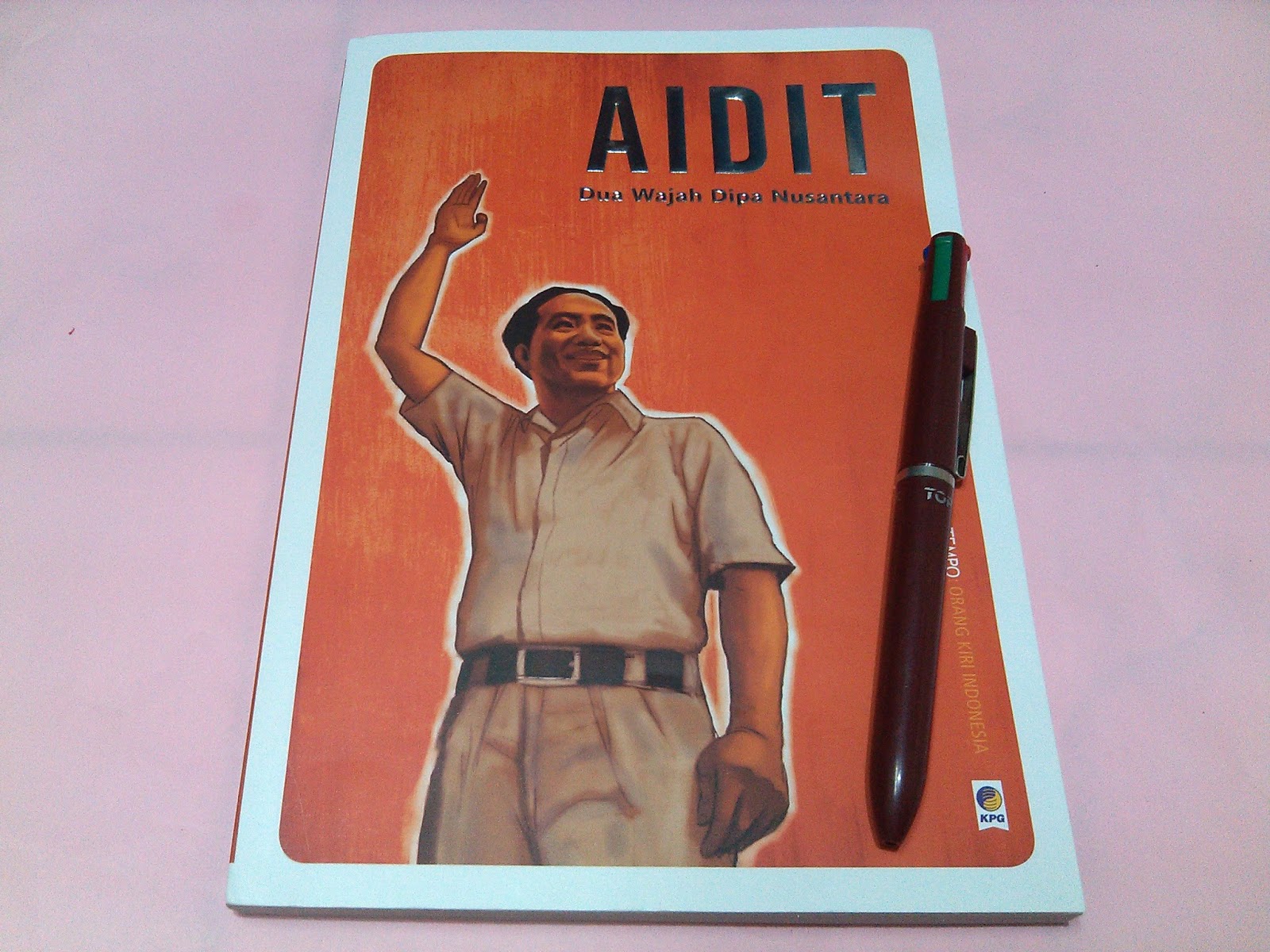
Dipa Nusantara Aidit
 Indonesia
Also known as: Achmad Aidit, Amat
Birthday
July 30, 1923
Birth Sign
Sagittarius
Birthplace
Belitung Island, Indonesia
Age
Died at 42
About
Dipa Nusantara Aidit, born Achmad Aidit on July 30, 1923, on Belitung Island, was a prominent Indonesian communist politician. Known by the nickname "Amat," he rose to become the General Secretary of the Communist Party of Indonesia (PKI) in 1951, a position he held until his summary execution on November 22, 1965, during the violent anti-communist purges that swept the country in 1965–66.
Aidit transformed the PKI from a marginalized group into one of the largest communist parties in the world outside the Soviet Union and China. His leadership style focused on building a broad coalition known as Nasakom, which united nationalists, religious groups, and communists under President Sukarno's guidance. He navigated complex domestic politics with a strategy that sought to integrate the party deeply into Indonesian society while maintaining ideological purity.
Early Life & Background
Born Achmad Aidit on Belitung Island, he grew up in a family where religious devotion was central. Before entering the political arena, he worked as a muezzin, calling the faithful to prayer, and studied religious texts diligently. This early life in Tanjung Pandan shaped his understanding of community and discipline before he ever encountered socialist ideology.
His transition from a religious student to a revolutionary began in the late 1940s. In 1945, he joined an underground anti-fascist organization during the Japanese occupation, marking his first major step into organized resistance. Arrested shortly after for his activities, he spent time in detention but emerged with a hardened resolve. By 1947, he had fully embraced the path of the Communist Party of Indonesia, leaving his earlier name behind to adopt the secular, nationalist identity of Dipa Nusantara Aidit. The choice of "Nusantara" reflected his vision of a unified archipelago rather than a regionally bound movement.
Career Growth
Aidit's ascent within the PKI accelerated rapidly after joining the party in 1947. By 1951, he secured the role of General Secretary, a position he maintained until his death. Under his direction, the party expanded its influence significantly, organizing millions of members across the islands. He championed a policy of peaceful coexistence with the Sukarno regime, advocating for the Nasakom coalition that brought communists into the mainstream of national politics.
His diplomatic efforts took him abroad in 1963 when he led a delegation to visit other communist nations, strengthening ties between Indonesia and the Eastern Bloc. Aidit played a pivotal role in the events surrounding the September 30 Movement (G30S) incident in 1965, positioning the PKI at the center of the nation's most turbulent political crisis. His ability to mobilize mass support and navigate the delicate balance of power made him a formidable figure in Southeast Asian politics until his capture.
Career Timeline
Public Image & Style
Publicly, Aidit was viewed as a disciplined and intellectual leader who commanded respect through his organizational skills. He projected an image of a modern Indonesian patriot who sought to unite the diverse archipelago under a socialist framework. Media portrayals often depicted him as a serious statesman rather than a radical agitator, emphasizing his role in the Nasakom coalition. His secular identity contrasted sharply with his early religious life, creating a narrative of personal transformation that intrigued observers.
Fame & Fandom (iFAMOUS Rankings)
Dipa Nusantara Aidit never cultivated a fandom in the modern sense. No fan clubs wore his face on t-shirts, no birthday billboards lit up Jakarta streets, and there is no organized group of devotees streaming speeches or organizing charity drives in his name. His legacy rests entirely on political ideology and revolutionary struggle rather than the adoration reserved for pop icons. The audience that remembers him does so through historical study and ideological alignment, not the rituals of celebrity worship. Despite this absence of a formal fanbase, his global footprint remains measurable by the metrics that track attention across media coverage, search trends, and consumption signals worldwide. He currently holds a significant position in global fame hierarchies. Dipa Nusantara Aidit is ranked as the 87th most famous person from Indonesia, a placement noted in the iFANN Global Fame Rankings. This represents a slight shift from his previous standing of 84th place last cycle. These rankings reflect his enduring status as a pivotal figure in 20th-century history. While he lacks the vibrant, chaotic energy of a musical star's following, his presence in the digital consciousness of history remains undiminished. The lack of a specific fan name underscores the solemn nature of his remembrance; he is remembered as a martyr and a leader, not an idol to be cheered. Yet, within the vast architecture of global fame, his ordinal position confirms that his story still commands attention decades after his execution.
Interesting Facts and Legends
Historians often recount how he began as a diligent student of religious texts and worked as a muezzin before transforming into the General Secretary of the Communist Party of Indonesia. A persistent story among biographers highlights his pan-Indonesian vision, reflected in the choice of "Nusantara" for his new name, though some details regarding its origin remain debated. The defining legend of his life centers on his death during the violent anti-communist purges of 1965–66. While attempting to evade capture in Central Java, he was hunted down and summarily executed by military forces. This moment of tragic end has become the central pillar of his cultural mythology, overshadowing his earlier rise from a humble family in Tanjung Pandan to leading one of the largest communist parties outside the Soviet Union and China.
Notable Quotes
“The people are the true masters of their destiny.”
“We must build a strong alliance between workers, peasants, and intellectuals.”
Family & Personal Life
Aidit was the eldest of four children born to Abdullah Aidit and Mailan. He was married to Soetanti, who survived him. The couple did not have any publicly recorded children. His family background on Belitung Island provided the foundation for his early education and religious upbringing before he dedicated his life to political activism.
Notable Connections
Relationships & Dating History
Dipa Nusantara Aidit was married to Soetanti. Their marriage remained stable throughout his political career until his death in 1965. There are no widely documented romantic relationships prior to his marriage to Soetanti. As of the time of his death, he was married, and Soetanti survived him. The couple did not have any publicly recorded children.
- MarriedSoetanti1940 - 1965Married until Aidit's execution; no children reported.
Death & Aftermath
Died
November 22, 1965 (aged 42)
Death Place
Desa Bener, Ngadirojo, Wonogiri, Central Java, Indonesia
Cause of Death
Extrajudicial execution by army troops
In a quiet rice field in Desa Bener, Ngadirojo district, Wonogiri Regency, Dipa Nusantara Aidit lay hidden for six weeks after the October 1 coup attempt shattered his political world. On November 22, 1965, army soldiers led by Lieutenant Colonel Soemarno Sosroatmodjo located the PKI General Secretary and shot him multiple times in the head and body immediately upon discovery. The military and government officially ruled that he died in a shootout while attempting to evade capture, a narrative widely disputed as a cover story for summary execution.
The immediate aftermath saw massive propaganda campaigns celebrating the eradication of communism rather than mourning a fallen leader. While supporters of the New Order framed the killing as a victory for national stability, communist circles and exiles later transformed Aidit into a martyr figure. The estate of D.N. Aidit was effectively dissolved and confiscated by the state under the New Order.
It was only in the post-1998 Reformasi era that historians began documenting the systematic executions of PKI leaders. Posthumously, Aidit became the subject of numerous books, documentaries, and academic papers analyzing the history of the 1965 tragedy. Several international scholars and non-governmental organizations have published works detailing his life and death, contributing to a global historical record that challenges the official Indonesian narrative.
Net Worth (Estate Value)
$0
iFANN Editorial Team estimate
As a political leader operating within the economic structures of mid-20th century Indonesia, Dipa Nusantara Aidit did not accumulate personal wealth in the manner of modern business tycoons. His financial resources were tied to his role as a public servant and party leader. Following his death, his estate was effectively dissolved and confiscated by the state under the New Order regime. There are no records of significant assets, real estate holdings, or investment portfolios left behind. The focus of his life was political revolution rather than financial accumulation, and his legacy is measured in ideological impact rather than monetary value.
Awards & Accolades
Known For
Communist Party of Indonesia
1951 · General Secretary
Nasakom Coalition
1959 · Architect
Keywords
Sources
Quick Facts
- Profession
- politician
- Born
- July 30, 1923
- Birthplace
- Belitung Island
- Died
- November 22, 1965
- Death Place
- Indonesia
- Gender
- Male
- Spouse
- Soetanti
- Birth Sign
- Sagittarius
Personal Details
- Full Name
- Achmad Aidit
- Spouse
- Soetanti
- Children
- Education
- Elementary school in Tanjung Pandan; self-taught political theory
Frequently Asked Questions
Who was Dipa Nusantara Aidit?
When and where was Dipa Nusantara Aidit born?
What was Dipa Nusantara Aidit's role in Indonesian politics?
How did Dipa Nusantara Aidit die?
What is Dipa Nusantara Aidit's legacy?
Similar People
Join the community
fans discussing