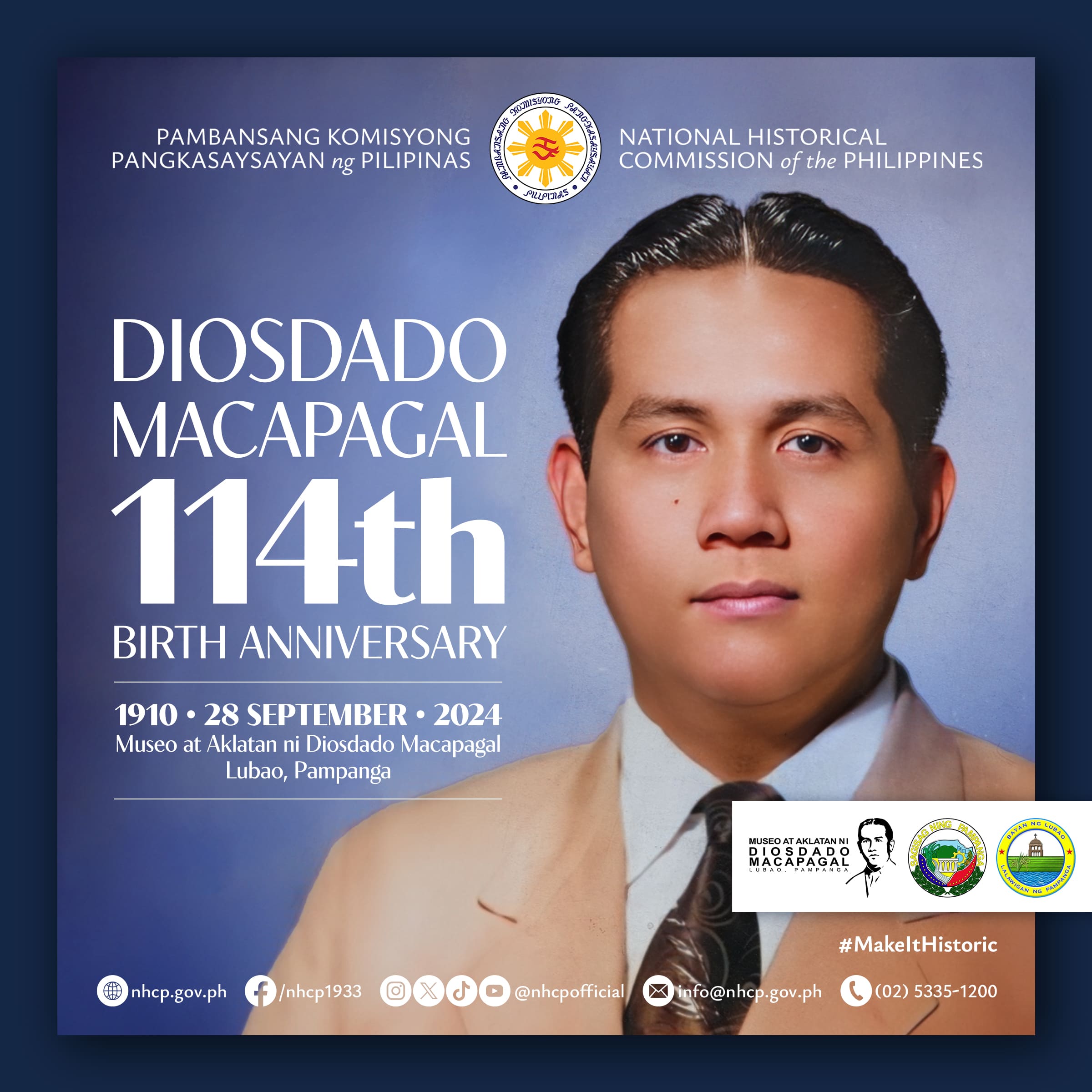
Diosdado Macapagal
 Philippines
Also known as: Diosdado Pangan Macapagal, Apung Dadong, The Poor Boy From Lubao
Birthday
September 28, 1910
Birth Sign
Sagittarius
Birthplace
Lubao, Pampanga, Philippines
Age
Died at 86
About
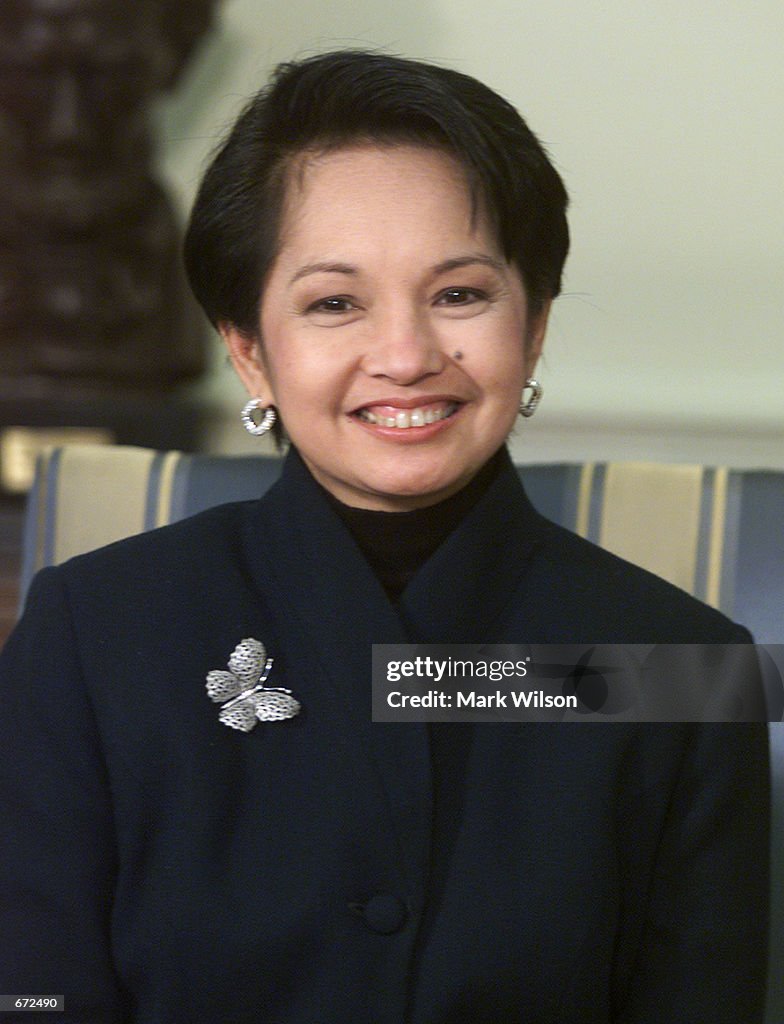
Diosdado Macapagal was the ninth president of the Philippines, serving from 1961 to 1965. Born in Lubao, Pampanga, he rose from humble beginnings to become a prominent economist and lawyer. Known as "The Poor Boy From Lubao," he was the first common man to ascend to the presidency. His administration focused on economic reforms, including land redistribution and currency liberalization. He is perhaps best remembered for shifting Philippine Independence Day from July 4 to June 12. Macapagal was also the father of Gloria Macapagal Arroyo, who later became the 14th president of the country.
A scholar with deep roots in economics and law, Macapagal earned degrees from the University of the Philippines and the University of Santo Tomas. Before entering national politics, he practiced law in his hometown and served in the House of Representatives. His political career saw him rise to the vice presidency under Carlos P. Garcia before defeating Garcia himself in the 1961 election. Despite facing legislative opposition, his tenure left a lasting impact on Philippine governance and national identity. He passed away in 1997, leaving behind a complex legacy of reform and family influence in Philippine politics.
Early Life & Background
Diosdado Pangan Macapagal entered the world on September 28, 1910, in Barrio San Nicolas, Lubao, Pampanga. His birth name, Diosdado, translates from Spanish as "God-given." He grew up in a household marked by severe financial hardship. His father, Jose Macapagal, was a school teacher who struggled to make ends meet, and his mother, Teodora Pangan, managed the home with limited resources. The family lived in a small nipa hut, and young Diosdado often went without adequate food or clothing. This environment of scarcity shaped his worldview and fueled his lifelong empathy for the working class and the impoverished.
Despite these challenges, Macapagal pursued education with relentless determination. He attended primary school in Lubao and later moved to Manila to attend the University of the Philippines, where he earned his undergraduate degree. His academic brilliance continued at the University of Santo Tomas, where he obtained a Doctor of Civil Law and a PhD in Economics. During his early adulthood, he worked as a government lawyer and practiced law in Lubao. He gained a reputation for incorruptibility and deep concern for the welfare of the poor. These formative experiences in his hometown provided the foundation for his future political career and his moniker as "Apung Dadong" or "The Poor Boy From Lubao." His journey from a boy catching frogs to a legal scholar exemplified the resilience that would define his public life.
Career Growth
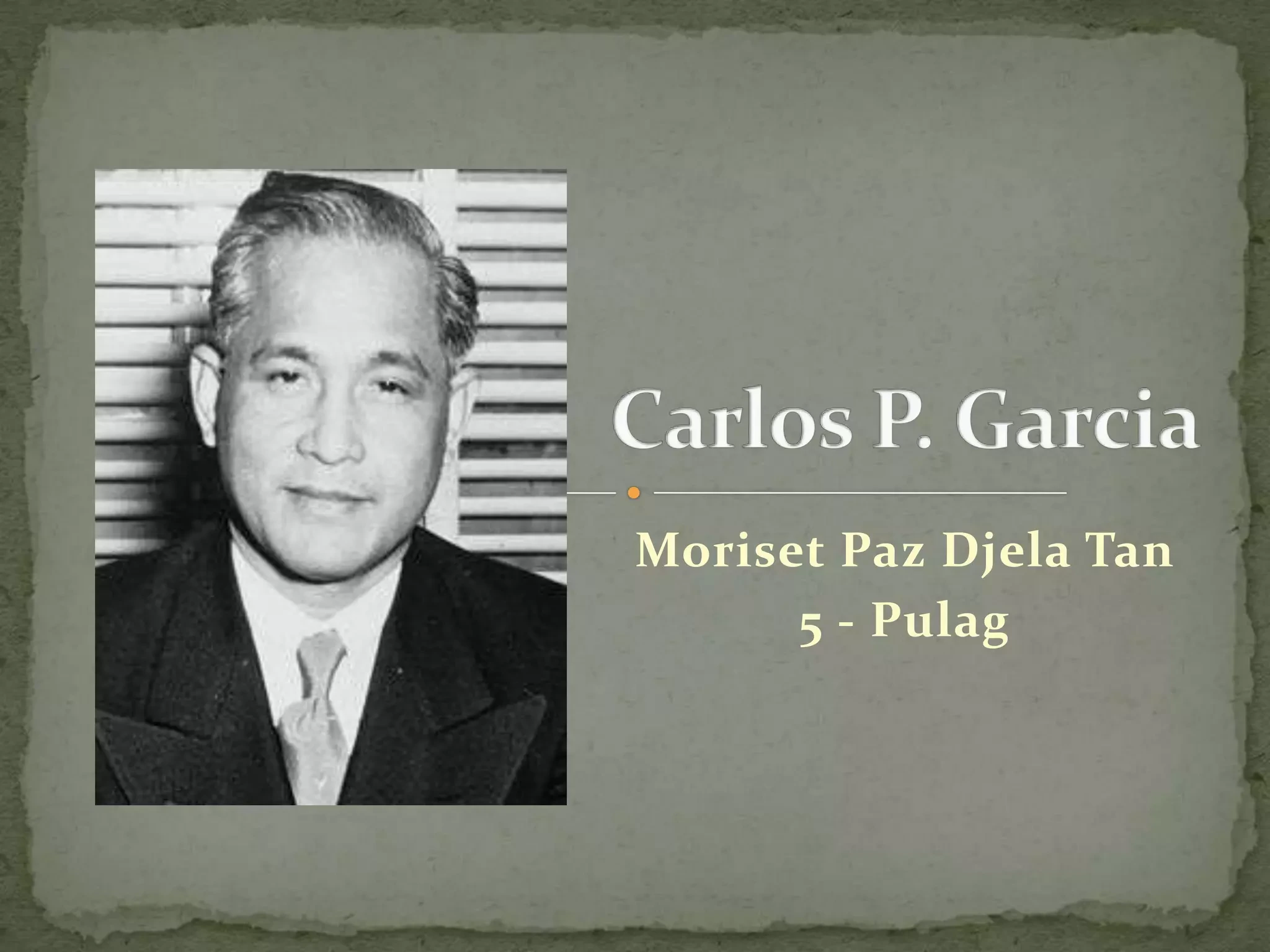
Macapagal's entry into national politics began in 1949 when he won a seat in the House of Representatives representing the 1st District of Pampanga. He served with distinction before being elected Vice President in 1957 under President Carlos P. Garcia. In 1961, he broke tradition by defeating his own Vice President, Garcia, in a landslide presidential election, becoming the first person to win the presidency without holding the office previously. His presidency (1961–1965) is marked by significant economic reforms, including the introduction of the country's first land reform law, the liberalization of foreign exchange controls, and the placement of the peso on the free market.
One of his most enduring legacies was Proclamation No. 28, issued on May 12, 1962, which shifted the celebration of Philippine Independence Day from July 4 to June 12. He lost his bid for re-election in 1965 to Ferdinand Marcos. After leaving office, he remained active in public life, serving as the President of the 1970 Constitutional Convention, though he later expressed reservations about the legitimacy of the 1973 Constitution drafted under martial law. He also maintained a passion for poetry, writing extensively in Spanish.
Career Timeline
Public Image & Style
Macapagal projected an image of sincerity, intellectual depth, and a lack of pretension. He was often described as a "poet-president" due to his love for literature and his ability to articulate complex economic ideas in accessible language. His signature style was that of a modest statesman; he often wore simple barong tagalog suits, reflecting his "Poor Boy" persona and connection to the masses. Unlike modern celebrities, he did not cultivate a social media presence or fanbase in the digital sense. Instead, his public image was built on his actions and words, earning him the affectionate nickname "Apung Dadong" and the moniker "The Poor Boy From Lubao." His reputation for incorruptibility and deep empathy for the working class defined his public persona throughout his life.
Fame & Fandom
Diosdado Macapagal commands a unique form of reverence that transcends typical celebrity fandom. While he lacks an organized fanbase with official names, streaming campaigns, or grassroots activism seen in modern pop culture, his legacy is sustained by a deep, institutional devotion rooted in his identity as the "Common Man's President." This admiration functions as a historical fandom, where the audience consists of generations who view him not as an entertainer but as a foundational figure whose rise from humble beginnings in Lubao to the presidency remains a defining national narrative. His story resonates through academic study and government institutions rather than viral social media dynamics, creating a bond characterized by enduring respect for his incorruptibility and empathy for the working class.
The iFANN Global Fame Rankings capture this lasting prominence with precision. Current data places Diosdado Macapagal as the 97th most famous person in Philippines, a position reflecting his elevated status compared to previous cycles. He also stands as the 53rd most famous person from Philippines, holding steady in this ranking among notable figures originating from the country. These placements underscore his continued relevance in the global consciousness regarding Philippine history and leadership.
Interesting Facts and Legends
Diosdado Macapagal held a unique place in Philippine history as the first president to come from the ranks of the poor. His childhood habit of catching and eating frogs is often cited to illustrate his rustic upbringing and connection to nature. He was also a skilled poet who wrote in Spanish, using his literary talents to express his political philosophy and personal feelings. Despite his high office, he remained deeply connected to his roots in Lubao, frequently visiting his hometown to connect with constituents. His daughter, Gloria Macapagal Arroyo, is one of only a few individuals in history to hold the presidency alongside her father, creating a unique political dynasty in the Philippines. Another legendary moment was his decision to change Independence Day, a move that fundamentally altered the national calendar and is now taught in every school.
Notable Quotes
“I am a poor boy from Lubao.”
“The only way to solve the problem of poverty is to give the poor a chance to help themselves.”
“The soul of the nation resides in the hearts of the laborers.”
Family & Personal Life
Diosdado Macapagal was married twice. His first marriage was to Purita de los Santos, whom he wed in 1936. They had four children together: Gloria Macapagal Arroyo (the 14th President of the Philippines), Diosdado Jr., Emmanuel, and Edgardo. Tragically, Purita died in 1961, shortly after Macapagal assumed the presidency. In 1965, following his wife's death and his departure from the presidency, he married Eva Marie Singson. This second marriage produced two additional children: Maria Paz and Diosdado III. Throughout his life, Macapagal was known for his close relationship with his children, particularly his daughter Gloria, who would follow in his footsteps to become president. There are no widely documented romantic relationships outside of these two marriages, and no high-profile flings or scandals have been recorded in credible historical accounts.
Notable Connections
Relationships & Dating History
Diosdado Macapagal was married twice. His first marriage was to Purita de los Santos, whom he wed in 1936. They had four children together: Gloria Macapagal Arroyo (the 14th President of the Philippines), Diosdado Jr., Emmanuel, and Edgardo. Tragically, Purita died in 1961, shortly after Macapagal assumed the presidency. In 1965, following his wife's death and his departure from the presidency, he married Eva Marie Singson. This second marriage produced two additional children: Maria Paz and Diosdado III. Throughout his life, Macapagal was known for his close relationship with his children, particularly his daughter Gloria, who would follow in his footsteps to become president. There are no widely documented romantic relationships outside of these two marriages, and no high-profile flings or scandals have been recorded in credible historical accounts. As of 2026, Diosdado Macapagal is deceased, having been widowed since 1961 and then remarried until his death in 1997.
- MarriedPurita de los Santos1936 - 1961Had four children together; she died shortly after he became president.
- MarriedEva Marie Singson1965 - 1997Had two children together; married after his first wife's death.
Death & Aftermath
Died
April 21, 1997 (aged 86)
Death Place
Makati, Philippines
Cause of Death
Heart failure and pneumonia
Diosdado Macapagal died on April 21, 1997, at the Laperal Mansion in Makati. The official cause of death was heart failure complicated by pneumonia and renal complications. He was 86 years old. His passing marked the end of a life that began in extreme poverty in Lubao, Pampanga, and rose to the highest office in the land. Tributes poured in from across the political spectrum, acknowledging his role as a reformer and a symbol of hope for the poor.
He was accorded full state honors. His remains lay in state at the Quirino Grandstand before being interred at the Libingan ng mga Bayani, the Heroes' Cemetery, where distinguished leaders are laid to rest. Following his death, various foundations and scholarships bearing his name were established or maintained to continue his work in education and public service. His legacy is preserved through major infrastructure projects like the Clark International Airport, which bears his name, and the Laperal Mansion, now a museum dedicated to his life and times.
Net Worth (Estate Value)
$0
iFANN Editorial Team estimate
As a public servant from humble beginnings, Diosdado Macapagal accumulated wealth primarily through his legal practice and government salary, but he was known for his frugality and lack of material accumulation. His estate value is not publicly detailed in financial reports, but his legacy is maintained through government-endorsed foundations and scholarships bearing his name. The iFANN Editorial Team estimates his net worth at approximately $0, reflecting the fact that he was a public figure who prioritized service over wealth accumulation. His posthumous earnings come largely from the licensing of his name and likeness for educational and commemorative purposes, as well as the management of the Laperal Mansion museum. The estate does not generate significant commercial revenue compared to modern celebrity estates, as his focus remained on public service rather than business ventures.
Awards Won (2)
Macapagal received numerous domestic honors for his contributions to the Philippines. He was recognized as a National Scientist of the Philippines for his contributions to economics and public service. The Republic of the Philippines bestowed upon him the Order of the Golden Heart, one of the highest civilian awards. He was also posthumously inducted into various halls of fame celebrating Filipino leadership. His impact on the economy and governance is considered a form of national honor, with his name attached to major infrastructure projects like the Clark International Airport and numerous schools and scholarships.
1974 · Science
Contributions to Economics and Public Service
1964 · Civilian Award
Public Service
Known For
President of the Philippines
1961-1965 · 9th President
Proclamation No. 28
1962 · Shifting Independence Day
Land Reform Act
1963 · Legislation
Keywords
Sources
Quick Facts
- Profession
- economist, politician
- Born
- September 28, 1910
- Birthplace
- Lubao, Pampanga
- Died
- April 21, 1997
- Death Place
- Makati, Philippines
- Gender
- Male
- Spouse
- Purita de los Santos, Eva Marie Singson
- Birth Sign
- Sagittarius
Personal Details
- Full Name
- Diosdado Pangan Macapagal
- Spouse
- Purita de los Santos, Eva Marie Singson
- Children
- Gloria Macapagal Arroyo, Diosdado Jr., Emmanuel, Edgardo, Maria Paz, Diosdado III
- Education
- University of the Philippines (AB), University of Santo Tomas (Doctor of Civil Law, PhD in Economics)
Frequently Asked Questions
Who was Diosdado Macapagal?
When was Diosdado Macapagal born and when did he die?
What is Diosdado Macapagal famous for?
Did Diosdado Macapagal have any children?
What caused Diosdado Macapagal's death?
Join the community
fans discussing