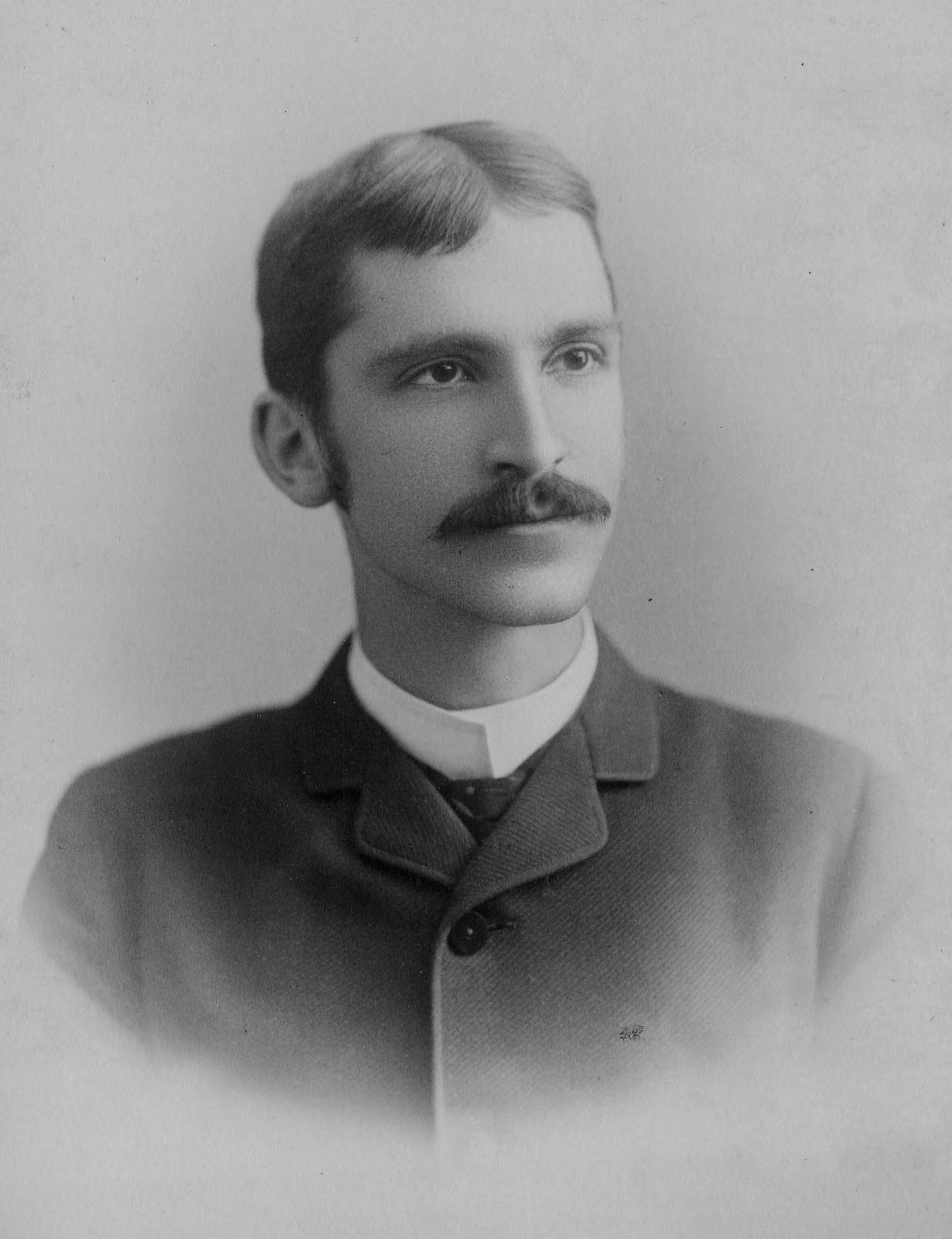
Dewey Short
Also known as: Dewey Jackson Short, Orator of the Ozarks
Birthday
April 7, 1898
Birth Sign
Aries
Birthplace
Galena, Missouri
Age
Died at 81
About
Dewey Jackson Short was an American politician from Missouri who served 12 terms in the U.S. House of Representatives. A Republican, he represented the state's 7th congressional district across two separate stints, first from 1929 to 1931 and then from 1935 to 1957. He gained the nickname “Orator of the Ozarks” for his powerful public speaking, and he used that platform to voice sharp opposition to President Franklin D. Roosevelt's New Deal policies.
His political career was shaped by the Great Depression, which redrew Missouri's electoral map and ended his first term in Congress. He returned in 1935 and remained a fixture in the House for more than two decades, serving through World War II and the early Cold War. His oratory and conservative principles made him a distinctive figure in mid-century American politics.
Today, Short is remembered through the Dewey Short Visitor Center at Table Rock Lake in Branson, Missouri, which opened on April 27, 2012. The center, operated by the U.S. Army Corps of Engineers, stands as a lasting tribute to a man who never forgot his rural Ozarks roots. It provides education about hydroelectricity, Native American history, water safety, and Ozarks plants and animals, attracting thousands of visitors each year.
Early Life & Background
Dewey Jackson Short was born on April 7, 1898, in Galena, a small town in Stone County, Missouri. Growing up in the Ozarks, he attended public school and Galena High School. He then pursued higher education at Baker University, followed by degrees from Harvard University and the University of Berlin, an unusual international education for a Missouri politician of his era. Before entering politics, Short was ordained as a Methodist minister and worked as a teacher. He also served in World War I, an experience that shaped his early adult life.
His first foray into public life came in 1929, when he was elected to the U.S. House of Representatives. However, the Great Depression dramatically altered the political landscape, and he lost his seat in 1931. The defeat was a turning point, but it did not end his political ambitions. He returned to Congress in 1935, beginning a longer tenure that would define his career.
Career Growth
Dewey Short's breakthrough came in 1935 when he returned to Congress after a four-year absence. He would go on to serve a total of 12 terms, becoming a prominent Republican voice in the House. Known for his oratory, he was a vocal critic of President Franklin D. Roosevelt's New Deal, arguing against the expansion of federal power. His speeches were noted for their force and clarity, earning him the nickname “Orator of the Ozarks.”
Short's congressional career spanned the New Deal, World War II, and the early Cold War. He was a staunch conservative who championed limited government and fiscal restraint. He retired from Congress in 1957, leaving behind a legacy as one of Missouri's most enduring political figures. After his retirement, he lived in Washington, D.C., until his death on November 19, 1979.
Career Timeline
Public Image & Style
Dewey Short is remembered as a powerful orator, a devoted public servant, and a man who never forgot his rural Ozarks origins. Historical retrospectives describe him as an enigma, a minister-turned-politician who combined religious conviction with sharp political criticism of the New Deal. His legacy is physically commemorated in the Dewey Short Visitor Center at Table Rock Lake, which serves as an educational gateway to the Ozarks region. The center, opened in 2012, continues to attract visitors and stands as a testament to his lasting impact on the region.
Fame & Fandom
Dewey Short currently holds no ranking in the iFANN global fame database, as data collection for this historical figure has not yet been completed. While the Global Fame Engine tracks living and recent cultural icons with precision, the absence of a documented rank for Short reflects his status as a mid-20th century political figure rather than a contemporary pop culture subject. His influence remains localized to Missouri history and congressional archives, lacking the modern metrics required for a global placement. Consequently, no ordinal position can be assigned at this time.
There is no formal fandom or organized fanbase associated with Dewey Jackson Short. As a politician who served twelve terms in Congress between 1929 and 1957, he did not cultivate the celebrity-driven following typical of entertainers. His supporters were constituents and political allies rather than fans engaging in rituals or campaigns. The closest equivalent to a fan community exists within local historical societies and visitors to the Dewey Short Visitor Center in Branson, Missouri, which opened in 2012. This site serves as an educational hub for those interested in his life, the White River Watershed, and his role during the Great Depression and World War II. Unlike modern celebrities, Short had no social media presence, fan clubs, or viral moments; his legacy is maintained through physical memorials and regional storytelling rather than digital engagement or fan-funded projects.
Interesting Facts and Legends
Dewey Short served twelve terms in the U.S. House of Representatives, split between two non-consecutive periods from 1929 to 1931 and 1935 to 1957. Before entering politics, he worked as a Methodist minister and studied at the University of Berlin, an uncommon educational path for a Missouri politician of his time. He earned the moniker "Orator of the Ozarks" due to his powerful speaking abilities and his vocal opposition to President Franklin D. Roosevelt's New Deal policies. A veteran of World War I, Short remained a conservative Republican voice throughout the Great Depression and World War II eras. Historical accounts frequently recount the story of his deep connection to his rural roots, noting that he never forgot his humble beginnings despite his long tenure in Washington. Another enduring legend concerns his longevity in office; serving across two decades and through major national crises made him a permanent fixture in the state's political landscape. The narrative of his death in 1979 at his home in Washington, D.C., following a return to Missouri, solidified his status as a regional icon. The Dewey Short Visitor Center at Table Rock Lake stands as a physical reflection of these stories, attracting visitors who seek to understand the man behind the nickname and the policies he championed.
Family & Personal Life
Details about Dewey Short's family are sparse in the available records. He was born in Galena, Missouri, to a family rooted in the rural Ozarks. His upbringing in a small town shaped his worldview and his political identity. Short was married, though the name of his spouse and details of his marriage are not well-documented in public sources. He had no known children. He lived in Washington, D.C., after his retirement from Congress, and he died there on November 19, 1979.
Notable Connections
Dewey Short was a Republican congressman who served alongside many notable figures of his era. He was a vocal opponent of President Franklin D. Roosevelt's New Deal policies, placing him in opposition to the dominant Democratic administration of the 1930s and 1940s. His political career was shaped by the shifting political landscape of Missouri during the Great Depression.
Relationships & Dating History
Details about Dewey Short's romantic relationships are not well-documented in the available sources. He was married, but the name of his wife and the dates of their marriage are not recorded in the search results. As a public figure of his era, his personal life remained largely private. He died on November 19, 1979, and was predeceased by his wife, as no records indicate she survived him. At the time of his death, he was widowed.
Death & Aftermath
Died
November 19, 1979 (aged 81)
Death Place
Unknown
Cause of Death
Unknown
Net Worth (Estate Value)
As a career politician and minister from a rural Missouri district, Dewey Short's personal wealth was modest by modern standards. He died in 1979. His income during his lifetime came from his congressional salary and his earlier work as a pastor and teacher. Unlike contemporary politicians, he did not accumulate significant wealth through investments or business ventures. His estate, if any, was likely modest and has not been the subject of public financial reporting.
Awards & Accolades
View 1 records, honours and achievementsKnown For
U.S. House of Representatives
1929-1957 · Representative from Missouri
Keywords
Sources
Quick Facts
- Profession
- politician, pastor, teacher
- Born
- April 7, 1898
- Birthplace
- Galena, Missouri
- Died
- November 19, 1979
- Death Place
- Washington, D.C.
- Gender
- Male
- Birth Sign
- Aries
- Political Party
- Republican
- Years in Congress
- 1929–1931, 1935–1957
Personal Details
- Full Name
- Dewey Jackson Short
- Education
- Galena High School; Baker University; Harvard University; University of Berlin
Frequently Asked Questions
Who was Dewey Short?
Where is the Dewey Short Visitor Center located?
When was Dewey Short born and when did he die?
What party was Dewey Short affiliated with?
What was Dewey Short's profession before politics?
Join the community
fans discussing