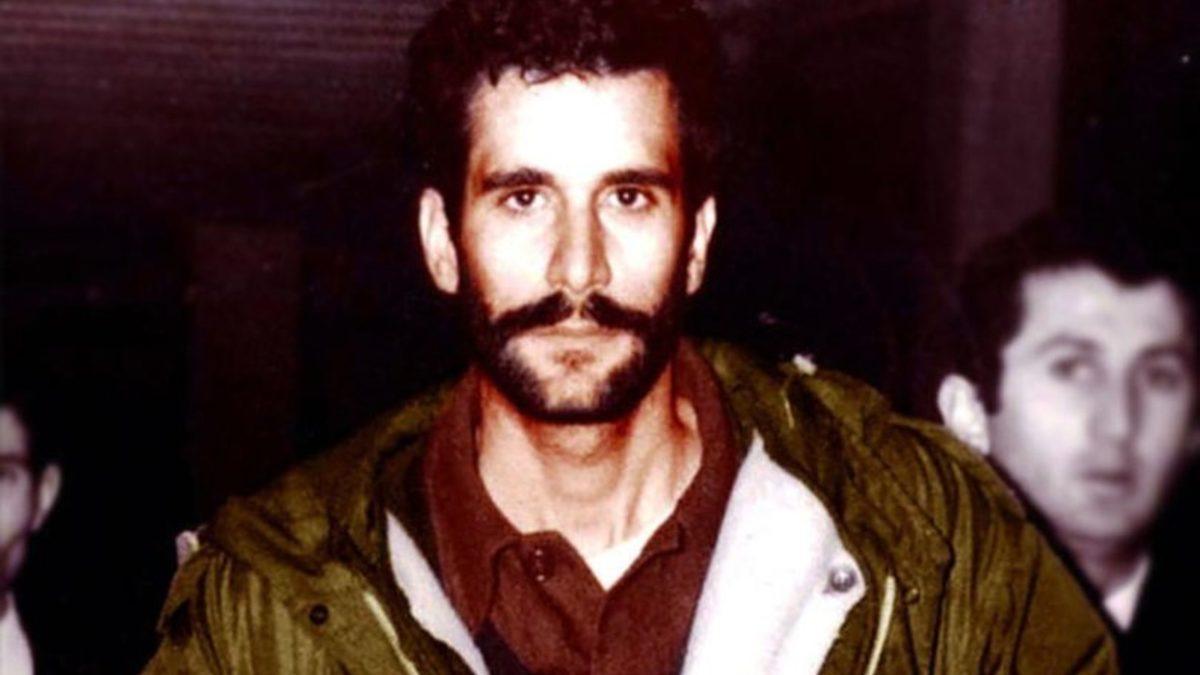
Deniz Gezmiş
 Turkey
Birthday
February 27, 1947
Birth Sign
Pisces
Birthplace
Ayaş, Turkey
Age
Died at 25
About
Deniz Gezmiş was a Turkish Marxist-Leninist revolutionary and student leader who became a defining figure in Turkey's late-1960s political upheaval. He co-founded the People's Liberation Army of Turkey (THKO) and was executed by the state in 1972 at age 25, alongside Yusuf Aslan and Hüseyin İnan.
For the Turkish left, Gezmiş is a martyr and symbol of resistance against imperialism and authoritarianism. His name still resonates in protests and commemorations, and his image, long hair, raised fist, appears on banners and posters. Right-wing critics, however, label him a terrorist. This split perception underscores his enduring impact on Turkey's political memory.
Early Life & Background
Deniz Gezmiş was born in Ayaş, a district of Ankara, on February 27, 1947. His father, Cemil Gezmiş, was an inspector of primary education, and his mother, Mukaddes, taught primary school. The family moved frequently, and Deniz spent his childhood in several Anatolian towns, including Sivas, where he completed much of his early schooling.
In the mid-1960s, Gezmiş moved to Istanbul for high school. There he encountered socialist ideas and joined the Turkish Worker's Party youth wing. He soon became a vocal activist, organizing protests against U.S. influence and the Vietnam War. By 1968, he was a prominent figure in the student occupation of Istanbul University, which he helped lead.
His radicalization deepened after the 1969 student protests, and he began to advocate armed struggle. He traveled to Palestine for guerrilla training, an experience that shaped his belief in revolutionary violence. Returning to Turkey, he helped found the THKO in 1970, committing to a path that would lead to his capture and execution.
Career Growth
Gezmiş's revolutionary career peaked with the formation of the THKO, which carried out bank robberies and kidnappings to fund and publicize its cause. In early 1971, the group kidnapped four U.S. airmen from a base near Ankara, a dramatic act that drew international attention. Gezmiş was captured on March 18, 1971, just days after the kidnapping, and was tried by a military court.
His trial became a platform for his political beliefs. He used the courtroom to denounce imperialism and defend armed revolution, delivering speeches that were widely circulated. Sentenced to death, he was executed on May 6, 1972, in Ankara's central prison. His last words, as reported, were “Long live a wholly independent Turkey. Long live the noble ideology of...”
Though his life was cut short, Gezmiş's actions and words have had a lasting influence on Turkish leftist movements, and he is remembered annually.
Career Timeline
Public Image & Style
Deniz Gezmiş is remembered as a romantic revolutionary figure, often compared to Che Guevara. His youthful appearance and defiant stance have made him an icon for leftist movements in Turkey. While the left venerates him as a hero, the right portrays him as a terrorist, reflecting the deep political divisions in the country. His image appears on posters, murals, and in films, and his name is invoked in protests against government policies. Annual commemorations at his grave attract thousands, keeping his memory alive.
Fame & Fandom (iFAMOUS Rankings)
Deniz Gezmiş remains a polarizing figure in Turkey's political memory, standing as the 51st most famous person in Turkey according to the iFANN Global Fame Rankings. This placement, holding steady from the previous cycle, reflects his enduring resonance among those who view him as a martyr and those who label him a terrorist. While he lacks a formal fandom name or organized fan clubs typical of pop culture icons, his legacy is sustained by specific ideological groups rather than consumer-based rituals. The Deniz Gezmiş Foundation and various political parties channel support through annual commemorations and marches, keeping his image alive on banners and posters decades after his death. Recent discoveries, including a lost audio recording found in Germany in 2026, have added new layers to his story, proving that his voice still commands attention. His status is not one of celebrity worship but of historical gravity, where his name invokes deep debates about imperialism, authoritarianism, and national independence. Unlike modern stars whose fame fluctuates with chart positions, Gezmiş's rank remains anchored in the collective consciousness of a nation divided by its own history.
Interesting Facts and Legends
Gezmiş was known for his distinctive long hair and beard, a style that became a symbol of the Turkish student movement. He reportedly kept a copy of Che Guevara's diary with him. His favorite phrase was "Tam bağımsız Türkiye" (fully independent Turkey), which he shouted at his execution. He was an avid reader of Marxist theory and reportedly memorized long passages from Das Kapital. His father, Cemil, was a left-leaning education inspector, which influenced his early political views. Legends surrounding his life include the widely circulated black-and-white photograph allegedly showing him crying while being taken to the gallows, though recent fact-checking has questioned its authenticity. Another significant lore point involves the discovery of a lost audio recording made while he was in prison, found in Germany in May 2026, which offers a rare glimpse into his final thoughts. The grouping of Gezmiş, Yusuf Aslan, and Hüseyin İnan as the "Three Saplings" (*Üç Fidan*) is central to this mythology, with their burial side-by-side in Karşıyaka Cemetery symbolizing their eternal unity even in death.
Notable Quotes
“Long live a wholly independent Turkey. Long live the noble ideology of...”
“We are not bandits, we are revolutionaries.”
“The people will win.”
Family & Personal Life
Deniz Gezmiş was born to Cemil and Mukaddes Gezmiş. His father, an inspector of primary education, and his mother, a primary school teacher, raised him in a modest, education-focused household. He had a younger brother, Hamdi Gezmiş, who later became a lawyer and activist. Hamdi, who passed away on June 17, 2020, spent much of his life defending his brother's legacy and fighting for a retrial of the case. Deniz never married and had no children.
Notable Connections
Relationships & Dating History
Death & Aftermath
Died
May 6, 1972 (aged 25)
Death Place
Ankara, Turkey
Cause of Death
Execution by hanging
The Special Military Court upheld the death sentences of Deniz Gezmiş, Hüseyin İnan, and Yusuf Aslan on October 9, 1971, a verdict that remained binding despite international pleas and appeals. On May 6, 1972, the three men were executed by hanging at Ayaş Prison in Ankara. Gezmiş spent his final days in pre-trial detention since his capture in March 1971, refusing to show remorse during trial proceedings where he famously declared pride in his actions against the state. The execution followed a judicial procedure based on Article 146 of the Turkish Criminal Code. Immediate reaction transformed the trio into martyrs for the Turkish left, sparking massive vigils and protests across Istanbul and Ankara. The funeral was conducted under strict military supervision as a private burial at Yeniköy Cemetery, preventing any public procession due to fears of unrest.
Over decades, the site evolved into a pilgrimage destination where supporters maintain murals dedicated to the "Three Heroes." Annual commemorations have persisted, such as gatherings in 2016 and 2024 featuring carnation tributes and chants against NATO, though these events frequently draw police intervention. Posthumously, Gezmiş became an enduring icon in leftist culture, featured in documentaries like Deniz Gezmiş Belgeseli and appearing on banners throughout Turkey. In 2020, Republican People's Party deputy Tekin Bingöl introduced a bill to restore the honors of the executed leaders, signaling ongoing efforts to rehabilitate their legacy legally and symbolically.
Net Worth (Estate Value)
$0
iFANN Editorial Team estimate
iFANN currently estimates Deniz Gezmiş's net worth at $0. As a revolutionary who died in 1972, he possessed no personal wealth during his lifetime. His estate, if any existed, would be negligible, and there is no public information regarding posthumous earnings or estate management. His legacy remains entirely cultural and political rather than financial.
Awards & Accolades
View 2 records, honours and achievementsKnown For
People's Liberation Army of Turkey (THKO)
1970 · Co-founder
Student protests of 1968
1968 · Leader
Execution as a political martyr
1972 · Symbol
Keywords
Sources
Quick Facts
- Profession
- Revolutionary, student leader
- Born
- February 27, 1947
- Birthplace
- Ayaş, Turkey
- Died
- May 6, 1972
- Death Place
- Ankara, Turkey
- Gender
- Male
- Birth Sign
- Pisces
Personal Details
- Full Name
- Deniz Gezmiş
Frequently Asked Questions
Who was Deniz Gezmiş?
Why was Deniz Gezmiş executed?
How old was Deniz Gezmiş when he died?
What is Deniz Gezmiş's legacy?
Did Deniz Gezmiş have any family?
Similar People
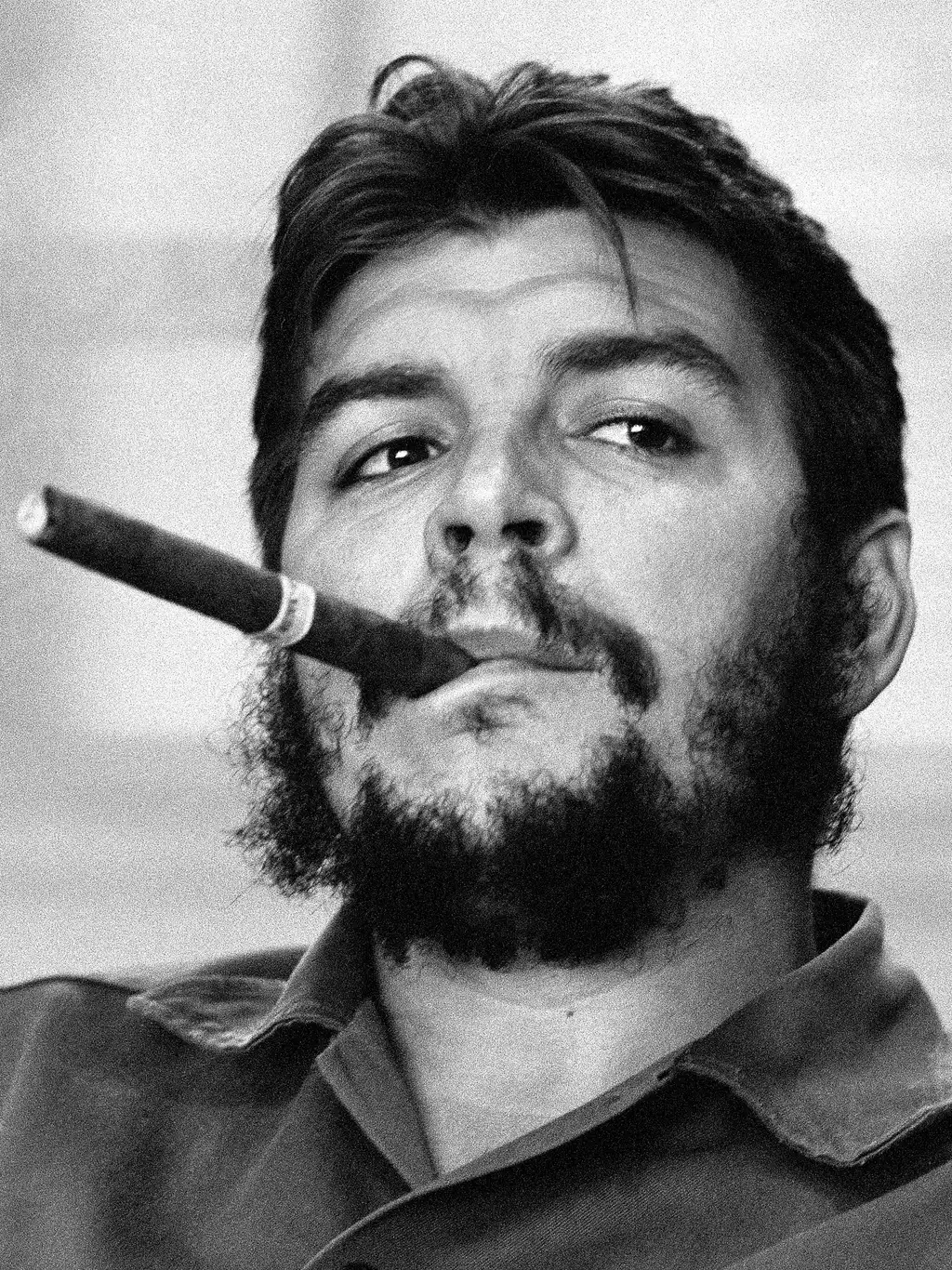
Join the community
fans discussing