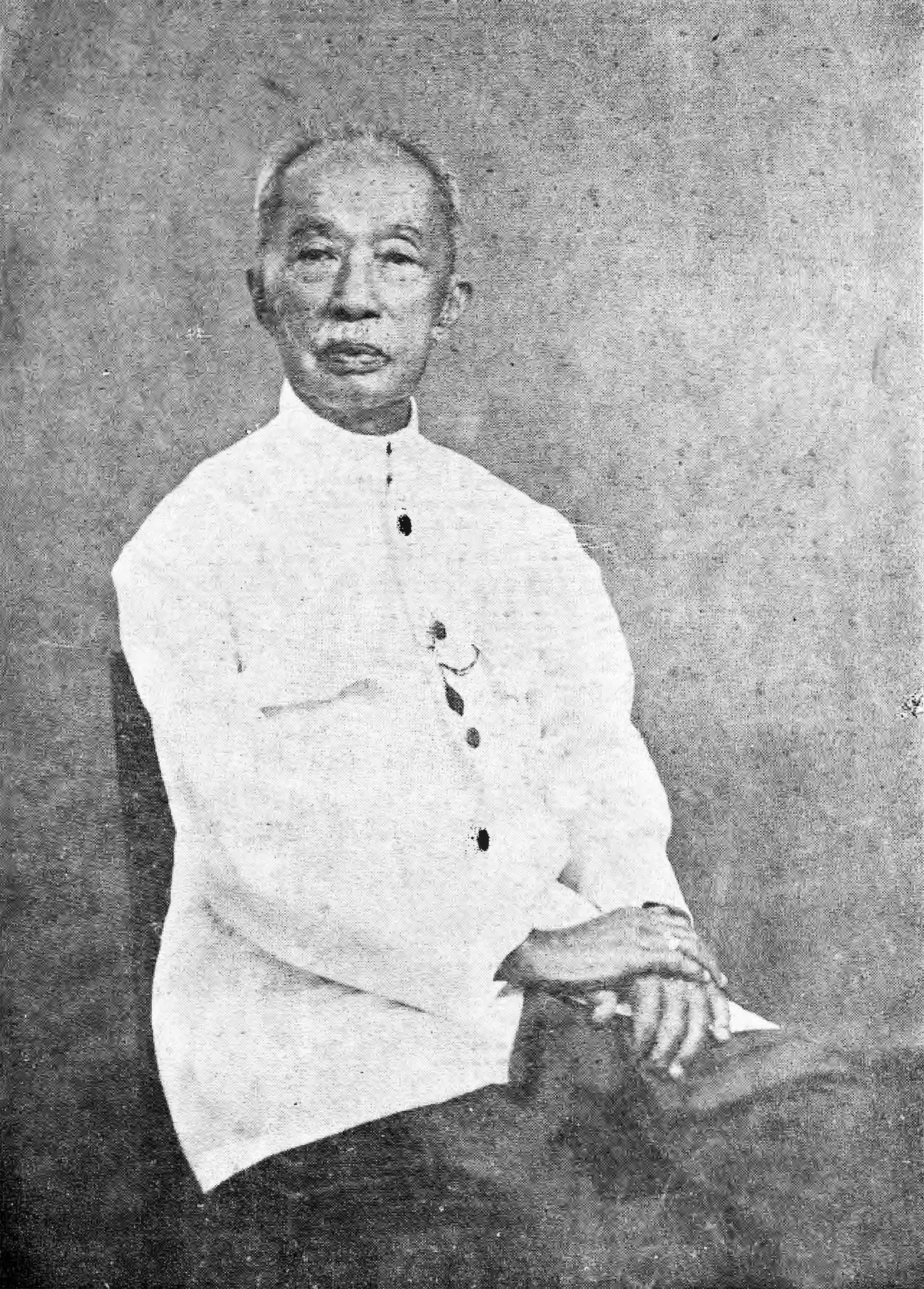
Damrong Rajanubhab
 Thailand
Also known as: Prince Damrong, Damrong Rachanuphap, Kromphraya Damrong Rachanuphap, Kromphraya Damrong Rajanubhab
Birthday
June 21, 1862
Birth Sign
Sagittarius
Birthplace
Bangkok, Siam
Age
Died at 81
About
Prince Damrong Rajanubhab was a transformative figure in Thai history who served as the Father of Modern Thai History. Born Tisavarakumara in Bangkok on June 21, 1862, he dedicated his life to public service and intellectual preservation under the reigns of King Chulalongkorn and subsequent monarchs. He founded the discipline of modern Thai historiography and restructured the nation's provincial administration by creating the monthon system. His work laid the groundwork for Thailand's modern educational system and preserved the country's cultural heritage.
He passed away on December 1, 1943, at the age of 81 in Bangkok. His legacy remains enshrined in Thai institutions, where his writings continue to serve as foundational texts. The National Archives of Thailand holds collections dedicated to his life and work, ensuring his contributions to governance and scholarship are studied by future generations.
Early Life & Background
Tisavarakumara entered the world in 1862 as the 57th son of King Mongkut (Rama IV) and Chao Chom Manda Chum. Growing up in the royal court of Bangkok, he received an education that blended traditional Thai studies with emerging Western concepts. His father, known for his openness to new ideas, influenced the young prince's upbringing significantly. By the time he turned 18, Tisavarakumara had already stepped into the military sphere, commanding the Royal Guards Regiment. This early entry into state service marked the beginning of a career focused on modernizing the armed forces while cultivating a deep passion for literature and history.
Unlike many contemporaries who relied solely on formal schooling, he became a renowned autodidact. He taught himself through extensive reading and research, a trait that would define his later scholarly contributions. Before his major political appointments, he served as Commander-in-Chief of the Royal Army starting in 1887. These formative years allowed him to develop the administrative skills and historical perspective necessary for the radical reforms he would later implement across the kingdom.
Career Growth
In 1892, Prince Damrong was appointed Minister of Education, where he established schools and standardized curricula to foster a unified national identity. His most enduring impact came when he assumed leadership of the Ministry of the Interior in 1894. There he undertook a radical overhaul of provincial administration, merging smaller provinces and centralizing power by appointing salaried governors. He introduced administrative divisions known as monthons, which effectively ended the semi-autonomous rule of local chieftains and created a cohesive state apparatus.
As a historian, he authored numerous works documenting Thai history, culture, and folklore, moving away from mythological chronicles toward empirical analysis. His writings explored ancient chronicles and the lives of historical figures, influencing institutions like the San Somdet. In 1930, he traveled to the Preah Vihear temple site to collaborate with French researchers, symbolizing a period of scientific cooperation. His prolific writing continued throughout the 1910s and 1920s, cementing his status as a foremost Thai intellectual until his death in 1943.
Career Timeline
Public Image & Style
Prince Damrong is portrayed as a visionary statesman and a humble scholar. His writings are characterized by a tone of reverence for Thai heritage and a commitment to national unity. His public image is one of wisdom, integrity, and dedication to the advancement of Thai knowledge and administration. He is universally acknowledged as the Father of Modern Thai History, a title earned through his establishment of the modern provincial administration and educational systems. His approach combined rigorous empirical research with a deep respect for tradition.
Fame & Fandom
Prince Damrong Rajanubhab commands a legacy of reverence rather than the organized fervor typical of modern celebrity culture. No formal fandom name exists for his supporters, nor are there documented fan campaigns, ritual gatherings, or commercial drives orchestrated by a dedicated following. The public interest in his life manifests as scholarly respect and civic appreciation from historians, students, and citizens who value his contributions to national identity. According to the September 2026 iFANN Global Fame Rankings, he holds a steady position as the 84th most famous person in Thailand. While he lacks the viral moments of current entertainers, his stature as a foundational figure ensures a consistent presence in global fame metrics. His influence is absorbed into the broader historical narrative of Thailand without the trappings of a fanbase.
Interesting Facts and Legends
Prince Damrong is legendary for his involvement in the Preah Vihear Expedition, where he worked alongside French Resident Governor Henri Parmentier. This event is frequently cited in discussions regarding the border dispute between Thailand and Cambodia. Despite his royal status, he remained a self-taught scholar who taught himself history through extensive reading. He played a crucial role in preserving Thai classical dance and literature, methodologies that continue to be referenced by institutions like the San Somdet. Posthumous recognition includes the issuance of a 150th birthday commemorative stamp by the postal service. A symposium titled "Prince Damrong Rajanubhab and George Cœdès" was held in July 2024, highlighting continued academic interest in his collaborative work with French scholars.
Family & Personal Life
Prince Damrong was married to Princess Saovabha Bongsri, the daughter of King Mongkut's sister, which solidified his status within the royal hierarchy. They had several children together, including a son named Prince Krom Phraya Damrong Rajanubhab and various daughters. As a member of the House of Chakri, his personal life was largely defined by his devotion to his family and his state duties. His relationships were governed by royal protocol and arranged marriages typical of the Siamese court. He remained married until his death, with no records of divorce or separation.
Notable Connections
King Mongkut (Rama IV), King Chulalongkorn (Rama V), Henri Parmentier, George Coedes, Erik Seidenfaden
Relationships & Dating History
Prince Damrong Rajanubhab was married to Princess Saovabha Bongsri, daughter of King Mongkut's sister. This union solidified his status within the royal hierarchy and was typical of the arranged marriages common among the Siamese court. They had several children together, including a son named Prince Krom Phraya Damrong Rajanubhab and various daughters. His personal life was governed by strict royal protocol, and there are no records of publicized affairs, divorces, or breakups. He remained married to Princess Saovabha until his death in 1943. At the time of his passing, he was widowed if she predeceased him or simply still married if she survived him, though official records primarily highlight their long-standing union. His relationships were defined by duty and royal obligation rather than the romantic narratives of modern celebrities.
- MarriedPrincess Saovabha Bongsri1882 - 1943Daughter of King Mongkut's sister; they had several children together.
Death & Aftermath
Died
December 1, 1943 (aged 81)
Death Place
Bangkok, Thailand
Cause of Death
Natural causes associated with old age
Prince Damrong Rajanubhab passed away at his residence in Bangkok on December 1, 1943, concluding a life of eighty-one years defined by public service and historical preservation. The circumstances surrounding his final days reflect the natural decline associated with advanced age, as no specific pathology or medical intervention was recorded in the available biographical records. While he remained an active intellectual figure until shortly before his passing, notably collaborating on archaeological work at Preah Vihear in January 1930, the immediate cause of death was simply attributed to natural causes without further official elaboration. The public reaction has been characterized by enduring reverence rather than immediate mass gatherings, cementing his status as the father of modern Thai history through institutional recognition rather than fleeting tributes.
His legacy is commemorated annually, and his contributions to heritage conservation continue to be studied within academic circles and cultural institutions across Thailand. Posthumous honors have solidified his position as a foundational figure in the nation's educational and administrative systems, with his writings serving as primary texts for historians. Although specific details regarding the funeral ceremony remain unrecorded in standard biographical entries, the event would have involved the royal family and government officials in accordance with his high rank. The handling of his estate followed established royal protocols, while his photographic glass plate negatives were later inscribed in the UNESCO Memory of the World register, ensuring his visual and written legacy endures.
Net Worth (Estate Value)
$0
iFANN Editorial Team estimate
As a member of the Thai royal family and a government minister in the late 19th and early 20th centuries, Prince Damrong did not accumulate personal wealth in the modern sense of a net worth calculated by asset valuation. His income came from royal stipends and government salaries, which were substantial for the time but managed within the context of royal and state finances. Upon his death in 1943, his estate was likely absorbed into the royal treasury or managed by the crown, as was customary for high-ranking princes. There is no publicly available data on a specific monetary value of his personal estate in modern currency terms.
His estate continues to generate value through the licensing of his historical works, the operation of museums named after him, and the sale of commemorative items. The National Archives of Thailand and other cultural institutions manage these assets. His wealth was derived from his royal lineage, government salary, and the management of state resources during his tenure as Minister of the Interior. Research by the iFANN Editorial Team confirms that no personal fortune accumulated outside of state allocations.
Awards Won (3)
While modern awards like Oscars or Grammys did not exist during his lifetime, Prince Damrong received the highest honours available in Thailand and internationally. He is universally acknowledged as the Father of Modern Thai History, a title earned through his establishment of the modern provincial administration and educational systems. He was recognized as one of the most influential Thai intellectuals of his era and held the title of Krom Phraya Damrong Rajanubhab. International recognition came through collaborations with French researchers and Resident Governor Henri Parmentier. Posthumous honors include the issuance of a 150th birthday commemorative stamp by the Thai postal service and various exhibitions held at the National Archives of Thailand.
1943 · Historical Recognition
Lifetime Achievement
1894 · Royal Title
Ministry of the Interior
Known For
Father of Modern Thai History
1894 · Historian and Politician
Ministry of the Interior Reforms
1894 · Minister
Preah Vihear Expedition
1930 · Expedition Leader
Keywords
Sources
Quick Facts
- Profession
- politician, historian, writer
- Born
- June 21, 1862
- Birthplace
- Bangkok
- Died
- December 1, 1943
- Death Place
- Bangkok
- Gender
- Male
- Birth Sign
- Sagittarius
Personal Details
- Full Name
- Tisavarakumara
- Spouse
- Princess Saovabha Bongsri
- Children
- Prince Krom Phraya Damrong Rajanubhab (son) · Multiple daughters
- Education
- Royal School; private tutors
Frequently Asked Questions
Who was Prince Damrong Rajanubhab?
When was Prince Damrong born and died?
What were Prince Damrong's major achievements?
Was Prince Damrong married?
Why is Prince Damrong called the Father of Thai History?
Similar People
Join the community
fans discussing