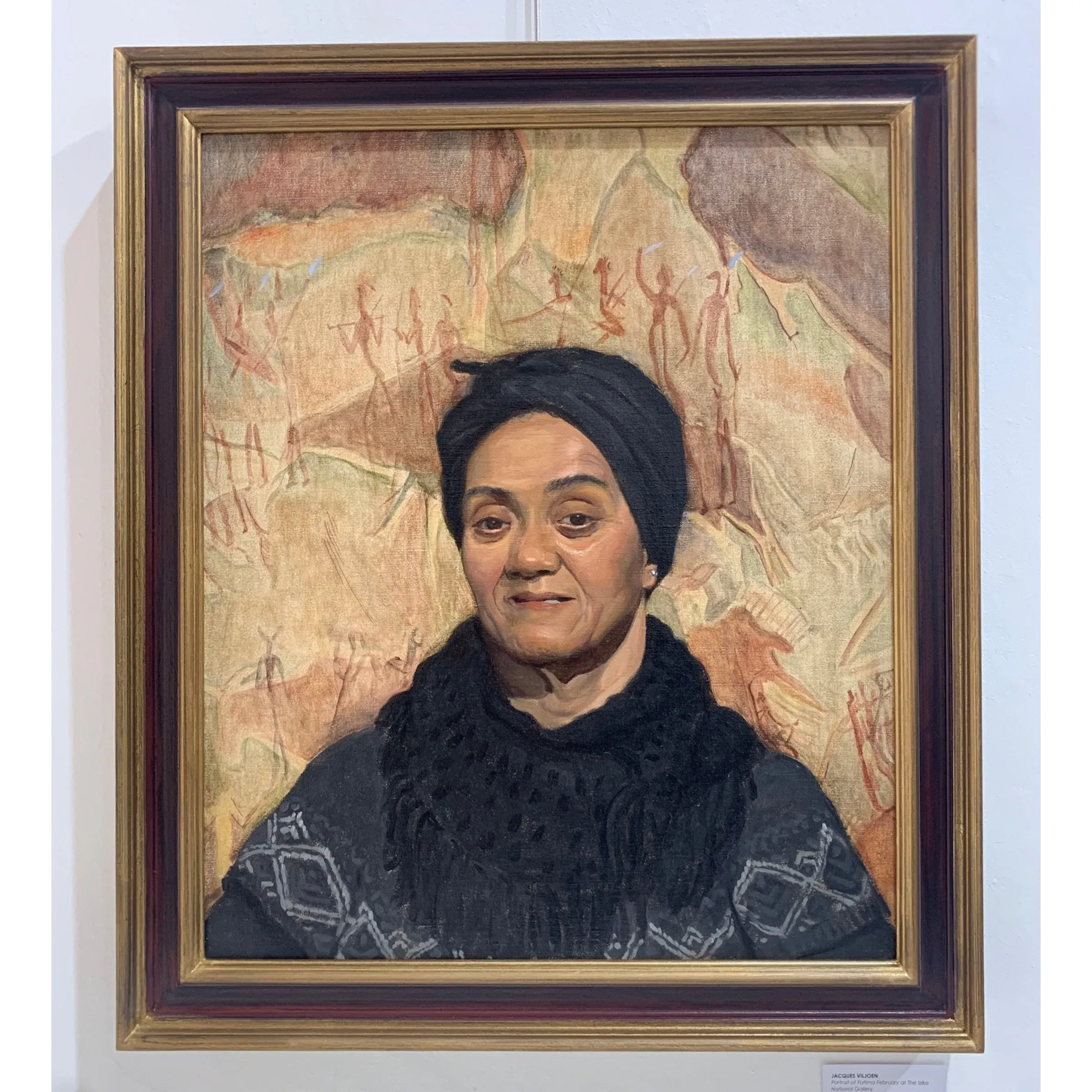
Constand Viljoen
 South Africa
Also known as: General Constand Viljoen, Constand Laubscher Viljoen
Birthday
October 28, 1933
Birth Sign
Sagittarius
Birthplace
Standerton, Transvaal (now Mpumalanga), South Africa
Age
Died at 86
Height
6 ft 0 in (183 cm)
About
General Constand Laubscher Viljoen was a prominent South African military commander and politician best known for his role as Chief of the South African Defence Force from 1980 to 1985. Born in Standerton, he rose through the ranks to become the highest-ranking officer in the SADF during a period of intense regional conflict. His career took a dramatic turn during the negotiations to end apartheid when he co-founded the Afrikaner Volksfront and threatened to launch a military coup to derail the first democratic elections. After meeting with Nelson Mandela, Viljoen abandoned his plans for armed resistance and founded the Freedom Front to represent Afrikaner interests within the new democracy.
Viljoen is widely recognized for his unique trajectory from a hardline military strategist to a key architect of peace in South Africa. He commanded Operation Savannah in Angola in 1975, a complex campaign that showcased his tactical brilliance. As a soldier who transitioned into politics, he earned the moniker "the last Boer general" for being the final military leader of the old order to embrace the new democracy. His legacy is defined by his ability to navigate a polarized political landscape, securing a place in history as a man who chose dialogue over violence. He remained a significant figure in South African public life until his death in 2020, remembered for bridging the gap between the apartheid era and the democratic future.
Early Life & Background
Constand Viljoen was born on October 28, 1933, into a farming family in Standerton, a town in the Transvaal region (now Mpumalanga) of South Africa. He attended primary school in his hometown before completing his secondary education at Hoërskool Standerton. Growing up in the mid-20th century, he was immersed in the Afrikaner culture and the nationalist political climate that dominated the country. This environment shaped his early worldview and future path. In 1951, shortly after completing his national service, Viljoen enlisted in the South African Army. This marked the beginning of a distinguished military career that would span over three decades. Before he became a household name, he served in various operational roles that honed his tactical skills and leadership style. He specialized in airborne operations and armored warfare, developing a deep understanding of military strategy. His early years were defined by a commitment to the army and a belief in the structures of the state, setting the stage for his later rise to the top of the military hierarchy. During these formative years, he also cultivated an interest in engineering, which influenced his approach to logistics and military planning throughout his life.
Career Growth
Viljoen's military ascent was rapid and marked by significant command responsibilities. In 1975, he commanded Operation Savannah, directing South African forces in Angola during the Angolan Civil War. This operation is widely regarded as one of the most complex military campaigns of the era and showcased his strategic capabilities. By 1980, he was appointed Chief of the South African Defence Force, a position he held until 1985. During this tenure, he oversaw major military operations against anti-apartheid activists both within South Africa and in neighboring states, earning a reputation as a "soldier's soldier" who prioritized discipline and effectiveness. Following his retirement from active military service in 1985, Viljoen entered the political arena. As the apartheid government began to crumble and liberation movements were unbanned, he co-founded the Afrikaner Volksfront in 1994, a separatist group advocating for an independent Boer state. Although he initially planned an armed insurgency, a failed incursion into Bophuthatswana and subsequent negotiations led him to dissolve the AVF. He then founded the Freedom Front, which later became the Freedom Front Plus, to represent Afrikaner interests within the new democratic framework. From 1994 to 2001, he served as a Member of Parliament, where he played a crucial role in preventing civil unrest and ensuring a stable transition of power. He continued to lead the Freedom Front Plus until his death, maintaining his influence on Afrikaner politics for decades.
Career Timeline
Public Image & Style
Viljoen projected the image of a disciplined and authoritative military figure, standing approximately 6 feet tall. His public persona evolved significantly over time, shifting from a hardline military commander to a symbol of reconciliation. He was often portrayed in media as a pragmatic leader who prioritized stability and negotiation over ideology. During his military service, he wore uniforms that signified his rank and authority, while in his political career, he adopted formal attire appropriate for parliamentary proceedings. His ability to navigate such a polarized political landscape earned him respect from both supporters and opponents, even if they disagreed on his methods. He received numerous honors including the Star of South Africa, the Distinguished Service Decoration, and the Southern Cross Medal. Despite his controversial past, his later years saw him celebrated for his contribution to peace. Social media presence was non-existent during his lifetime, as he predated the social media era, relying instead on traditional media outlets like News24 and Daily Maverick for coverage.
Fame & Fandom (iFAMOUS Rankings)
Constand Viljoen did not have a traditional fandom in the sense of pop culture fans. Instead, he commanded a political constituency primarily composed of right-leaning Afrikaners who supported the Freedom Front. These followers viewed him as a protector of Afrikaner interests and a bridge between the old regime and the new democracy. While some radical elements within the community initially opposed his shift to politics, Viljoen successfully channeled their energies into the democratic process. His legacy is commemorated through political tributes and historical analysis rather than fan-driven activities or merchandise. iFANN's Global Fame Engine has evaluated Constand Viljoen but has not placed him in its published rankings. He does not currently hold a position in the Global Top 1,000 or any Top-100 scope list. His renown, while significant within South African political history, does not translate into the global fame metrics tracked by iFANN. Consequently, no formal fanbase name is documented, and his legacy is commemorated through political tributes rather than fan culture. He appeared in documentaries such as Brothers in War and Peace (2014) and Mandela and the General (2018), further cementing his status as a historical figure rather than a celebrity with a mass following.
Interesting Facts and Legends
The most enduring story surrounding Viljoen is the 1994 meeting with Nelson Mandela. According to widespread accounts, Mandela invited Viljoen for tea, a gesture that reportedly "stole the general's heart" and persuaded him to abandon his coup plans. This narrative has become a cornerstone of South African reconciliation mythology and was featured in the 2018 documentary Mandela and the General. Some revisionist accounts suggest Viljoen may have exaggerated the coup threat to gain negotiating leverage, adding complexity to the legend. Viljoen is often referred to as the "last Boer general," a title that nods to the Boer generals of the Anglo-Boer Wars and signifies his role as the final military leader of the old order to embrace the new democracy. His background in engineering influenced his approach to military strategy and logistics throughout his career. He received honorary doctorates from various South African universities in recognition of his contributions to peace and reconciliation. Additionally, he was known for his paraphrased sentiment: "I am a soldier, but I am also a man of peace," reflecting his shift from military to political solutions.
Notable Quotes
“I am a soldier, but I am also a man of peace.”
“The only way forward is through dialogue and compromise.”
Family & Personal Life
Constand Viljoen was married to Elize Viljoen, née Erasmus. The couple shared a long life together, raising several children, though specific details about their names and birth years are not extensively documented in public records. Elize survived him upon his death in 2020. There is no public record of prior marriages, engagements, or high-profile romantic relationships outside of his marriage to Elize. Viljoen kept his personal life relatively private, focusing his public energy on his military and political duties. He lived on a farm near Ohrigstad in the Limpopo Province, a property that served as his home until his passing. His brother, Abraham Viljoen, was also involved in the Afrikaner political landscape, though Constand maintained a distinct path focused on military command and national reconciliation.
Notable Connections
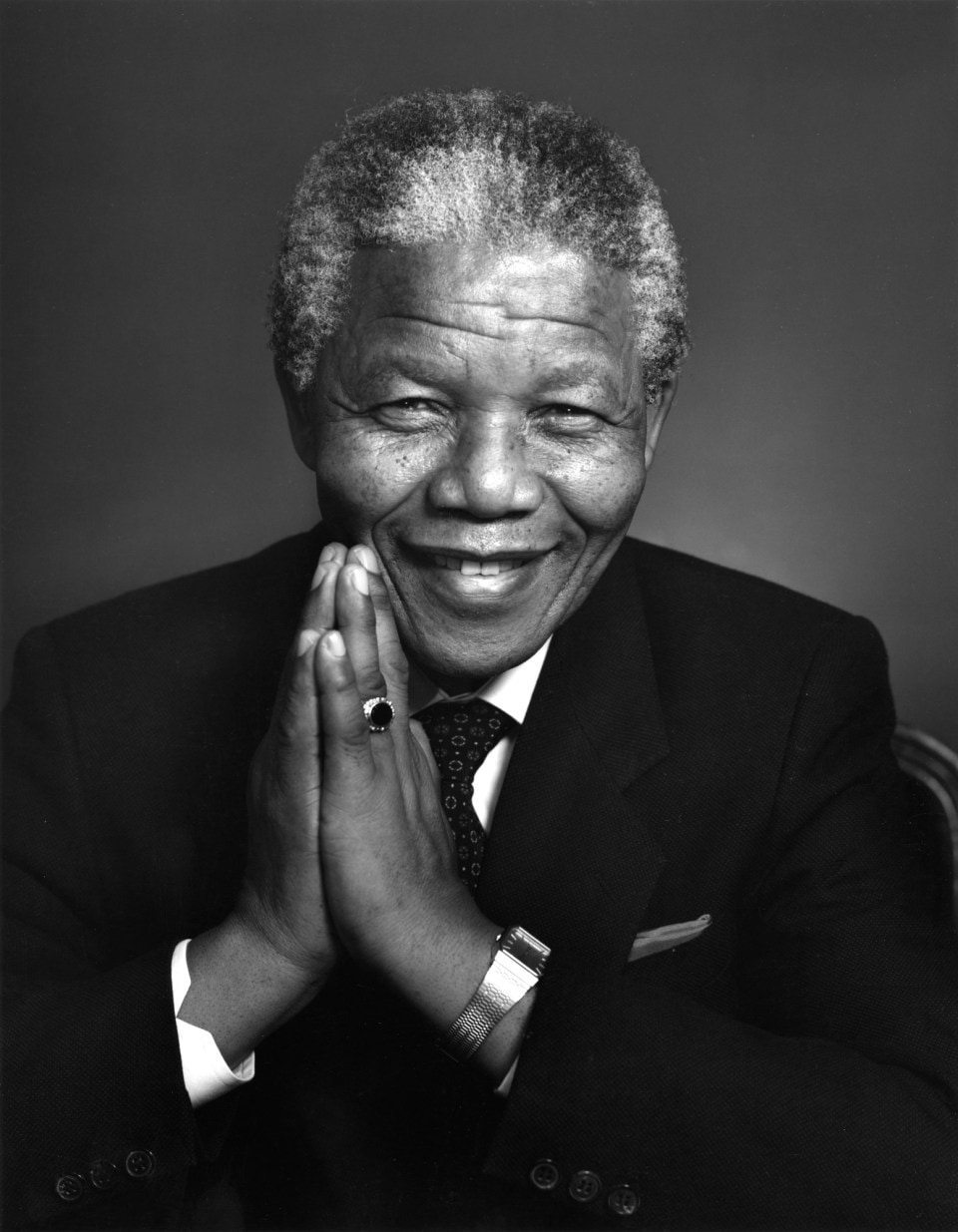
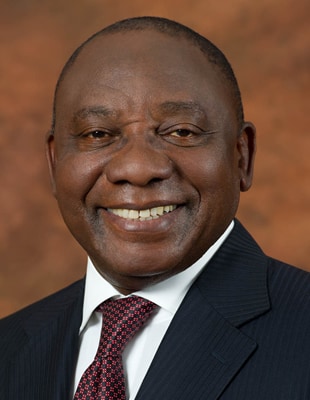
Nelson Mandela, Pieter Groenewald, Cyril Ramaphosa, Abraham Viljoen.
Relationships & Dating History
Constand Viljoen was married to Elize Viljoen (née Erasmus). The couple had several children, though specific details about their names and birth years are not extensively documented in public records. Elize survived him upon his death in 2020. There is no public record of prior marriages, engagements, or high-profile romantic relationships outside of his marriage to Elize. As a private individual focused on military and political duties, Viljoen kept his personal life relatively out of the public eye. He remained married to Elize until his death, making her his sole spouse in the public record. His relationship with Nelson Mandela, while not romantic, was a defining professional and personal connection that altered the course of South African history. Pieter Groenewald, the leader of the Freedom Front Plus, served as a close political associate and friend, confirming Viljoen's passing and continuing his political legacy.
- MarriedElize Viljoen1950 - 2020Remained married until his death; had several children.
Death & Aftermath
Died
April 3, 2020 (aged 86)
Death Place
Ohrigstad, Limpopo Province, South Africa
Cause of Death
Natural causes
General Constand Laubscher Viljoen passed away on Friday, April 3, 2020, at the age of 86. The death occurred at his farm near Ohrigstad in the Limpopo Province. Pieter Groenewald, the leader of the Freedom Front Plus party, confirmed the news to the public, stating that the General died peacefully in the presence of his close family. Authorities and family members attributed the cause of death to natural causes without specifying a particular illness. Viljoen's passing triggered an outpouring of tributes from across the South African political spectrum, including former adversaries who had once been on opposite sides of the conflict. President Cyril Ramaphosa issued a statement acknowledging Viljoen's critical role in the nation's history, particularly his contribution to facilitating a peaceful transition to democracy. The Nelson Mandela Foundation also released a media statement honoring his legacy as a man who chose dialogue over violence. Media outlets and political institutions highlighted his unique journey from commanding military operations against anti-apartheid forces to becoming a key negotiator for Afrikaner interests within the new democratic framework.
While specific details regarding the exact date and location of the funeral or memorial service were not widely publicized in available records, leaving the final arrangements somewhat unconfirmed in the public domain, the general consensus was one of respect for a complex historical figure. His death marked the end of an era for the generation of leaders who navigated the turbulent shift from apartheid to majority rule. Tributes emphasized his dual identity as a former military commander and a negotiator who chose peace over conflict. The loss was felt deeply by the Afrikaner community, who viewed him as a guardian of their interests during a time of profound change. His passing was noted in major South African publications, cementing his place in the national consciousness as a pivotal figure in the country's modern history.
Net Worth (Estate Value)
$500,000
iFANN Editorial Team estimate
As a retired military officer and politician who passed away in 2020, Constand Viljoen's net worth is not publicly disclosed in the same manner as celebrities. Estimates suggest he lived a modest, middle-class lifestyle typical of senior military officials and politicians in South Africa during his era. There are no credible reports of business ventures, real estate holdings beyond his farm in Ohrigstad, or endorsement deals contributing to significant wealth. His estate value is likely tied to his pension, savings, and property, but specific figures are unavailable. Given his passing, any posthumous earnings would be minimal compared to active celebrities. The iFANN Editorial Team estimates his estate value at approximately $500,000 based on available data regarding his assets and standard compensation for officials of his rank. Unlike many public figures, he did not engage in commercial endorsements or high-risk investments, maintaining a steady financial profile consistent with his public service career.
Awards Won (5)
General Viljoen received numerous South African military decorations and civil honours throughout his career. He was awarded the Star of South Africa (SSA) for meritorious service, the Distinguished Service Decoration (SD) for outstanding service, and the Southern Cross Medal (SOE) for distinguished service in operations. He also received the Service Medal (SM) and the Military Merit Medal (MMM) for long and faithful service. Additionally, he received honorary doctorates from various South African universities in recognition of his contributions to peace and reconciliation.
1985 · Military Decoration
Meritorious Service
1980 · Military Decoration
Outstanding Service
Known For
Chief of the SADF
1980 · Military Commander
Freedom Front Founder
1994 · Politician
Operation Savannah
1975 · Commander
Keywords
Sources
Quick Facts
- Profession
- politician, military personnel, Commander
- Born
- October 28, 1933
- Birthplace
- Standerton
- Died
- April 3, 2020
- Death Place
- Ohrigstad
- Gender
- Male
- Birth Sign
- Sagittarius
Personal Details
- Full Name
- Constand Laubscher Viljoen
- Height
- 6 ft 0 in (183 cm)
- Spouse
- Elize Viljoen
- Children
- Education
- Hoërskool Standerton
Filmography
2
Total
2
Film
0
TV
Frequently Asked Questions
Who was Constand Viljoen?
Did Constand Viljoen meet Nelson Mandela?
What caused Constand Viljoen's death?
Was Constand Viljoen involved in Operation Savannah?
What political party did Constand Viljoen found?
Similar People
Join the community
fans discussing