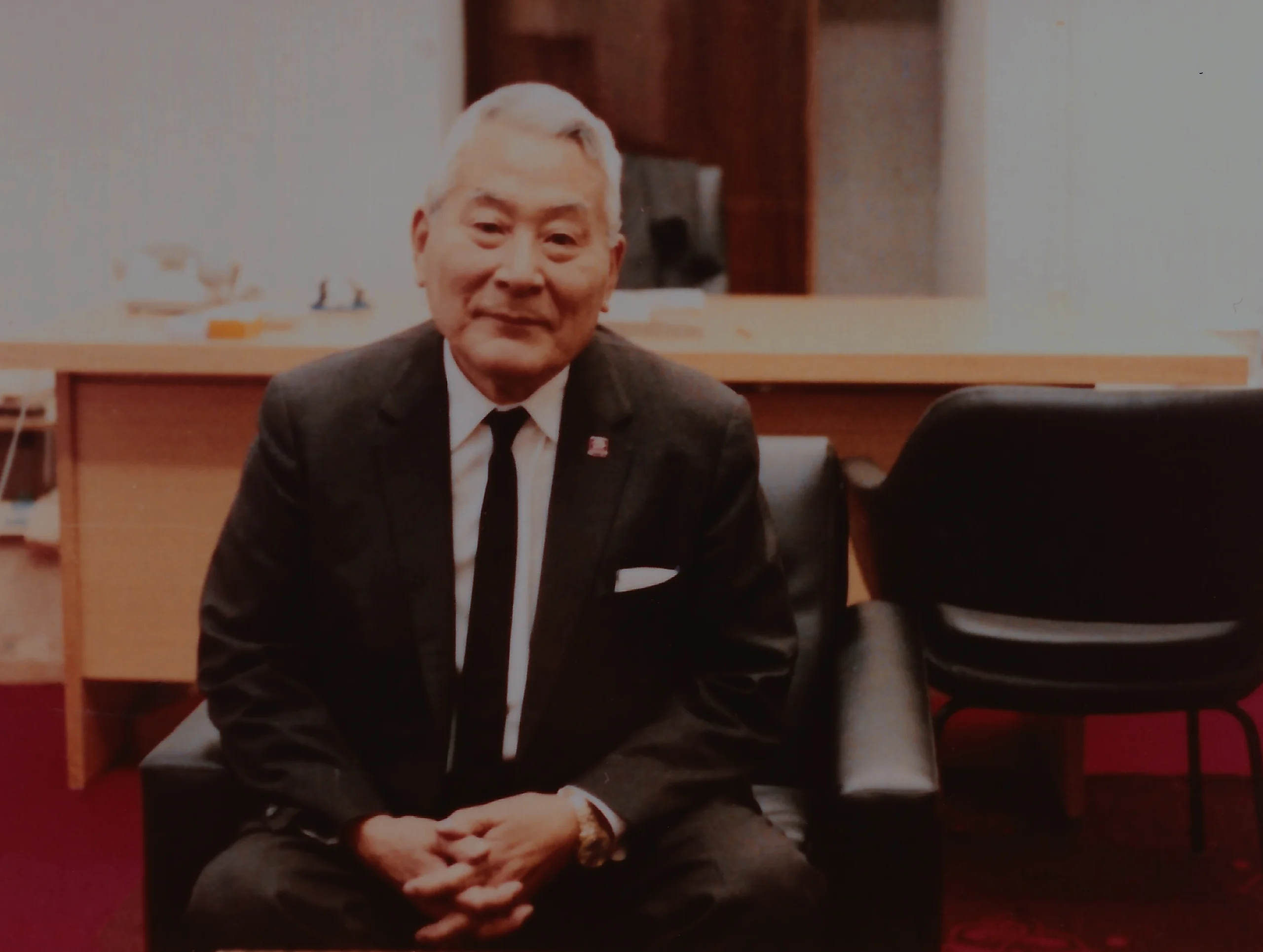
Chiune Sugihara
 Japan
JapanAlso known as: Sempo Sugihara, Japanese Schindler, Sugihara Chiune, C. Sugihara
Birthday
January 1, 1900
Birth Sign
Capricorn
Birthplace
Kyosenji, Gifu Prefecture, Japan
Age
Died at 86
About
Chiune Sugihara was a Japanese diplomat who defied the orders of his own government to save thousands of lives during World War II. Serving as vice-consul for the Japanese Empire in Kaunas, Lithuania, he issued transit visas to Jewish refugees fleeing Nazi-occupied Europe. His actions allowed an estimated 6,000 Jews to escape, with descendants of those saved numbering between 40,000 and 100,000 today. Known affectionately as 'Sempo,' Sugihara is globally recognized for his extraordinary humanitarian defiance. Today, his legacy is honored through memorials in Jerusalem, Lithuania, and Los Angeles, and he remains a symbol of moral courage in historical discourse.
Early Life & Background
Chiune Sugihara was born on January 1, 1900, in the small temple town of Kyosenji in Gifu Prefecture, Japan. He grew up in a modest environment; his father Chiyo was a former samurai who became a teacher, instilling in Chiune a strong sense of duty and morality rather than wealth or political power. Unlike many of his contemporaries who pursued traditional military or aristocratic paths, Sugihara dreamed of becoming an English teacher. To pursue this interest, he studied English diligently, a skill that would later prove essential in his diplomatic career. He also learned Russian, which facilitated his early postings in Manchuria and Russia.
Sugihara attended Waseda University in Tokyo, where he studied international relations and graduated in 1924. Upon graduation, he immediately entered the Japanese Foreign Service. His early career included postings in Harbin, China, and Moscow, where he honed his language skills and developed a reputation for integrity. In 1936, he was posted to Moscow as a secretary at the Japanese embassy. There he witnessed the brutality of Stalin's regime and the Great Purge, events that deepened his resolve against tyranny and established the moral compass that would later guide his decision to save thousands of lives.
Career Growth
Sugihara's diplomatic career reached its most critical moment in November 1939 when he was transferred to Kovno (Kaunas), Lithuania, as the first Japanese Consul-General to the country. By July 1940, facing orders from Tokyo to cease issuing visas and prepare for evacuation due to the Soviet occupation, Sugihara made the fateful decision to defy direct instructions. For approximately three weeks, he worked day and night, often staying awake for days, stamping thousands of transit visas by hand. He continued writing visas even as his train departed the station, handing documents to refugees through the window.
After being recalled to Japan due to his insubordination, Sugihara served in various minor diplomatic posts, including in Germany and Italy, but was effectively sidelined within the Foreign Service. In 1947, he was forced to resign from the Japanese Foreign Service after the war due to his perceived failure to follow protocol. He spent the next decade working as a translator, salesman, and office worker to support his family, living in relative obscurity. His story remained largely unknown until 1968, when he was discovered by a group of Jewish refugees in Israel searching for their savior. This event reignited global interest in his life's work.
Career Timeline
Public Image & Style
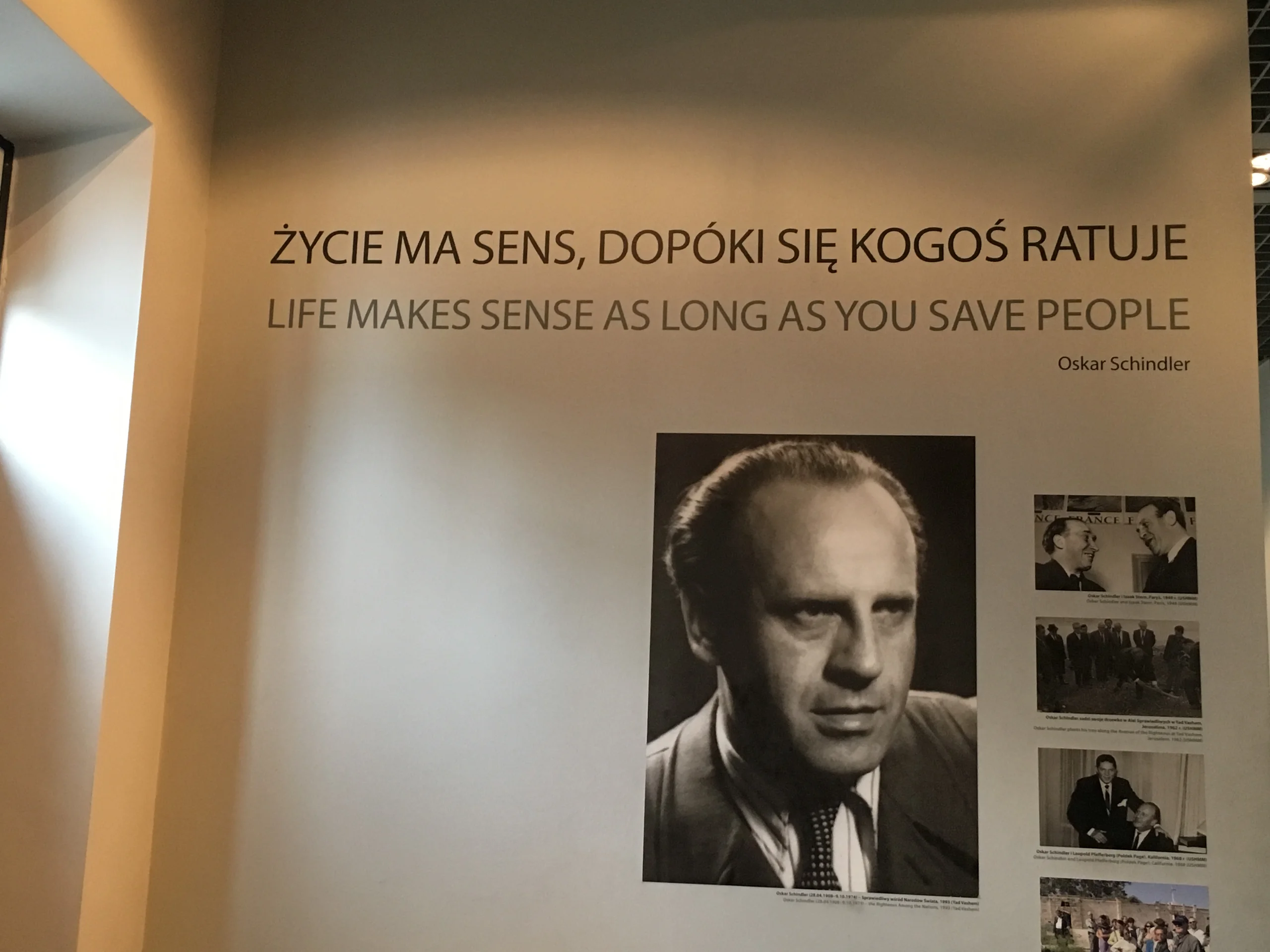
Chiune Sugihara is portrayed as a paragon of moral courage and humanitarianism. He is often referred to as the 'Japanese Schindler,' drawing parallels to Oskar Schindler. His story is taught in schools and featured in documentaries, emphasizing themes of kindness, bravery, and the importance of standing up for what is right. His image is one of quiet dignity and selfless action, devoid of the flashiness associated with celebrity culture. He is remembered not for fame or fortune, but for the sheer magnitude of his compassion in the face of overwhelming evil.
Fame & Fandom (iFAMOUS Rankings)
Chiune Sugihara's legacy commands a unique kind of reverence that transcends typical celebrity worship. His audience is not a gathering of superfans seeking autographs or chart positions, but a global community of historians, Holocaust survivors, and their descendants who honor his memory through education and moral reflection rather than organized campaigns or fan rituals. There is no formal moniker for this group; the 'fanbase' simply consists of those who revere the man known affectionately as 'Sempo' for his extraordinary humanitarian defiance during World War II. While he lacks the viral moments or street-shutting crowds associated with pop icons, the collective emotional response to his story remains profound, serving as a timeless benchmark for ethical courage in modern discourse.
This enduring global attention places him firmly among the most recognized historical figures of his era. According to the iFANN Global Fame Rankings, Chiune Sugihara holds the position of the 85th most famous person from Japan, a standing that has remained steady since the previous cycle. These placements reflect the sustained weight of his diplomatic actions and the ripple effects of the lives saved by his 'Visa Miracle,' ensuring his name resonates across generations without fading into obscurity.
Interesting Facts and Legends
The 'Visa Miracle' involved Sugihara writing visas by hand until his pen ran out of ink and his hands cramped so severely he could barely hold the pen. One particularly famous anecdote features refugee Zorach Warhaftig, whose son Rabbi Yaakov Landas later credited his survival solely to a Sugihara visa. Despite saving thousands, Sugihara lived in poverty and obscurity for nearly 40 years after the war. His family faced significant hardship, including financial struggle and social ostracization, due to his actions. The descendants of those saved number between 40,000 and 100,000 today. In early 2026, statues of him in Los Angeles and Little Tokyo were vandalized with red paint, sparking renewed global condemnation and highlighting the high emotional stakes attached to his memory.
Notable Quotes
“I cannot turn my back on those who are suffering.”
“If I do not help them, who will?”
Family & Personal Life
Chiune Sugihara was married to Yukiko Sugihara (née Kikue). They met during his early diplomatic career, and she remained his steadfast partner throughout his life, including the difficult years of obscurity following his dismissal from the Foreign Service. Their marriage was characterized by mutual respect and shared sacrifice; Yukiko supported her husband's humanitarian efforts and later helped preserve his legacy after his death. The couple had four children: Hiroki, Nobuki, Kenichi, and Yoko. Hiroki Sugihara, his eldest son, played a pivotal role in documenting his father's life and sharing stories with survivors' families.
Notable Connections
Relationships & Dating History
Chiune Sugihara was married to Yukiko Sugihara (née Kikue). They met during his early diplomatic career, and she remained his steadfast partner throughout his life, including the difficult years of obscurity following his dismissal from the Foreign Service. Their marriage was characterized by mutual respect and shared sacrifice; Yukiko supported her husband's humanitarian efforts and later helped preserve his legacy after his death. There are no public records of other romantic relationships or engagements prior to or during his marriage. The couple had four children: Hiroki, Nobuki, Kenichi, and Yoko. As of the date of his death in 1986, Chiune Sugihara was widowed (having died before any potential remarriage could occur). His current status is deceased. There are no dating histories beyond his marriage to Yukiko Sugihara.
- MarriedYukiko SugiharaUnknown - 1986Lifelong partner who supported his humanitarian efforts and preserved his legacy.
Death & Aftermath
Died
July 31, 1986 (aged 86)
Death Place
Kamakura, Japan
Cause of Death
Heart failure
Chiune Sugihara spent his final years in relative obscurity within Tokyo, working quietly as a translator and salesman after decades of financial hardship following his dismissal from the Foreign Service. He passed away on July 31, 1986, at the age of 86, with medical professionals reporting heart failure as the cause of death. The consensus remains that he died naturally of old age and illness in his home country. The immediate reaction to his death was subdued compared to the massive outpouring seen later, as his reputation had not yet fully permeated global consciousness in the mid-1980s. Tributes were initially limited, though Yad Vashem had already posthumously honored him as one of the Righteous Among the Nations in 1985 just before he died.
His funeral was a private affair held in Tokyo on August 1, 1986, attended primarily by family members including his wife Yukiko and their children, reflecting the low profile he maintained during his final years. Posthumously, Sugihara has received extensive honors including induction into various halls of fame and the establishment of numerous scholarships and foundations dedicated to humanitarianism. Significant cultural works like the PBS documentary Sugihara: Conspiracy of Kindness have brought his story to new audiences, while his son Hiroki and daughter-in-law Yukiko have played key roles in preserving documents and sharing stories with survivors' families. A memorial stone stands at the cemetery in Yaotsu, Gifu Prefecture where his ashes are interred, and statues erected in places like Little Tokyo, Los Angeles, continue to draw attention to his legacy.
Net Worth (Estate Value)
$0
iFANN Editorial Team estimate
As Chiune Sugihara passed away in 1986, he does not have a current net worth in the traditional sense. During his lifetime, particularly after his dismissal from the Foreign Service in 1947, he lived in financial hardship. He worked as a translator and salesman, earning a modest income sufficient to support his family but far from wealthy.
Posthumously, the value of his estate is not tracked in financial terms but rather in cultural and historical significance. His son, Hiroki Sugihara, managed his legacy, ensuring that his story was preserved. There are no reported royalties, licensing deals, or business ventures generating income from his name in the way a celebrity estate might. The 'value' of his legacy is measured in the number of lives saved (6,000+) and the tens of thousands of descendants who benefit from his actions. No specific dollar figures exist for his estate, as it was likely minimal and dissolved long ago.
Awards Won (4)
While Sugihara received few awards during his lifetime due to his obscurity, his posthumous recognition has been extensive. He was awarded the title of 'Righteous Among the Nations' by Yad Vashem in 1985, one of the highest honors bestowed upon non-Jews who risked their lives to save Jews during the Holocaust. In 1986, he was posthumously awarded the Order of the Rising Sun, 3rd Class, by the Japanese government. He was inducted into the Hall of Fame of the International Raoul Wallenberg Foundation in 1992 and named one of the 'Heroes of the Century' by Time magazine in 2000.
1985 · Humanitarianism
Saving Jewish Refugees
1986 · National Honor
Service and Moral Courage
Known For
Righteous Among the Nations
1985 · Honoree
Visa Miracle
1940 · Event
Keywords
Sources
Quick Facts
- Profession
- diplomat
- Born
- January 1, 1900
- Birthplace
- Kyosenji, Gifu Prefecture, Japan
- Died
- July 31, 1986
- Death Place
- Kamakura, Japan
- Gender
- Male
- Spouse
- Yukiko Sugihara
- Birth Sign
- Capricorn
Personal Details
- Full Name
- Chiune Sugihara
- Spouse
- Yukiko Sugihara
- Children
- Hiroki Sugihara · Nobuki Sugihara · Kenichi Sugihara · Yoko Sugihara
- Education
- Waseda University
Frequently Asked Questions
Who was Chiune Sugihara?
How many people did Chiune Sugihara save?
Why is Chiune Sugihara called the 'Japanese Schindler'?
What happened to Chiune Sugihara after the war?
When did Chiune Sugihara die?
Similar People
Join the community
fans discussing