
 Brazil
About
Chico Buarque is a Brazilian singer-songwriter, composer, playwright, and novelist, widely regarded as one of the founding figures of Música Popular Brasileira (MPB). Born Francisco Buarque de Hollanda in Rio de Janeiro on June 19, 1944, he has spent over six decades shaping the country's cultural landscape. His music blends sophisticated samba and bossa nova with sharp, poetic lyrics that often carry political weight. He has released more than forty albums, including the landmark Construção (1971) and the protest anthem "Apesar de Você."
Beyond music, Buarque has built a respected literary career. His novels Estorvo, Budapeste, and Leite Derramado have earned Brazil's Jabuti Prize and the Portugal Telecom Prize. In 2019 he was awarded the Camões Prize, the highest honor for Portuguese-language literature, though the ceremony was delayed until 2023 due to political interference. He has also won eleven Brazilian Music Awards, more than any other artist in the history of that prize.
Known for his reclusive and principled public persona, Buarque continues to create and publish. His 2025 novel Bambino a Roma revisits his childhood in Italy, and his classic albums are being reissued on vinyl in 2026. Fans revere him as a quiet giant of Brazilian culture, an artist who turned resistance into enduring art. He is often discussed as a potential Nobel Prize in Literature candidate, with major publications arguing he deserves the honor. His work has been the subject of academic study, and his father's historic home in São Paulo has been preserved as a cultural site.
Early Life & Background
Chico Buarque grew up in an intellectual household. His father, Sérgio Buarque de Hollanda, was one of Brazil's most important historians, author of Raízes do Brasil. The family moved frequently, living in Rio de Janeiro, São Paulo, and Rome, Italy, because of his father's academic work. These early years in Europe exposed young Francisco to literature and music, though it was the bossa nova of Tom Jobim and João Gilberto that sparked his musical ambition.
He entered the University of São Paulo to study architecture, but music pulled him away. In the mid-1960s he began performing as a singer and guitarist in São Paulo's vibrant club scene. His first compositions caught attention for their wit and melodic sophistication. In 1966 he released his self-titled debut album, and two years later his song "A Banda" won the Festival de Música Popular Brasileira, a televised song contest that launched many careers. That victory made him a national name overnight.
The military dictatorship that took power in 1964 soon began to censor his work. His play Roda Viva was deemed subversive, and he faced threats and harassment. In 1969, fearing for his safety, he left for Italy. He returned in 1970, determined to keep creating under the regime, and channeled his resistance into his music. The song "A Banda" was inspired by a circus band he saw as a child.
Career Growth
Chico Buarque's breakthrough came with the 1971 album Construção, a masterpiece that tells the story of a construction worker's death in a circular, hypnotic structure. Critics and fans alike consider it one of the greatest Brazilian albums ever recorded. The title track became an anthem of solidarity with the working class and a coded critique of the dictatorship.
Throughout the 1970s he released a string of essential albums, including Apesar de Você (1970) and Meus Caros Amigos (1976). The song "Apesar de Você" was written as a veiled attack on the regime, with the "you" referring to the dictator. It was banned by censors but still circulated widely, becoming a symbol of resistance.
In the 1980s and 1990s he expanded into theater and fiction. His first novel, Estorvo (1991), won the Jabuti Prize. Budapeste (2003) took the Jabuti and the Portugal Telecom Prize. In 2019 he was named winner of the Camões Prize, but Brazil's president Jair Bolsonaro refused to sign the paperwork, delaying the ceremony until April 2023. In 2025 he published Bambino a Roma, a novel about his childhood in Rome. Universal Music Brasil announced vinyl reissues of four of his classic albums in 2026, ensuring his music reaches new generations. He has also collaborated with artists like Elis Regina and Gal Costa, and his song "Apesar de Você" became an underground anthem in 1975.
Career Timeline
Public Image & Style
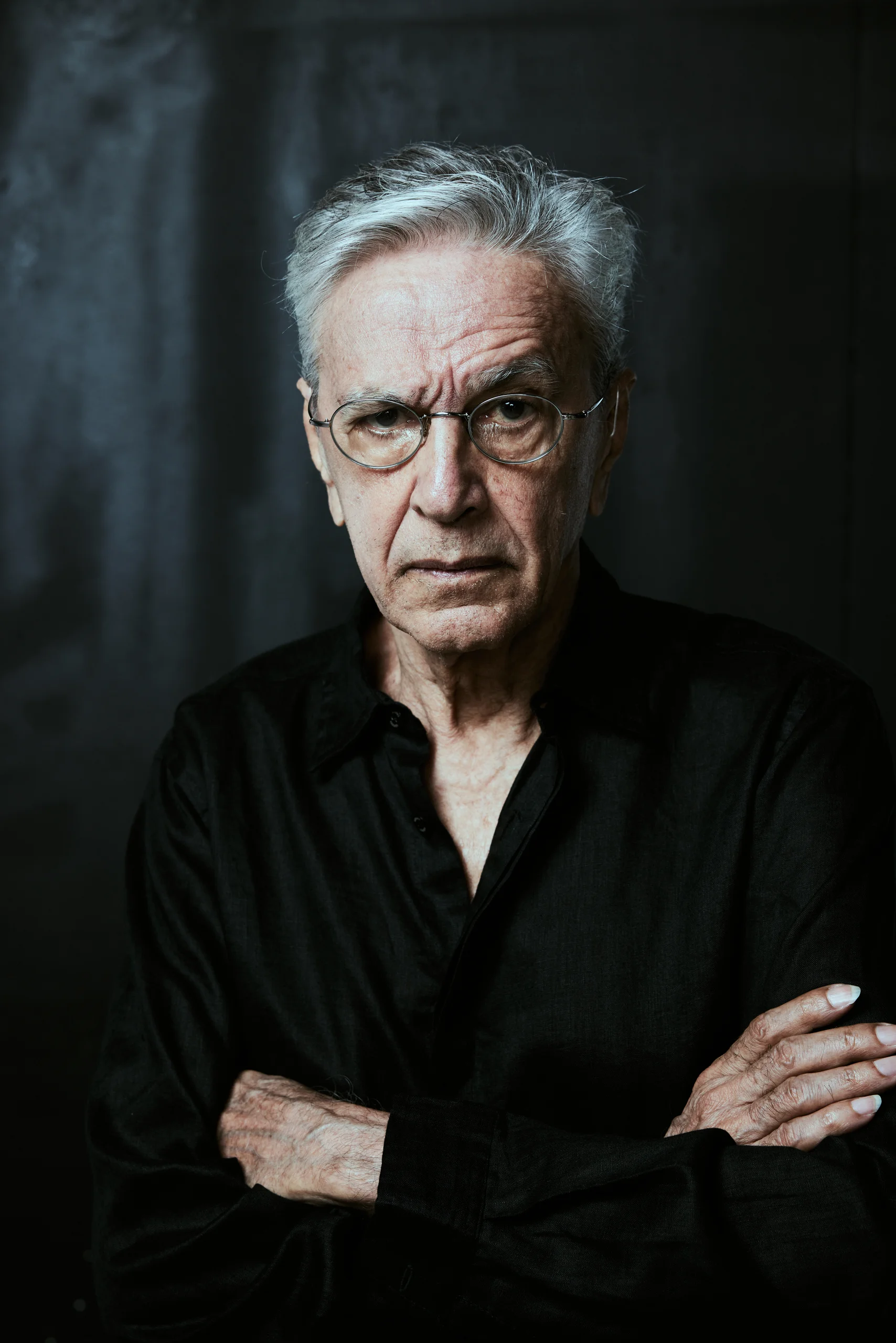
Chico Buarque's public image is that of a quiet intellectual giant. He rarely gives interviews and keeps his personal life out of the spotlight, letting his work speak for him. His signature look, glasses, a warm smile, and an unassuming demeanor, has remained remarkably consistent over six decades. Media portray him as a dignified, principled artist who turned political resistance into timeless art. Fans treat his concerts as cultural events, and his songs are woven into Brazil's national fabric. His novels have expanded his audience to literature lovers worldwide, and his social media presence, when it appears, is minimal and dignified. He maintains an official Instagram account, but he is not known for an active personal presence. His official website serves as the primary hub for his discography, biography, and news.
Fame & Fandom
Chico Buarque commands a steady presence across global cultural metrics, with attention that spans decades of artistic output and enduring political resonance. According to the iFANN Global Fame Rankings, he holds specific standing in multiple geographic and industry categories as of August 2026. He is the 25th most famous person in Brazil, a position holding steady from the previous cycle. In terms of origin, he ranks as the 77th most famous person from Brazil. His influence within the broader region places him at the 89th most famous person in Latin America, while his stature in the musical sector identifies him as the 33rd most famous person in Latin Music. These placements reflect a consistent level of recognition without fluctuation. The audience surrounding Buarque does not operate under a formalized name or organized structure; rather, his fanbase functions as a dispersed community united by reverence for his work as a founding figure of Música Popular Brasileira. Unlike modern pop phenomena driven by active campaigns or digital rituals, appreciation for Buarque manifests through the sustained consumption of his literature and music, cementing his status as a living cultural icon rather than a subject of transient fandom.
Interesting Facts and Legends
Chico Buarque studied architecture at university, a discipline evident in the structural precision of his compositions. Political persecution forced him into self-exile in Italy during 1969, though he returned to Brazil the following year. Major publications have publicly advocated for him as a candidate for the Nobel Prize in Literature. Born Francisco Buarque de Hollanda, "Chico" serves as the affectionate Brazilian diminutive for his full name. He has received Doctor Honoris Causa degrees from several institutions, including the University of Coimbra in Portugal. A notable legal development occurred in 2025 when he and Gilberto Gil filed a plagiarism complaint against former Pixies bassist Paz Lenchantin. His albums have secured spots on Rolling Stone Brasil's lists of the greatest Brazilian albums ever recorded. Beyond these facts, a central pillar of his mythology involves the creation of the 1976 album Construção. To evade censorship during the military dictatorship, Buarque composed the title track using only words ending in "-ão," turning a linguistic constraint into a powerful political statement. This incident remains a primary story illustrating how his art functioned as resistance. Additionally, recent events in 2025 highlight his continued vigilance over intellectual property and the international circulation of his literary works, further solidifying his legacy as a multi-generational icon.
Notable Quotes
“Apesar de você, amanhã há de ser outro dia.”
“Construção: ele tropeça no céu como se fosse um bêbado.”
“Eu não sou eu nem sou o outro, sou qualquer coisa de intermédio.”
“Quem espera em uma esquina, em uma fresta, em um vão, sempre acha uma saída.”
Family & Personal Life
Chico Buarque's father, Sérgio Buarque de Hollanda, authored the seminal Raízes do Brasil, a cornerstone of Brazilian historical thought. The family home on Rua Buri in São Paulo has been preserved and became the subject of a 2026 exhibition at Unicamp, exploring the historian's intimate world. His mother, Maria Amélia Cesário Alvim, was a painter. He has several siblings, including singer Miúcha (Heloisa Buarque de Hollanda), who married João Gilberto. Chico has three daughters from his marriage to Marieta Severo: Sílvia, Helena, and Luísa. He lives quietly in Rio de Janeiro, away from the celebrity circuit.
Notable Connections
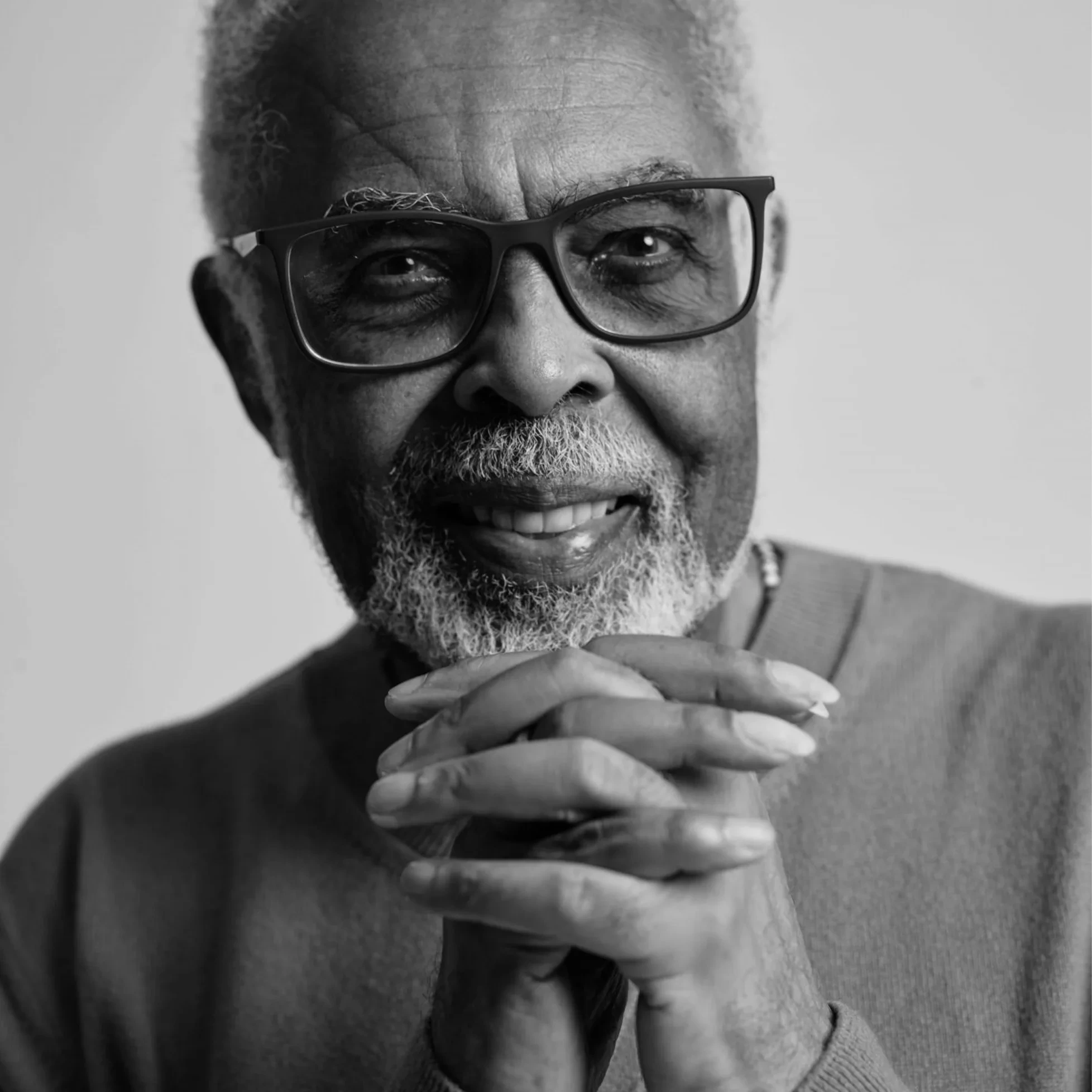
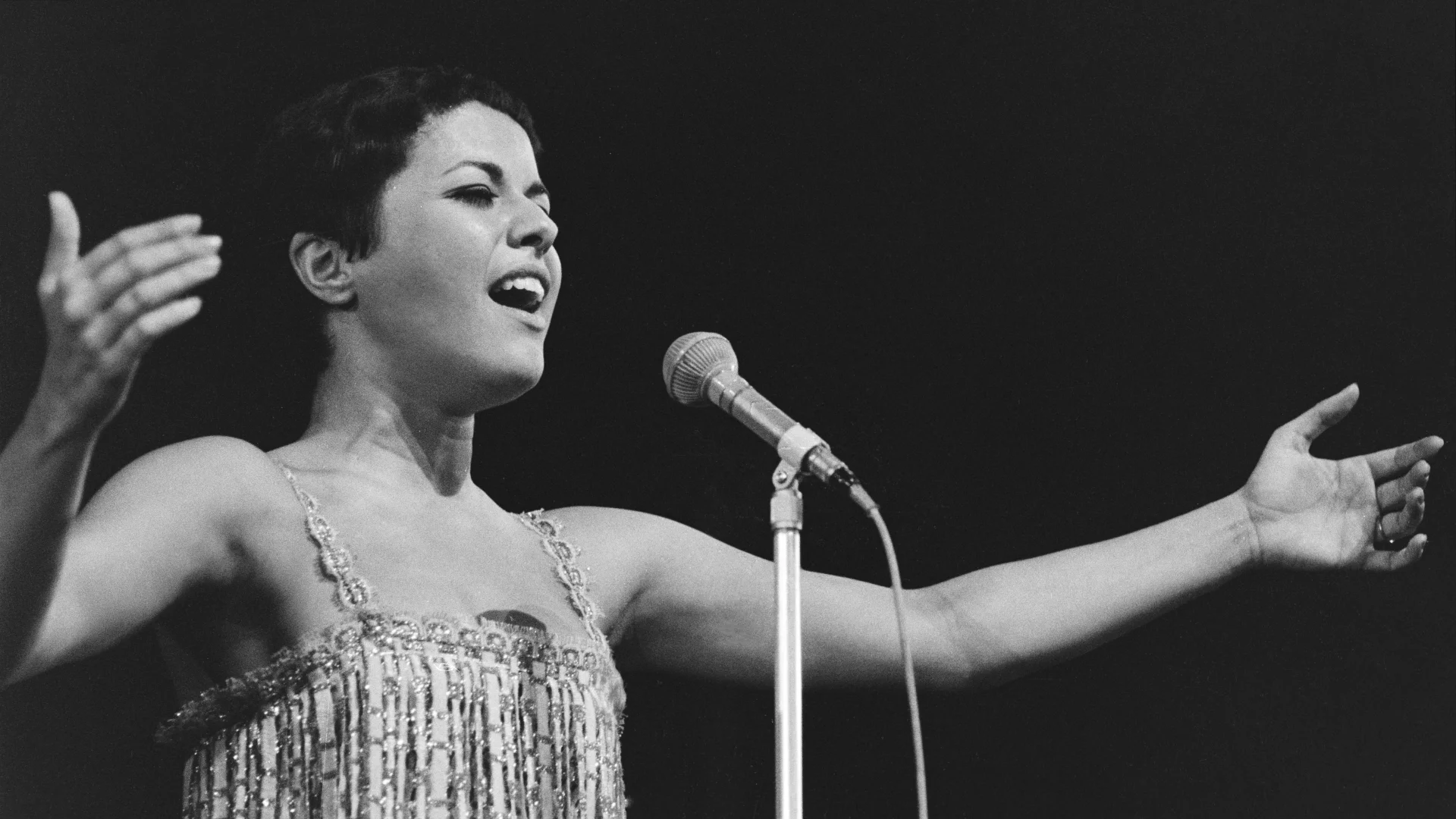
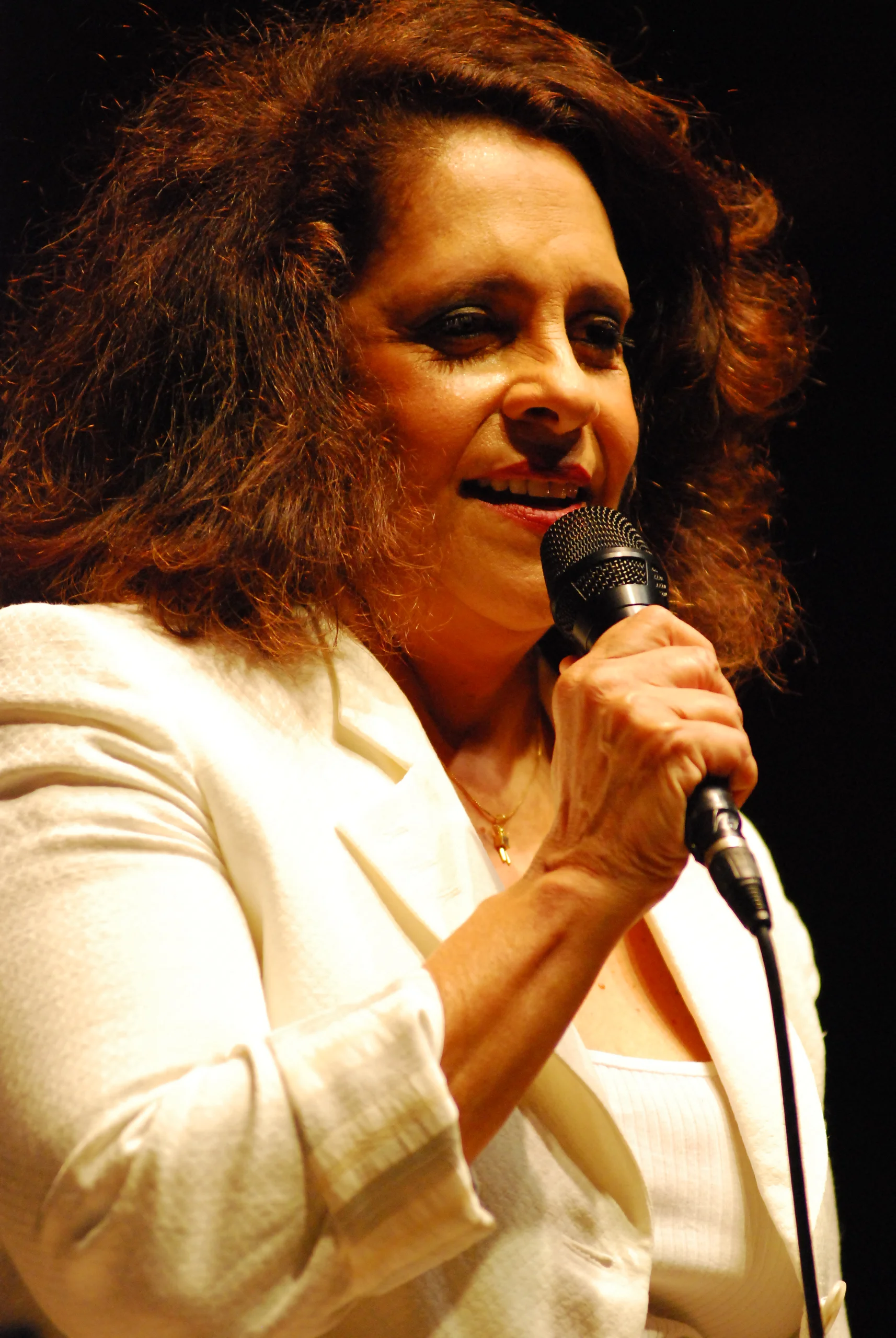
Chico Buarque's career is deeply intertwined with other giants of Brazilian music. He collaborated with Gilberto Gil and Caetano Veloso, fellow architects of MPB and Tropicalia. His songs were performed by Elis Regina and Gal Costa, and their classic albums are being reissued together in 2026. His sister Miúcha was married to João Gilberto, whose bossa nova innovations shaped Buarque's early style. His father, Sérgio Buarque de Hollanda, remains a towering figure in Brazilian historiography.
Relationships & Dating History
Chico Buarque's most significant relationship was with actress Marieta Severo. They married in 1966 and remained together for 33 years, divorcing in 1999. The couple had three daughters: Sílvia, Helena, and Luísa. Their marriage spanned the most productive and politically turbulent period of his career, and the divorce was amicable.
Following the divorce, Buarque has kept his personal life largely private. He has been linked to several companions over the years, including a relationship with a younger actress and model that received media attention, but no long-term partner has been publicly confirmed. As of 2026, he is not married and is best described as single. He has never remarried and continues to maintain a very private personal life.
- MarriedMarieta Severo1966 - 1999Married for 33 years, had three daughters together, divorced amicably.
Salary, Net Worth In 2026
$60 Million
iFANN Editorial Team estimate
iFANN currently estimates Chico Buarque's net worth at $60 Million in 2026. The bulk of this wealth derives from music royalties generated by a catalog spanning more than forty albums since 1966. Streaming platforms such as Spotify and YouTube provide ongoing income, while his songs remain frequently covered and licensed for film and television. His literary career contributes a significant additional stream, with novels like Estorvo, Budapeste, and Leite Derramado translated into multiple languages. A November 2025 report from FAPESP noted a boost in the international circulation of his books. Concert performances, though rare, are highly sought after; his Lisbon shows at the Coliseu de Lisboa in 2025 drew large audiences. The 2026 vinyl reissue campaign by Universal Music Brasil, covering four of his classic albums, will generate fresh licensing revenue. Buarque has also earned from the sale of his father's historic home and related cultural projects. His financial standing reflects a lifetime of steady, principled work rather than flashy ventures, and he remains one of Brazil's most respected cultural figures.
Awards Won (5)
Chico Buarque has won eleven Brazilian Music Awards, more than any other artist in the history of that prize. In literature, he has received the Jabuti Prize twice, for Estorvo (1991) and Budapeste (2003), as well as the Portugal Telecom Prize. His greatest literary honor is the Camões Prize, awarded in 2019 and received in 2023, recognizing his entire body of work.
2019 · Literature
Body of work
2003 · Literature
Budapeste
1991 · Literature
Estorvo
Known For
Construção
1971 · Album
Apesar de Você
1970 · Song
A Banda
1966 · Song
Estorvo
1991 · Novel
Budapeste
2003 · Novel
Keywords
Sources
Quick Facts
- Profession
- singer, composer, poet
- Born
- June 19, 1944
- Birthplace
- Rio de Janeiro, Brazil
- Gender
- Male
- Spouse
- Marieta Severo (divorced)
- Children
- Sílvia, Helena, Luísa
- Education
- University of São Paulo (Architecture)
- Birth Sign
- Gemini
Personal Details
- Full Name
- Francisco Buarque de Hollanda
- Spouse
- Marieta Severo (divorced)
- Children
- Sílvia, Helena, Luísa
- Education
- Studied architecture at the University of São Paulo
Frequently Asked Questions
Is Chico Buarque still alive?
What is Chico Buarque's net worth in 2026?
Who is Chico Buarque's wife?
How many children does Chico Buarque have?
What is Chico Buarque's most famous song?
Social Media
Join the community
fans discussing