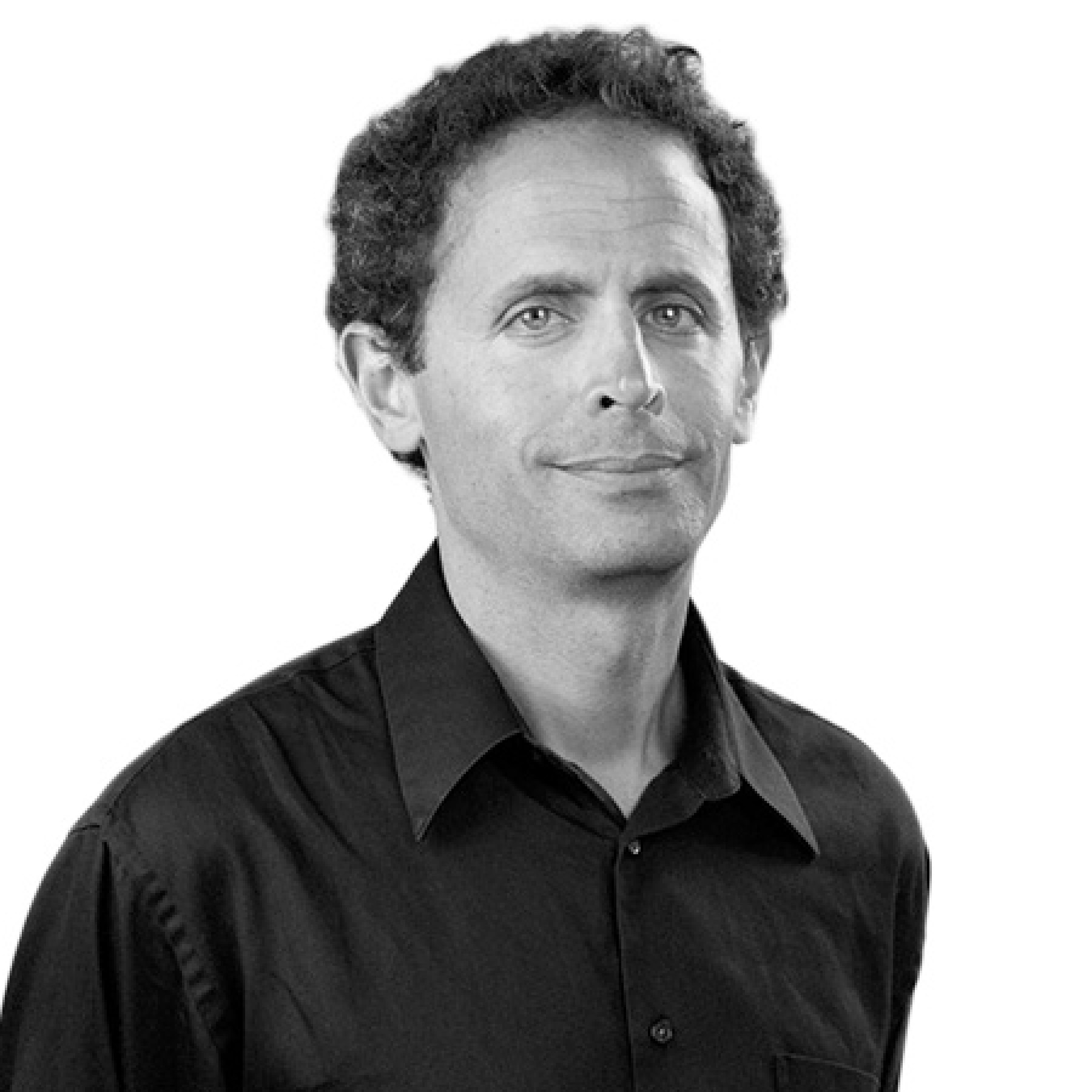
Chi-Huey Wong
 Taiwan
biochemist•chemist•university teacher
Also known as: Weng Chi-hui
Birthday
August 3, 1948
Birth Sign
Leo
Birthplace
Yizhu, Chiayi County, Taiwan
Age
78 years old
About
Chi-Huey Wong is a Taiwanese-American biochemist known for his pioneering work in carbohydrate chemistry and glycoscience. He holds the Scripps Family Chair Professorship at the Scripps Research Institute in La Jolla, California, and is a member of the U.S. National Academy of Sciences, the American Academy of Arts and Sciences, and Academia Sinica. His research has led to the development of chemoenzymatic synthesis methods, programmable oligosaccharide synthesis, and carbohydrate-based vaccines, including universal influenza and cancer vaccines.
Wong has received numerous international awards, including the 2014 Wolf Prize in Chemistry, the 2021 Robert A. Welch Award, and the 2022 Tetrahedron Prize. With over 100 patents and 700 publications, he is one of the most influential chemists of his generation. In 2024, Scripps Research named an 83,000-square-foot building in his honor, the Chi-Huey Wong Laboratories for Biomedical Research.
Early Life & Background
Chi-Huey Wong was born on August 3, 1948, in Yizhu, Chiayi County, Taiwan, then part of Tainan County. Growing up in a rural agricultural region, he developed an early interest in science. He pursued his undergraduate studies at National Taiwan University, earning a B.S. in biochemistry in 1970, followed by an M.S. in 1977. In 1979, he moved to the United States, settling in Cambridge, Massachusetts, to begin doctoral work at MIT under Professor George M. Whitesides. His Ph.D. research focused on using enzymes as catalysts in organic synthesis, a field that would define his career. After completing his doctorate in 1982, he spent a year of postdoctoral research in the same group before starting his independent academic career at Texas A&M University.
Career Growth
Wong's breakthrough came with the development of chemoenzymatic methods for organic synthesis, which he pioneered at Texas A&M and later at Scripps Research, where he moved in 1989 as the Ernest Hahn Professor of Chemistry. His lab achieved the first automated, programmable synthesis of oligosaccharides, a major advance in glycoscience. Over the years, he developed universal influenza vaccines, homogeneous antibodies with optimized effector functions, and broadly protective cancer vaccines. He served as President of Academia Sinica from 2006 to 2016, then returned to Scripps in 2019 as the Scripps Family Chair Professor. In 2024, the Chi-Huey Wong Laboratories opened, named in his honor. His recent work continues to focus on glycosylation and its role in disease.
Career Timeline
Public Image & Style
Chi-Huey Wong is perceived as a distinguished academic scientist and educator, not a public entertainer. There is no fandom culture or social media presence associated with him. His legacy is marked by his election to multiple national academies and the building named in his honor at Scripps Research. He is respected for his rigorous research and mentorship of students.
Fame & Fandom
Chi-Huey Wong's fame is not the stuff of fan clubs or viral moments, it's the quiet, cumulative renown of a scientist whose work reshaped an entire field. His name circulates in laboratories and lecture halls, not on social media feeds, and his audience is the global community of chemists and biologists who build on his methods. There is no formal fandom name, no organized fanbase, no birthday billboards; his following is a collegial network of researchers who cite his papers and attend his talks. Yet within that world, he is a towering figure, and his renown occasionally breaks into broader view, when he delivers the Albert Einstein Lecture, when his building earns a LEED Gold rating, or when his name surfaces in Nobel speculation.
As of August 2026, iFANN's Global Fame Engine has evaluated Chi-Huey Wong, but he does not currently hold a placement in the published rankings, neither the Global Top 1,000 nor any Top-100 scope list. That absence is not a measure of his impact; it reflects the nature of his fame, which is earned through citations and awards rather than search queries and streaming numbers. His Google Scholar citations exceed 103,000, and his awards include the Wolf Prize and the Welch Award. In the world of glycoscience, he is a legend; in the broader celebrity index, he simply does not register. And that is exactly how a biochemist of his caliber would have it.
Interesting Facts and Legends
Wong's most cited publications include a 1999 paper on programmable one-pot oligosaccharide synthesis with over 1,155 citations, and a 2000 paper on catalytic asymmetric aldol reactions with 1,140 citations. His group developed glycan microarrays and probes for analyzing glycan-protein interactions. He also identified small molecules targeting the SARS coronavirus, published in PNAS in 2004. The Chi-Huey Wong Laboratories feature sustainable design elements, including a 'cool roof' and EV charging stations, targeting LEED Silver certification.
Among the stories that circulate in scientific circles, one recurring theme is the speculation about a Nobel Prize. In 2022, a Taiwanese news article described him as a 'Nobel Prize hopeful,' and in 2024, he appeared in a 'Who's Next? Nobel Prize in Chemistry 2024' voting feature, a sign of how often his name comes up in such conversations. Another notable moment came in 2019, when a Nature news article reported that he had been cleared of corruption charges related to his tenure as President of Academia Sinica; the acquittal was a major story in Taiwan's scientific community. More recently, in 2025, his lab announced a 'low-sugar' vaccine that could provide broad immunity against coronavirus variants, a breakthrough that generated news coverage and added to his legacy of innovative vaccine design.
Family & Personal Life
Notable Connections
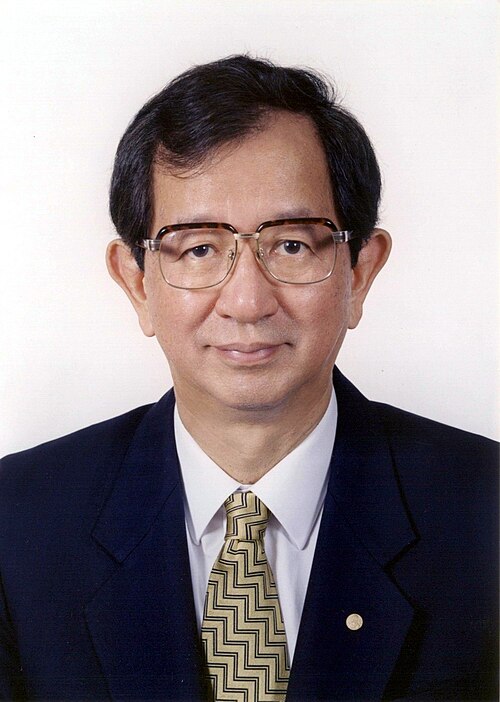
George M. Whitesides, his Ph.D. advisor at MIT, influenced his early research direction. Samuel Yin, a Taiwanese philanthropist, seeded funding for the Chi-Huey Wong Laboratories. Pete Schultz, President and CEO of Scripps Research, supported the naming of the building. Yuan T. Lee preceded him as President of Academia Sinica.
Relationships & Dating History
Salary, Net Worth In 2026
As an academic scientist, Chi-Huey Wong's income comes from his professorial salary, research grants, and award prizes. No public estimates of his net worth exist. The 2021 Welch Award carried a $500,000 prize, and other awards may include cash components. His net worth is not a subject of public record.
Awards Won (7)
Chi-Huey Wong has won numerous prestigious awards, including the 2014 Wolf Prize in Chemistry, the 2015 RSC Robert Robinson Award, the 2021 Robert A. Welch Award, and the 2022 Tetrahedron Prize. His awards recognize his contributions to carbohydrate chemistry and glycoscience.
2014 · Chemistry
For contributions to carbohydrate chemistry
2021 · Chemistry
For achievements in chemistry
Known For
Carbohydrate chemistry
· Pioneer
Glycoscience
· Researcher
Universal influenza vaccines
· Developer
Keywords
Sources
Quick Facts
- Profession
- biochemist, chemist, university teacher
- Born
- August 3, 1948
- Birthplace
- Yizhu, Chiayi County, Taiwan
- Gender
- Male
- Birth Sign
- Leo
- Education
- Ph.D. MIT, 1982
- Patents
- Over 100
- Publications
- Over 700
Personal Details
- Full Name
- Chi-Huey Wong
- Education
- B.S. in Biochemistry, National Taiwan University (1970); M.S. in Biochemistry, National Taiwan University (1977); Ph.D. in Organic Chemistry, Massachusetts Institute of Technology (1982)
Frequently Asked Questions
What is Chi-Huey Wong known for?
Where does Chi-Huey Wong work?
What awards has Chi-Huey Wong won?
How many patents does Chi-Huey Wong hold?
What is Chi-Huey Wong's educational background?
Similar People
Join the community
fans discussing