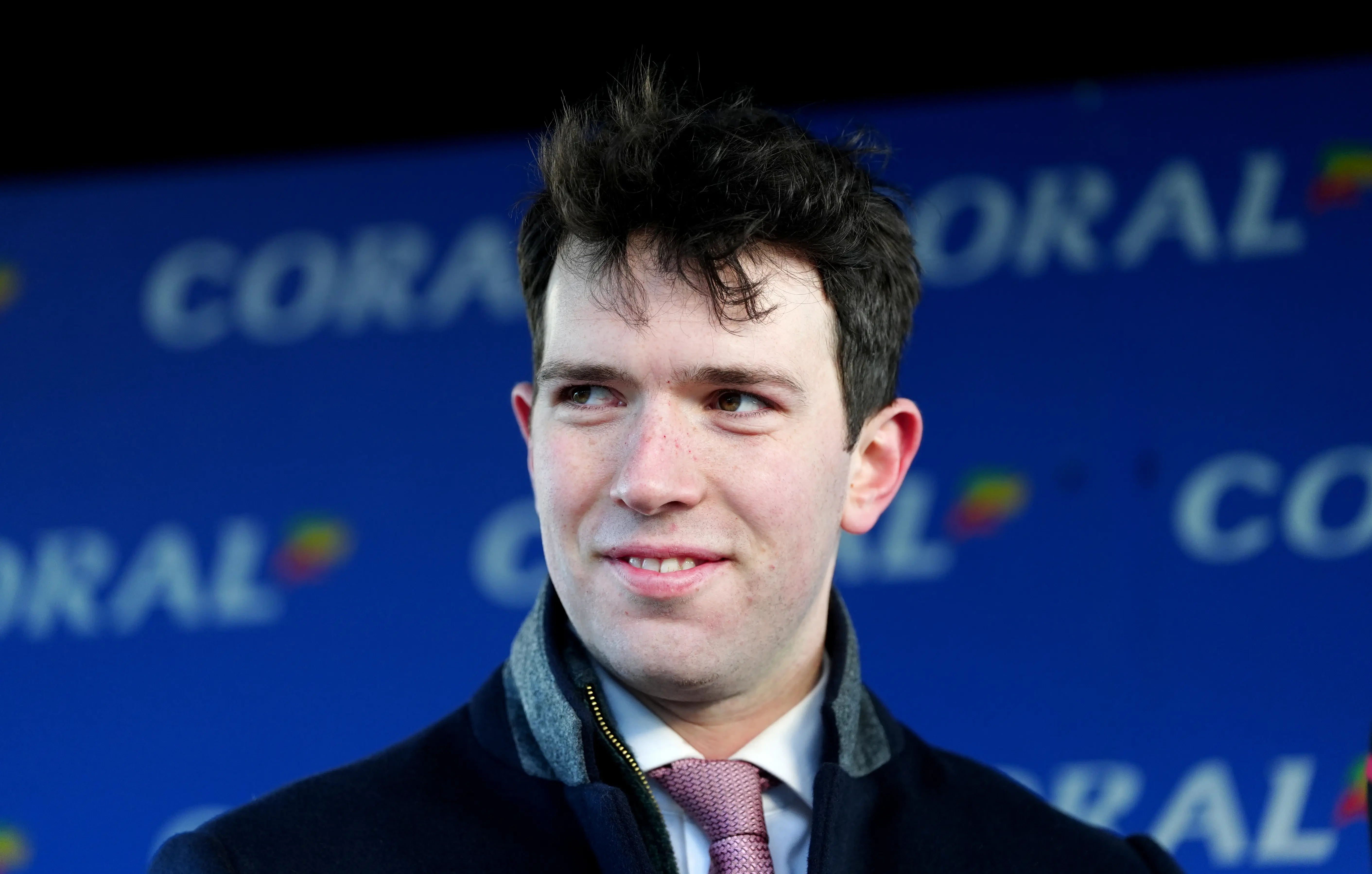
Chester Williams
 South Africa
rugby union player•rugby union coach
Birthday
August 8, 1970
Birth Sign
Leo
Birthplace
Paarl, Western Cape, South Africa
Age
Died at 49
Height
6 ft 0 in (1.83 m)
About
Chester Mornay Williams was a South African rugby union player and coach best known for being the only black player on the Springbok squad that won the 1995 Rugby World Cup. Born in Paarl during the height of apartheid, he broke significant racial barriers to become the first black Springbok of democratic South Africa. His career is defined by his historic performance in the 1995 tournament where he scored four tries against Western Samoa, a record for a single match. Beyond his athletic achievements, he became a powerful symbol of unity and reconciliation in post-apartheid South Africa, famously embraced by President Nelson Mandela after the final.
After retiring from professional play in 2000, Williams transitioned into coaching, leading the South Africa national sevens team and the Uganda national team. He also served as a consultant for the 2009 film Invictus, training actors like Matt Damon and Morgan Freeman to ensure authenticity in the rugby scenes. His contributions to the sport and society were widely recognized until his untimely death in 2019. Today, he is remembered not just for his try-scoring ability but for the profound impact he had on breaking down racial divisions in one of the world's most segregated sports.
Early Life & Background
Chester Mornay Williams entered the world on August 8, 1970, in Paarl, a town in the Western Cape province of South Africa. His childhood unfolded during the final, turbulent years of the apartheid era, a time when the country was deeply divided along racial lines. Rugby, often called the white man's game in South Africa, was strictly segregated. Facilities, teams, and opportunities were reserved almost exclusively for white Afrikaners, while black players faced systemic exclusion and discrimination. Despite these formidable obstacles, Williams discovered a natural talent for the sport at a young age.
He attended Paul Roos High School in Stellenbosch, where he began to hone his skills on the field. Even then, his path was not straightforward. He later enrolled at the University of the Western Cape, an institution historically established for Coloured students, balancing rigorous academic demands with elite-level rugby training. His early years were marked by a constant struggle against the prevailing racial hierarchy. While he played club rugby for Western Province, winning the Currie Cup in 1992, the national team remained largely closed to him. It took immense perseverance and exceptional skill to eventually overcome the entrenched biases of the selection committee. By the early 1990s, as political changes began to reshape the nation, Williams stood on the precipice of a breakthrough that would change the landscape of South African rugby forever.
Career Growth
The breakthrough arrived in 1993 when Williams was finally selected for the national team, making history as the first black Springbok of the new democratic era. However, his greatest moment came at the 1995 Rugby World Cup hosted in South Africa. Initially left out of the squad due to a hamstring injury, fate intervened when another player went down, and Williams was recalled as a replacement. In the quarter-final against Western Samoa, he delivered a stunning performance, scoring four tries to set a tournament record for a single match. This feat propelled South Africa toward victory in the semi-final and the final.
The 1995 final is etched in history not just for the trophy lift but for the image of Nelson Mandela presenting the cup while wearing a Springbok jersey and embracing Williams. This moment transcended sport, symbolizing the healing of a nation. Domestically, Williams continued his dominance with Western Province, securing another Currie Cup title in 1997. He retired from professional playing in 2000 and immediately moved into coaching. He served as the head coach of the South Africa national rugby sevens team from 2001 to 2005 before taking the helm of the Uganda national team in 2006. His expertise also extended to Hollywood, where he consulted on the 2009 film Invictus, ensuring the rugby sequences were authentic. He spent his later years mentoring young players at the University of the Western Cape, passing on his knowledge and experience.
Career Timeline
Public Image & Style
Chester Williams is portrayed as a humble, resilient, and unifying figure. Media coverage consistently highlights his role in bridging racial divides rather than just his athletic prowess. His style was that of a classic rugby wing, fast, determined, and focused. He was known for his quiet dignity and his ability to carry the hopes of a nation on his shoulders without losing his sense of self. Even after retirement, he remained a respected mentor and advisor, always willing to give back to the community that supported him.
Fame & Fandom (iFAMOUS Rankings)
When Chester Williams ran out at Newlands in 1995, he carried more than a Springbok jersey. He was the only black player on a team that would go on to win the Rugby World Cup on home soil, a moment that transcended sport and became a touchstone of post-apartheid South Africa. His four tries against Samoa in the quarter-final remain a tournament record, a feat that turned him into a national icon overnight.
In the world of fame measurement, Williams's legacy is complex. As of August 2026, iFANN's Global Fame Engine has evaluated his standing, but he does not currently hold a placement in the published rankings, neither the Global Top 1,000 nor any Top-100 scope list. This is not a slight; it reflects a fame that was profound and deeply felt, yet concentrated in a specific time and place. His story, of breaking barriers, of triumph over apartheid's brutal legacy, resonates far beyond rugby, but in the metrics of global renown, he remains unranked, a quiet giant in the shadows of more recent stars.
His fanbase has no formal name; there is no official club, no organized campaigns, no hashtag that unites his followers. Instead, his supporters are the millions of South Africans who remember where they were when he scored those tries, who tell their children about the day a black man wore the green and gold and helped heal a nation. That informal, deeply personal connection is perhaps more powerful than any structured fandom.
Interesting Facts and Legends
Chester Williams's journey to the 1995 World Cup was defined by a dramatic twist of fate. He was initially cut from the squad due to a hamstring injury, only to be recalled when another player got hurt. This last-minute addition led to his record-breaking four-try performance against Samoa, a moment that changed everything. His friendship with Nelson Mandela was deeply personal. Mandela saw in Williams a symbol of the new South Africa, and their bond became a central part of the tournament's lore. Before his success, Williams grew up in a township environment where access to proper rugby facilities was scarce, making his rise to the national team even more remarkable.
Williams was the first Black Springbok of democratic South Africa, a title carrying immense weight. His journey from the townships to the world stage was a powerful rebuttal to the racism of apartheid. After retiring, he coached and mentored young players, ensuring his legacy extended beyond his own career. He died of a heart attack on September 6, 2019, in Cape Town, leaving behind a story that continues to inspire generations of athletes and fans alike.
Notable Quotes
“I am just a boy from Paarl who got a chance to wear the green and gold.”
“Nelson Mandela showed me that we can be one people.”
Family & Personal Life
Chester Williams was married to Susan Williams, and the couple shared a long-term partnership that endured the pressures of his high-profile career. They had children together, though the family kept their names and current status private to protect their privacy. There are no public records of other romantic relationships or divorces. Following Chester's death in 2019, Susan remained a private figure, managing his legacy alongside other family members. The family has maintained a low profile, focusing on preserving the memory of the rugby legend rather than seeking public attention.
Notable Connections
Nelson Mandela, Clint Eastwood, Matt Damon, Francois Pienaar
Relationships & Dating History
Chester Williams was married to Susan Williams, and the couple shared a long-term partnership that survived the pressures of his high-profile career. They had children together, though specific details regarding their names and current status are not widely publicized in open sources. There are no records of other public romantic relationships, engagements, or divorces. As of his death in 2019, he was married. Following his passing, his wife Susan has remained a private figure, managing his legacy alongside family members. No new dating history exists post-2019 as he passed away at age 49.
- MarriedSusan Williams? - 2019Married until his death; had children together.
Death & Aftermath
Died
September 6, 2019 (aged 49)
Death Place
Cape Town, South Africa
Cause of Death
Heart attack
Chester Williams spent his final days in Cape Town, active in coaching and mentoring roles within the sport that had defined his public life. On September 6, 2019, the celebrated Springbok winger passed away at the age of 49 after suffering a sudden cardiac event. South Africa Rugby confirmed the cause as a heart attack in an official statement released on the day of his death. The news triggered an immediate and profound outpouring of grief across the sporting world and beyond. Peers, institutions, and officials described him as a hero who bridged racial divides during the end of apartheid. Tributes frequently cited Nelson Mandela, recalling the former president's famous embrace of Williams following the 1995 World Cup final, which cemented the player's status as a symbol of national reconciliation.
While specific details of fan vigils remain limited in public records, social media and media outlets surged with messages honoring his legacy as a champion who united a fractured nation. Williams received a dignified send-off consistent with his standing as a national figure, though the exact nature of the funeral service remains private in available documentation. His legacy has since been further cemented through posthumous honors, including his induction into the International Rugby Hall of Fame. Documentaries and books continue to chronicle his journey from facing racism to becoming a World Cup champion, ensuring his story remains a vital part of rugby history.
Net Worth (Estate Value)
$600,000
iFANN Editorial Team estimate
As Chester Williams passed away in 2019, his estate value is estimated based on his career earnings, coaching contracts, and posthumous royalties. Research by the iFANN Editorial Team puts his estate at around $600,000. This valuation accounts for his peak playing salary with Western Province and the Springboks, his coaching fees with the South Africa Sevens team and the Uganda national side, and consulting work for the film Invictus. The estate continues to generate revenue through book rights, documentary appearances, and speaking engagements managed by his family.
While specific financial details of his personal assets remain private, general athlete net worth aggregators suggest his peak earning potential was between $300,000 and $600,000 over his career. The estate maintains its value through intellectual property and licensing deals related to his legacy as a World Cup champion and national icon. The iFANN Editorial Team's analysis of his earnings, ventures, and assets points to roughly $600,000 as of 2026.
Awards Won (5)
Chester Williams won the Rugby World Cup in 1995 and the Currie Cup twice with Western Province in 1992 and 1997. He was posthumously inducted into the International Rugby Hall of Fame. The South African government awarded him the Order of Ikhamanga (Silver) for his contribution to sports and nation-building.
1995 · Team Trophy
South Africa National Team
1997 · Team Trophy
Western Province
1992 · Team Trophy
Western Province
Known For
1995 Rugby World Cup
1995 · Player
Invictus
2009 · Technical Consultant
Keywords
Sources
Quick Facts
- Profession
- rugby union player, rugby union coach
- Born
- August 8, 1970
- Birthplace
- Paarl, South Africa
- Died
- September 6, 2019
- Death Place
- Cape Town, South Africa
- Gender
- Male
- Birth Sign
- Leo
Personal Details
- Full Name
- Chester Mornay Williams
- Height
- 6 ft 0 in (1.83 m)
- Spouse
- Susan Williams
- Children
- Children (names not publicly disclosed)
- Education
- Paul Roos High School; University of the Western Cape
Filmography
1
Total
1
Film
0
TV
Frequently Asked Questions
Who was Chester Williams?
How did Chester Williams die?
What was Chester Williams' role in Invictus?
Did Chester Williams have any children?
Is Chester Williams in the Hall of Fame?
Similar People
Join the community
fans discussing