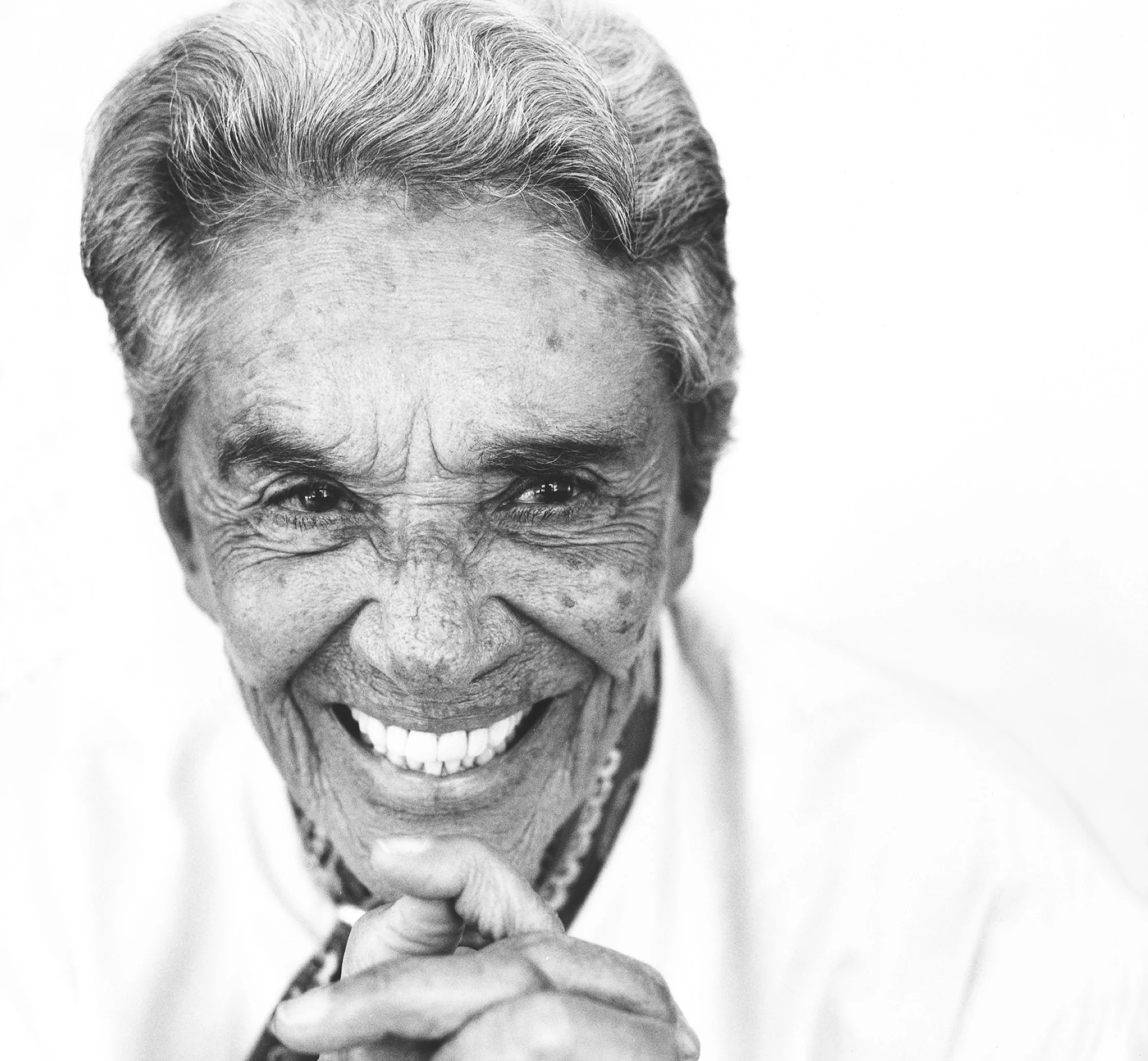
Chavela Vargas
 Mexico
Also known as: Isabel Vargas Lizano, la voz áspera de la ternura
Birthday
April 17, 1919
Birth Sign
Aries
Birthplace
San Joaquín de Flores, Heredia, Costa Rica
Age
Died at 93
About
Chavela Vargas was a Costa Rican-born Mexican ranchera singer whose raw, unvarnished voice and androgynous stage presence made her one of Latin America's most singular musical figures. Born María Isabel Anita Carmen de Jesús Vargas Lizano, she broke the male stranglehold on ranchera music in the 1950s and became a symbol of fierce authenticity, later embraced as an icon of LGBTQ+ culture.
Her career spanned more than six decades, marked by a dramatic rise, a collapse into alcoholism, and a remarkable comeback in her seventies thanks to Pedro Almodóvar, who featured her music in his films. She received the Latin Grammy Lifetime Achievement Award in 2002 and Spain's Grand Cross of the Order of Isabella the Catholic in 2007. She died on August 5, 2012, in Cuernavaca, Mexico, at age 93.
Early Life & Background
Vargas was born on April 17, 1919, in San Joaquín de Flores, a small town in Costa Rica's Heredia province. Her parents divorced when she was young, and she was sent to live with an aunt, an arrangement that left her feeling alienated. A bout with polio in childhood left her with a limp, and she later described herself as a rebellious, misunderstood child who did not fit into her family's expectations.
In her early teens, Vargas ran away to Mexico City, arriving penniless. She sang on the streets and in small venues, gradually finding her way into the bohemian artistic circles of the capital in the 1940s and 1950s. She immersed herself in ranchera music, a genre dominated by men, and began forging the stripped-down, emotionally raw style that would become her signature. Her breakthrough came when she started performing at Salón Tenampa, the legendary mariachi bar in Mexico City, where she formed a deep friendship with the composer José Alfredo Jiménez.
Career Growth
Vargas became the first successful female ranchera singer, a breakthrough that reshaped the genre. Her performances were revolutionary: she appeared on stage in pants, a poncho, a cigar, and a bottle of tequila, rejecting the feminine attire expected of female singers. She recorded extensively during the 1960s, but her career collapsed in the 1970s amid severe alcoholism, and she largely disappeared from public life.
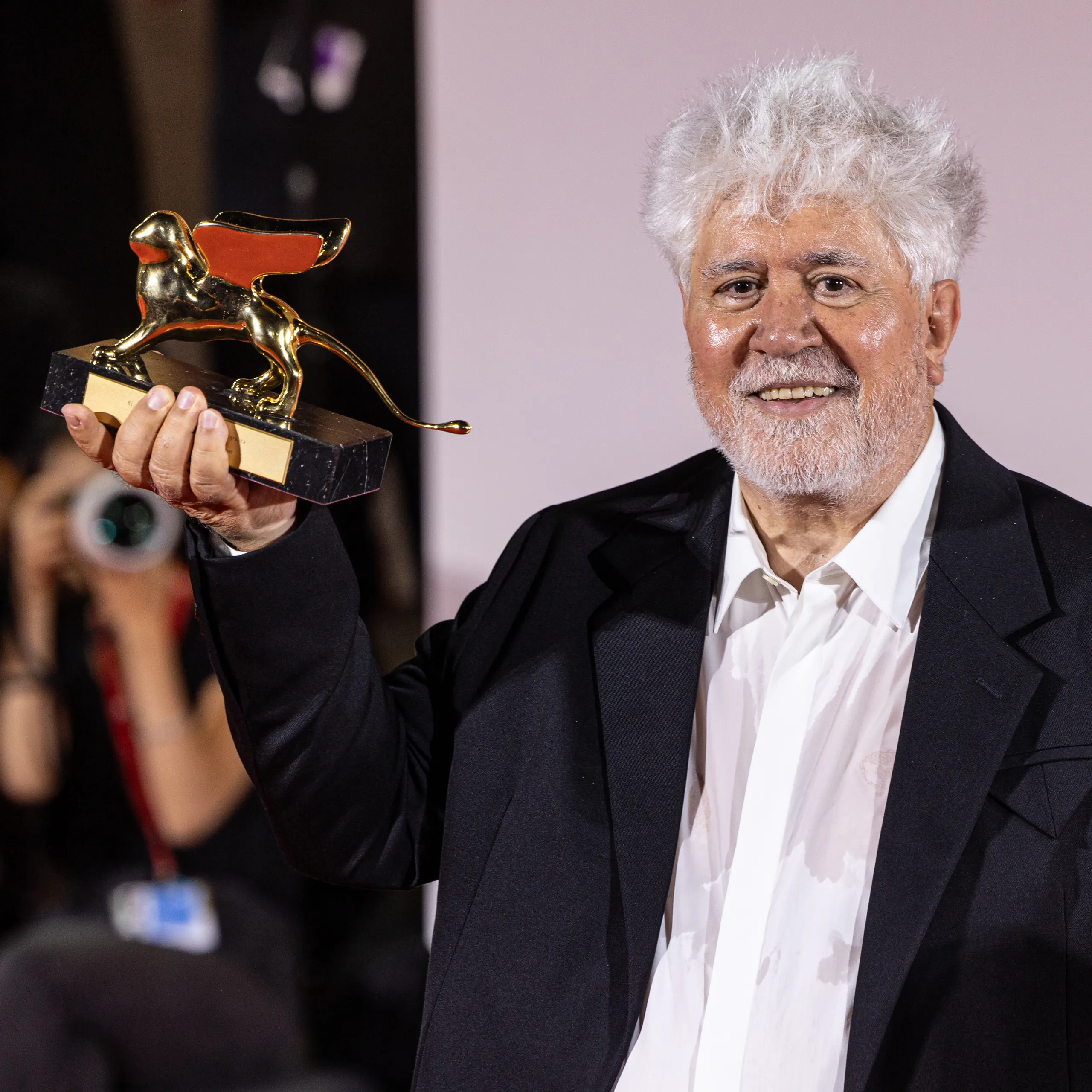
Her comeback began in 1991 when Pedro Almodóvar featured her song "Piensa en mí" in his film Tacones Lejanos (High Heels). The exposure introduced her to a new international audience and sparked a late-career renaissance. She performed worldwide, released new albums, and became a beloved figure in LGBTQ+ culture. In 2002 she received the Latin Grammy Lifetime Achievement Award, and in 2007 Spain honored her with the Grand Cross of the Order of Isabella the Catholic. She continued performing into her nineties, leaving a legacy that endures through tributes and the 2017 documentary Chavela.
Career Timeline
Public Image & Style
Vargas's public image was defined by her androgynous stage presence: poncho, pants, short hair, a cigar, and a bottle of tequila. Her voice was raw, emotionally devastating, and unmistakable, blending ferocity and tenderness. She performed rancheras with radical simplicity, often with minimal instrumentation, letting her voice carry the emotional weight.
Media portrayals consistently cast her as a trailblazer and stereotype-breaker, the first woman to succeed in a male-dominated genre and an openly lesbian icon in a conservative culture. The 2017 documentary Chavela cemented her status as a cultural monument. Her devoted following spans LGBTQ+ communities, Latin American music enthusiasts, and film buffs drawn to her Almodóvar association. Fan culture centers on tribute concerts, documentary screenings, and the continued streaming of her catalog.
Fame & Fandom (iFAMOUS Rankings)
Chavela Vargas built a following that transcended the typical boundaries of celebrity worship, evolving into a cultural touchstone for marginalized identities and lovers of raw authenticity. Her audience did not organize around digital hashtags or fan clubs; instead, they gathered in the smoky corners of venues like Salón Tenampa or watched tribute productions such as Chavela y Sus Mujeres, where artists like Ely Guerra and Eugenia León kept her spirit alive on stage. This collective reverence stems from her radical rejection of gender norms in the 1940s, when she appeared in trousers without makeup, forcing audiences to confront a new kind of female power. She offered a voice for queer identity and female empowerment long before it was mainstream, creating a legacy defined by ferocity and warmth rather than polished stardom. While she lacked a formal fandom name, her devotees treat her music as a living archive of resilience, consuming her recordings organically across generations. The mythos surrounding her life, from her fifteen-year disappearance after José Alfredo Jiménez's death to the legendary three-night lockdown at Salón Tenampa, adds layers of intrigue that keep her story fresh. Even decades after her passing in 2012, streaming numbers remain robust, reflecting a steady engagement from listeners who value her unvarnished truth. According to the iFANN Global Fame Rankings, Chavela Vargas is currently the 35th most famous person in Latin Music, holding steady from the previous cycle.
Interesting Facts and Legends
Vargas famously declared, "Los mexicanos nacemos donde nos da la chingada gana," asserting her adopted Mexican identity with characteristic defiance. Known for her androgynous style featuring a poncho, pants, short hair, and a cigar, she delivered vocals described as "la voz áspera de la ternura." Her career collapsed in the 1970s due to alcoholism, leading to a fifteen-year disappearance before a remarkable comeback championed by Pedro Almodóvar. A widely retold legend claims she locked herself inside Mexico City's Salón Tenampa with José Alfredo Jiménez for three consecutive nights, singing and drinking until emergence. While historical verification varies, this tale illustrates their intense partnership and shared history. Another enduring story involves her passionate affair with Frida Kahlo, often cited as a defining love story of the era that shaped both women's lives. Her music remains popular on streaming platforms, with over 229,000 listeners on Last.fm as of 2026.
Notable Quotes
“Los mexicanos nacemos donde nos da la chingada gana.”
“I am not a woman, I am a legend.”
“The voice is the mirror of the soul.”
Family & Personal Life
Details about Vargas's family are sparse. Her parents divorced when she was young, and she was sent to live with an aunt in Costa Rica. She had a difficult childhood, marked by illness and a sense of alienation. Her family did not understand her rebellious nature or her emerging identity. She never married and had no children. In her later years, she was cared for by close friends and assistants in Cuernavaca, Mexico, where she died in 2012.
Notable Connections
Pedro Almodóvar, the Spanish filmmaker, championed her music and revived her career in the 1990s. She had a deep friendship with ranchera composer José Alfredo Jiménez. Her lover in the 1940s–1950s was painter Frida Kahlo. Her long-term partner of approximately 30 years was Alicia Pérez Duarte. Contemporary performers Ely Guerra, Eugenia León, Ofelia Medina, and La Marisoul honored her in the 2026 tribute Chavela y Sus Mujeres.
Relationships & Dating History
Chavela Vargas was openly lesbian, though she kept her personal life private for much of her career. Her most significant relationship was with Alicia Pérez Duarte, a lawyer and intellectual, whom she met in Mexico City in the 1950s. They remained partners for approximately 30 years, through Vargas's successes and struggles with alcoholism, before eventually separating. Pérez Duarte later wrote about their life together.
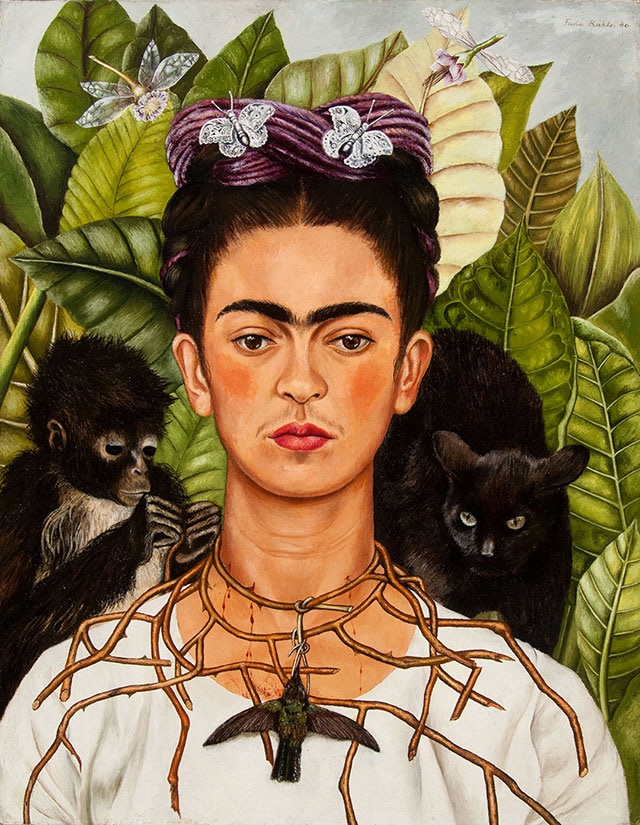
Vargas also had a widely discussed affair with painter Frida Kahlo in the 1940s–1950s, during Kahlo's marriage to Diego Rivera. She confirmed the relationship in interviews and her autobiography. Her intense friendship with José Alfredo Jiménez was often rumored to have romantic undertones, though Vargas described it as platonic. She never married and had no children. At the time of her death in 2012, she was single, with her last years spent in Cuernavaca cared for by close friends.
- DatedFrida Kahlo1945 - 1954Affair during Kahlo's marriage to Diego Rivera; confirmed by Vargas.
- DatedAlicia Pérez Duarte1950 - 1980Long-term partner of approximately 30 years.
Death & Aftermath
Died
August 5, 2012 (aged 93)
Death Place
Unknown
Cause of Death
Unknown
Net Worth (Estate Value)
$10 Million
iFANN Editorial Team estimate
Chavela Vargas's estate continues to generate income from her music catalog, licensing, and posthumous tributes. While she was a mid-20th-century performer, her comeback tours in the 1990s and 2000s were lucrative, and her recordings remain popular on streaming platforms. Her estate is managed by her heirs, and royalties from her songs, including those featured in Pedro Almodóvar's films, contribute to its value. Per iFANN's editorial analysis, as of 2026, her estate is estimated to be worth around $10 Million, reflecting the enduring appeal of her music and the ongoing cultural interest in her legacy.
Awards Won (2)
Chavela Vargas received the Latin Grammy Lifetime Achievement Award in 2002, recognizing her lifetime contributions to Latin music. In 2007, she was awarded the Grand Cross of the Order of Isabella the Catholic, one of Spain's highest civil honors. These two honors stand as the most significant formal recognitions of her career.
2002 · Lifetime Achievement
2007 · Civil Order
Known For
Piensa en mí
1991 · Featured in Tacones Lejanos
La Llorona
1990 · Interpretation
Macorina
1950 · Signature song
Keywords
Sources
Quick Facts
- Profession
- singer, musician
- Born
- April 17, 1919
- Birthplace
- San Joaquín de Flores, Heredia, Costa Rica
- Died
- August 5, 2012
- Death Place
- Cuernavaca, Mexico
- Gender
- Female
- Birth Sign
- Aries
Personal Details
- Full Name
- María Isabel Anita Carmen de Jesús Vargas Lizano
Filmography
1
Total
1
Film
0
TV
Frequently Asked Questions
Who was Chavela Vargas?
Was Chavela Vargas in a relationship with Frida Kahlo?
How old was Chavela Vargas when she died?
What is Chavela Vargas's net worth?
Did Chavela Vargas have children?
Social Media
Similar People
Join the community
fans discussing