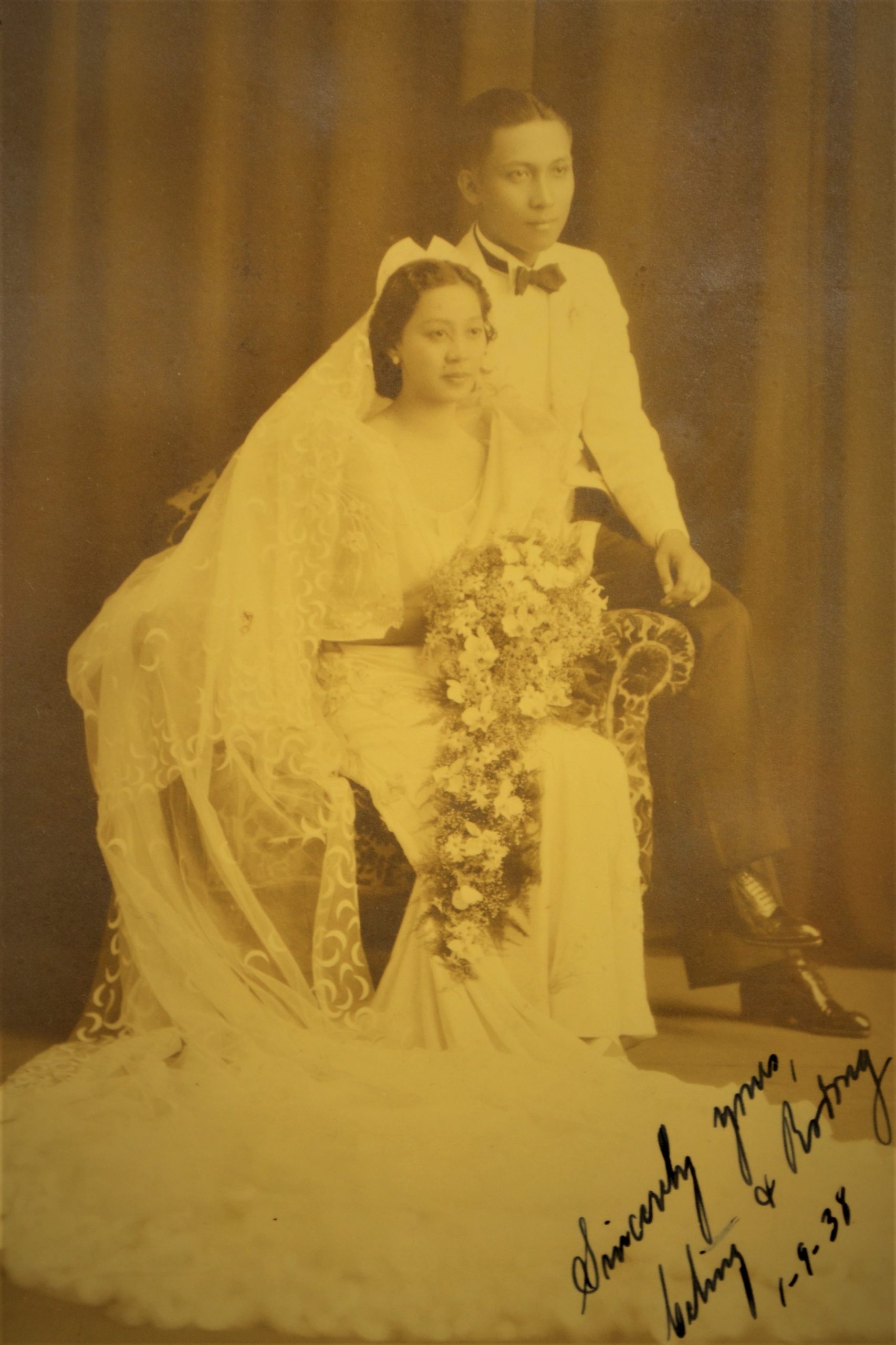
Cecilia Muñoz-Palma
 Philippines
Also known as: Cecilia Arreglado Muñoz-Palma, Justice Palma
Birthday
November 22, 1913
Birth Sign
Sagittarius
Birthplace
Bauan, Batangas, Philippines
Age
Died at 92
About
Cecilia Arreglado Muñoz-Palma was a pioneering Filipino jurist and the first woman appointed to the Supreme Court of the Philippines. Serving from 1973 until her resignation in 1978, she became renowned for her judicial independence and moral courage. Her tenure is best remembered for her refusal to legitimize the declaration of martial law, an act that cemented her legacy as a symbol of integrity. Following the People Power Revolution, she played a pivotal role in drafting the 1987 Constitution under President Corazon Aquino.
She remains a towering figure in Philippine legal history, celebrated not just for breaking gender barriers but for standing firm against tyranny when it mattered most. Her memoir, The Mirror of My Soul, continues to guide new generations of jurists. The nation honors her memory through the Justice Cecilia Muñoz-Palma Foundation and various educational institutions bearing her name.
Early Life & Background
Cecilia Arreglado Muñoz-Palma entered the world on November 22, 1913, in Bauan, Batangas. She grew up in a family that deeply valued education and public service, setting the stage for her future career. Before entering the legal profession, she attended the University of the Philippines where she earned her Bachelor of Laws degree. Her academic journey did not stop there; she furthered her studies at Harvard Law School, becoming one of the few Filipina scholars to receive advanced legal training abroad during that era.
Her early professional life was marked by a series of historic firsts. After being admitted to the bar, she worked as a prosecutor in Quezon City, becoming the first woman to hold this position. She later served as the first female president of the Philippine Bar Association. These achievements paved the way for her eventual appointment to the Supreme Court, though they were built on a foundation of rigorous study and a deep-seated belief in justice.
Career Growth
On October 29, 1973, President Ferdinand Marcos appointed Cecilia Muñoz-Palma as an Associate Justice of the Supreme Court of the Philippines, making her the first woman to sit on the high court. During her tenure, she authored several significant opinions that challenged the administration's policies, particularly regarding civil liberties and due process. Despite being an appointee of Marcos, she maintained judicial independence and refused to sign orders related to martial law.
In a landmark move, Muñoz-Palma resigned from the Supreme Court on August 14, 1978, to protest the imposition of martial law and the subsequent consolidation of power by President Marcos. She famously stated, "We shall be judged by history," refusing to legitimize the dictatorship. Following her resignation, she remained active in the opposition movement against the Marcos regime. After the EDSA People Power Revolution in 1986, President Corazon Aquino appointed her as Chairman of the Constitutional Commission. She led the drafting of the 1987 Constitution of the Philippines, which restored democratic institutions and enshrined human rights protections.
Career Timeline
Public Image & Style
She is portrayed as a paragon of judicial integrity, courage, and intellectual rigor. Media narratives focus on her moral stand against tyranny and her role in restoring democracy. Her public persona was defined by a quiet strength and an unyielding commitment to the rule of law. Even after leaving the bench, she remained a respected voice in legal circles, advocating for reform and women's rights until her death.
Fame & Fandom
Cecilia Muñoz-Palma holds a singular place in the nation's legal and democratic history. Yet, in iFANN's Global Fame Engine, she is currently evaluated as unranked, meaning she does not hold a placement in the published global or scope-specific rankings. Her renown, however, transcends any numerical measure, rooted in a legacy that has inspired generations of Filipina jurists and activists.
Her admirers form a devoted but unorganized following, with no formal fandom name. Instead, her legacy is preserved through institutional channels: the Justice Cecilia Muñoz Palma Foundation, Inc., a museum in Quezon City, and the Justice Cecilia Munoz Palma Hall. These serve as pilgrimage sites for those who revere her stand against martial law, her resignation from the Court in 1978, and her pivotal role in drafting the 1987 Constitution. Commemorations on her birth anniversary and the publication of her memoir, The Mirror of My Soul, function as rituals of remembrance, akin to fan-driven archival projects, but conducted with the solemnity befitting a national hero.
Her fanbase is not defined by inside jokes or viral moments, but by a shared reverence for her courage and integrity. The Bantayog ng mga Bayani honors her as a hero, and her story, of a jurist who sacrificed the highest office rather than legitimize tyranny, is retold as a foundational myth of Philippine democracy. This is a fame built not on fleeting attention, but on the enduring weight of her example.
Interesting Facts and Legends
Cecilia Muñoz-Palma was a scholar at Harvard Law School, a rarity for Filipino women of her generation. Her resignation from the Supreme Court remains the only instance of a justice stepping down to protest martial law in Philippine history. Despite being appointed by Ferdinand Marcos, she became his most vocal critic from within the judiciary before resigning. Her memoir, The Mirror of My Soul, was originally published in 2001 and saw renewed attention in 2024, highlighting her enduring relevance. She was also the first woman to chair the Philippine Bar Association.
Notable Quotes
“We shall be judged by history...not by what we want to do and can't, but by what we ought to do and don't.”
“The law is not a tool for oppression, but a shield for the oppressed.”
Family & Personal Life
Cecilia Muñoz-Palma was married to Jose Palma, a fellow lawyer and judge. The couple had three children: two sons and a daughter. They were known to have a long-standing partnership that supported her career. There are no records of divorces or other romantic relationships outside of her marriage to Jose Palma. As of her death in 2006, she was widowed. Her family continues to manage her legacy through the Justice Cecilia Muñoz-Palma Foundation, which works to preserve her works and promote legal awareness.
Notable Connections
Relationships & Dating History
Cecilia Muñoz-Palma was married to Jose Palma, a fellow lawyer and judge. The couple had three children: two sons and a daughter. Specific details regarding their dating history or the exact year of their marriage are not widely documented in public sources, but they were known to have a long-standing partnership that supported her career. There are no records of divorces, engagements, or other romantic relationships outside of her marriage to Jose Palma. As of her death in 2006, she was widowed. Her family continues to manage her legacy through the Justice Cecilia Muñoz-Palma Foundation.
- MarriedJose Palma? - 2006Fellow lawyer and judge; she was widowed upon his death prior to hers.
Death & Aftermath
Died
January 2, 2006 (aged 92)
Death Place
Manila, Philippines
Cause of Death
Natural causes due to advanced age
Cecilia Muñoz-Palma passed away on January 2, 2006, in Manila at the age of 92. Her death marked the end of a life defined by unwavering commitment to the rule of law and human rights. Tributes poured in from the Supreme Court of the Philippines and various civic groups, honoring her as a symbol of judicial integrity who had once resigned to protest martial law. The first woman appointed to the high court died following a long public career, with officials attributing her passing to natural causes resulting from advanced age and frailty.
In the years following her death, institutions moved quickly to memorialize her contributions. In 2017, the Museum of the First Woman Supreme Court Justice opened in Quezon City to house her personal effects and documents, serving as a permanent archive of her legacy. Schools like the Justice Cecilia Munoz Palma High School continued to operate under her name, while the Bantayog ng mga Bayani inducted her as a hero for her resistance against the Marcos dictatorship. Posthumous releases included the commemoration of her book The Mirror of My Soul, which highlighted her unique judicial philosophy and interactions during the EDSA Revolution. Her estate was managed through the foundation established in her name and her family members, including two sons and a daughter, ensuring her intellectual property remained intact. Articles in 2020 further highlighted her unflinching courage, cementing her status as the only justice to resign during the Marcos dictatorship.
Net Worth (Estate Value)
$0
iFANN Editorial Team estimate
As a public servant and jurist who died in 2006, Cecilia Muñoz-Palma did not accumulate wealth in the manner of modern celebrities. Her estate was managed by her family and the Justice Cecilia Muñoz-Palma Foundation. Any financial assets would have been modest, typical of a public official of her era, and likely consisted of real property and personal effects now preserved by the foundation. No specific dollar figures are available.
Awards & Accolades
View 8 records, honours and achievementsKnown For
Supreme Court of the Philippines
1973 · Associate Justice
1987 Constitution of the Philippines
1986 · Chairman of the Constitutional Commission
Keywords
Sources
Quick Facts
- Profession
- judge, lawyer
- Born
- November 22, 1913
- Birthplace
- Bauan, Batangas
- Died
- January 2, 2006
- Death Place
- Manila
- Gender
- Female
- Birth Sign
- Sagittarius
Personal Details
- Full Name
- Cecilia Arreglado Muñoz-Palma
- Spouse
- Jose Palma
- Children
- Three children (two sons and one daughter)
- Education
- University of the Philippines (Bachelor of Laws), Harvard Law School
Frequently Asked Questions
Who was Cecilia Muñoz-Palma?
Why did Cecilia Muñoz-Palma resign from the Supreme Court?
When did Cecilia Muñoz-Palma die?
What is the Justice Cecilia Muñoz-Palma Foundation?
Did Cecilia Muñoz-Palma write any books?
Social Media
Similar People
Join the community
fans discussing