
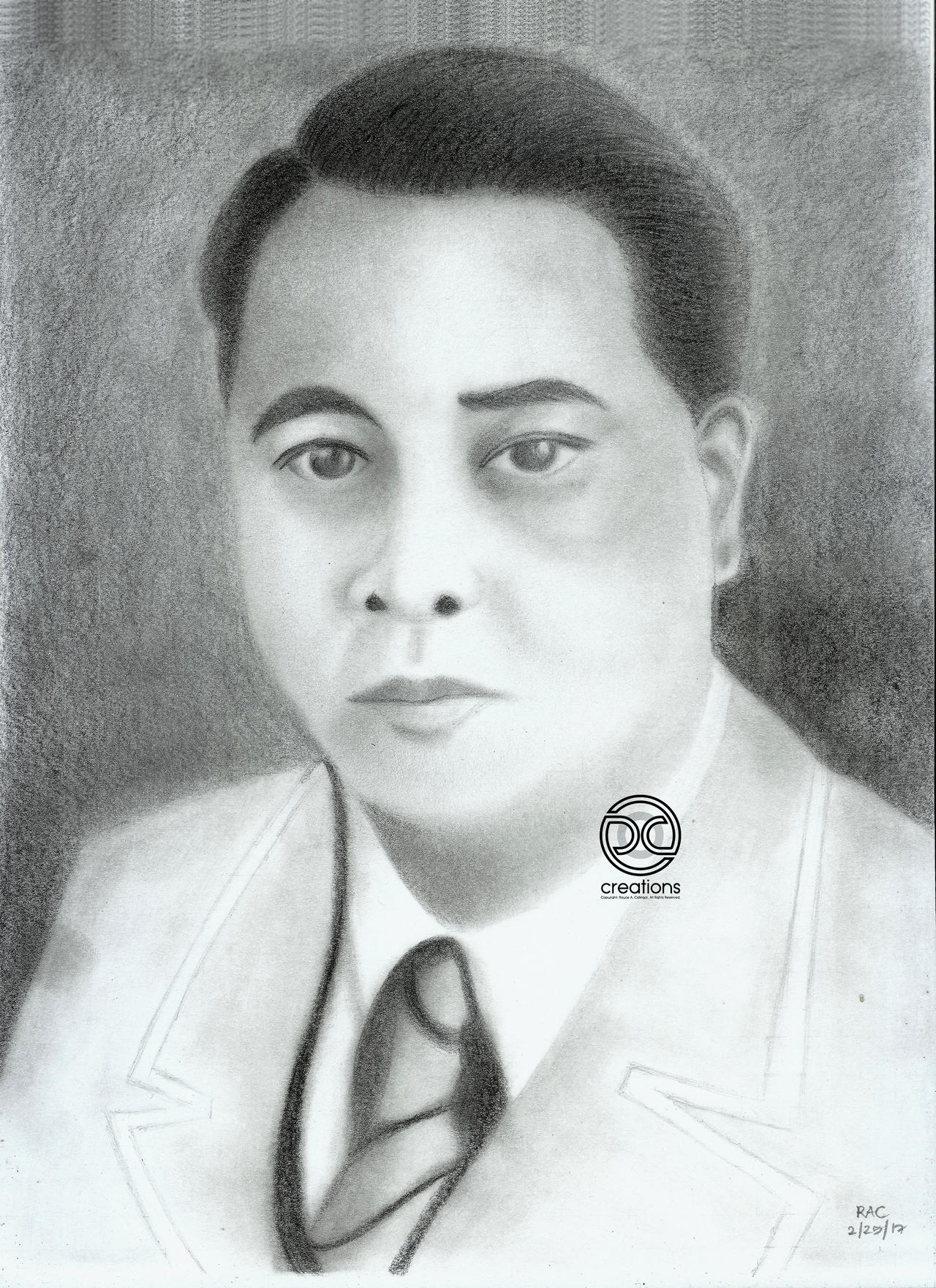
Carlos P. Romulo
 Philippines
diplomat•journalist•politician
Also known as: Carlos Romulo, Carlos Peña Romulo
Birthday
January 14, 1898
Birth Sign
Capricorn
Birthplace
Camiling, Tarlac, Philippines
Age
Died at 87
Height
5 ft 10 in (178 cm)
About
Carlos P. Romulo was a towering Filipino statesman, soldier, journalist, and author whose life bridged the colonial era and the modern international order. He served as the first Asian President of the United Nations General Assembly and won the Pulitzer Prize for Correspondence for his World War II coverage. A general in both the Philippine and U.S. armies, he was also the last surviving signatory of the UN Charter at the time of his death. His legacy endures through his literary works and his pivotal role in shaping Philippine diplomacy.
Romulo's influence extended far beyond his homeland as he rose to significant positions in global governance. He was a fierce advocate for anti-colonialism and the rights of newly independent nations. His academic leadership was recognized when he served as Chancellor of the University of the Philippines. Throughout his life, he authored numerous books, including I Saw the Philippines Rise and Mother America, which reflected his deep political and social views.
Early Life & Background
Born on January 14, 1898, in Camiling, Tarlac, Luzon, Carlos Peña Romulo grew up in a family of educators. He was one of seven children who displayed early academic excellence and a deep interest in literature and service. A pivotal moment in his youth occurred when he joined the Boy Scouts of the Philippines, an organization he helped co-found, setting the trajectory for a lifetime dedicated to public service. He attended the University of the Philippines, where he earned a degree in journalism, and later studied law at Columbia University in New York.
Before his rise to global fame, Romulo worked as a reporter for The Manila Times and The Philippines Herald. He quickly established himself as a sharp, nationalist voice in the pre-war press. His early journalistic career was marked by wit and patriotism, earning him respect among his peers. In 1936, he was appointed Director of the Bureau of Public Information, a role that allowed him to shape the narrative of the Philippines on the eve of World War II.
Career Growth
Romulo's career unfolded in distinct phases, each marked by high-level achievement. During World War II, he served as a colonel in the Philippine Army and later as a brigadier general in the U.S. Army. He famously escaped Corregidor with General Douglas MacArthur in 1942. During the occupation, he broadcasted from the "Voice of Freedom" radio station, boosting morale with messages that became legendary. His dispatches from the war zone won him the Pulitzer Prize for Correspondence in 1942, making him the only Filipino to ever receive the award.
After the war, he entered diplomacy. He served as the Resident Commissioner to the U.S. Congress (1946–1947) and then as the Philippines' Ambassador to the United States. In 1949, he achieved a historic milestone by becoming the first Asian President of the United Nations General Assembly. He held several cabinet positions, including Secretary of Foreign Affairs and Secretary of Defense. He continued to be a key figure in the Non-Aligned Movement and anti-colonial struggles. In 1982, he was posthumously named a National Artist for Literature, cementing his status as a literary giant alongside his diplomatic achievements.
Career Timeline
Public Image & Style
Romulo is portrayed as a stoic, patriotic, and eloquent figure. His style was formal and dignified, reflecting his roles as a general and diplomat. Media portrays him as a bridge between the Philippines and the West, and a fierce advocate for anti-colonialism. His writing and speeches were characterized by a strong sense of national pride and a commitment to international cooperation. He was known for his commanding presence and his ability to articulate complex diplomatic issues with clarity and passion.
Fame & Fandom (iFAMOUS Rankings)
Carlos P. Romulo's global renown rests on a singular legacy: he was the first Asian to preside over the United Nations General Assembly, a Pulitzer Prize-winning journalist, and the last surviving signatory of the UN Charter at his death. Yet in the contemporary landscape of measurable fame, where attention is tracked across media, search, and public discourse, iFANN's Global Fame Engine has evaluated his profile and finds no current placement in its published rankings. He does not appear among the Global Top 1,000 or within any Top-100 scope list as of September 2026. This absence reflects not a diminishment of his historical stature but the nature of his renown: it is commemorated through institutions rather than sustained by active fan engagement.
His admirers constitute a diffuse community of historians, diplomats, students, and patriotic Filipinos, with no formal fandom name documented in the available record. No fan clubs, streaming campaigns, or chart pushes exist. Instead, his legacy is tended by the Carlos P. Romulo Foundation and by state bodies, such as the National Historical Commission of the Philippines, which opened a permanent exhibit on his life in 2026. A personal touch endures in the nickname his grandchildren used: "Popsy." For those who revere him, his essay "I Am a Filipino" serves as a touchstone, recited at civic events and taught in schools. It functions as his "greatest hit," though it was written, not performed. His fanbase, in essence, is the Philippine nation itself, honoring a man who helped found the United Nations and shaped modern diplomacy.
Interesting Facts and Legends
Carlos P. Romulo was the only Filipino journalist to win the Pulitzer Prize, which he received in 1942 for his coverage of World War II in the Pacific. He was also the last surviving signatory of the United Nations Charter at the time of his death in 1985, having signed it in San Francisco in 1945 as part of the Philippine delegation. His essay "I Am a Filipino," published in The Philippines Herald on August 16, 1941, remains a canonical text in Philippine education.
A widely retold story involves his escape from Corregidor with General Douglas MacArthur in 1942. According to popular lore, when MacArthur promised "I shall return," Romulo echoed the phrase, and some versions claim he felt it was his own contribution to the war effort. The core facts are documented, Romulo was with MacArthur during the escape, but the specific claim of originating the phrase is folklore, retold for decades without a single authoritative source.
During the Japanese occupation, Romulo broadcast over the "Voice of Freedom" radio station from Corregidor, delivering morale-boosting messages that became legendary. The broadcasts were real, though romanticized retellings often exaggerate their frequency and reach. On a lighter note, Romulo was called "Popsy" by his grandchildren and had a special fondness for dogs, as reported in a 2013 Rappler listicle.
Notable Quotes
“I am a Filipino... I am proud to be a Filipino.”
“The world is a community of nations, and the Philippines is an integral part of that community.”
Family & Personal Life
Carlos P. Romulo was married once to Beth Day Romulo, a prominent journalist and writer. They met in 1957 when Beth interviewed Carlos for a Reader's Digest article. Their union was described as a meeting of two intellectual giants. They remained together until Carlos's death in 1985. The couple did not have biological children together, though Carlos had a close relationship with his grandchildren, who affectionately called him "Popsy." His parents were educators, and he was one of seven children.
Notable Connections
Douglas MacArthur, Beth Day Romulo, Manuel Roxas, Elpidio Quirino, Ramon Magsaysay, Trygve Lie.
Relationships & Dating History
Carlos P. Romulo was married once. His spouse was Beth Day Romulo (née Beth Day). They met in 1957 when Beth Day, a prominent journalist and writer, interviewed Carlos for a Reader's Digest article. Their union was described as a meeting of two intellectual giants. They remained together until Carlos's death in 1985. There are no widely documented prior romantic relationships or engagements before this marriage. The couple did not have biological children together, though Carlos had a close relationship with his grandchildren, who affectionately called him "Popsy." At the time of his death, he was widowed.
- MarriedBeth Day Romulo1957 - 1985Met in 1957 during a Reader's Digest interview; remained married until his death.
Death & Aftermath
Died
December 15, 1985 (aged 87)
Death Place
Manila, Philippines
Cause of Death
Natural causes associated with old age
Carlos P. Romulo passed away on December 15, 1985, in Manila at the age of 87 after a period of declining health and frailty linked to his advanced age. His final days were spent in relative seclusion while he remained intellectually active until shortly before his death, with his last significant public appearance occurring months prior during diplomatic commemorations for the United Nations. The news of his passing triggered widespread tributes from government officials and international bodies, including praise from the United States State Department and a declaration of national mourning by President Ferdinand Marcos. UN officials honored him as a giant of the organization, and eulogies highlighted his multifaceted roles as a diplomat, soldier, journalist, and National Artist for Literature.
The funeral took place on December 19, 1985, in Manila where Romulo was buried in the Libingan ng mga Bayani (Heroes' Cemetery) with military honors befitting his rank as a general in both the US Army and the Philippine Army. Posthumously, he received recognition as a National Artist for Literature, and later initiatives have included an exhibit titled "Carlos P. Romulo: Architect of Diplomacy" launched by the National Historical Commission of the Philippines in April 2026. The Carlos P. Romulo Foundation continues to operate preserving his legacy through educational programs, while his estate was managed by his widow, Beth Day Romulo, until her own passing in November 2022.
Net Worth (Estate Value)
$0
iFANN Editorial Team estimate
As a deceased public servant who lived primarily on government salaries and book royalties, specific net worth figures are not tracked like modern celebrities. However, estimates suggest his estate value was modest compared to modern standards but significant for a diplomat of his era. His estate was managed by his widow, Beth Day Romulo, until her passing in November 2022. Wealth sources included his salary as a General and Diplomat, book royalties (including I Saw the Philippines Rise), and speaking fees. As of 2026, the estate is largely symbolic, managed by the Carlos P. Romulo Foundation, which preserves his legacy through educational programs and archives. The foundation does not generate significant commercial revenue but relies on donations and government support.
Awards Won (4)
Carlos P. Romulo's accolades reflect his multifaceted career. He won the Pulitzer Prize for Correspondence in 1942 for his dispatches from the Pacific theater during World War II. He was posthumously awarded the National Artist of the Philippines for Literature in 1982. Other honors include the Legion of Merit from the United States, the Order of Sikatuna, and the Presidential Medal of Merit from the Philippines.
1942 · Journalism
World War II Coverage
1982 · Literature
Lifetime Achievement
Known For
I Am a Filipino
1941 · Author
UN Charter Signatory
1945 · Diplomat
President of the UN General Assembly
1949 · Statesman
Keywords
Sources
Quick Facts
- Profession
- diplomat, journalist, politician
- Born
- January 14, 1898
- Birthplace
- Camiling, Tarlac
- Died
- December 15, 1985
- Death Place
- Manila
- Gender
- Male
- Spouse
- Beth Day Romulo
- Birth Sign
- Capricorn
Personal Details
- Full Name
- Carlos Peña Romulo Sr.
- Height
- 5 ft 10 in (178 cm)
- Spouse
- Beth Day Romulo
- Children
- Education
- University of the Philippines (Journalism), Columbia University (Law)
Frequently Asked Questions
What was Carlos P. Romulo's nationality?
Did Carlos P. Romulo win a Pulitzer Prize?
Who was Carlos P. Romulo's wife?
What is the significance of "I Am a Filipino"?
When did Carlos P. Romulo die?
Similar People
Join the community
fans discussing