 Thailand
About
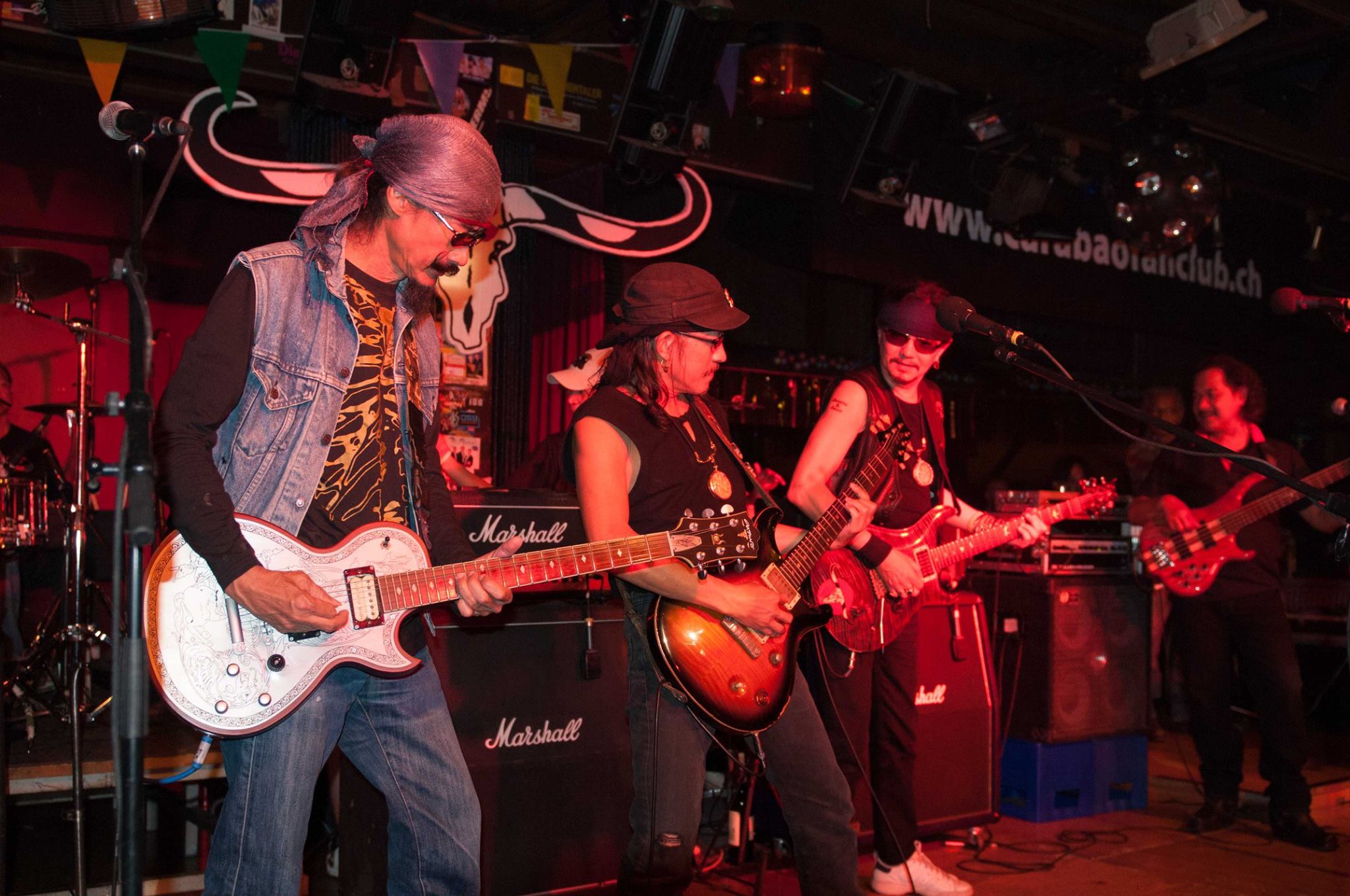
Carabao operates as a collective entity that has evolved significantly since its inception. The band currently maintains an active touring schedule with a flexible lineup that often includes around twelve members, though the specific roster fluctuates based on personal schedules and project needs. They are widely recognized as the most popular and influential musical group in Thai history, having sold over ten million albums within the domestic market alone.
Their sound remains distinctively rooted in phleng phuea chiwit, a genre that combines traditional Thai folk melodies with electric rock instrumentation. This fusion allows them to address complex social and political themes while maintaining broad appeal. Aed Carabao continues to lead the group as the primary songwriter and frontman, using his platform to critique corruption and advocate for environmental protection.
Fans relate to the band not just as entertainers but as cultural guardians who have remained consistent in their message despite changing political landscapes. The group's ability to sell out massive venues like Rajamangala Stadium repeatedly demonstrates their enduring connection with the public. Their current era focuses on celebrating their legacy while mentoring younger musicians through various charitable initiatives.
Formation Story
The origins of Carabao trace back to the late 1970s when three university students met while studying engineering at Mapúa Institute of Technology in Manila, Philippines. Yuenyong Opakul, Kirati Promsaka Na Sakon Nakhon, and Sanit Limsila bonded over shared interests in music and the socio-political climate of the time. Upon returning to Thailand, they decided to form a band that would reflect the struggles and spirit of the common Thai farmer.
Officially established in 1980, the trio began performing covers and local gigs before recording their first professional material. Their debut album Klaung (Buffalo) arrived in 1983, introducing the world to their signature style. The album's title track became an anthem, symbolizing the hardworking nature of the rural population. Early performances took place in small venues and underground clubs, where they built a loyal following among students and workers.
Their rise was meteoric yet grounded in authenticity. Unlike many pop acts of the era, Carabao refused to compromise their lyrical content for commercial gain. They faced immediate backlash from the military government, which banned several of their songs and restricted their airplay. Despite these obstacles, they continued to tour rural areas, connecting directly with audiences who felt represented by their lyrics. This grassroots approach laid the foundation for a career spanning over four decades.
Members
Musical Style
Carabao's musical evolution is marked by a seamless integration of diverse genres. Their early work relied heavily on acoustic guitars and traditional Thai instruments, creating a raw, narrative-driven sound. By the mid-1980s, they incorporated electric guitars, synthesizers, and drum machines, transitioning into a full-fledged rock sound without losing their folk roots.
The band frequently blends reggae rhythms, Latin percussion, and country influences into their arrangements. This eclectic mix earned them the moniker "ethnic rockers." Lyrically, they focus on social justice, poverty, and political corruption, often using satire and metaphor to bypass censorship. Their songwriting process is collaborative, with Aed Carabao leading the charge but allowing other members to contribute ideas and melodies.
In recent years, their production has become more polished, featuring orchestral arrangements and high-quality studio recordings. However, the core essence of their music remains unchanged: a powerful voice for the voiceless. They continue to release new material that addresses contemporary issues while honoring their classic style.
Discography
| Title | Year |
|---|---|
| Klaung | 1983 |
| Nang Mai | 1984 |
| Phra Chao | 1985 |
| Rak | 1986 |
| Chao Khao | 1987 |
| Sai Sai | 1988 |
| Baan Rong | 1989 |
| Mae Nam | 1990 |
| Klong | 1991 |
| Phu | 1992 |
| Sangkhom | 1993 |
| Lai | 1994 |
| Khaek | 1995 |
| Siam | 1997 |
| Chao | 1998 |
| Phra | 1999 |
| Klaung (20th Anniversary) | 2000 |
| Sai | 2001 |
| Mae | 2002 |
| Nang | 2003 |
| Chao | 2004 |
| Phra | 2005 |
| Sai | 2006 |
| Mae | 2007 |
| Nang | 2008 |
| Chao | 2009 |
| Phra | 2010 |
| Sai | 2011 |
| Mae | 2012 |
| Nang | 2013 |
| Chao | 2014 |
| Phra | 2015 |
| Sai | 2016 |
| Mae | 2017 |
| Nang | 2018 |
| Chao | 2019 |
| Phra | 2020 |
| Sai | 2021 |
| Mae | 2022 |
| Nang | 2023 |
| Chao | 2024 |
Tours
40th Anniversary Tour
2020-2022 · 50 shows
Buffalo World Tour
2018 · 30 shows
Songs for Life Tour
2010 · 45 shows
Cultural Impact
Carabao has profoundly shaped Thai culture and politics. Their music served as a soundtrack for the pro-democracy movements of the 1970s and 1980s, giving a voice to those marginalized by the establishment. Songs like Sai Sai and Mae Nam remain staples at protests and rallies decades after their release.
The band's influence extends beyond music into fashion and national identity. They popularized the use of traditional Thai clothing in concert settings, encouraging fans to embrace their heritage. Aed Carabao's outspoken criticism of corrupt officials has made him a polarizing but respected figure in Thai society. His willingness to speak truth to power has inspired a generation of activists and artists.
Internationally, Carabao is recognized as a pioneer of Asian rock. They have performed in Japan, China, Vietnam, and Cambodia, spreading awareness of Thai culture and the concept of phleng phuea chiwit. Their success has paved the way for other Southeast Asian bands to gain international recognition.
Fandom Culture
Carabao fans, often referred to simply as "Carabao Fans," are known for their loyalty and passion. The fanbase spans multiple generations, with parents introducing their children to the band's music. Concerts are community events where fans wear yellow and black, the official colors of the group, and sing along to every word.
Fan traditions include organizing charity drives and environmental clean-ups, reflecting the band's values. There is no single official fandom name like "ARMY" or "BLINK," but the community is tightly knit and organized through social media and local clubs. Lightsticks are not a major feature, but fans often carry flags and banners during shows.
Awards Won (20)
Carabao has received numerous accolades throughout their career, including multiple Golden Disc Awards for Album of the Year and Best Rock Album. They were honored with the MTV Asia Award for Favorite Artist in Southeast Asia and have been recognized by the National Culture Awards for their contributions to Thai heritage. The band has also won several Thai Music Awards for Song of the Year and Album of the Year, cementing their status as industry leaders.
Album of the Year
for: Chao
Best Rock Album
for: Baan Rong
Favorite Artist - Southeast Asia
for: Lifetime Achievement
Cultural Contribution
for: N/A
Song of the Year
for: Sai Sai
Milestones
Band formed by students in the Philippines
Debut album Klaung released
First major government censorship ban
First international tour in Japan
20th Anniversary celebration
30th Anniversary tour
40th Anniversary virtual concert
Trivia
The band's name comes from the Thai word for water buffalo, representing hard work and endurance., Aed Carabao is also a skilled painter and has held art exhibitions featuring works inspired by his music., Several of their albums were banned by the Thai government in the 1980s due to political content., They hold the record for the largest single concert attendance by a Thai rock band, drawing over 100,000 fans., The band has a dedicated museum in Suphan Buri showcasing their history and memorabilia.
Keywords
Sources
Quick Facts
- Formed
- March 1980
- Origin
- Suphan Buri, Thailand
- Label
- GMM Grammy, D-Day Entertainment
- Genres
- Rock, Phleng Phuea Chiwit, Folk Rock, Country
- Members
- 12
- Status
- Active
Group Info
- Fandom
- Carabao Fans
- Formed
- March 1980
- Debut
- 1983
- Debut Song
- Klaung
- Origin
- Suphan Buri, Thailand
- Company
- GMM Grammy
- Label
- GMM Grammy, D-Day Entertainment
- Fan Color
- Yellow and Black
- Status
- Active
Also Known As
Join the community
fans discussing