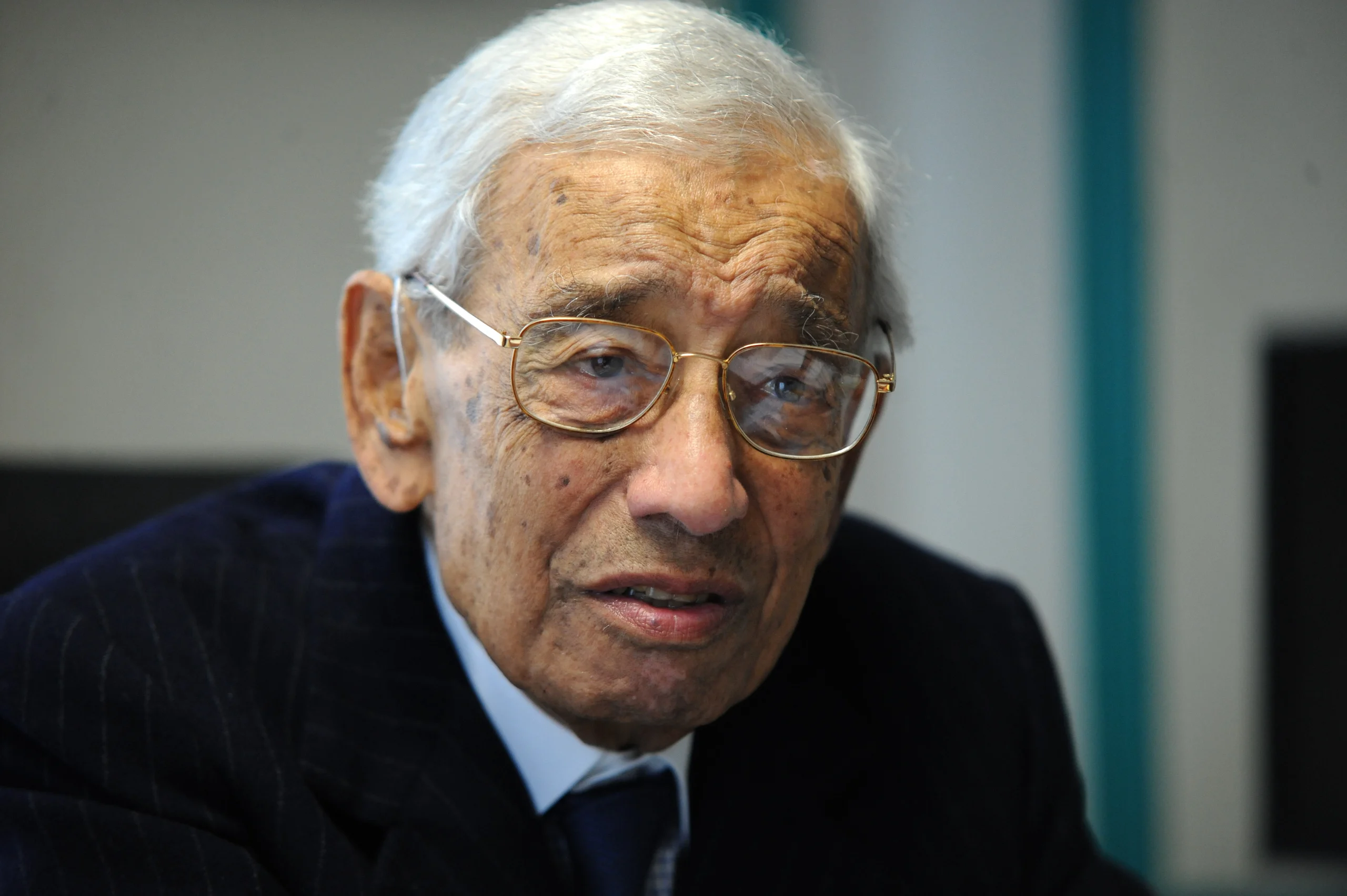
Boutros Boutros-Ghali
 Egypt
EgyptAlso known as: Butros Butros-Ghali, Ghali
Birthday
November 14, 1922
Birth Sign
Scorpio
Birthplace
Cairo, Egypt
Age
Died at 93
Height
5 ft 10 in (178 cm)
About
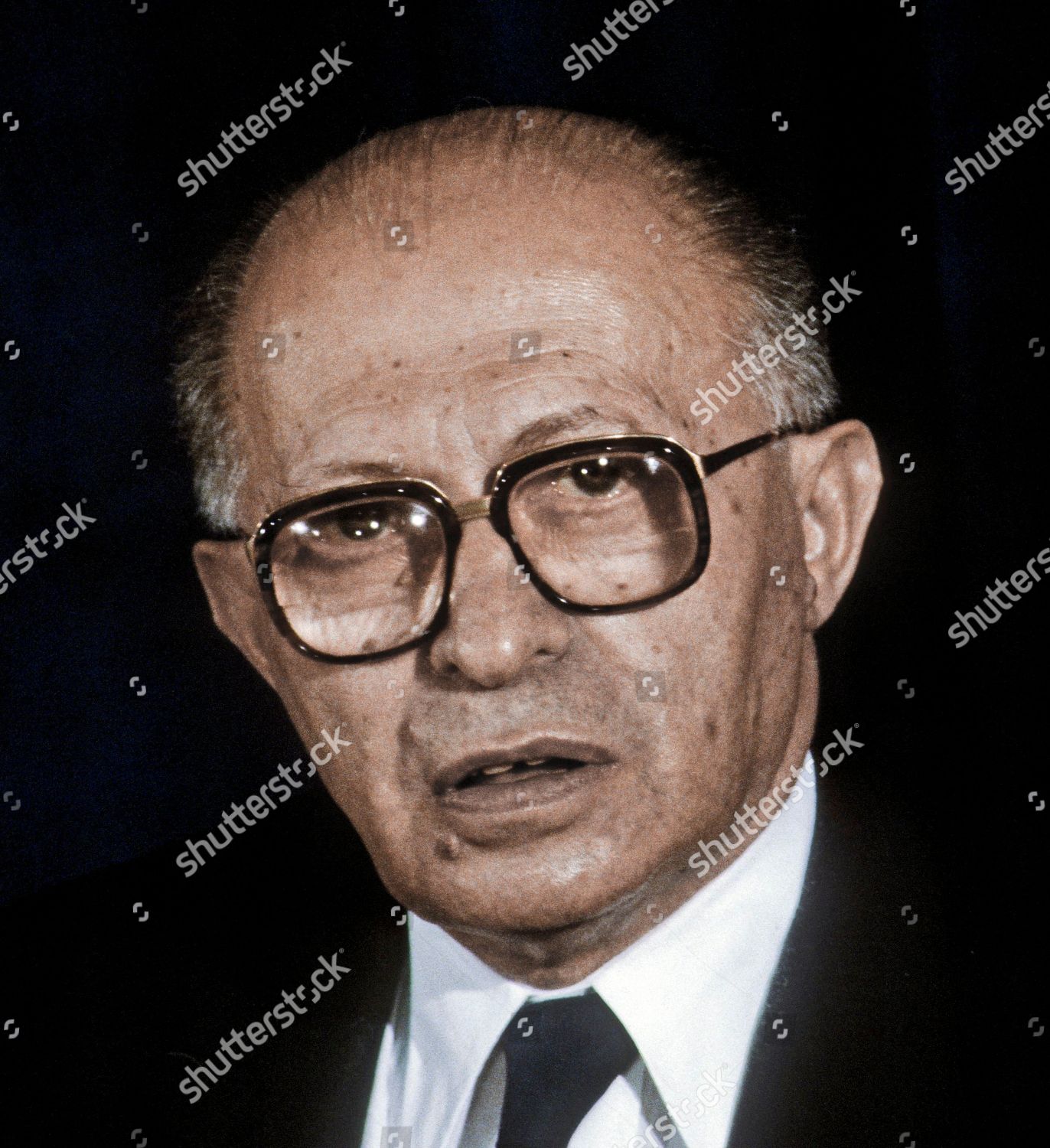
Boutros Boutros-Ghali was an Egyptian politician, diplomat, and academic who served as the sixth Secretary-General of the United Nations from 1992 to 1996. Born in Cairo into a prominent Coptic Christian family, he dedicated his life to international law and diplomacy, becoming the first Arab and African to hold the UN's highest office. His tenure is historically defined by its confrontation with major global crises, including the Rwandan genocide, the Yugoslav Wars, and the Somali Civil War, and his eventual vetoed re-election by the United States.
Before his ascent to the UN, he spent three decades as a respected professor of international law at Cairo University. His political career began under President Anwar Sadat, where he played a pivotal role in the historic negotiations between Egypt and Israel. After leaving the UN, he served as the first Secretary-General of La Francophonie and chaired the South Centre. He died in Cairo in 2016, leaving behind a complex legacy of diplomatic achievement and the harsh realities of a changing world order.
Early Life & Background
Born on November 14, 1922, in Cairo, Boutros Boutros-Ghali grew up in a wealthy and influential Coptic Christian household. His father, Boutros Ghali Pasha, was a notable figure in Egyptian politics, which exposed the young Boutros to the intricacies of governance from an early age. The family environment emphasized a cosmopolitan outlook, blending Arabic culture with strong French influences. This dual cultural foundation shaped his linguistic abilities and worldview, allowing him to navigate both local and international spheres with ease.
His education reflected this internationalist bent. He attended the Lycée Français in Cairo for his secondary schooling before pursuing higher education abroad. In 1946, he earned a law degree from the University of Cairo. He then traveled to France to further his studies, obtaining a diploma from the Institute of Political Studies in Paris and a doctorate in law from the University of Paris (Sorbonne) in 1949. His doctoral thesis focused on the League of Nations and the United Nations, foreshadowing his future career path.
For nearly thirty years, he remained in the academic sphere rather than entering high-level politics immediately. From 1949 to 1979, he taught international law and international relations at Cairo University. During this period, he rose through the ranks to become a professor and eventually the dean of the Faculty of Law. He authored numerous books and articles on international law, establishing himself as a leading authority on the laws of war and the UN system. This scholarly background provided the intellectual framework he would later apply to the most difficult diplomatic challenges of the late 20th century.
Career Growth
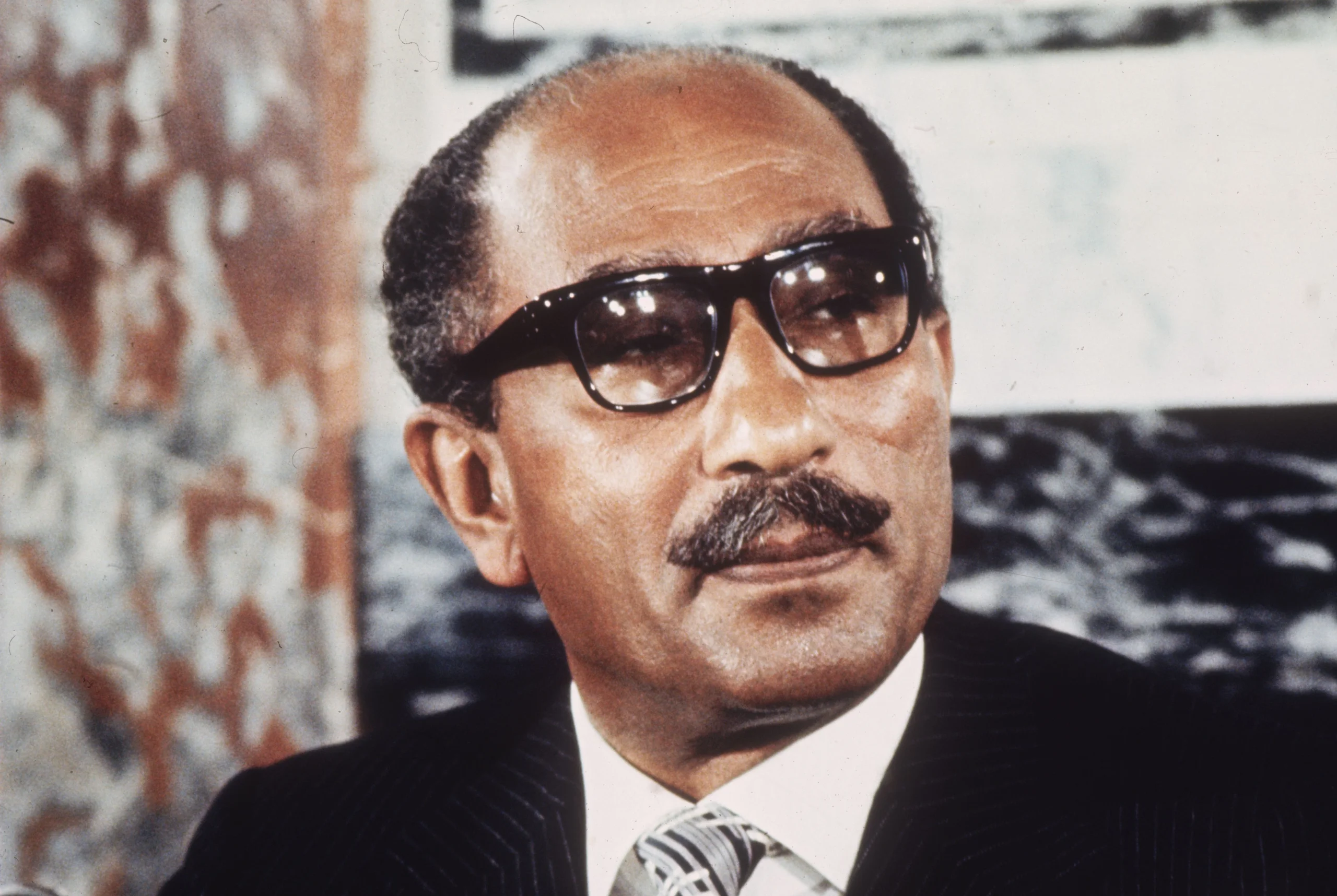
Boutros-Ghali's transition from academia to high-stakes diplomacy began in 1977 when President Anwar Sadat appointed him Acting Minister of State for Foreign Affairs. In this capacity, he became a central figure in the historic peace process between Egypt and Israel. As the primary Egyptian negotiator, he worked closely with Sadat and Israeli Prime Minister Menachem Begin to draft the Camp David Accords in 1978 and the subsequent Egypt-Israel Peace Treaty in 1979. These achievements brought him significant international recognition and established his reputation as a master diplomat.
He continued to serve in various foreign ministry roles, including Deputy Foreign Minister and acting Foreign Minister, until 1991. His expertise in international relations made him a natural choice for the United Nations. In December 1991, the UN General Assembly elected him as the sixth Secretary-General, succeeding Javier Pérez de Cuéllar. He took office on January 1, 1992, just as the Cold War was ending and new global conflicts were emerging.
His five-year term was marked by intense scrutiny and some of the worst humanitarian disasters of the modern era. He oversaw UN operations in Somalia, where the mission struggled to secure peace and culminated in the tragic "Black Hawk Down" incident in 1993. He also managed the paralyzed peacekeeping efforts in the former Yugoslavia, where the UN failed to prevent atrocities like the Srebrenica massacre. In 1994, his leadership faced sharp criticism regarding the UN's response to the Rwandan Genocide, with accusations of negligence leveled against his administration.
In 1996, Boutros-Ghali ran unopposed for a second term. However, the United States, dissatisfied with his handling of these crises and perceiving inefficiency in his leadership, used its veto power in the Security Council to block his re-election. This historic veto ended his tenure and highlighted the tensions between the UN's idealistic goals and superpower dominance. Following his departure from the UN, he served as the first Secretary-General of La Francophonie from 1997 to 2002 and later chaired the South Centre, remaining active in diplomatic circles until his death.
Career Timeline
Public Image & Style
Boutros-Ghali is remembered as a dignified, intellectual, and principled statesman. Media coverage often highlights his urbane demeanor and his willingness to challenge the United States, even at the cost of his own career. He was known for his calm speaking style and formal dress, reflecting his diplomatic status. His legacy is viewed as a mix of diplomatic achievement and the harsh realities of a changing world order. Critics point to his perceived indecisiveness during the Rwandan genocide, while supporters argue that structural limitations of the Security Council constrained his ability to act. He is generally portrayed as a man of integrity who prioritized the principles of international law over political expediency.
Fame & Fandom
Boutros Boutros-Ghali never courted a fanbase in the pop-culture sense. His stage was the Security Council chamber, not a concert hall or stadium. There were no organized groups rallying behind his name with specific rituals, birthday billboards, or fan-funded charity drives. His admirers are primarily academics, historians, students of international relations, and those interested in African and Arab diplomatic history. His legacy is preserved through academic citations, university lectures, and historical documentaries rather than merchandise or social media fandoms. The few stories that circulate today are historical anecdotes about his tenure during the Rwandan genocide and the wars in the former Yugoslavia, often highlighting his independent clashes with the United States. These narratives focus on his dignity and the geopolitical friction of the era rather than celebrity worship. According to the iFANN Global Fame Rankings, he holds a distinct place in history as the 20th most famous person from Egypt, a position he has held steady since the previous cycle.
Interesting Facts and Legends
His double name "Boutros Boutros" follows a traditional naming convention in some Arab families, honoring both his father and grandfather. He was fluent in four languages: Arabic, French, English, and Italian, which allowed him to communicate effectively across diverse diplomatic channels. A defining moment in his career occurred in 1996 when he publicly acknowledged the US veto of his re-election with the famous remark, "The Americans have vetoed my reappointment." This statement cemented his image as a statesman who prioritized dignity over political survival. As a Coptic Christian in a predominantly Muslim country, his rise to the highest levels of Egyptian and international diplomacy was a significant milestone for religious minorities in the region. He also authored several books on international law and the United Nations system during his academic years.
Notable Quotes
“The Americans have vetoed my reappointment.”
“I am not a man of action, I am a man of thought.”
“The United Nations is not a world government, but it is the best instrument we have for maintaining international peace and security.”
Family & Personal Life
Boutros Boutros-Ghali was married twice. His first wife was Lilly Kahil, whom he married in the mid-20th century. That marriage ended in divorce, though specific details about their courtship or the reasons for the split are not widely documented in public sources. He later married Leia Maria Nadler, a German national. She accompanied him during his tenure at the United Nations and his subsequent work with La Francophonie. Public records do not confirm any biological children from either marriage, though some sources suggest he may have had stepchildren or adopted relatives. He maintained a relatively private personal life compared to many public figures of his era.
Notable Connections
Anwar Sadat, Menachem Begin, Javier Pérez de Cuéllar, Ban Ki-moon, Bill Clinton.
Relationships & Dating History
Boutros Boutros-Ghali was married twice throughout his life. His first marriage was to Lilly Kahil, which took place in the mid-20th century. The exact year of their wedding is not widely publicized in standard biographies, and the marriage eventually ended in divorce. Details regarding how they met or the specific reasons for the split are not documented in public sources. No children are widely attributed to this union in major biographical summaries.
After his divorce, he married Leia Maria Nadler, a German national. This marriage lasted through his tenure at the United Nations and his subsequent work with La Francophonie. Leia accompanied him during his time in New York and later in Paris. There is no public record of children from this marriage either. Public records do not confirm any biological children for Boutros-Ghali. Some sources suggest he may have had stepchildren or adopted relatives, but no definitive list of offspring exists in credible biographical databases. As a statesman of the late 20th century, he maintained a relatively private personal life, and detailed records of specific romantic courtships are scarce in historical archives.
- DivorcedLilly KahilMarried in the mid-20th century; details of the relationship are private.
- WidowedLeia Maria Nadler? - 2016German national; accompanied him during his UN and La Francophonie tenures.
Death & Aftermath
Died
February 16, 2016 (aged 93)
Death Place
Cairo, Egypt
Cause of Death
Natural causes associated with advanced age
Boutros Boutros-Ghali passed away on February 16, 2016, in Cairo at the age of 93. His death was attributed to natural causes following a long retirement from public office. He died peacefully without any reported legal investigations or disputes surrounding the circumstances of his passing. The former Secretary-General had lived quietly in his home city after leaving the UN in 1996 and serving as the head of La Francophonie until 2002.
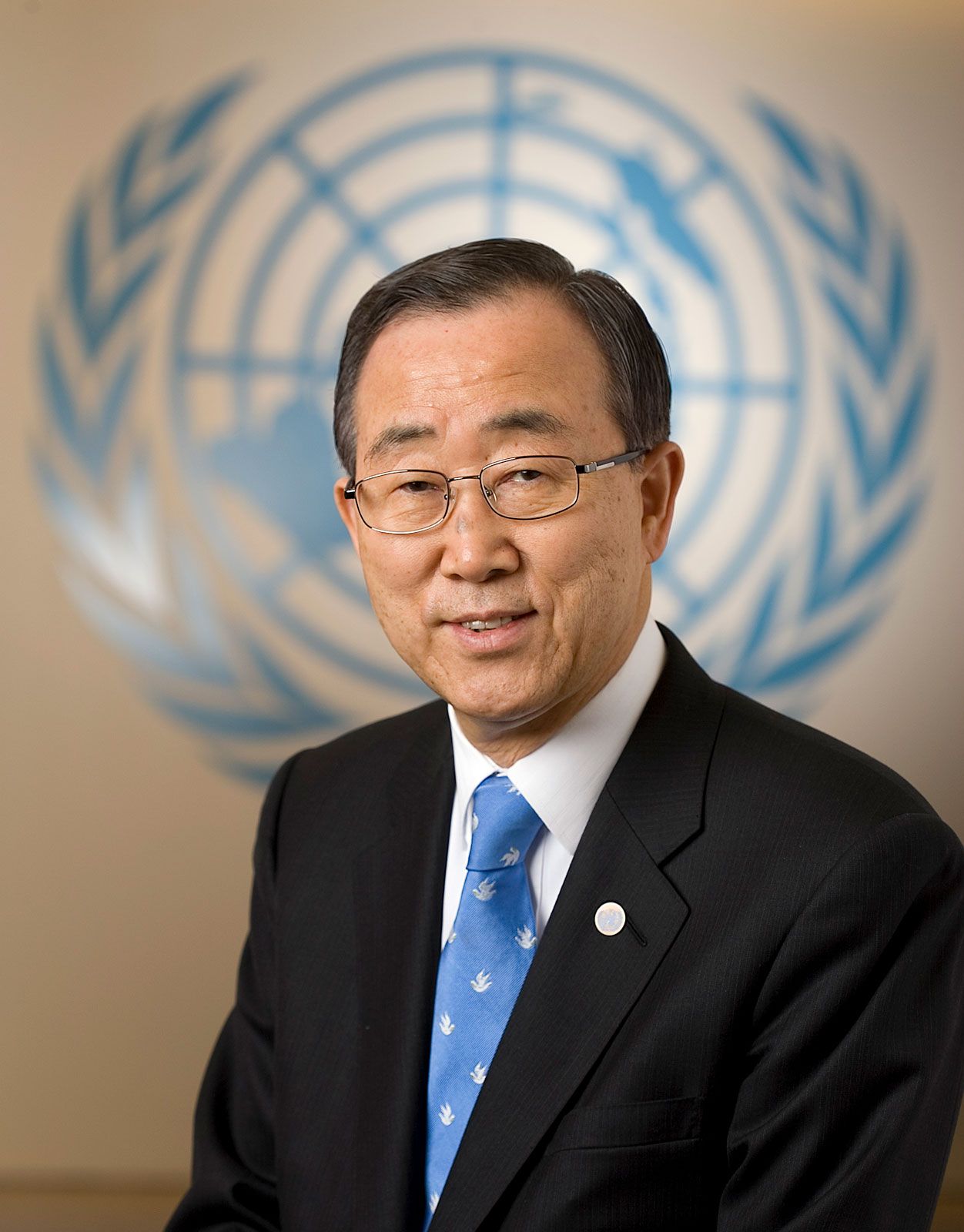
Global reaction to his death was marked by formal tributes from world leaders and international institutions. Ban Ki-moon, then serving as UN Secretary-General, honored him as a pioneer who broke barriers as the first Arab and African to hold the organization's highest office. Heads of state from across Africa, the Middle East, and Europe issued statements acknowledging his role in negotiating the Camp David Accords and his courageous stance during the turbulent conflicts of the early 1990s. Major media outlets including The Washington Post, BBC News, and Time published extensive obituaries that focused on his intellectual legacy and his historic clash with the United States over his re-election.
A private funeral ceremony took place in Cairo shortly after his death. While the specific location of his burial remains unpublicized in open records, it is confirmed he was laid to rest in his native city. No posthumous commercial releases or estate disputes were reported. Instead, his legacy has been preserved through continued academic study and historical documentation of his tenure. Scholars continue to analyze his time at the UN as a case study in the limitations of the Security Council and the challenges faced by non-Western leaders navigating superpower politics.
Net Worth (Estate Value)
$1 Million
iFANN Editorial Team estimate
Boutros Boutros-Ghali did not accumulate wealth through commercial ventures, endorsements, or entertainment royalties. As a public servant and diplomat, his income came from salaries earned as a government official in Egypt, his tenure at the United Nations, and his later role at La Francophonie. Research by the iFANN Editorial Team puts his fortune at around $1 million. This estimate reflects his modest lifestyle and the nature of public service compensation, adjusted for inflation to current values.
His financial standing was typical for a high-ranking diplomat of his era, relying on steady government salaries and academic stipends rather than speculative investments or business empires. Real estate holdings in Cairo were likely part of his assets, consistent with his social class, but there were no major posthumous revenue streams such as licensing deals or catalog sales. Given his age and lack of high-profile business ventures, his estate was modest compared to celebrities. No specific public valuation of his estate exists.
Awards Won (4)
Boutros-Ghali received numerous honours for his service, though he did not win entertainment industry awards. He was awarded the Knight Grand Cross of the Order of the Nile, Egypt's highest order, and the Grand Cross of the Legion of Honour from France. He also received the Order of the Rising Sun from Japan and the Order of St. Andrew the Apostle the First-Called from Russia. Additionally, he received honorary doctorates from several universities worldwide, recognizing his contributions to international law.
1992 · State Honour
Service to Egypt
1993 · State Honour
International Diplomacy
Known For
Sixth Secretary-General of the United Nations
1992 · Secretary-General
Egyptian Foreign Minister
1977 · Minister
Camp David Accords Negotiator
1978 · Negotiator
Keywords
Sources
Quick Facts
- Profession
- politician, diplomat, writer
- Born
- November 14, 1922
- Birthplace
- Cairo, Egypt
- Died
- February 16, 2016
- Death Place
- Cairo, Egypt
- Gender
- Male
- Spouse
- Lilly Kahil, Leia Maria Nadler
- Birth Sign
- Scorpio
Personal Details
- Full Name
- Boutros Boutros-Ghali
- Height
- 5 ft 10 in (178 cm)
- Spouse
- Lilly Kahil, Leia Maria Nadler
- Children
- Education
- University of Cairo; University of Paris (Sorbonne); Institute of Political Studies, Paris
Frequently Asked Questions
Who was Boutros Boutros-Ghali?
Why was Boutros Boutros-Ghali not re-elected as UN Secretary-General?
What was Boutros Boutros-Ghali's role in the Camp David Accords?
When and where did Boutros Boutros-Ghali die?
Did Boutros Boutros-Ghali have children?
Join the community
fans discussing