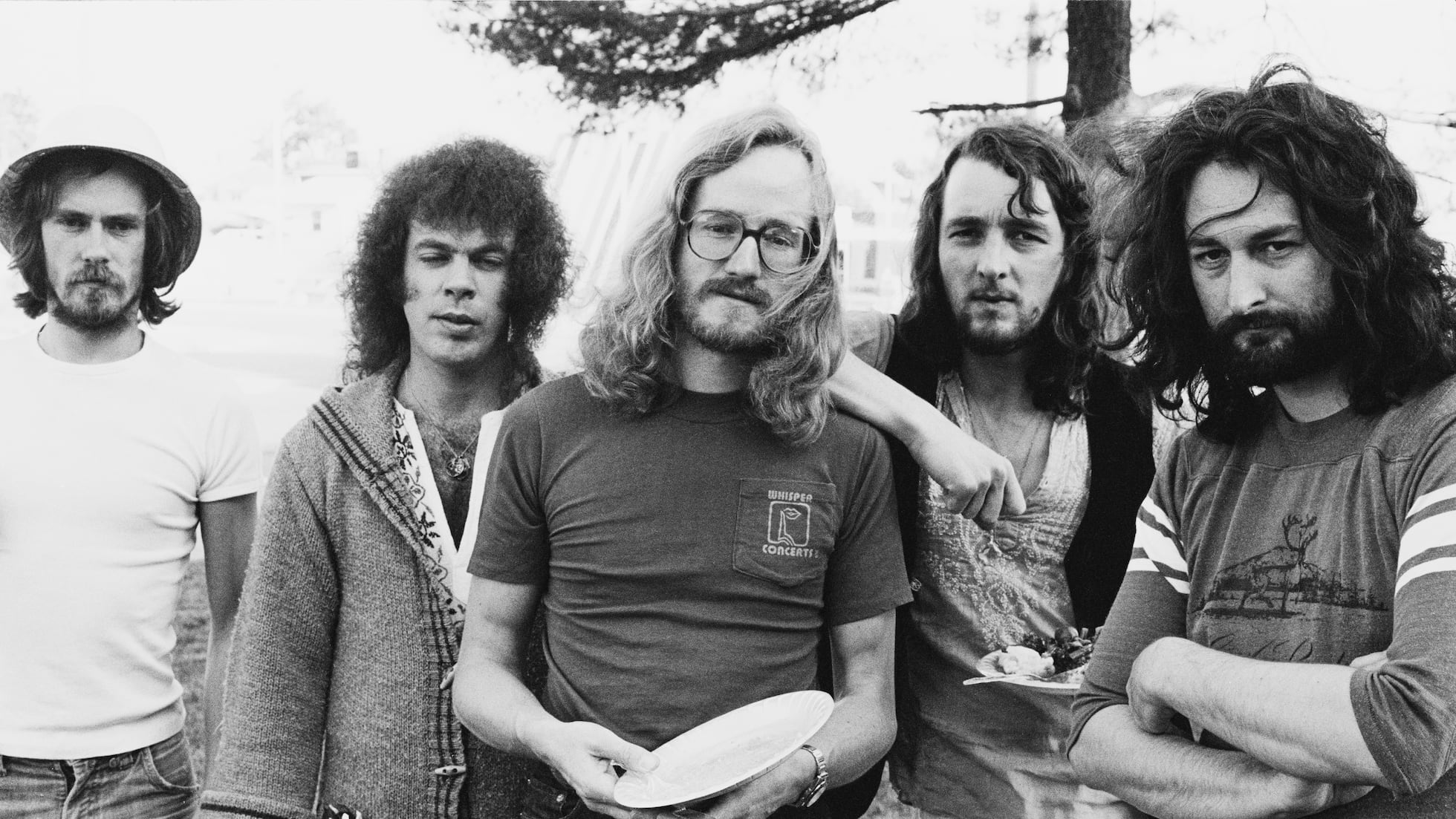
Bob Siebenberg
Member of Supertramp
Also known as: Bob C. Benberg, Robert Layne Siebenberg, Robert Siebenberg
Birthday
October 31, 1949
Birth Sign
Sagittarius
Birthplace
Glendale, California
Age
76 years old
About
Robert Layne Siebenberg is an American musician best known as the drummer and percussionist for the British progressive rock band Supertramp. Born in Glendale, California, he joined the group in 1973 and became the sole American member of their classic lineup. His steady, melodic drumming provided the rhythmic backbone for some of the most successful albums in rock history, including Crime of the Century and Breakfast in America. As of late 2026, at age 76, he remains active in the music industry, recently launching a new partnership website with surviving Supertramp members and releasing new solo material.
Beyond his tenure with Supertramp, Siebenberg has pursued diverse creative ventures. He released his debut solo album Giants in Our Own Room in 1985, where he sang lead vocals on half the tracks and played keyboards alongside collaborators like Scott Gorham. He also composed the original score for the 1989 video game Space Quest III: The Pirates of Pestulon, demonstrating versatility beyond traditional rock instrumentation. A long-time endorser for major drum hardware manufacturers, he is often referred to as "The Drum Doctor" for his technical expertise.
Early Life & Background
Robert Layne Siebenberg was born on October 31, 1949, in Glendale, California. Public records offer little detail regarding his specific childhood upbringing or formal education prior to his musical career, though sources indicate he developed an early interest in percussion. Before achieving international fame, he played in several American bands based in the Los Angeles area. He performed with RHS and the pub rock group Bees Make Honey during the early 1970s. He was also a member of a band called Heads Up, which released the album The Long Shot in 1989. This period of gigging in the local music scene laid the groundwork for his eventual move to Europe.
The pivotal moment in his pre-fame life occurred when he joined Supertramp in 1973, replacing original drummer Bob Young. His recruitment marked a significant shift in the band's sound, bringing a more driving, rock-oriented rhythm section that complemented the songwriting of Rick Davies and Roger Hodgson. Upon arriving in the UK, Siebenberg faced work permit complications that required him to use a pseudonym to secure employment. He adopted the stage name "Bob C. Benberg" during his early tenure with the group. This alias became so ingrained that it appeared in album credits for years before he could revert to his real name.
Career Growth
Siebenberg's career is defined by his transformative role in Supertramp's commercial peak. Joining the band in 1973, he contributed to the recording of Crime of the Century, widely considered one of the greatest progressive rock albums of all time. His performance on tracks like "Dreamer" and "Bloody Well Right" showcased his ability to blend jazz-influenced complexity with pop accessibility. In 1974, he played on Even in the Quietest Moments..., further solidifying the band's reputation. The release of Crisis? What Crisis? (1975) and the massive success of Breakfast in America (1979) cemented his status as a rock icon. Breakfast in America became one of the best-selling albums in history, driven by hits like "The Logical Song," "Goodbye Stranger," and "Take the Long Way Home."
In 1985, Siebenberg stepped into the spotlight with his solo debut, Giants in Our Own Room. Credited simply as "Siebenberg," the album featured him singing lead vocals on half the tracks, playing keyboards and drums, and collaborating with notable musicians including Thin Lizzy's Scott Gorham, Steve Farris of Mr. Mister, and Supertramp bandmate John Helliwell. Following his departure from Supertramp in 1983, he continued to perform and record, including the 1989 project with Heads Up.
A significant milestone in his later career occurred in 1989 when he composed the original score for Sierra On-Line's video game Space Quest III: The Pirates of Pestulon, demonstrating his versatility beyond traditional rock instrumentation. In 1999, his legacy was extended generationally when his son, Jesse Siebenberg, joined Supertramp as a keyboardist and vocalist for the live album It Was the Best of Times. In August 2025, a US appeals court ruled in his favor, ordering that he be paid royalties from the band's 1970s hits. As of late 2026, he is actively engaged in a new partnership website with surviving members and has finished his third solo record.
Career Timeline
Public Image & Style
Siebenberg is portrayed in the media as a professional, understated, and technically proficient musician. He is often described as the "heartbeat" of Supertramp, providing the stability that allowed the more flamboyant songwriters to shine. His public image is one of quiet dedication, focusing on the craft of drumming rather than celebrity. He is known for his energetic stage presence and distinctive drum setup featuring DW kits and Paiste cymbals. Media coverage typically highlights his technical skill and his role as a clinician and endorser for major drum hardware manufacturers.
Fame & Fandom (iFAMOUS Rankings)
Supertramp devotees have long celebrated Bob Siebenberg as the band's American heartbeat, a figure whose steady percussion anchored hits like "Breakfast in America" and "The Logical Song." Fans often mark his birthday on October 31st with social media tributes that highlight his unique status as the sole non-British member of the classic lineup from 1973 to 1983. While the broader Supertramp community discusses his contributions alongside Rick Davies and Roger Hodgson, there is no formal, dedicated name for a fanbase solely focused on him; instead, supporters identify collectively through shared appreciation of his drumming and his 1985 solo effort, Giants in Our Own Room. This album remains a cult favorite among those who follow his work beyond the band, particularly noting his lead vocals and keyboard work alongside Thin Lizzy's Scott Gorham. Despite decades of touring and a significant legal victory in August 2025 where an appeals court ruled he was owed royalties from the 1970s hits, Siebenberg has not generated specific viral legends or organized fan rituals unique to his persona. The iFANN Global Fame Rankings do not yet include him, leaving his precise standing in the wider cultural landscape undefined by current metrics. His son Jesse joining the group for the 1999 live album It Was the Best of Times added a generational layer to his legacy, but this familial connection remains part of the band's narrative rather than a standalone fandom phenomenon. Without documented campaigns, subway ads, or exclusive events attributed specifically to him, his reputation rests on the consistent quality of his performance and the enduring popularity of the records he helped shape.
Interesting Facts and Legends
Bob Siebenberg used the alias "Bob C. Benberg" not for artistic flair but out of necessity. When he first moved to the UK to join Supertramp, he faced visa issues that prevented him from working under his real name. He adopted the alias to bypass bureaucratic hurdles, a practice that became so ingrained that he remained credited as "Benberg" in album credits for years. Composing the soundtrack for Space Quest III in 1989 made him one of the early rock musicians to bridge the gap between stadium rock and interactive entertainment. He is one of the few rock musicians to have his son play alongside him in the same band, with Jesse joining Supertramp in 1999. Known as "The Drum Doctor" for his meticulous approach to drum tuning and maintenance, he often shares tips with aspiring drummers. The iconic drum fill during the chorus of "The Logical Song" on Breakfast in America is frequently cited by drummers as a masterclass in simplicity and groove.
Notable Quotes
“I just wanted to play the drums and make people dance.”
“The name Benberg was a joke that stuck.”
“Music is about feeling, not just technique.”
Family & Personal Life
Public information regarding Bob Siebenberg's romantic history is sparse and largely private. Unlike many contemporaries who have detailed tabloid histories, Siebenberg has maintained a low profile regarding his personal life. There are no confirmed public records of marriages, engagements, or high-profile relationships documented in credible sources. He was married to Scott Gorham's sister from 1969 to 2000, making Gorham his brother-in-law. This familial bond facilitated their musical collaborations, particularly on the 1985 solo album Giants in Our Own Room. Siebenberg has one known child, Jesse Siebenberg, who joined Supertramp in 1999. The identity of Jesse's mother is not publicly documented. As of 2026, there is no reported current partner.
Notable Connections
Relationships & Dating History
Public information regarding Bob Siebenberg's romantic history is sparse and largely private. Unlike many contemporaries who have detailed tabloid histories, Siebenberg has maintained a low profile regarding his personal life. There are no confirmed public records of marriages, engagements, or high-profile relationships documented in credible sources. He was married to Scott Gorham's sister from 1969 to 2000, making Gorham his brother-in-law. This familial bond facilitated their musical collaborations, particularly on the 1985 solo album Giants in Our Own Room. No official marriage or divorce records have been publicly disclosed since then. It is generally assumed based on the lack of public announcements and the absence of a spouse in recent interviews that he may be divorced or widowed, but no source confirms this. As of 2026, there is no reported current partner. Bob Siebenberg appears to be single or keeping his personal life strictly private. No rumors or confirmed dating events have been reported in recent years.
- MarriedScott Gorham's Sister1969 - 2000Mother of his son Jesse; Gorham is a musician from Thin Lizzy.
Salary, Net Worth In 2026
$10 Million
iFANN Editorial Team estimate
iFANN currently estimates Bob Siebenberg's net worth at approximately $10 million. This figure reflects his decades of touring, album sales, and ongoing royalty streams from Supertramp's extensive catalog. The primary source of his wealth stems from royalties generated by hits like "The Logical Song" and "Breakfast in America," which remain perennial favorites globally. His income also includes revenue from his solo work, particularly the 1985 album Giants in Our Own Room, and licensing fees from his composition for the video game Space Quest III.
Long-term endorsement contracts with major manufacturers such as Drum Workshop, Paiste, Remo, and Regal Tip provide a steady stream of income. In August 2025, a US appeals court ruled in his favor, ordering that he be paid back royalties from the band's 1970s hits. This legal victory significantly boosted his financial standing, with analysts projecting that the settlement and future royalty adjustments contribute to his current valuation. As of 2026, he continues to earn from reissues of Supertramp's catalog and his recent solo projects produced in collaboration with his son.
Awards & Accolades
View 2 records, honours and achievementsKnown For
Giants in Our Own Room
1985 · Solo Album
Space Quest III: The Pirates of Pestulon
1989 · Composer
Keywords
Sources
Quick Facts
- Profession
- musician, percussionist
- Born
- October 31, 1949
- Birthplace
- Glendale, California
- Gender
- Male
- Birth Sign
- Sagittarius
Personal Details
- Full Name
- Robert Layne Siebenberg
- Children
- Jesse Siebenberg
Filmography
1
Total
0
Film
0
TV
Frequently Asked Questions
What is Bob Siebenberg's real name?
Is Bob Siebenberg still alive in 2026?
Why did Bob Siebenberg leave Supertramp?
Does Bob Siebenberg have any children?
What solo albums has Bob Siebenberg released?
Social Media
Join the community
fans discussing