 United Kingdom
About
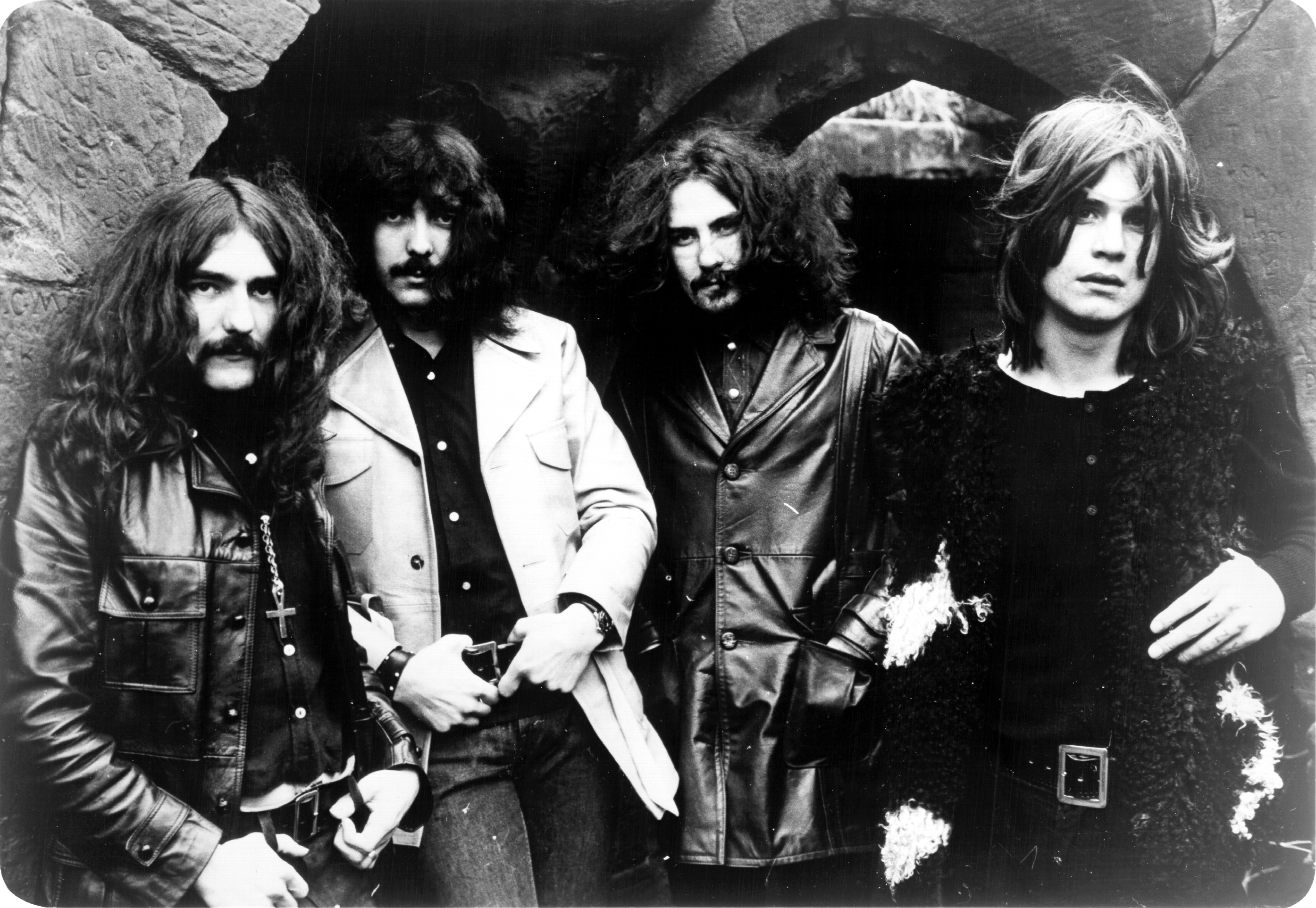
The story of Black Sabbath begins in Aston, Birmingham, in 1968, when four musicians, guitarist Tony Iommi, bassist Geezer Butler, drummer Bill Ward, and vocalist Ozzy Osbourne, formed a blues-rock outfit. They initially called themselves the Polka Tulk Blues Band, then Earth, before adopting the name Black Sabbath in August 1969. This change was inspired by a Boris Karloff horror film and a song Butler had written, reflecting a conscious shift towards darker, heavier themes that would define their sound.
Their debut album, Black Sabbath, arrived on Friday, February 13, 1970, recorded in just a single day. The album, with its ominous title track and doom-laden atmosphere, immediately distinguished them from other rock bands. Later that year, the release of Paranoid, featuring hits like "Iron Man" and the title track, propelled them to international recognition. Albums such as Master of Reality, Vol. 4, and Sabbath Bloody Sabbath continued to refine their pioneering heavy metal style, incorporating increasingly complex arrangements and lyrical depth while maintaining their signature crushing riffs.
A major shift occurred in 1979 when Ozzy Osbourne departed, leading to the arrival of Ronnie James Dio. This era brought a more epic, fantasy-oriented sound with albums like Heaven and Hell (1980) and Mob Rules (1981), which many fans consider classics. Following Dio's initial departure, the band experienced a period of frequent lineup changes, featuring vocalists such as Ian Gillan, Glenn Hughes, and Tony Martin, each contributing to a diverse discography that explored various facets of hard rock and heavy metal.
The original lineup of Iommi, Osbourne, Butler, and Ward reunited in 1997, reigniting excitement among fans. They toured extensively, culminating in the release of the studio album 13 in 2013, which topped charts in both the UK and US, a remarkable achievement 43 years into their career. The group embarked on "The End Tour" in 2016, concluding with an emotional final performance in their hometown of Birmingham on February 4, 2017. Despite the official disbandment, the original members have announced a special "Back to the Beginning" show at Villa Park in July 2025, marking a poignant return for both the band and Ozzy Osbourne's final performance.
Formation Story
Before they became the titans of heavy metal, the four young men who would form Black Sabbath were cutting their teeth in the blues-rock scene of Birmingham. Tony Iommi (guitar), Geezer Butler (bass), Bill Ward (drums), and Ozzy Osbourne (vocals) first came together in August 1968, initially calling themselves the Polka Tulk Blues Band. They soon shortened it to Earth, playing blues-rock covers and some early original material.
A turning point arrived in 1969. Butler, fascinated by the occult and horror, noticed that people paid money to be scared at horror movies. He wrote a song titled "Black Sabbath," inspired by a Boris Karloff film. The band felt this darker, heavier direction resonated more deeply with them. By August 1969, they officially adopted the name Black Sabbath, embracing a sound and lyrical content that was far removed from the flower power movement of the time.
Their self-titled debut album was famously recorded in a single 12-hour session on November 16, 1969, costing a mere £600. The band played live in the studio, giving the record a raw, unpolished energy. It hit stores on Friday, February 13, 1970, and quickly carved out a new space in the music world, setting the stage for everything that would follow.
Members
Former Members
Ronnie James Dio (Ronald James Padavona)
Lead Vocalist · 1979–1982, 1991–1992
Ian Gillan (Ian Gillan)
Lead Vocalist · 1982–1984
Glenn Hughes (Glenn Hughes)
Lead Vocalist · 1985–1986
Tony Martin (Anthony Philip Harford)
Lead Vocalist · 1987–1991, 1993–1995
Vinny Appice (Vinny Appice)
Drummer · 1980-1982, 1991-1992, 1998
Sub-Units
Heaven & Hell (2006)
Tony IommiGeezer ButlerRonnie James DioVinny Appice
Musical Style
Black Sabbath's sound evolved significantly across its different eras, yet always maintained a heavy core. The initial period, with Ozzy Osbourne on vocals from 1970 to 1978, defined the heavy metal genre. Albums like Paranoid and Master of Reality featured downtuned, sludgy guitar riffs from Tony Iommi, Geezer Butler's driving bass lines, and Bill Ward's powerful drumming, all underpinning Osbourne's distinctive wailing vocals and Butler's dark, often occult-themed lyrics. This era was characterized by a bluesy, doom-laden sound that felt ominous and groundbreaking.
As the 1970s progressed, the band began to experiment. Albums such as Sabbath Bloody Sabbath and Sabotage introduced more progressive rock elements, including synthesizers, orchestral arrangements, and more complex song structures, demonstrating their expanding musical ambition beyond raw power.
When Ronnie James Dio joined as vocalist in 1979, the band's style shifted. Dio's operatic, soaring vocals and fantasy-driven lyrics brought a more epic and classically influenced heavy metal sound. Records like Heaven and Hell and Mob Rules showcased a blend of traditional metal with a mythological lyrical depth, moving away from the more direct horror themes of the Osbourne years.
The subsequent period, spanning from 1983 to 1995, saw a rotating cast of vocalists. Each brought a different flavor; Ian Gillan's work on Born Again, for instance, offered a raw, almost proto-thrash heaviness, while Glenn Hughes's contribution to Seventh Star leaned into hard rock and blues. The Tony Martin-fronted albums explored a mix of traditional heavy metal and more contemporary 80s and 90s production styles. The final studio album, 13, released in 2013 with Osbourne back on vocals, saw the band return to a classic, stripped-down heavy metal approach, echoing the raw power of their earliest work.
Discography
| Title | Year |
|---|---|
| 13 | 2013 |
| Forbidden | 1995 |
| Cross Purposes | 1994 |
| Dehumanizer | 1992 |
| TV Crimes | 1992 |
| Tyr | 1990 |
| Headless Cross | 1989 |
| The Eternal Idol | 1987 |
| Seventh Star | 1986 |
| Born Again | 1983 |
| The Mob Rules | 1981 |
| Mob Rules | 1981 |
| Die Young | 1980 |
| Neon Knights | 1980 |
| Heaven and Hell | 1980 |
| Never Say Die! | 1978 |
| Technical Ecstasy | 1976 |
| Sabotage | 1975 |
| Sabbath Bloody Sabbath | 1973 |
| Sabbath Bloody Sabbath | 1973 |
| Vol. 4 | 1972 |
| Iron Man | 1971 |
| Master of Reality | 1971 |
| Paranoid | 1970 |
| Paranoid | 1970 |
| Black Sabbath | 1970 |
Tours
The End Tour
2016–2017 · 81 shows
Ozzfest
2004–2005
Reunion Tour
1997–1998
Dehumanizer Tour
1992
Mob Rules Tour
1981–1982
Heaven and Hell Tour
1980–1981
Sabbath Bloody Sabbath Tour
1973–1974
Master of Reality Tour
1971–1972
Paranoid Tour
1970–1971
Cultural Impact
The moment Black Sabbath's debut album hit the airwaves in 1970, it signaled a seismic shift in music, birthing the genre of heavy metal. Their innovative use of downtuned guitars, slow, crushing tempos, and dark, often unsettling lyrical themes created a blueprint that countless bands would follow. They didn't just influence metal; they invented it, providing the sonic vocabulary for generations of musicians.
Their impact rippled through various subgenres, directly inspiring the foundations of doom metal, stoner rock, and sludge metal. Bands as diverse as Metallica, Iron Maiden, Slayer, Soundgarden, and Alice in Chains have all cited Black Sabbath as a primary, foundational influence, demonstrating the breadth of their reach across different rock and metal scenes.
Beyond music, the band shaped heavy metal aesthetics. Their embrace of black clothing, large crosses, and occult imagery became standard visual cues for the genre, influencing fashion and stage presence. Lyrically, their songs often touched on themes of war, social commentary, and existential dread, as seen in tracks like "War Pigs," which found resonance in anti-war movements.
Even decades later, their status as cultural titans remains. The band's performance at the closing ceremony of the 2022 Commonwealth Games in their hometown of Birmingham highlighted their enduring connection to the city and their status as a global musical treasure, cementing their place as far more than just a band, but a cultural phenomenon.
Fandom Culture
Devoted followers of Black Sabbath affectionately refer to themselves as "Sabbathians," though some also use "The Sabs" or "Headless Crossers" after one of their albums. While the band never officially produced a lightstick, fans frequently adopt the iconic "devil horns" hand gesture, popularized by Ronnie James Dio, as a symbol of their allegiance at concerts and gatherings. The color black naturally became the unofficial fan color, reflecting the band's dark aesthetic.
Beyond gestures and colors, fans engage in various traditions. Dressing in all black and wearing crosses or other occult-inspired jewelry are common sights at their shows. Over the years, the passionate fanbase has organized notable projects, such as a 2014 fan campaign on Change.org that advocated for the band to receive a Grammy Lifetime Achievement Award, which they ultimately did in 2019. In 2020, a fan-led tribute album, "Sabbath: The Remixes," was released on Bandcamp, showcasing the ongoing creative inspiration the band provides.
Awards Won (27)
Black Sabbath accumulated an impressive collection of awards throughout their career, reflecting their enduring impact on music. They earned three Grammy Awards, including two for Best Metal Performance for "Iron Man" and "God Is Dead?", and a prestigious Lifetime Achievement Award in 2019. The band also received recognition from MTV, Kerrang!, Classic Rock, and Metal Hammer, securing accolades such as Best Metal/Hard Rock Video and multiple Hall of Fame and Legend honors. Their final album and tours garnered significant industry praise, with awards for Best Live Band and Rock Song of the Year.
Lifetime Achievement
Rock
for: God Is Dead?
Metal
for: God Is Dead?
Metal
for: Iron Man (live)
Icon
Touring
Live Performance
Live Performance
Achievement
Reissue
Milestones
Original lineup reunites for "Back to the Beginning" show at Villa Park, also Ozzy Osbourne's final performance.
Final show of "The End Tour" in Birmingham, marking the band's official disbandment.
First No. 1 album in the US and UK with 13, 43 years after their debut.
First rock band to be inducted into the UK Music Hall of Fame.
First heavy metal band to chart in the US with Paranoid.
Fame & Fandom (iFAMOUS Rankings)
Trivia
Many fans know the iconic riffs of Tony Iommi, but fewer might know he lost the tips of two fingers in a factory accident at age 17. He learned to play using homemade plastic thimbles and lighter guitar strings, a challenge that inadvertently contributed to his unique, heavy sound.
The band's debut album, Black Sabbath, was recorded in a remarkably quick 12-hour session, costing only £600. It was a raw, live-in-the-studio recording that captured their nascent power.
The hit song "Paranoid" was actually a last-minute addition to the album of the same name. The band needed a short filler track to meet album length requirements, and it quickly became one of their most recognizable songs.
While Ozzy Osbourne is often credited with the "devil horns" hand gesture, Ronnie James Dio popularized it in heavy metal. Dio stated he learned it from his Italian grandmother, who used it to ward off the evil eye.
Keywords
Quick Facts
- Formed
- 1968
- Origin
- Birmingham, England
- Label
- Vertigo Records, Warner Bros. Records, I.R.S. Records, Sanctuary Records, Universal Music Group, Virgin EMI Records
- Genres
- heavy metal, traditional heavy metal, doom metal, hard rock
- Disbanded
- 2017
Group Info
- Fandom
- Sabbathians
- Formed
- 1968-01-01
- Debut
- 1970-02-13
- Debut Song
- Evil Woman (Don't Play Your Games with Me)
- Origin
- Birmingham, England
- Label
- Vertigo Records, Warner Bros. Records, I.R.S. Records, Sanctuary Records, Universal Music Group, Virgin EMI Records
- Fan Color
- Black
- Status
- Disbanded (2017-02-04)
Also Known As
Join the community
fans discussing