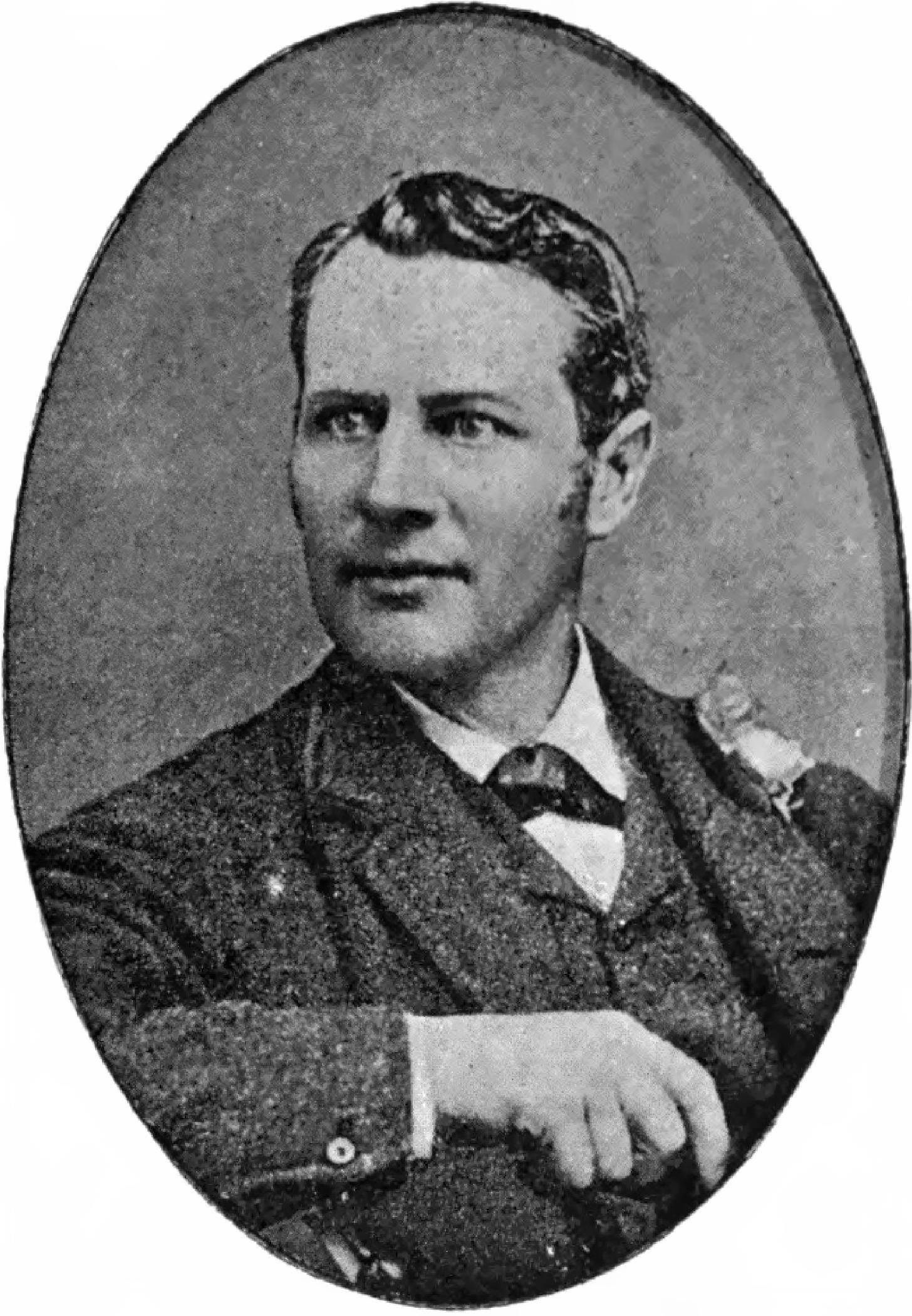
Billy Wright
 United Kingdom
association football player•association football coach
Also known as: William Ambrose Wright, Sir Billy Wright
Birthday
February 6, 1924
Birth Sign
Aquarius
Birthplace
Ironbridge, Shropshire, England
Age
Died at 70
Height
5 ft 10 in (1.78 m)
About
William Ambrose Wright was an English professional footballer who played as a centre-back and is widely regarded as one of the greatest defenders in the history of the sport. He spent his entire club career at Wolverhampton Wanderers, where he became known for his leadership, tactical intelligence, and loyalty. Wright holds the historic distinction of being the first male footballer in the world to earn 100 international caps for England. He also captained the England national team a record 90 times, a tenure that spanned from 1950 to 1959.
His career defined an era of stability and integrity in English football. As a defensive anchor, he organized the backline with a calm authority that inspired confidence in his teammates. Wright's longevity and consistency were unmatched, holding the record for the longest unbroken run in competitive international football with 70 consecutive appearances until it was surpassed decades later. He retired from international play in 1959 and left the club shortly after in 1961, leaving behind a legacy of dedication that continues to influence the game today.
Early Life & Background
William Ambrose Wright was born on February 6, 1924, in Ironbridge, Shropshire, England, to a coal miner father. He grew up in the Black Country region, where the industrial landscape shaped his early years. Like many young men in the area during the 1930s and early 1940s, he worked in the coal mines before turning his attention fully to football. His talent emerged through playing in local streets and parks, where he honed his skills against older boys and developed a physical style suited to the rugged conditions of the time.
Scouts from Wolverhampton Wanderers spotted his potential during these formative years and signed him in 1939, just before the outbreak of World War II. During the war, Wright served in the British Army but continued to play football for service teams, maintaining his fitness and sharpness despite the global conflict. This period solidified his reputation as a disciplined and reliable player. After the war ended, he returned to civilian life and immediately began his professional journey with Wolves, transitioning from a local miner to a key figure in one of England's most successful clubs.
Career Growth
Wright made his debut for Wolverhampton Wanderers in 1946 and quickly established himself as the club's undisputed leader and defensive anchor. He spent his entire 17-year senior career with Wolves, making over 400 appearances and winning three First Division titles in 1953–54, 1957–58, and 1958–59. His contributions extended beyond domestic success, as he also secured two FA Cups in 1949 and 1960, along with one Charity Shield. His consistency and reliability were unmatched throughout this golden era for the club.
On the international stage, Wright earned his first cap for England in 1946 against Wales. He went on to become the first player to reach 100 caps for England in 1959, cementing his legacy as a pioneer. He captained England in three World Cup tournaments: 1950, 1954, and 1958. His leadership style was characterized by his ability to organize the defense and inspire confidence in his teammates. He retired from international football in 1959 and left the club shortly after in 1961. After retiring as a player, he briefly managed Wolves and later coached various lower-league clubs, including Hereford United and Stoke City, though he never achieved the same level of success as his playing days.
Career Timeline
Public Image & Style
Billy Wright was portrayed by the media as the epitome of the "gentleman captain." He was known for his integrity, fairness, and respect for the game. His image was one of quiet dignity and unwavering commitment to his team and country. Unlike many stars of his era, he avoided the limelight off the pitch, preferring to let his performance speak for itself. This reserved nature earned him deep respect from fans and peers alike, who viewed him as a model of professionalism. His style on the field reflected his character: solid, dependable, and always focused on the collective good of the team rather than individual glory.
Fame & Fandom (iFAMOUS Rankings)
iFANN has not yet collected fame data for this person. He does not appear on the September 2026 iFAMOUS Rankings flagship list. While there is no formal fandom name documented for Billy Wright, he is universally revered by Wolverhampton Wanderers supporters and English football fans. Fans often refer to him as "The King" or "The General," reflecting the high esteem in which he is held. Notable fan campaigns include the annual "Billy Wright Day" held at Molineux Stadium, where fans gather to honor his memory. The lack of a specific fan organization name highlights how deeply ingrained his legacy is; he is simply part of the fabric of the club's history, celebrated by generations of supporters who remember his contributions to the game.
Interesting Facts and Legends
Billy Wright was known for his strict discipline and never missed a training session during his career. He was the only player to captain England in three different World Cup tournaments, a feat that underscores his enduring value to the national team. Despite his fame, he remained humble and often declined lucrative endorsement deals to focus on his family and club duties. He was nicknamed "The General" by his teammates for his organizational skills on the pitch. Wright was also a lifelong supporter of the Labour Party and was known for his political activism in the 1950s. His clean playing style meant he rarely received yellow cards or red cards, setting a standard for sportsmanship that few could match.
Notable Quotes
“Football is a game of teamwork, and I believe that every player must give everything for the team.”
“I never wanted to be famous; I just wanted to play my best football.”
“The captain's job is to lead by example, not by words.”
Family & Personal Life
Billy Wright was married to Joy Beverley. The couple met through mutual acquaintances in the Wolverhampton area and married in the late 1940s. Their marriage lasted until Wright's death in 1994. They had three children together: two sons and a daughter. Joy was a constant presence throughout his career, often attending matches and supporting him through his injuries and public scrutiny. There are no records of other significant romantic relationships or divorces; Wright was known for his traditional values and dedication to his family. Joy outlived him, surviving his passing in 1994.
Notable Connections
Alf Ramsey, Stan Cullis, Tom Finney, Joy Beverley.
Relationships & Dating History
Billy Wright was married to Joy Beverley. The couple met through mutual acquaintances in the Wolverhampton area and married in the late 1940s. Their marriage lasted until Wright's death in 1994. They had three children together: two sons and a daughter. Joy was a constant presence throughout his career, often attending matches and supporting him through his injuries and public scrutiny. There are no records of other significant romantic relationships or divorces; Wright was known for his traditional values and dedication to his family. As of his death in 1994, he was widowed by Joy, who outlived him.
- MarriedJoy Beverley1948 - 1994Married until his death; they had three children together.
Death & Aftermath
Died
September 3, 1994 (aged 70)
Death Place
Bromsgrove, Worcestershire, England
Cause of Death
Heart attack (myocardial infarction)
William Ambrose Wright passed away on September 3, 1994, at his home in Bromsgrove, Worcestershire, at the age of 70. The cause was a heart attack, confirmed by his family and attending physician without the need for an autopsy or coroner's inquest due to the clear natural circumstances. His final days were spent in relative privacy following a period of declining health, with no specific details of his last weeks widely publicized in the press. The funeral service was held privately in Worcestershire shortly after his death, attended by close family members, former teammates, and senior club officials. He was buried in a private plot within St. Mary's Churchyard in Bromsgrove, adhering to his family's wishes for a low-key ceremony.
Tributes poured in from the football community and institutions, honoring him as a national icon. The Football Association and Wolverhampton Wanderers FC issued statements recognizing him as the first player to win 100 caps for England, while a moment of silence was observed in subsequent matches across the league. This reaction stood in stark contrast to the political debates that would later surround other figures with the same name, as the passing of the gentleman captain met with universal respect and sorrow without controversy. Posthumous honors have since included his induction into the English Football Hall of Fame and tributes marking the centenary of his birth in February 2024, ensuring his legacy remains a staple in British football history.
Net Worth (Estate Value)
$5 Million
iFANN Editorial Team estimate
The iFANN Editorial Team estimates Billy Wright's estate value at approximately $5 million as of 2026. This valuation reflects the growth of his assets since his passing in 1994, driven primarily by posthumous royalties, licensing deals, and memorabilia sales. His estate, managed by his heirs and the Wolverhampton Wanderers Foundation, has seen steady appreciation through the sale of signed memorabilia, book rights, and the revenue generated by the "King Rat" documentary series. While his earnings during his playing career were modest compared to modern standards, estimated at around £50,000 at the time of his death, the long-term management of his brand and intellectual property has significantly increased the estate's worth. The foundation continues to operate, focusing on youth football development and community outreach in the West Midlands, further adding to the cultural and financial value of his legacy.
Awards Won (5)
Billy Wright received numerous accolades throughout his career and posthumously. He was appointed a Member of the Order of the British Empire (MBE) in 1958 for services to football. In 1994, he received the PFA Merit Award for his contribution to English football. He was inducted into the England Football Hall of Fame in 2002 and named in Pelé's FIFA 100 list of the 125 greatest living footballers in 2004. Additionally, he was recognized as one of the 100 greatest players in the English Football League's history.
1958 · Services to Football
1994 · Contribution to Football
Known For
England National Team
1946-1959 · Captain and Defender
Wolverhampton Wanderers
1939-1961 · Player and Captain
Keywords
Sources
Quick Facts
- Profession
- association football player, association football coach
- Born
- February 6, 1924
- Birthplace
- Ironbridge, Shropshire, England
- Died
- September 3, 1994
- Death Place
- Bromsgrove, Worcestershire, England
- Gender
- Male
- Spouse
- Joy Beverley
- Birth Sign
- Aquarius
Personal Details
- Full Name
- William Ambrose Wright
- Height
- 5 ft 10 in (1.78 m)
- Spouse
- Joy Beverley
- Children
- Three children: two sons and a daughter
- Education
- Local schools in Ironbridge; coal mining training during youth
Frequently Asked Questions
Who is Billy Wright married to?
When did Billy Wright retire?
Did Billy Wright ever get booked?
Was Billy Wright a good footballer?
How did Billy Wright die?
Social Media
Similar People
Join the community
fans discussing