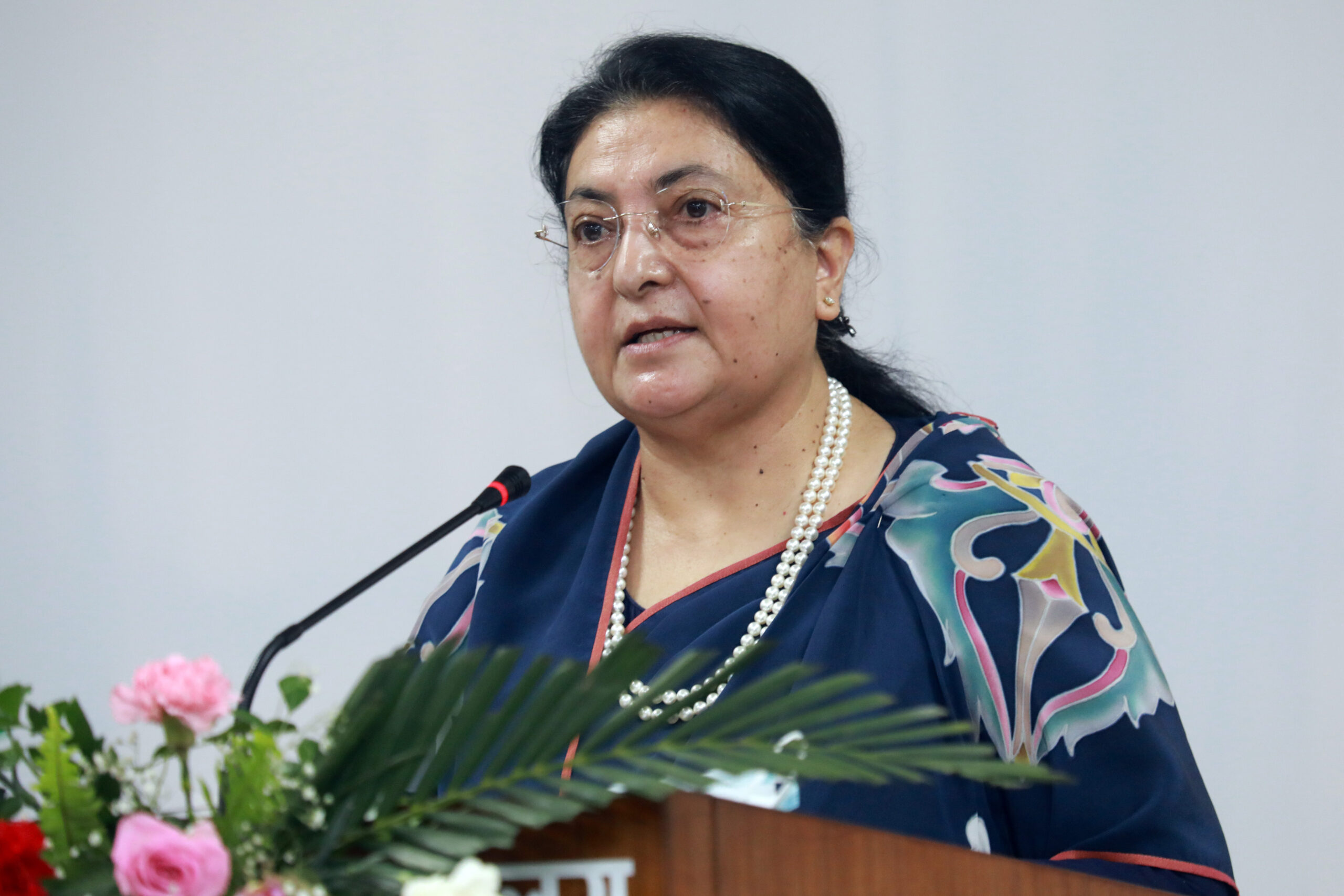
Bidya Devi Bhandari
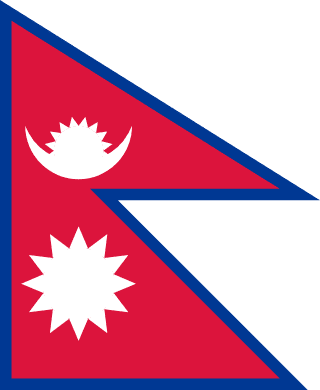 Nepal
NepalAlso known as: Bidhya Bhandari, Bidhya Devi Bhandari
Birthday
June 19, 1961
Birth Sign
Gemini
Birthplace
Mane Bhanjyang, Nepal
Age
65 years old
About
Bidya Devi Bhandari is a Nepali politician who made history as the first woman to serve as President of Nepal, holding the office from 2015 to 2023. Her presidency marked a milestone for gender equality in a country long dominated by male leadership. She is a senior leader of the Communist Party of Nepal (Unified Marxist–Leninist), where she previously served as vice-chairperson.
Beyond the presidency, Bhandari's career includes serving as Nepal's Minister of Defence from 2009 to 2011 and Minister of Environment and Population in 1997. She also led the All Nepal Women's Association, championing women's rights and empowerment. In 2016, Forbes ranked her among the world's 100 most powerful women.
Since leaving office in March 2023, Bhandari has returned to active politics, rejoining the CPN UML and continuing to influence national discourse. She remains a respected figure, known for her commitment to social harmony and national unity.
Early Life & Background
Bidya Devi Bhandari was born on June 19, 1961, in Mane Bhanjyang, a village in the hills of eastern Nepal. She grew up in a politically conscious environment, which shaped her early interest in public service. She pursued a Bachelor of Arts at Tribhuvan University, one of Nepal's oldest and most prestigious institutions.
Her political journey began in her youth when she joined the Communist Party of Nepal (Unified Marxist–Leninist). She quickly rose through the ranks, becoming involved in the party's student and women's wings. Her leadership of the All Nepal Women's Association gave her a platform to advocate for gender equality and social justice, issues that would define her political career.
Before her ministerial roles, Bhandari worked behind the scenes in party organizing and grassroots activism. Her early experiences in the women's movement and her academic background in the humanities prepared her for the challenges of national politics. She was known for her dedication and ability to connect with ordinary Nepalis, traits that would later serve her well in high office.
Career Growth
Bhandari's breakthrough came in 1997 when she was appointed Minister of Environment and Population under Prime Minister Lokendra Bahadur Chand. This made her one of the few women in the cabinet at the time. She used the position to push for environmental awareness and sustainable development, issues close to her heart.
In 2009, she reached another milestone by becoming Nepal's first female Minister of Defence. During her tenure, she oversaw the integration of former Maoist combatants into the national army, a delicate process that helped consolidate peace after the civil war. Her handling of the defence portfolio earned her respect across the political spectrum.
The pinnacle of her career came on October 28, 2015, when she was elected President of Nepal, becoming the first woman to hold the office. She served two consecutive terms, overseeing the implementation of the new constitution and navigating the country through political transitions. Her presidency was marked by efforts to promote social inclusion and national unity.
After leaving office in March 2023, Bhandari did not retire quietly. In May 2026, she rejoined the CPN UML, signaling her continued relevance in Nepali politics. She has since been active in party affairs and public advocacy, calling for integrity and harmony.
Career Timeline
Public Image & Style
Bidya Devi Bhandari is widely perceived as a dignified and principled leader, often seen in traditional Nepali attire, which endeared her to the public. Her calm demeanor and measured speech have earned her the reputation of a stateswoman who prioritizes national unity over partisanship.
During her presidency, she was known for her accessibility, frequently meeting with citizens from all walks of life. Her social media presence, though not as flashy as younger politicians, is consistent and focused on policy and national events.
Fans and supporters often refer to her as "Maata" (mother), a term of endearment that reflects her nurturing image. She is respected across party lines for her integrity and commitment to democratic values.
Fame & Fandom (iFAMOUS Rankings)
Bidya Devi Bhandari's support base is not a fandom in the pop-culture sense; it is a political constituency, rooted in her decades of service in Nepal's communist movement. There is no formal name for her followers, nor any fan clubs, hashtag campaigns, or merchandise. Her admirers are party cadres, women's rights advocates, and citizens who see her as a symbol of democratic transition and gender equality. They organize through traditional political channels, rallies, party meetings, and commemorative events, rather than through the digital fan cultures that surround entertainers.
As of August 2026, iFANN's Global Fame Engine has evaluated Bidya Devi Bhandari but she does not currently hold a placement in the published rankings. She is not listed among the Global Top 1,000 most famous people, nor does she appear in any Top-100 scope list. This reflects a fame profile that is substantial within Nepal and among observers of South Asian politics, yet not at the level of global celebrity that the rankings capture. Her renown is sustained by her historic presidency, her ongoing political activity, and her appearances at national events, such as the August 2026 commemoration where she shared a stage with four former prime ministers, rather than by worldwide media saturation or fan-driven promotion.
Interesting Facts and Legends
Bhandari's nickname in political circles is "Aama," meaning mother, reflecting her nurturing yet firm leadership style. She is an avid reader of political philosophy and has cited Marx and Lenin as major influences. During her presidency, she hosted the first-ever state banquet in Nepal attended entirely by female chefs. She holds a black belt in Taekwondo, a hobby she took up in her forties for fitness and discipline. Her favorite flower is the rhododendron, Nepal's national flower, which she often wore in her hair at official events.
Her election as the first female president of Nepal on October 28, 2015, is the defining story of her career, often retold as a breakthrough for women in a patriarchal society. Another tale supporters recount is her completion of two full terms, a feat that underscored her political durability. More recently, her return to active politics after leaving office, rejoining the CPN-UML in June 2025 and being granted party membership in May 2026, has become a narrative of a former head of state re-entering the fray, with some media framing her as a counterweight to Prime Minister K.P. Sharma Oli.
Notable Quotes
“It is necessary for the society to embrace philosophy demonstrated and promoted by the political luminaries.”
“Mutual respect, tolerance, and social harmony are the basis of Nepali national unity, urging restraint.”
Family & Personal Life
Bidya Devi Bhandari was married to Madan Kumar Bhandari, a prominent communist leader who was a key figure in Nepal's political landscape. Madan Bhandari passed away in 1993 under mysterious circumstances, a loss that deeply affected her. Together they had two children, a son and a daughter, who have largely stayed out of the public eye.
Her family background is rooted in the hills of eastern Nepal, where her parents were farmers. She has spoken about the importance of family values and the support she received from her parents in pursuing education. Despite her high-profile career, she has maintained a private family life, rarely discussing her children in public.
Today, Bhandari lives in Kathmandu, close to her children and grandchildren. She is known to be a doting grandmother, often spending time with her family when not engaged in political activities.
Notable Connections
Relationships & Dating History
Bidya Devi Bhandari married Madan Kumar Bhandari, a prominent communist leader, in the early 1980s. Their marriage was a partnership of political equals, with both deeply involved in Nepal's leftist movement. They had two children together.
Madan Bhandari passed away in 1993 in a suspicious road accident, which remains a controversial episode in Nepali politics. His death left Bidya a widow at the age of 32, and she never remarried.
Throughout her career, she has kept her personal life private, and no other romantic relationships have been reported. As of 2026, she remains widowed and focused on her political and family life.
- MarriedMadan Kumar Bhandari1982 - 1993Married to the communist leader until his death in 1993.
Salary, Net Worth In 2026
$2 Million
iFANN Editorial Team estimate
iFANN's editorial research estimates Bidya Devi Bhandari's net worth at $2 million as of 2026. Her income has derived primarily from her political career, salaries as President and as a minister, along with government pensions and allowances. Unlike business magnates, her earnings have been modest, but she has accumulated assets over time, including property in Kathmandu. Her net worth has remained stable since leaving office, with no major business ventures or endorsements. Her financial standing reflects a life dedicated to public service rather than private wealth accumulation.
Awards Won (1)
Bidya Devi Bhandari has been recognized internationally, most notably being named one of Forbes' 100 most powerful women in 2016. She has also received various national honors in Nepal for her contributions to public service and gender equality.
2016 · Powerful Women
Political career
Known For
President of Nepal
2015 · Head of State
Minister of Defence
2009 · Minister
Minister of Environment and Population
1997 · Minister
Keywords
Sources
Quick Facts
- Profession
- politician
- Born
- June 19, 1961
- Birthplace
- Mane Bhanjyang, Nepal
- Gender
- Female
- Spouse
- Madan Kumar Bhandari
- Birth Sign
- Gemini
- Education
- Bachelor of Arts
Personal Details
- Full Name
- Bidya Devi Bhandari
- Spouse
- Madan Kumar Bhandari
- Children
- 2
- Education
- Bachelor of Arts, Tribhuvan University
Frequently Asked Questions
Who is Bidya Devi Bhandari?
When was Bidya Devi Bhandari born?
What is Bidya Devi Bhandari's net worth in 2026?
Is Bidya Devi Bhandari still active in politics in 2026?
What is Bidya Devi Bhandari best known for?
Similar People
Join the community
fans discussing