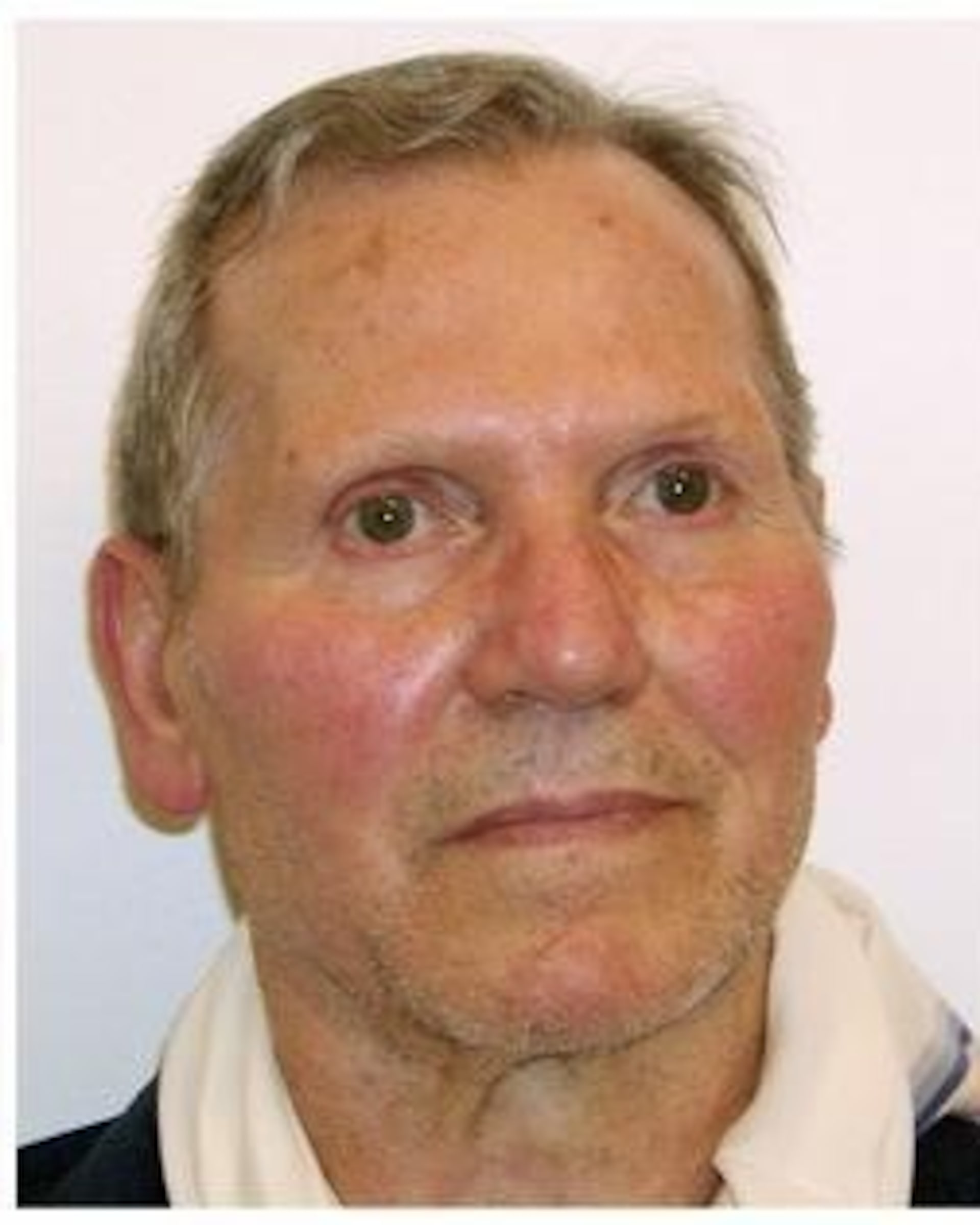
Bernardo Provenzano
Also known as: Il Ragioniere, Binnu u tratturi, Bernie the Tractor
Birthday
January 31, 1933
Birth Sign
Sagittarius
Birthplace
Corleone, Sicily
Age
Died at 83
Height
5 ft 7 in (170 cm)
About
Bernardo Provenzano was an Italian mobster who served as the de facto boss of bosses of the Sicilian Mafia, leading the Corleonesi faction from the early 1990s until his arrest in 2006. Born in Corleone, a town synonymous with the origins of modern Cosa Nostra, he rose to power not through the flamboyant violence of his predecessors but through a strategy of silence, patience, and meticulous financial management. This approach earned him the nickname "il ragioniere" or the accountant. His criminal career spanned over six decades, characterized by a fugitive status that lasted 43 years, the longest in the history of the Italian state's pursuit of organized crime figures, before his capture in April 2006.
Provenzano orchestrated a campaign of terror that included the assassinations of two prominent anti-mafia judges, Giovanni Falcone and Paolo Borsellino, in 1992. These massacres were intended to force the Italian government to abandon its aggressive anti-mafia policies. However, his strategy shifted after these events; he ordered a cessation of high-profile killings to allow the organization to rebuild and re-enter the legitimate economy. His reign ended abruptly when he was discovered hiding in a farmhouse just one mile outside Corleone. After a 43-year fugitive existence, he surrendered without resistance to Carabinieri officers. His capture was a monumental victory for Italian law enforcement, marking the end of the longest manhunt in the country's history.
Early Life & Background
Born on January 31, 1933, in the small Sicilian town of Corleone, Bernardo Provenzano grew up in a region where the Mafia was deeply entrenched in local culture and economics. Before fully committing to the life of a professional killer and administrator, he worked as a shepherd and a small-time thief. His entry into the inner circle of the Corleone Mafia occurred in the late 1950s under the patronage of Luciano Leggio, the leader of the Corleone clan at the time. In 1958, Provenzano played a pivotal role in the ambush and murder of Michele Navarra, a rival Mafia boss who had attempted to mediate between warring factions. This act marked Provenzano's transition from a minor participant to a key operative for Leggio.
Unlike many of his contemporaries who sought public notoriety, Provenzano preferred a low profile. He avoided the spotlight, rarely appearing in public or speaking to the press, which allowed him to operate effectively while evading law enforcement. His "accounting" style involved reducing the number of high-profile murders to avoid police crackdowns, focusing instead on consolidating power through intimidation and economic control. A failed hit attempt in 1963 forced him onto the run, launching a fugitive existence that would last over four decades. During this time, he hid in caves and remote farmhouses, surviving in the shadows while building a reputation for patience and strategic thinking.
Career Growth
Provenzano's rise was gradual and calculated. Following the fall of Luciano Leggio in the early 1970s, Provenzano began to consolidate the Corleone faction's influence within the broader Sicilian Mafia Commission. By 1988, he was considered a key figure in the Second Mafia War, a brutal conflict that saw the near-total destruction of rival families. The war culminated in the appointment of Salvatore Riina as the boss of bosses, with Provenzano serving as his right-hand man and strategist.
In 1993, following Riina's arrest, Provenzano assumed leadership of the Corleonesi and eventually became the supreme head of the entire Sicilian Mafia. During this period, he orchestrated a campaign of terror that included the assassinations of two prominent anti-mafia judges, Giovanni Falcone and Paolo Borsellino, in 1992. These massacres were intended to force the Italian government to abandon its aggressive anti-mafia policies. However, Provenzano's strategy shifted after these events; he ordered a cessation of high-profile killings to allow the organization to rebuild and re-enter the legitimate economy, a tactic that successfully slowed down police investigations for several years.
His reign ended abruptly on April 11, 2006, when he was discovered hiding in a farmhouse just one mile outside Corleone. After a 43-year fugitive existence, he surrendered without resistance to Carabinieri officers. His capture was a monumental victory for Italian law enforcement, marking the end of the longest manhunt in the country's history. He spent the remainder of his life in prison until his death in 2016.
Career Timeline
Public Image & Style
Provenzano stood approximately 1.70 meters tall and was known for his modest appearance, often wearing simple, unassuming clothing that did not draw attention. His signature aesthetic was one of invisibility; he avoided flashy suits or jewelry, preferring a look that blended into the background. This deliberate lack of style was part of his strategy to evade detection and maintain a low profile. Media portrayals often focus on his quiet demeanor and the contrast between his humble appearance and the immense power he wielded behind the scenes. He was frequently cited in true-crime literature, documentaries, and historical analyses of the Sicilian Mafia.
Fame & Fandom (iFAMOUS Rankings)
iFANN has not yet collected fame data for Bernardo Provenzano. As a criminal figure, he does not have a traditional fandom in the sense of entertainment celebrities. Instead, he is a subject of intense interest among crime enthusiasts, researchers, and historians studying organized crime. His story is often compared to that of Al Capone or John Gotti, though his method of operation was distinctly different. He is featured in numerous books and films, including various Italian documentaries and references in shows like The Sopranos.
There is no formal name for any fanbase associated with him. The public generally views his legacy through the lens of law enforcement victories and the impact of his crimes on Italian society. Interest in his life stems from the record-breaking nature of his manhunt and the unique strategies he employed to lead the Mafia for decades.
Interesting Facts and Legends
Bernardo Provenzano was so elusive that he once hid in a cave for months during his early years as a fugitive. His capture was facilitated by a tip-off from a former associate who recognized his handwriting on a note found in a safe house. Despite being the boss of bosses, he never gave a single interview to the press during his lifetime. The Italian government spent an estimated €1 billion on the hunt for Provenzano over the four decades he was on the run. His nickname "the tractor" came from an informant who noted that he "mowed people down" without making a fuss, much like a tractor in a field.
A notable incident involving Provenzano occurred during his time as a fugitive, where he famously sent a letter to the Italian President asking for clemency, signed only with his initials. This bold move demonstrated his continued influence even while on the run. Another legendary moment was his capture, which took place in a house that was reportedly empty except for a single chair and a table, highlighting the simplicity of his hiding spot despite the massive manhunt that had consumed millions of euros and years of effort.
Notable Quotes
“We must be silent.”
“He mows people down.”
Family & Personal Life
Bernardo Provenzano was known for his extreme secrecy regarding his personal life. Unlike many other mafia bosses who maintained large, visible families or public spouses, Provenzano kept his domestic affairs strictly hidden. There are no credible public records of a wife, fiancée, or long-term romantic partner. Historical accounts and biographies suggest he remained unmarried throughout his life, dedicating himself entirely to the organization and his survival as a fugitive. While rumors occasionally circulated about secret relationships, none have been substantiated by credible sources or official investigations. It is widely accepted among historians and criminologists that Provenzano lived a solitary life, likely avoiding marriage to protect his family members from retaliation and to maintain his operational security. Consequently, there are no recorded children, divorces, or dating histories in the public domain.
Notable Connections
Relationships & Dating History
Bernardo Provenzano was known for his extreme secrecy regarding his personal life. Unlike many other mafia bosses who maintained large, visible families or public spouses, Provenzano kept his domestic affairs strictly hidden. There are no credible public records of a wife, fiancée, or long-term romantic partner. Historical accounts and biographies suggest he remained unmarried throughout his life, dedicating himself entirely to the organization and his survival as a fugitive. While rumors occasionally circulated about secret relationships, none have been substantiated by credible sources or official investigations. It is widely accepted among historians and criminologists that Provenzano lived a solitary life, likely avoiding marriage to protect his family members from retaliation and to maintain his operational security. Consequently, there are no recorded children, divorces, or dating histories in the public domain. His death in 2016 left no immediate family members in the public eye to claim a significant estate or continue a legacy of public relations.
Death & Aftermath
Died
July 13, 2016 (aged 83)
Death Place
Palermo, Sicily
Cause of Death
natural causes associated with advanced age and illness
Bernardo Provenzano spent his final years confined within the high-security hospital ward of the Ucciardone prison complex in Palermo, Sicily, where he remained under strict custody following a forty-three-year fugitive status that ended with his arrest in April 2006. He passed away on July 13, 2016, at the age of 83, while undergoing treatment for deteriorating health conditions that had kept him secluded from public view for some time prior to his demise. Official statements issued by the Italian Ministry of Justice and the prison administration characterized the event as a natural death resulting from advanced age and illness.
Public reaction to the passing of the former boss of bosses was subdued and institutional rather than celebratory or mournful, with tributes emerging primarily from law enforcement officials and anti-mafia organizations who viewed the event as a symbolic closure to a long chapter of violence in Sicily. The Italian government and the Carabinieri celebrated the death as a victory for the rule of law, particularly given Provenzano's role in orchestrating massacres including the 1992 assassinations of judges Giovanni Falcone and Paolo Borsellino.
The funeral or memorial service was conducted privately in the family plot in Corleone, Sicily, with authorities keeping the timing and details low-profile to prevent any potential gathering of associates or supporters that could disrupt public order. While his life story has been documented extensively in true-crime literature and documentaries produced by third-party media, these works remain historical records rather than tributes authorized by his family, and the handling of his estate remains private and unpublicized, wills, or distributions.
Net Worth (Estate Value)
$0
iFANN Editorial Team estimate
Bernardo Provenzano was a criminal figure whose wealth was derived from illegal activities rather than legitimate business ventures. There are no public records of his net worth or assets, as he operated in the shadows and kept his finances hidden. The Italian government spent an estimated €1 billion hunting him down over four decades. Upon his death, his estate remains private and unpublicized, with no major posthumous releases or commercial ventures launched in his name. Any assets he held were likely seized by the Italian state as part of anti-mafia efforts.
Awards & Accolades
Known For
The Sopranos
1999-2007 · Referenced indirectly
Various Italian Documentaries
Multiple · Subject
Keywords
Sources
Quick Facts
- Profession
- criminal, mobster
- Born
- January 31, 1933
- Birthplace
- Corleone, Sicily
- Died
- July 13, 2016
- Death Place
- Ospedale San Paolo, Palermo
- Gender
- Male
- Birth Sign
- Sagittarius
Personal Details
- Height
- 5 ft 7 in (170 cm)
- Children
Frequently Asked Questions
Who was Bernardo Provenzano?
How long was Bernardo Provenzano a fugitive?
When and where did Bernardo Provenzano die?
What was Bernardo Provenzano's nickname?
Did Bernardo Provenzano have a wife or children?
Similar People
Join the community
fans discussing