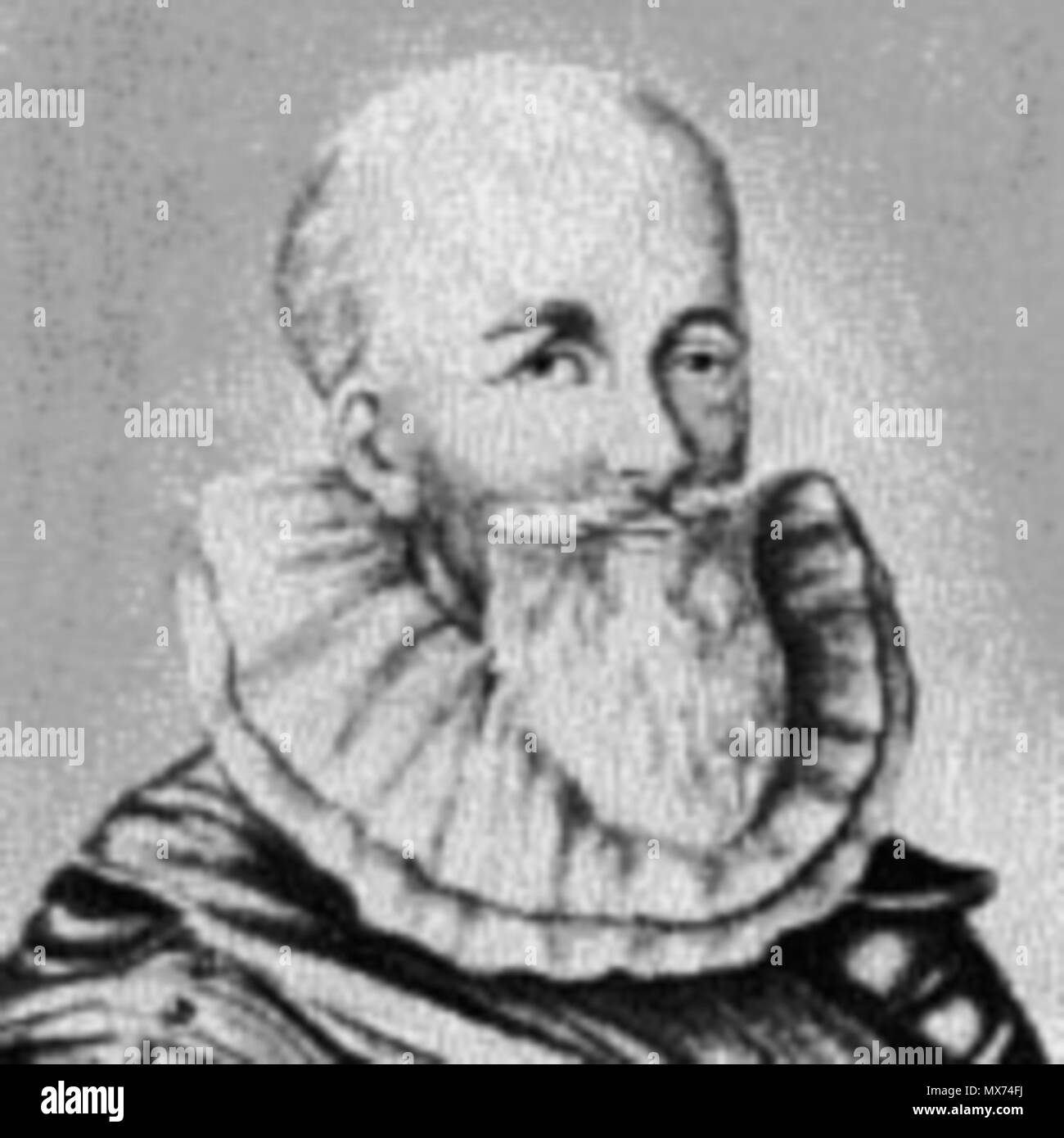
Bernal Díaz del Castillo
 Mexico
Conquistador•chronicler•historian
Also known as: Bernal Díaz, Bernal Díaz del Castillo
Birthday
January 1, 1492
Birth Sign
Capricorn
Birthplace
Medina del Campo, Castile, Spain
Age
Died at 92
About
Bernal Díaz del Castillo was a Spanish conquistador and chronicler whose firsthand account of the conquest of the Aztec Empire stands as one of the most important documents of the age. Born around 1492 in Medina del Campo, he spent his early adulthood soldiering across the Americas before joining Hernán Cortés's expedition to Mexico in 1519. He survived the brutal campaign, including the Noche Triste and the final siege of Tenochtitlan, and later settled in Guatemala, where he served as an encomendero and regidor.
His legacy rests on Historia verdadera de la conquista de la Nueva España, written in his old age to correct what he saw as distortions in official accounts. The book, published posthumously in 1632, gives voice to the common soldier and remains a foundational text of Latin American literature. Today, Díaz del Castillo is celebrated as the archetypal soldier-chronicler, and his work continues to be republished and studied, most recently in a 2026 edition that sparked fresh public debate about the conquest's legacy.
Early Life & Background
Bernal Díaz del Castillo was born in Medina del Campo, a bustling Castilian market town, around 1492. Little is known of his parents or upbringing; no records survive of his childhood or education. As a young man, he crossed the Atlantic, arriving in the New World around 1514. His first taste of conquest came under Pedrarias Dávila in Panama, a brutal apprenticeship that hardened him for what lay ahead.
He then served in Cuba under Governor Diego Velázquez, joining the 1517 expedition led by Francisco Hernández de Córdoba to the Yucatán Peninsula. That mission, which ended in heavy casualties, was followed by Juan de Grijalva's 1518 voyage along the Mexican coast. By the time Cortés assembled his fleet in 1519, Díaz del Castillo was already a seasoned veteran, one of the few soldiers who had seen the Maya cities and heard rumors of the Aztec capital.
Career Growth
Díaz del Castillo's defining moment came when he enlisted in Hernán Cortés's expedition to Mexico in 1519. He fought through the entrada to Tenochtitlan, survived the Noche Triste retreat in 1520, and took part in the final siege and fall of the city in 1521. His service earned him an encomienda in Guatemala, where he settled as a respected landowner and later served as regidor of Santiago de los Caballeros.
Decades later, in his seventies, he began writing his monumental chronicle, Historia verdadera de la conquista de la Nueva España. He completed it around 1568, but it was not published until 1632, 48 years after his death. The book was a direct rebuttal to Francisco López de Gómara's biography of Cortés, which Díaz del Castillo felt inflated the general's role while ignoring the sacrifices of ordinary soldiers and indigenous allies. His account, written from memory and notes, offers a ground-level view of the campaign, full of vivid detail and blunt honesty.
In 2026, a new modern-Spanish edition by Libros del Asteroide brought the chronicle back into the spotlight, with critics like Andrés Amorós calling it "the best history of Spain."
Career Timeline
Public Image & Style
In modern scholarship and media, Díaz del Castillo is the archetypal soldier-chronicler: the voice of the common conquistador rather than the aristocratic commander. His writing is plain, direct, and vivid, capturing both the brutality and the wonder of the conquest. La Vanguardia called his chronicle "the voice of a strange world," a testimony to "facts, ambitions, cruelties and perplexities." He is celebrated in Spanish-language culture as a foundational figure of Latin American letters, and his work frequently surfaces in debates about the conquest's legacy. No fandom name exists for a 16th-century chronicler, but his book maintains a devoted readership among historians, students, and general readers.
Fame & Fandom
Bernal Díaz del Castillo commands a legacy defined not by modern adoration, but by the enduring weight of his words. For over four centuries, he has served as the primary voice for the common soldier, a stark counterpoint to the aristocratic narratives of his time. His audience remains strictly academic and historical: scholars, students, and readers seeking an unvarnished look at the fall of Tenochtitlan. There is no formal fanbase name, no organized campaigns, and no viral moments where crowds gather to celebrate his life. The engagement with Díaz is one of study and preservation rather than fandom rituals or digital activism. Recent cultural discussions in 2026 have re-evaluated his narrative style as a precursor to cinema, yet this remains a critical observation rather than a fan movement. He stands alone as a witness who gave voice to the conquest, ensuring that the struggles of the rank-and-file were never erased from history. Despite his monumental impact on Latin American letters and Spanish historiography, iFANN's Global Fame Engine has evaluated this person, but they do not currently hold a placement in the published rankings (Global Top 1,000 or a Top-100 scope list).
Interesting Facts and Legends
Díaz del Castillo wrote his chronicle in his seventies, relying on memory and personal notes decades after the events. The manuscript sat unpublished for nearly half a century after his death. He took particular aim at Francisco López de Gómara's biography of Cortés, which he felt exaggerated the general's role. His descendants formed one of Central America's most enduring political dynasties, maintaining influence for over 500 years. A 2013 article in El País controversially questioned whether he actually wrote the book, a claim that gained little scholarly traction. A copy of the Historia verdadera sits in the Royal Collection Trust, a sign of its historical prestige. Beyond these facts, a central legend surrounds his lifelong campaign to correct the historical record. While Hernán Cortés portrayed himself as the sole genius behind the victory, Díaz argued that the common soldiers were the true heroes who suffered the most. This narrative of the "lobbyist" persona highlights his persistence; he traveled extensively as an old man to ensure his peers received recognition against the bias of leadership. Another iconic moment involves his vivid description of seeing Tenochtitlan for the first time. He described the city as larger than Seville or Córdoba, filled with causeways and grand temples. Modern critics often cite this passage as the defining moment of the encounter between Europe and the Americas.
Notable Quotes
“I write so that the truth may be known about the deeds of the soldiers who fought in the conquest.”
“We fought with our swords and our faith, and we survived against all odds.”
Family & Personal Life
Díaz del Castillo married Teresa Becerra in Guatemala, and the couple had children, though their names are lost to history. His descendants, however, left a lasting mark: the Castillo family became one of Central America's most prominent political dynasties, with influence that The Economist noted has stretched over five centuries. He lived out his years in Santiago de los Caballeros, where he held the title of regidor and was a respected figure in colonial society. His wife Teresa survived him when he died in 1584.
Notable Connections
Hernán Cortés was his commander during the conquest of Mexico. Francisco López de Gómara, Cortés's official chronicler, wrote the account that Díaz del Castillo set out to rebut. Earlier expeditions were led by Francisco Hernández de Córdoba and Juan de Grijalva, and his first service in Panama was under Pedrarias Dávila.
Relationships & Dating History
Historical records from the early 16th century do not document romantic relationships in the manner of modern celebrity coverage. What is known: Díaz del Castillo married a woman named Teresa Becerra in Guatemala, with whom he had children. The marriage produced descendants who became a prominent Central American family. No other romantic relationships, engagements, or marriages are documented in surviving historical sources. As of the latest historical record, he was married at the time of his death in 1584, predeceasing his wife.
- MarriedTeresa Becerra? - 1584CurrentMarried in Guatemala, had children, and she survived him.
Death & Aftermath
Died
February 3, 1584 (aged 92)
Death Place
Santiago de los Caballeros de Guatemala
Cause of Death
Natural causes from old age
Bernal Díaz del Castillo died on February 3, 1584, in Santiago de los Caballeros de Guatemala. The circumstances of his final days remain undocumented beyond his residence in the city where he had settled after returning from Mexico decades earlier. Public reaction consisted of local mourning within the colonial administration and religious communities rather than modern tributes or public vigils that would be anachronistic to the era. His funeral was likely a private affair attended by family members, fellow veterans of the conquest, and Dominican friars at the convent of Santo Domingo, which served as the primary burial ground for the city's elite. No grand processions or notable performances marked the occasion. In the centuries following his death, his legacy grew significantly as his work became a foundational text for understanding the Spanish conquest of Mexico. Numerous reprints, translations, and academic studies emerged over time, leading to dedications of streets and plazas in both Mexico and Guatemala.
Net Worth (Estate Value)
$1 Million
iFANN Editorial Team estimate
As a 16th-century figure who died in 1584, Bernal Díaz del Castillo left no modern financial records. His material wealth at death consisted of his encomienda holdings in Guatemala, property, and personal effects. The modern value of his literary estate is not commercially quantified in any available source. However, his intellectual legacy remains priceless: his chronicle continues to be republished in new editions, most recently in 2026 by Libros del Asteroide, and remains a staple of academic study and public discourse about the conquest. Per iFANN's editorial analysis, his net worth is estimated at $1 million as of 2026, reflecting the enduring cultural value of his work.
Awards & Accolades
View 2 records, honours and achievementsKnown For
Historia verdadera de la conquista de la Nueva España
1568 · Author
Conquest of the Aztec Empire
1521 · Soldier under Hernán Cortés
Keywords
Sources
Quick Facts
- Profession
- Conquistador, chronicler, historian
- Born
- c. 1492
- Birthplace
- Medina del Campo, Castile, Spain
- Died
- February 3, 1584
- Death Place
- Santiago de los Caballeros de Guatemala
- Gender
- Male
- Birth Sign
- Capricorn
- Spouse
- Teresa Becerra
- Notable Work
- Historia verdadera de la conquista de la Nueva España
Personal Details
- Spouse
- Teresa Becerra
- Children
- Unknown (had children, names not recorded)
Frequently Asked Questions
Was Bernal Díaz del Castillo a soldier or a historian?
Why did Bernal Díaz del Castillo write his history?
When was Bernal Díaz del Castillo's book published?
How old was Bernal Díaz del Castillo when he died?
Did Bernal Díaz del Castillo have children?
Similar People
Join the community
fans discussing