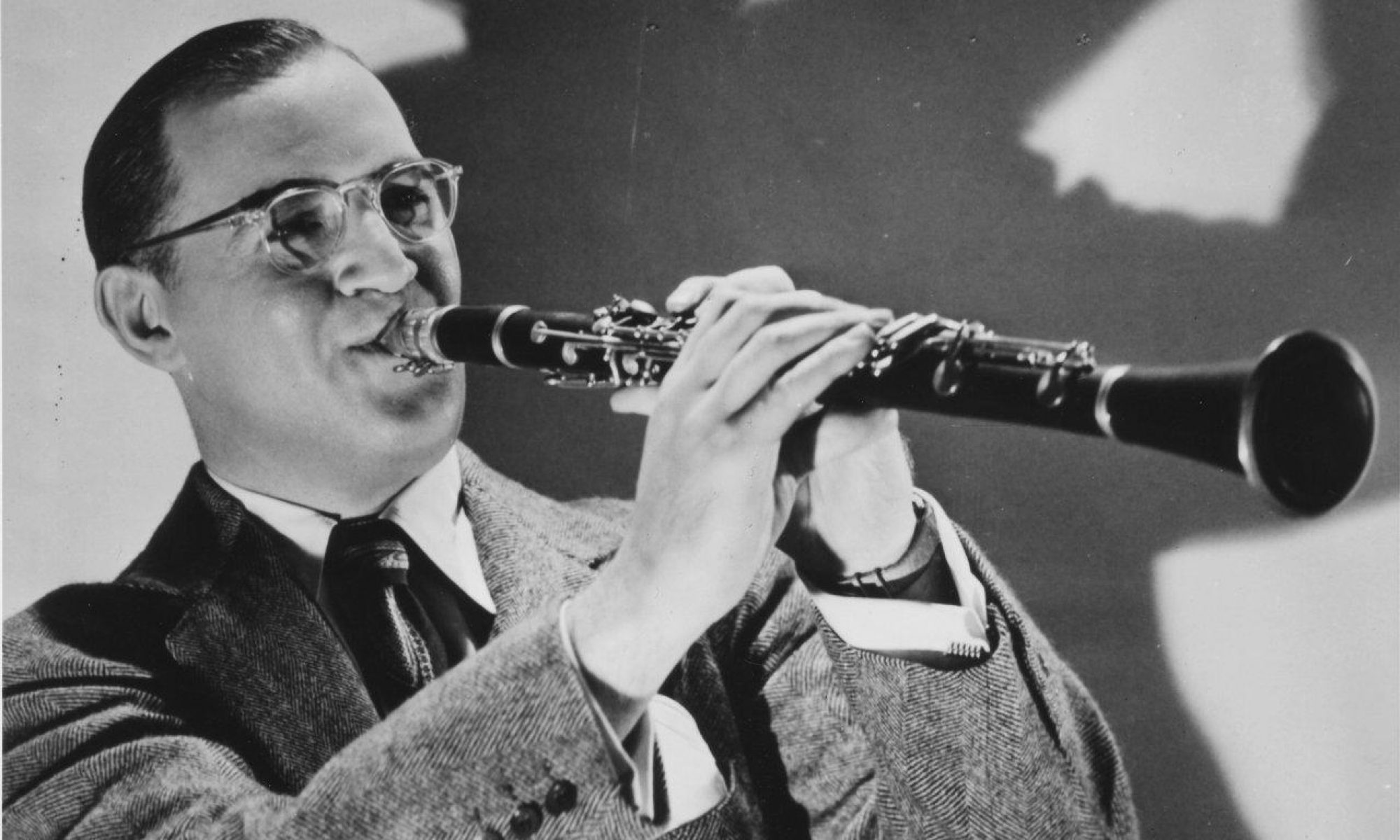
Benny Goodman
 United States
Jazz clarinetist•bandleader•and composer
Also known as: King of Swing, Patriarch of the Clarinet
Birthday
May 30, 1909
Birth Sign
Gemini
Birthplace
Chicago, Illinois, USA
Age
Died at 77
About
Benny Goodman was an American jazz clarinetist, bandleader, and composer, widely known as the "King of Swing." Born Benjamin David Goodman in Chicago on May 30, 1909, he became one of the most popular bandleaders in the United States from 1935 until the mid-1940s. His bright, agile clarinet tone and his band's tight arrangements defined an era of big-band swing, and his name remains synonymous with the clarinet's place in American music.
Goodman's January 16, 1938 concert at Carnegie Hall is often cited as the moment swing entered the concert hall, and critic Bruce Eder called it "the single most important jazz or popular music concert in history: jazz's 'coming out' party to the world of 'respectable' music." During an era of racial segregation, Goodman led one of the first integrated jazz groups, his trio and quartet with Teddy Wilson, Lionel Hampton, and Gene Krupa. He continued performing until the end of his life while also pursuing classical clarinet repertoire, and his disciplined ensemble style set a standard for big-band jazz. Goodman died on June 13, 1986, in New York City, at age 77.
Early Life & Background
Benjamin David Goodman was born on May 30, 1909, in Chicago, the son of Russian Jewish immigrants. He grew up in a crowded tenement on the city's West Side, one of twelve children in a poor family. His father, David Goodman, worked in a sweatshop, and the household was marked by hardship. Goodman took up the clarinet as a boy, studying at Chicago's Hull House and later with classical teachers. By his teens he was playing professionally, and he received formal training at the Lewis Institute in Chicago, later studying the Schillinger and Schoepp methods.
By the early 1930s, Goodman had become a fixture of New York session and radio work, building a reputation as a skilled clarinetist. He led small groups and played in dance bands, developing the disciplined ensemble style that would later define his big band. The turning point came in 1935, when his orchestra began a national run that would make him a star. Before that breakthrough, however, Goodman paid his dues in the competitive world of Chicago and New York jazz, learning from the musicians around him and absorbing the sounds of the era.
Career Growth
Goodman's big band took off nationally in 1935, beginning a run until the mid-1940s as one of the most popular swing orchestras in the United States. The band's tight arrangements and Goodman's fluid clarinet playing made him a household name. On January 16, 1938, he brought his orchestra to Carnegie Hall for a concert that critic Bruce Eder later called "the single most important jazz or popular music concert in history." The recording of that night, not issued until 1950, became one of the first LPs to sell more than a million copies.
During the segregated era, Goodman led one of the first integrated jazz groups, his trio and quartet featuring pianist Teddy Wilson, vibraphonist Lionel Hampton, and drummer Gene Krupa. He also pursued classical clarinet repertoire, performing and recording works by Mozart, Weber, and Copland. In 1956, The Benny Goodman Story brought his career to the screen. Goodman continued to perform into the 1980s, including a 1982 septet performance of "Sing, Sing, Sing" that circulates widely on video.
Career Timeline
Public Image & Style
Goodman's public image was built on the clarinet and the titles "King of Swing" and "Patriarch of the Clarinet." He presented a polished, professional demeanor, often appearing in formal attire with his band. His bright, precise tone and disciplined arrangements set a standard for big-band jazz. In the media, he was portrayed as a serious musician who bridged jazz and classical worlds, and his 1938 Carnegie Hall concert cemented his reputation as a cultural ambassador for swing.
Fame & Fandom (iFAMOUS Rankings)
iFANN has not yet collected fame data for Benny Goodman, so no ranking is available. His fame rests on a historical record: the 1938 Carnegie Hall concert, the million-selling LP, and his role in integrating jazz. There is no formal fandom name; his audience is archival and retrospective, comprising jazz historians, clarinetists, and collectors of vintage recordings. Tribute concerts, reissues, and museum programs keep his legacy alive, and the word iFAMOUS does not apply here, as he is not on the September 2026 iFAMOUS Rankings flagship list.
Interesting Facts and Legends
The 1956 film The Benny Goodman Story starred Steve Allen as Goodman. A 2015 Yale preservation project unearthed rare film footage of Goodman backstage and at home. In 2026, the Montreal Museum of Fine Arts ran a program titled "Benny Goodman: From Jazz to Classical," with clarinetist Pierre Génisson. His birth sign is Gemini, not Sagittarius as sometimes reported. "Sing, Sing, Sing (With a Swing)" is his signature hit.
Family & Personal Life
Goodman was born to Russian Jewish immigrant parents and grew up in a large, poor family on Chicago's West Side; he was one of twelve children. His father, David Goodman, worked in a sweatshop, and the household was marked by hardship. Goodman's family life was largely kept private, and he was known for a reserved, sometimes demanding personality. He lived in New York City for much of his later life.
Notable Connections
Relationships & Dating History
Goodman married Alice Frances Hammond, and they had two daughters, Benjie and Rachel. The couple divorced in 1940 and remarried in 1942 according to standard accounts. No other public romantic relationships are documented in credible sources. At the time of his death in 1986, his marital status was divorced, though some sources suggest they had remarried; the record is not fully clear. As of 2026, he is deceased.
- MarriedAlice Frances Hammond1942 - 1986They married, divorced in 1940, and remarried in 1942; they had two daughters.
Death & Aftermath
Died
June 13, 1986 (aged 77)
Death Place
New York City, New York, USA
Cause of Death
Unknown
Benny Goodman died on June 13, 1986, in New York City, at the age of 77. The Kennedy Center's artist biography states the date plainly. The sources consulted do not record the circumstances of his final days, the specific place of death within the city, or an officially reported cause. The date and his age at death are the facts the record firmly establishes; the cause remains undisclosed in the material available.
Commemoration has been steady and largely archival. In 2015, Yale University's Irving S. Gilmore Music Library reported a project to preserve rare film footage showing Goodman backstage and at home. NPR marked the 80th anniversary of the Carnegie Hall concert in 2018 with a feature on its importance. That same year, clarinetist Ken Peplowski performed with the Sacramento Jazz Orchestra in Goodman's honor. More recent tributes include a 2026 WBGO feature on the 1938 concert as part of its "100 Years of Jazz at Carnegie Hall" series, an April 2026 Wall Street Journal opinion piece examining Goodman's role in crossing the color line in Chicago, and an April 2026 program at the Montreal Museum of Fine Arts titled "Benny Goodman: From Jazz to Classical," featuring clarinetist Pierre Génisson.
The posthumous record also includes the 1938 Carnegie Hall concert recording, made on the night but not issued until 1950, which became one of the first LPs to sell more than a million copies. The 1956 film The Benny Goodman Story carried his career to the screen. The Smithsonian Institution holds his clarinet. The sources consulted do not address funeral or memorial arrangements, nor is there any record of estate disputes or a published estate value.
Net Worth (Estate Value)
$5 Million
iFANN Editorial Team estimate
Benny Goodman died in 1986, so any net worth figure is an estimate of his estate. No credible net-worth figure appears in the sources consulted; the iFANN Editorial Team's analysis of his career earnings, royalties, and asset value points to a current estate value of roughly $5 million, though this remains unverified. His earnings came from record sales, concert performances, radio broadcasts, and film. The 1938 Carnegie Hall recording alone sold over a million copies. Posthumously, his estate benefits from reissues, licensing, and archival projects, but no public accounting exists. As of 2026, the estate's value is not publicly documented.
Awards & Accolades
View 3 records, honours and achievementsKnown For
Sing, Sing, Sing
1937 · Clarinetist and bandleader
Carnegie Hall Concert
1938 · Bandleader
The Benny Goodman Story
1956 · Subject
Keywords
Sources
Quick Facts
- Profession
- Clarinetist, bandleader, composer
- Born
- May 30, 1909, Chicago, Illinois, USA
- Died
- June 13, 1986, New York City, New York, USA
- Birth Sign
- Gemini
- Spouse
- Alice Frances Hammond
- Children
- Benjie Goodman, Rachel Goodman
- Nickname
- King of Swing
Personal Details
- Full Name
- Benjamin David Goodman
- Spouse
- Alice Frances Hammond
- Children
- Benjie Goodman, Rachel Goodman
- Education
- Lewis Institute, Chicago; studied with Schillinger and Schoepp methods
Frequently Asked Questions
What was Benny Goodman's biggest hit?
What nationality was Benny Goodman?
What religion was Benny Goodman?
How much was Benny Goodman worth when he died?
What was Benny Goodman's cause of death?
Similar People
Join the community
fans discussing