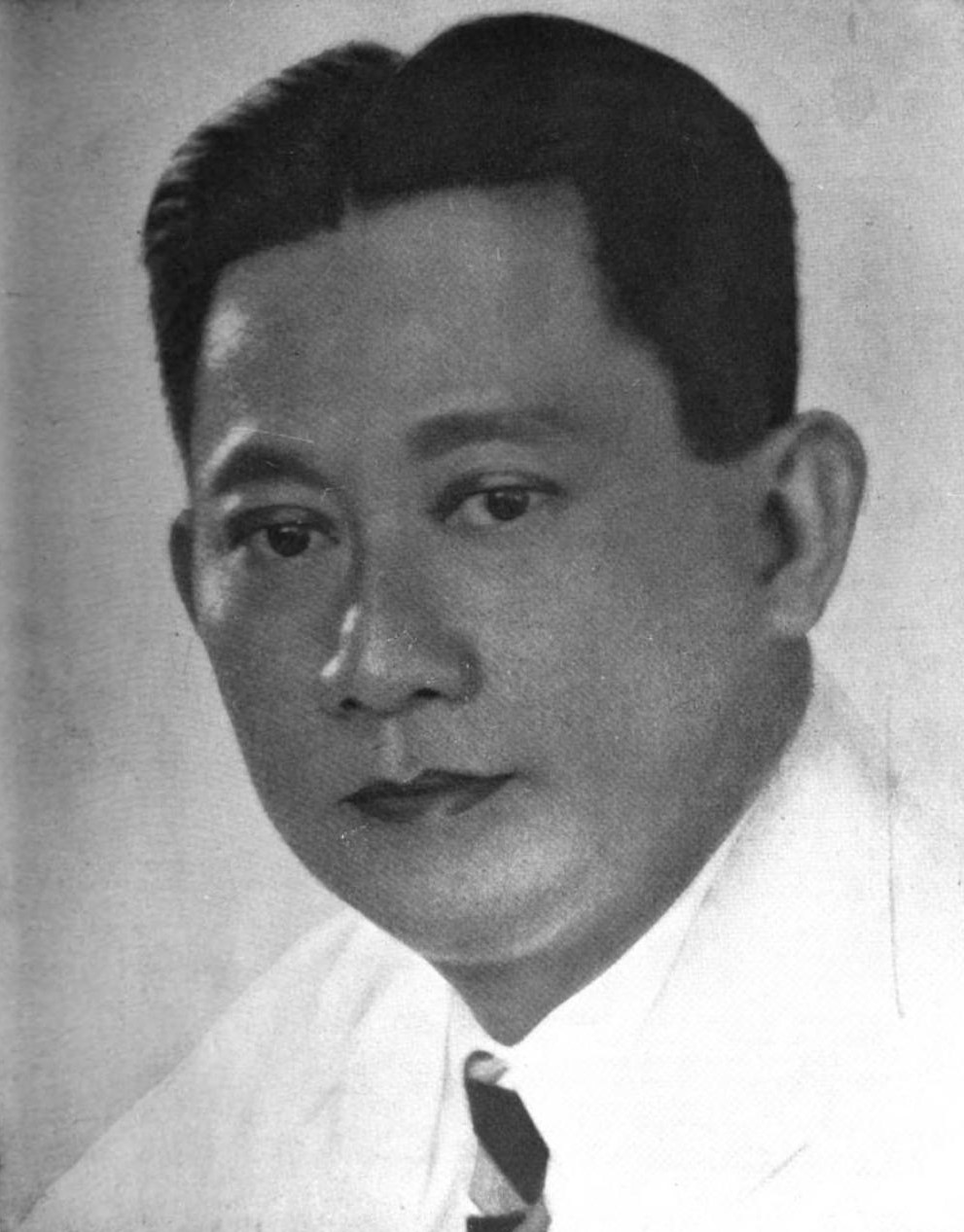
Benigno Aquino Sr.
 Philippines
Birthday
September 3, 1894
Birth Sign
Virgo
Birthplace
Concepcion, Tarlac, Philippines
Age
Died at 53
About
Benigno Simeon Aquino Sr. was a Filipino politician whose career spanned the American colonial era, the Commonwealth, and the Japanese occupation. He was the patriarch of the Aquino political dynasty, father of Senator Benigno "Ninoy" Aquino Jr., and grandfather of President Benigno S. Aquino III. Aquino Sr. served as a representative for Tarlac's second district in the 1920s and again after World War II, but he is most remembered for his controversial role as Speaker of the National Assembly during the Japanese-sponsored government.
His life remains a subject of historical debate, with scholars and family members offering nuanced views of his wartime decisions. He died in 1947 at the age of 53, leaving a legacy that would shape Philippine politics for generations.
Early Life & Background
Born on September 3, 1894, in the town of Concepcion in Tarlac province, Benigno Simeón Aquino y Quiambao grew up in a landowning family. His father, Servillano Aquino, was a general in the Philippine Revolution against Spain, and his mother, Guadalupe Quiambao, came from a prominent family in Bulacan. Young Benigno grew up amid the transition from Spanish to American rule, witnessing the Philippine-American War and the eventual establishment of American colonial governance.
He studied at the University of Santo Tomas, where he earned a law degree. In 1916, he married Aurora Aquino, a cousin, and together they would raise a large family on their hacienda in Tarlac. His early career included work as a lawyer and involvement in the Nacionalista Party, which dominated Philippine politics at the time. He entered public service as a municipal councilor and later as governor of Tarlac, building the political base that would carry him to the national legislature.
Career Growth
Aquino Sr.'s political career reached its peak in 1919 when he was elected to the House of Representatives, representing Tarlac's second district. He held that seat until 1928, championing legislation on agriculture and public works. After a hiatus, he returned to Congress in 1945, serving until 1946.
The most consequential chapter came during World War II. When Japan occupied the Philippines, Aquino Sr. took on the role of Director-General of KALIBAPI, the political organization that served as the Japanese-sponsored government's mass movement. From 1943 to 1944, he served as Speaker of the National Assembly of the Philippine Republic, a puppet state under Japanese control. His cooperation with the occupation has been debated, with some historians arguing that he worked to mitigate Japanese atrocities and protect Filipino interests.
After the war, Aquino Sr.'s role was scrutinized, but he was never formally charged with collaboration. He continued his involvement in politics until his sudden death in 1947.
Career Timeline
Public Image & Style
During his lifetime, Benigno Aquino Sr. was seen as a skilled politician and a pragmatic leader. His willingness to work with the Japanese occupation government was controversial, and after the war, he faced accusations of collaboration. However, his family and supporters have defended him, pointing to his efforts to ease the suffering of Filipinos under occupation.
Today, he is remembered primarily as the patriarch of the Aquino political dynasty, with his historical reputation overshadowed by the legacies of his son and grandson. His portrait hangs in the halls of the House of Representatives, a reminder of his long service to the nation.
Fame & Fandom
Benigno Aquino Sr. does not command a modern fandom in the way contemporary icons do, lacking organized fan clubs, birthday billboards, or digital campaigns that define today's celebrity culture. His legacy is treated with historical solemnity rather than pop worship, and his supporters remain constituents and political allies rather than fans engaging in rituals or viral folklore. The stories surrounding him are rooted in complex political history, particularly his controversial tenure as Speaker during the Japanese occupation, rather than the adulation found in entertainment lore. While the broader Aquino family enjoys significant commemoration, specific events honoring Benigno Sr. outside of general historical recognition are rare. As of August 2026, iFANN's Global Fame Engine has evaluated this person, but they do not currently hold a placement in the published rankings. He is not ranked among the Global Top 1,000 or within any Top-100 scope list. This absence of a numeric rank reflects his status as a historical figure whose fame is confined to academic study and political discourse rather than global media consumption signals. The lack of a formal fanbase name further distinguishes him from living celebrities who cultivate dedicated communities. His influence persists through the political dynasty he founded, yet it remains overshadowed by the martyrdom of his son and the presidency of his grandson.
Interesting Facts and Legends
Benigno Aquino Sr. was known for his sharp legal mind and debating skills, which earned him deep respect in the pre-war Congress. A passionate agriculturist, he introduced modern farming techniques to his Tarlac estate, blending political power with practical innovation. His full birth name, Benigno Simeón Aquino y Quiambao, reflects both his father's and mother's surnames, a common practice among Filipino families during the Spanish colonial period. Despite his prominence, he never sought the presidency, preferring to work behind the scenes as a legislator and party leader. His household in Tarlac was known for its strict but loving atmosphere, a trait passed down to his son Ninoy. Unlike the viral legends associated with his descendants, no extraordinary crowd reactions or iconic pop-culture moments defined his life. The most widely retold story involves his role as Speaker of the National Assembly under the Japanese-sponsored government, a documented historical event that defines his legacy as controversial rather than legendary. There are no verified accounts of crowds shutting down streets due to his appearance or fans fainting at his speeches. His narrative remains one of complex historical facts regarding collaboration and service during World War II.
Family & Personal Life
Benigno Aquino Sr. married Aurora Aquino in 1916, and the couple had eight children. Their eldest son, Benigno "Ninoy" Aquino Jr., would become a senator and a leading figure in the opposition to Ferdinand Marcos, ultimately assassinated in 1983. His grandson, Benigno S. Aquino III, served as the 15th President of the Philippines from 2010 to 2016.
The Aquino family was deeply rooted in Tarlac, where they owned vast agricultural lands. Aquino Sr. and Aurora instilled in their children a strong sense of public service and political responsibility, a legacy that continues to influence Philippine politics today.
Notable Connections
Benigno Aquino Sr. was married to Aurora Aquino, and their son Ninoy Aquino became a national hero. His grandson, Benigno S. Aquino III, served as President of the Philippines. His political career intersected with key figures of the Commonwealth era, including Manuel L. Quezon, and during the occupation, he worked alongside Jose P. Laurel, who headed the Japanese-sponsored republic.
Relationships & Dating History
Benigno Aquino Sr. married Aurora Aquino in 1916. The couple remained together until his death in 1947. Aurora, who came from a related branch of the Aquino family, was a supportive partner throughout his political career. Together they had eight children, including Benigno "Ninoy" Aquino Jr. At the time of his death, Aquino Sr. was married to Aurora.
- MarriedAurora Aquino1916 - 1947Married in 1916; had eight children together, including Ninoy Aquino; remained married until his death.
Death & Aftermath
Died
December 20, 1947 (aged 53)
Death Place
Manila, Philippines
Cause of Death
Myocardial infarction
Benigno Simeon Aquino Sr. passed away on December 20, 1947, in Manila, Philippines, at the age of 53 following a heart attack while serving as Commissioner of Customs.
Public reaction included tributes from peers within the Filipino political sphere who served alongside him in the pre-war and wartime assemblies. Funeral services were held privately in Manila shortly after his death, and he was laid to rest in the Manila North Cemetery, a common resting place for prominent Filipinos of that era. Specific details regarding the exact location of the burial plot or notable attendees beyond family members remain obscure in general biographical summaries.
Posthumously, Benigno Aquino Sr. has been largely overshadowed by the legacy of his son Ninoy and grandson Noynoy. The Aquino family has not established foundations or scholarships bearing his name, focusing their philanthropic efforts on other members instead. His estate was managed privately by his widow, Josefa Edralin Aquino, and their children.
Net Worth (Estate Value)
Financial records from the early 20th century are sparse, and there is no reliable estimate of Benigno Aquino Sr.'s personal net worth at the time of his death in 1947. He was a landowner in Tarlac, and his family's wealth was tied to agricultural holdings. After his passing, the estate was managed by his wife Aurora, and it supported the family through the post-war years.
Today, the Aquino family's wealth is not publicly documented, and no posthumous earnings or estate value have been reported.
Awards & Accolades
Known For
House of Representatives (Tarlac 2nd district)
1919-1928, 1945-1946 · Representative
National Assembly of the Japanese-sponsored Philippine Republic
1943-1944 · Speaker
Keywords
Sources
Quick Facts
- Profession
- politician
- Born
- September 3, 1894
- Birthplace
- Concepcion, Tarlac, Philippines
- Died
- December 20, 1947
- Death Place
- Rizal Memorial Coliseum
- Gender
- Male
- Birth Sign
- Virgo
Personal Details
- Full Name
- Benigno Simeón Aquino y Quiambao
- Spouse
- Aurora Aquino
- Children
- Benigno "Ninoy" Aquino Jr. (among others)
Frequently Asked Questions
Who was Benigno Aquino Sr.?
When was Benigno Aquino Sr. born and when did he die?
What was Benigno Aquino Sr.'s role during the Japanese occupation?
Is Benigno Aquino Sr. related to Ninoy Aquino?
Was Benigno Aquino Sr. considered a traitor?
Similar People
Join the community
fans discussing