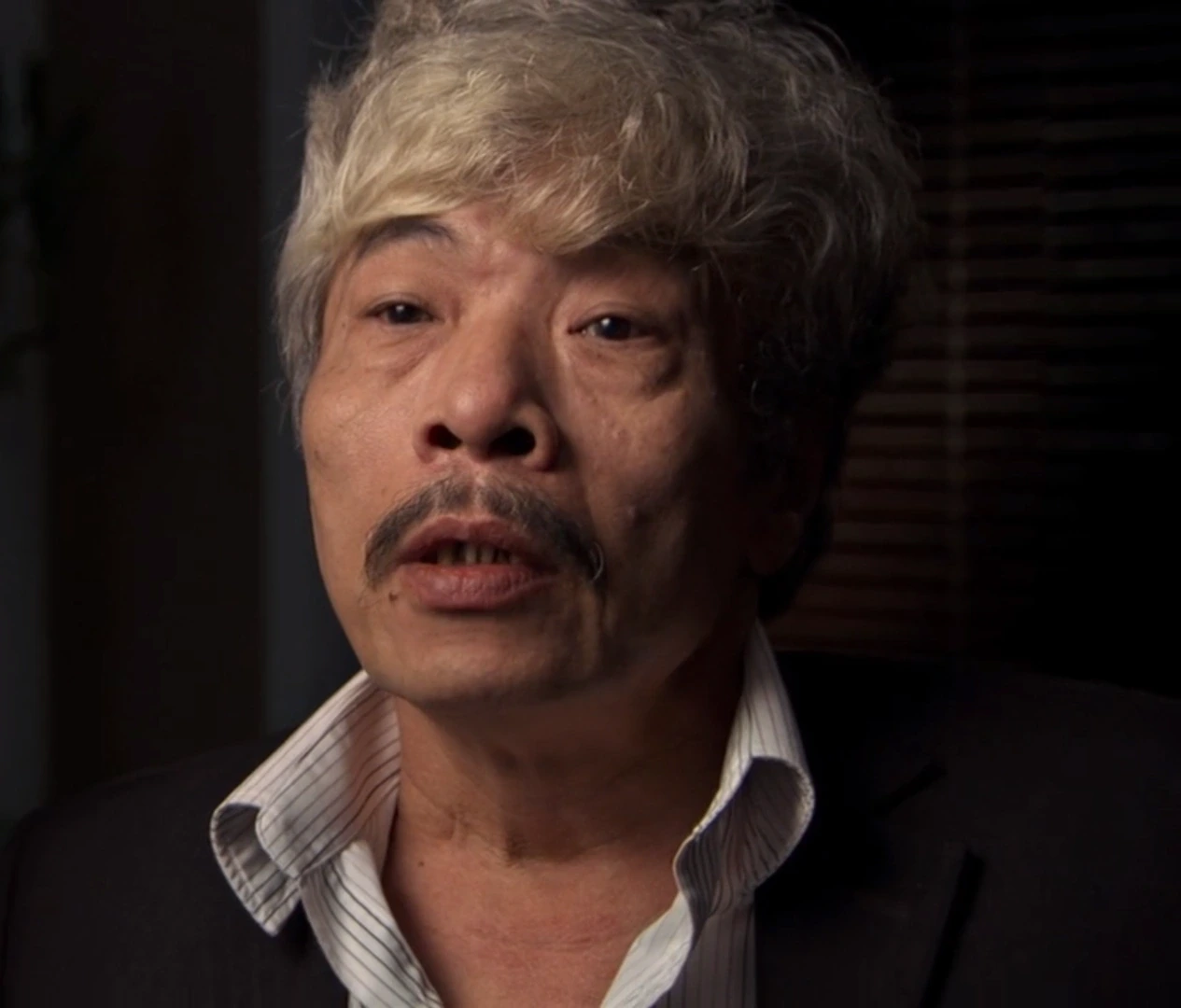
Bảo Ninh
 Vietnam
Also known as: Hoàng Ấu Phương
Birthday
October 18, 1952
Birth Sign
Libra
Birthplace
Nghệ An, Vietnam
Age
74 years old
About
Bảo Ninh is a Vietnamese novelist, essayist, and short story writer, born Hoàng Ấu Phương on October 18, 1952, in Nghệ An province. He is best known for his semi-autobiographical novel The Sorrow of War (1990), a raw and unflinching account of a soldier's experience in the Vietnam War. The book has been translated into many languages and is often compared to All Quiet on the Western Front for its devastating honesty.
Ninh's writing stands out for its humanistic portrayal of soldiers, challenging official narratives and focusing on memory, loss, and the lingering trauma of conflict. Though he trained as a biochemist, he turned to literature, and his work has earned him a dedicated readership both in Vietnam and internationally. As of 2026, he remains a respected voice in contemporary Vietnamese literature, with his stories continuing to resonate with new generations.
Early Life & Background
Growing up in Nghệ An, a province known for its revolutionary history, Ninh's childhood was shaped by the war that engulfed Vietnam. He joined the Glorious 27th Youth Brigade, a unit of young volunteers, and served as a soldier in the brutal campaigns of the Vietnam War. The experience would haunt him for the rest of his life, providing the raw material for his later fiction.
After the war, Ninh pursued studies in biochemistry, a field far removed from the literary path he would eventually take. But the memories of combat, the friends he lost, and the moral complexities he witnessed refused to stay buried. He began writing as a way to process what he had seen, initially producing short stories that drew on his wartime experiences. These early efforts, though not widely published, laid the groundwork for his breakthrough novel, which would emerge years later.
Career Growth
In 1990, Ninh published The Sorrow of War, a novel that would define his career. Written in a fragmented, almost hallucinatory style, it follows Kien, a North Vietnamese soldier, as he grapples with the ghosts of his past. The book was an instant sensation in Vietnam and soon found an international audience, with translations appearing in English and many other languages. Its unflinching portrayal of the war's psychological toll challenged the heroic narratives common in Vietnamese state propaganda, and it earned comparisons to classics like All Quiet on the Western Front.
Following the novel's success, Ninh continued to write short stories and essays, though he never matched the sheer scale of his debut. His later works, such as the short story collection The Weather of Memory, further explore themes of memory and loss, cementing his reputation as a master of war literature. He has also been involved in literary circles in Hanoi, mentoring younger writers and contributing to the country's cultural life.
Career Timeline
Public Image & Style
Bảo Ninh is seen as a literary conscience of Vietnam, a writer who speaks truth to power through his fiction. His public persona is that of a quiet, thoughtful man, more comfortable with his pen than with the spotlight. Readers and critics alike admire his courage in addressing the painful aftermath of war, and his work has been praised for its psychological depth and moral clarity. He represents a generation of Vietnamese writers who came of age during the conflict and chose to document its human cost rather than its glory.
Fame & Fandom (iFAMOUS Rankings)
Bảo Ninh is a literary figure whose fame rests on the power of his words rather than the noise of celebrity. As of August 2026, iFANN's Global Fame Engine has evaluated him, but he does not currently hold a placement in the published rankings, neither the Global Top 1,000 nor any Top-100 scope list. That absence is telling: his renown is not measured in search spikes or social media chatter, but in the quiet, persistent presence of his novel The Sorrow of War in classrooms and book clubs worldwide.
His fanbase, such as it is, has no formal name. There is no official fan club, no designated moniker, no organized community with rituals or campaigns. Instead, his readers are a diffuse gathering of scholars, students, and seekers of literary truth, people who find him through university syllabi, translation lists, or word of mouth. The closest thing to fandom activity centers on his masterpiece, which has inspired academic conferences, critical essays, and countless late-night discussions. Fans share his work in the way one shares a secret: with reverence and a sense of discovery.
What binds this unofficial community is a shared recognition of Ninh's singular voice, a voice that emerged from the Glorious 27th Youth Brigade, where he was one of only a handful of survivors out of 500. His writing carries the burden of those lost, and his readers respond not with fan art or hashtags, but with a solemn appreciation for his courage. In an age of manufactured celebrity, Bảo Ninh's fame is earned the old-fashioned way: one reader at a time, one haunting sentence at a time.
Interesting Facts and Legends
Bảo Ninh's pen name is actually a place name: a beach and coastal area in Quảng Bình province, chosen for its evocative, melancholic sound. Despite his fame, he remains a private figure, rarely giving interviews or attending literary festivals. He once said he wrote The Sorrow of War not to condemn war but to remember his fallen comrades. The novel was initially rejected by several Vietnamese publishers for not fitting the official narrative, finding a publisher only after the Đổi Mới reforms. He is an avid reader of world literature, particularly Hemingway and García Márquez, whose influence is evident in his spare, lyrical style.
One of the most retold stories about Ninh is his survival of the Glorious 27th Youth Brigade, of the 500 soldiers who went to war with him, he was one of only a handful to return. That experience underpins the novel and has become central to his legend.
In September 2017, Ninh published an essay in The New York Times titled "The First Time I Met Americans," recounting his journey to meet former enemies, a powerful moment of reconciliation that resonated widely.
More recently, in late 2025, a viral Facebook video by Trương Đình Nam called The Sorrow of War a "rác phẩm" (garbage work), sparking a national debate. In January 2026, the novel was removed from a list of 50 outstanding works commemorating the 50th anniversary of reunification, a controversial moment that highlighted the enduring tension between Ninh's unflinching vision and official narratives.
Notable Quotes
“I write to remember, not to forget.”
“The war is over, but its sorrow continues.”
“In the end, all we have are the memories of those we loved.”
Family & Personal Life
Details about Bảo Ninh's family are scarce, as he has kept his personal life out of the public eye. He was born in Nghệ An province, a region with a strong revolutionary tradition, and his family's experiences during the war likely shaped his worldview. He has mentioned in interviews that the loss of friends and fellow soldiers weighed on him heavily, and his writing often reflects a deep sense of communal grief. He is believed to live in Hanoi, but he has never publicly discussed his wife or children, if any.
Notable Connections
Bảo Ninh is often associated with other Vietnamese writers who explored the war's aftermath, such as Dương Thu Hương and Lê Minh Khuê. His work has been championed by translators and scholars like Frank Palmos, who brought The Sorrow of War to English-speaking readers. He is also connected to the broader tradition of anti-war literature, drawing comparisons to authors like Erich Maria Remarque and Tim O'Brien.
Relationships & Dating History
Bảo Ninh has kept his personal relationships out of the public eye, and there is no verified information about his romantic life. He has never discussed a spouse or partner in interviews, and no credible sources have reported on his dating history. As of 2026, his relationship status remains unknown, and he appears to have chosen a life of privacy.
Salary, Net Worth In 2026
$1 Million
iFANN Editorial Team estimate
As a literary figure, Bảo Ninh's income primarily derives from book royalties, translation rights, and occasional speaking engagements. The Sorrow of War has sold steadily for over three decades, and its inclusion in university courses worldwide ensures a consistent stream of royalties. While exact figures are not public, iFANN's editorial research estimates his net worth at $1 million. His estate, managed by his family, continues to receive income from reprints and digital editions.
Awards & Accolades
Known For
The Sorrow of War
1990 · Author
The Weather of Memory
2001 · Author
Keywords
Sources
Quick Facts
- Profession
- writer, biochemist
- Born
- October 18, 1952
- Birthplace
- Nghệ An, Vietnam
- Gender
- Male
- Birth Sign
- Libra
- Nationality
- Vietnamese
Personal Details
- Full Name
- Hoàng Ấu Phương
- Education
- Trained as a biochemist
Frequently Asked Questions
What is Bảo Ninh best known for?
How old is Bảo Ninh?
Is Bảo Ninh still alive?
What is Bảo Ninh's net worth?
What themes does Bảo Ninh explore in his writing?
Similar People
Join the community
fans discussing