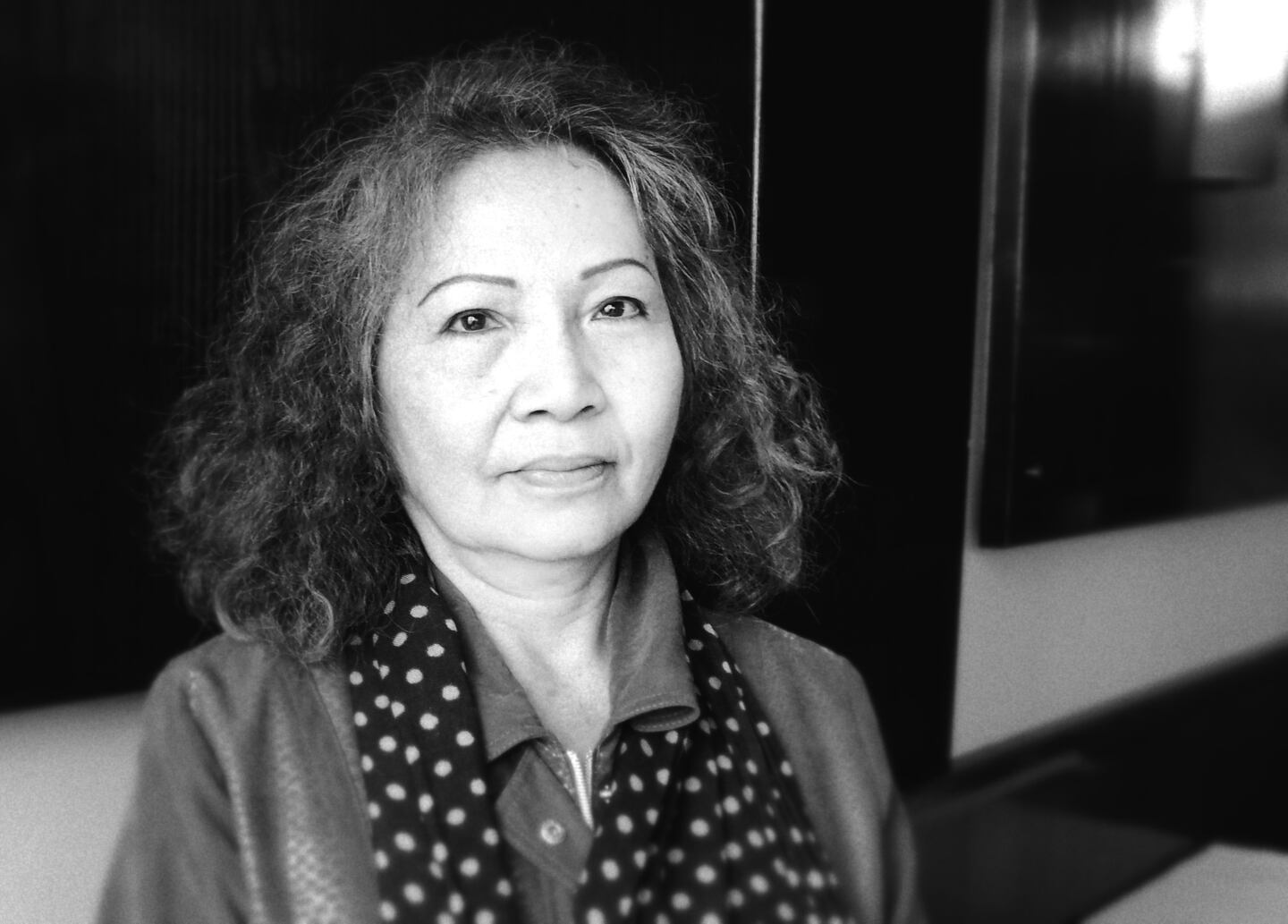
Dương Thu Hương
 Vietnam
writer•novelist•literary critic
Also known as: Duong Thu Huong, Hương Thu Dương, Huong Thu Duong, Thu Buong Duong
Birthday
January 1, 1947
Birth Sign
Capricorn
Birthplace
Thái Bình, Vietnam
Age
79 years old
About
Dương Thu Hương is a Vietnamese novelist and political dissident, widely regarded as one of the most prominent and controversial voices in contemporary Vietnamese literature. Born in 1947 in Thái Bình province, she is renowned for her unflinching critiques of the revolutionary state, and her works, translated into dozens of languages, have earned her international acclaim as a fearless chronicler of Vietnam's post-war soul.
Her literary career began in earnest in the late 1980s with the publication of Beyond Illusions, a novel that openly questioned the ideals of the revolution. The book was banned in Vietnam and led to her arrest and imprisonment. Despite this, she continued writing, producing internationally celebrated works like Paradise of the Blind and No Man's Land. Her novels are praised for their deep humanism and unsparing look at the costs of war and political repression.
Today, Hương remains a vital figure in world literature, honored with major prizes including the Prix Cino Del Duca in 2023. She is widely seen as a symbol of artistic freedom and intellectual courage, both in Vietnam and abroad.
Early Life & Background
Dương Thu Hương was born in 1947 in Thái Bình, a province in the Red River Delta of North Vietnam. Growing up during the First Indochina War, she witnessed violence and upheaval that shaped her literary vision. Her early years were marked by the struggle for independence, and she was drawn to the revolutionary cause, joining the Communist Party as a young woman.
She served as a writer for the Vietnamese army during the Vietnam War, producing propaganda and literary works that supported the state. This role gave her a front-row seat to the realities of conflict and the inner workings of the party. Over time, the gap between revolutionary ideals and post-war realities eroded her faith in the system.
By the early 1980s, she began voicing dissent, and her writings increasingly challenged the official narrative. This culminated in her expulsion from the Communist Party, making her the first writer to publicly denounce the party's control over art and literature. The rupture was complete, and she turned to fiction to explore truths she could no longer suppress.
Career Growth
Dương Thu Hương's breakthrough came in 1987 with the publication of Beyond Illusions, also known as The Will of Woman. The novel directly challenged the state's version of history and was promptly banned. Hương was arrested and imprisoned, but the controversy only amplified her voice.
She followed with Paradise of the Blind in 1988, a poignant family saga that became her most internationally acclaimed work, translated into numerous languages. In 1990, she published No Man's Land, a stark portrayal of the war's aftermath. Her later works include Memories of a Pure Spring (2000) and the monumental historical novel The Zenith, which Publishers Weekly praised for daring readers to see revolutionary Vietnam's complexity.
In April 2023, Hương was awarded the Prix Cino Del Duca, a major French literary prize worth €200,000. She has also been honored by the Institut Français, which called her a heroine of dissent. Her works have been translated into English, French, German, and many other languages, making her one of the most translated Vietnamese authors.
Career Timeline
Public Image & Style
Dương Thu Hương is widely perceived as a champion of freedom of expression and a courageous dissident. International media and literary institutions celebrate her as a heroine of dissent, while Vietnamese state media has historically treated her as a dangerous opponent. Her public image is that of a fearless truth-teller, willing to sacrifice personal freedom for artistic integrity.
Her literary style is characterized by unflinching examinations of Vietnamese society, the human cost of war, and the gap between revolutionary ideals and reality. She combines personal narratives with political critique, exploring themes of family, tradition, and societal change. Her readers engage with her work through literary festivals, academic study, and book clubs, rather than through organized fan communities.
Fame & Fandom
Dương Thu Hương commands a distinct sphere of influence that diverges sharply from the traditional celebrity ecosystem. She possesses no formal fan club, nor does she have a self-identified collective bearing a specific name like an idol group might. Her supporters are not organized through digital campaigns or merchandise drives but rather coalesce as a dispersed network of human rights advocates, literary scholars, and members of the Vietnamese diaspora who engage with her work through academic discourse and sustained readership. This audience is defined by ideological alignment rather than performative fandom, manifesting their support through the global translation of her texts and advocacy against censorship. Within this landscape of intellectual resonance, iFANN Global Fame Rankings places her significant standing in the public consciousness. Current data positions Dương Thu Hương as the 80th most famous person in Vietnam, down from 76th last cycle. Furthermore, she holds the distinction of being the 99th most famous person from Vietnam, down from 98th last cycle. These placements reflect a deep, enduring recognition driven by her status as a political dissident and author, tracking her prominence across media coverage and consumption signals worldwide without relying on transient viral trends.
Interesting Facts and Legends
Dương Thu Hương was once a member of the Communist Party, which she later criticized so sharply that she was expelled. She is recognized as the first writer to publicly denounce the party's control over art in Vietnam. Her novel The Zenith is described as a monumental historical work that explores the complexity of revolutionary Vietnam. The protagonist, Hoang An, reflects on the nature of history and writing. Despite being banned in her home country, her works have been translated into English, French, German, and many other languages, making her one of the most translated Vietnamese authors. She began her literary career in her forties, having spent her earlier years writing for the army and the party. A defining chapter of her legend involves her expulsion from the Communist Party following the publication of Paradise of the Blind. This event transformed her from a state-sanctioned writer into a vocal dissident, creating a narrative of irony where a former frontline soldier became a traitor in the eyes of the state she once served. Another pivotal moment was the release of Paradise of the Blind itself, which caused immediate backlash and effectively banned her books within Vietnam while establishing her reputation globally as a fearless chronicler of the human cost of war.
Family & Personal Life
Details about Dương Thu Hương's family are scarce. She was born in Thái Bình province in 1947, but little is known about her parents or siblings. Her public life has been dominated by her literary career and political activism, leaving her personal life largely private. No information about her current household, spouse, or children is available in credible sources.
Notable Connections
Dương Thu Hương is associated with fellow Vietnamese writer Đặng Tiến, with whom she has been discussed in analyses of cultural conferences and literary dissent. American academic Thomas A. Bass has also written about Vietnam and censorship, including a serialized work published by Index on Censorship that relates to Hương's themes.
Relationships & Dating History
Public information about Dương Thu Hương's romantic relationships is extremely limited. No credible sources document any marriages, long-term partnerships, or dating history. Her personal life has remained private, overshadowed by her literary and political career. As of 2026, her relationship status is unknown, and no current partner has been identified.
Salary, Net Worth In 2026
$1 Million
iFANN Editorial Team estimate
Dương Thu Hương's net worth is not publicly documented, but her income sources are clear. She earns from book royalties, particularly from Paradise of the Blind, which has been widely translated. Translation rights for her works in English, French, and German provide ongoing revenue. In 2023, she received the €200,000 Prix Cino Del Duca, a significant addition to her earnings. She also receives lecture fees from international literary festivals, such as the International Literature Festival Berlin. Per iFANN's editorial analysis, her net worth stands at $1 Million as of 2026, reflecting a modest but sustained literary income derived from her international acclaim. Her financial standing remains outside public record, though her global recognition suggests a comfortable living supported by her writing.
Awards Won (3)
Dương Thu Hương has received several prestigious awards for her literary work. The most notable is the Prix Cino Del Duca in 2023, a major French literary prize worth €200,000. She has also been honored with the Chevalier des Arts et des Lettres from the French Ministry of Culture and has been recognized by the Prince Claus Fund.
2023 · Lifetime Achievement
Entire body of work
2023 · Cultural Honor
Literary contributions
Known For
Paradise of the Blind
1988 · Author
Beyond Illusions
1987 · Author
No Man's Land
1990 · Author
The Zenith
2010 · Author
Keywords
Sources
Quick Facts
- Profession
- writer, novelist, literary critic
- Born
- 1947
- Birthplace
- Thái Bình, Vietnam
- Gender
- Female
- Birth Sign
- Capricorn
- Notable Works
- Paradise of the Blind, Beyond Illusions, No Man's Land
- Major Award
- Prix Cino Del Duca (2023)
Personal Details
- Full Name
- Dương Thu Hương
Frequently Asked Questions
Is Dương Thu Hương still alive?
Why was Dương Thu Hương imprisoned?
What is Dương Thu Hương's most famous book?
Is Dương Thu Hương married?
What awards has Dương Thu Hương won?
Join the community
fans discussing