 Mexico
About
Axayacatl was the sixth tlatoani of Tenochtitlan and emperor of the Aztec Triple Alliance, ruling from 1469 until his death in 1481. His name, meaning "face of water" in Classical Nahuatl, reflects the deep connection between his reign and the lake-bound city he governed. He is remembered as a warrior-ruler who expanded the empire's reach, but also as a poet and patron of the arts who left a lasting cultural imprint.
Today, Axayacatl is best known for commissioning the Sun Stone, the massive carved disk often called the Aztec calendar stone, which has become the most iconic symbol of Aztec civilization. His palace in Tenochtitlan, later occupied by Hernán Cortés, was rediscovered in Mexico City in 2020, reigniting public interest in his legacy. For historians and enthusiasts of pre-Columbian Mexico, Axayacatl stands as a figure who bridged military ambition and artistic vision, shaping the empire at its height.
Early Life & Background
Axayacatl was born around 1449 in Tenochtitlan, the island capital of the Aztec Empire. He was part of the royal lineage, though details of his childhood remain scarce. As a young noble, he would have been trained in the arts of war, governance, and the religious rituals that underpinned Aztec society. The calmecac, the school for noble youths, likely shaped his early years, where he would have studied history, poetry, and the calendar.
His rise to the throne came in 1469, following the death of his predecessor, Moctezuma I. At roughly twenty years old, Axayacatl assumed leadership of an empire that was still consolidating its power in the Valley of Mexico. His early reign focused on establishing his authority through military campaigns, setting the stage for the expansion that would define his rule.
Career Growth
Axayacatl's reign was marked by aggressive military expansion. He led campaigns that brought regions such as Toluca and Matlatzinco under Aztec control, extending the empire's reach into the west. However, his most famous military engagement was the war against the Tarascan Empire, where he suffered a rare and significant defeat at the Battle of Tlaximaloyan in 1479. This setback halted Aztec expansion westward and became a defining moment of his rule.
Beyond the battlefield, Axayacatl was a cultural patron. He commissioned the Sun Stone, a monumental basalt carving that now stands as a masterpiece of Aztec art. He also composed poetry, some of which survives in Nahuatl manuscripts, revealing a reflective and philosophical side. His palace, located in the heart of Tenochtitlan, was later repurposed by Spanish conquistadors, and its remains were unearthed in 2020, offering a tangible link to his era. Axayacatl died in 1481, likely from illness, leaving the empire to his son, Tizoc.
Career Timeline
Public Image & Style
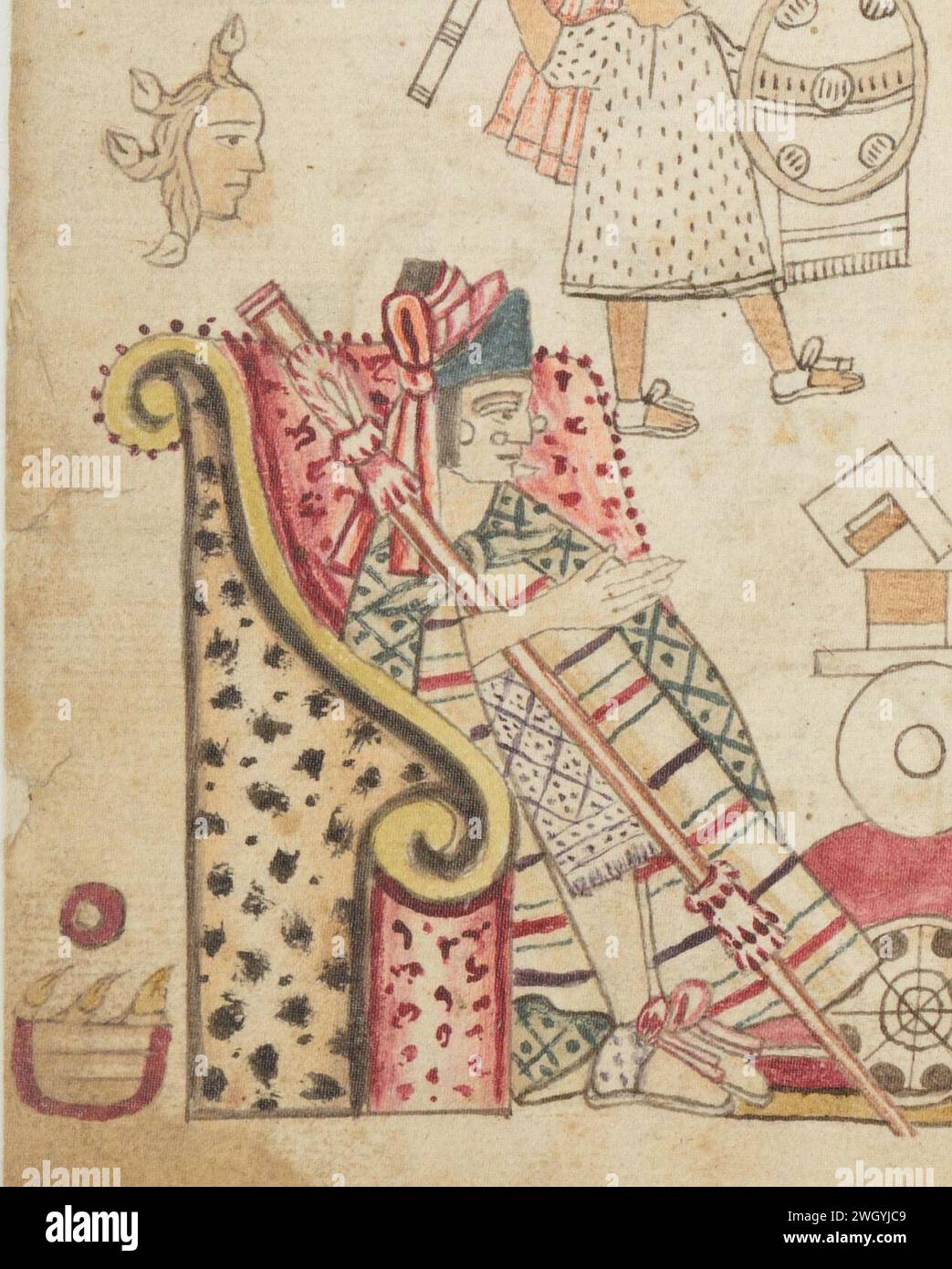
Axayacatl is often portrayed in historical sources as a fierce but cultured ruler. In Aztec codices, he is depicted with the trappings of a warrior, yet his poetic works reveal a contemplative mind. Modern interpretations, particularly after the 2020 palace discovery, have cast him as a figure of intrigue, caught between military ambition and artistic patronage. Historians note his defeat by the Tarascans as a humbling moment, but his cultural contributions, especially the Sun Stone, have secured his reputation as a patron of the arts. For many, he represents the complexity of Aztec leadership, where warfare and artistry were intertwined.
Fame & Fandom (iFAMOUS Rankings)
The legacy of Axayacatl does not pulse with the manic energy of a modern celebrity cult, but rather anchors itself in the tangible rediscovery of history. His 'fanbase' is a diffuse collective of archaeologists, historians, and citizens who reacted viscerally when his palace was unearthed beneath Mexico City's Zócalo in 2020. This discovery transformed a distant emperor into a physical presence underfoot, sparking a preservation movement for his name that extends even to culinary traditions like the *ahuautli* insect eggs. Unlike pop stars with organized chart pushes or social media armies, engagement here is driven by educational curiosity and the shock of finding a 15th-century throne room in a modern plaza. There is no formal fandom name documented for those who revere him; the audience remains an unnamed public united by historical fascination rather than a shared brand identity. While digital projects and animated biographies keep his story alive, they function as tributes rather than fan campaigns. The iFANN Global Fame Engine has evaluated this historical figure, confirming that Axayacatl does not currently hold a placement in the published rankings, including the Global Top 1,000 or any Top-100 scope list. He is currently unranked, reflecting his status as a subject of deep academic interest rather than a trending global icon. This absence from the top tiers underscores that while his cultural footprint is massive, it exists outside the metrics of contemporary viral fame.
Interesting Facts and Legends
Axayacatl's name appears in the Codex Mendoza, where he is depicted as a warrior holding a shield and club. He was also known for his poetic compositions, which were collected in the Cantares Mexicanos, a key source of Aztec literature. One of his poems reflects on the fleeting nature of life, a theme common in Nahuatl poetry. His defeat by the Tarascans was so significant that it was recorded in both Aztec and Spanish sources, marking a rare moment of Aztec vulnerability. Additionally, the Sun Stone he commissioned was originally placed in the Templo Mayor, where it served a ceremonial purpose before being buried by the Spanish. A legendary moment in his modern reputation occurred in July 2020 when archaeologists uncovered his palace directly beneath the main square of Mexico City, revealing intricate courtyard flooring and proving his home once stood adjacent to Hernán Cortés' residence. This excavation turned the abstract concept of his reign into a tangible reality for the public. Another enduring story links his name to the culinary tradition of *ahuautli*, or Mexican caviar, where locals have fought to preserve this ancient delicacy against extinction. The etymology of his name, translating to "face of water," remains a central piece of lore, often linked to linguistic plays involving horseflies that emphasize the intensity of his identity.
Family & Personal Life
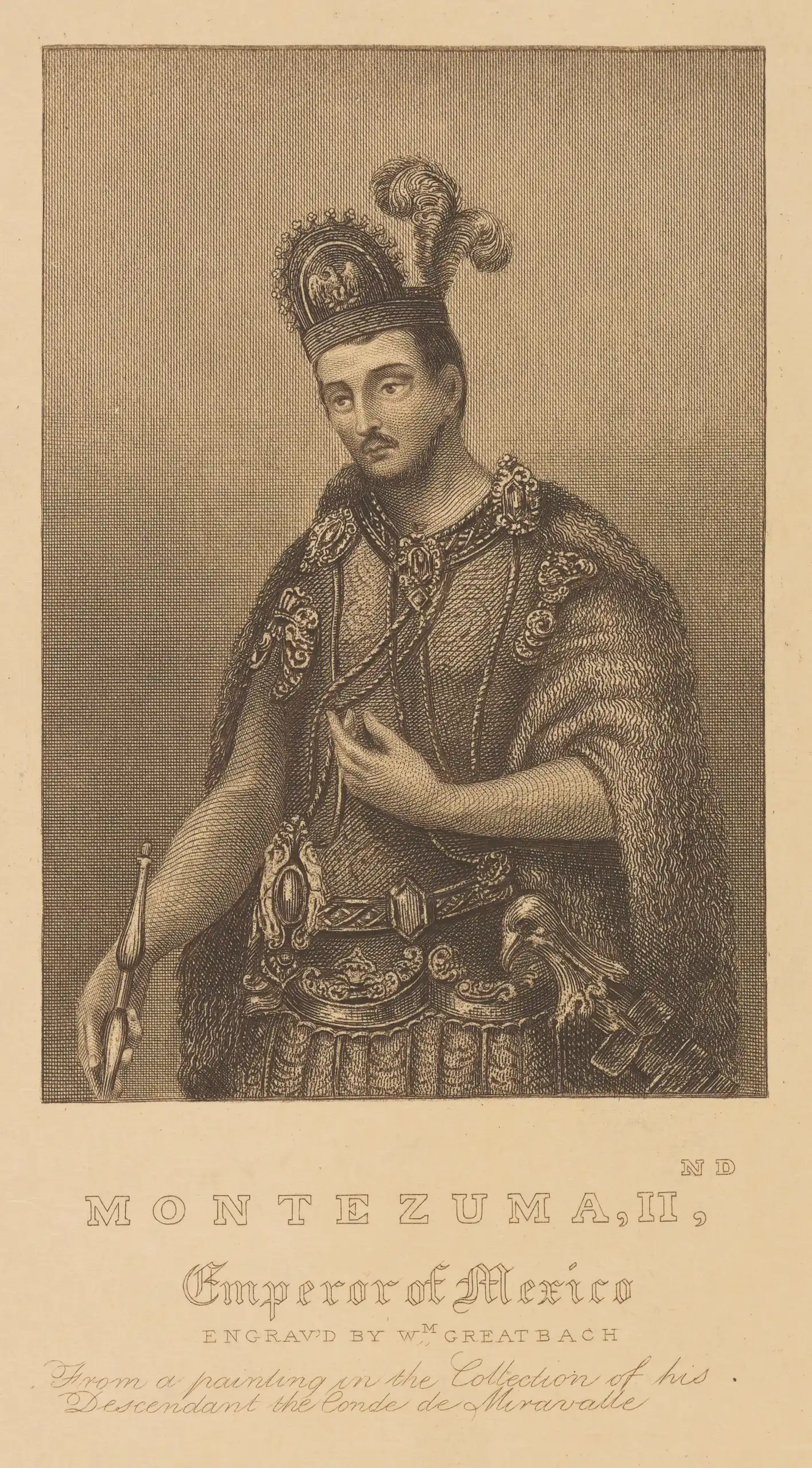
Axayacatl was the son of Princess Atotoztli, daughter of Moctezuma I, and Prince Tezozomoc. This lineage placed him directly in the royal line of Tenochtitlan. He had several siblings, including Tizoc and Ahuitzotl, who both succeeded him as tlatoani. His father, Tezozomoc, was a military leader, while his mother's royal blood cemented his claim to the throne. Axayacatl married a noblewoman named Xochicueyetl, with whom he had several children, including Moctezuma II, who would become the last great ruler of the Aztec Empire before the Spanish conquest. His family's influence extended for generations, shaping the course of Aztec history.
Notable Connections
Axayacatl is closely associated with the Sun Stone, the Aztec calendar stone that he commissioned, which remains a national symbol of Mexico. His grandson, Moctezuma II, is often compared to him, though Moctezuma's reign ended with the Spanish conquest. The Tarascan Empire, which defeated Axayacatl, is another key association, as that conflict shaped Aztec expansion. In modern times, his palace, later home to Hernán Cortés, links him to the Spanish conquest narrative.
Relationships & Dating History
Historical records do not provide detailed information about Axayacatl's romantic relationships. He was married to Xochicueyetl, a noblewoman, and they had children, including Moctezuma II. However, the nature of their relationship and any other partnerships remain undocumented. As of 2026, no additional details have emerged from archaeological or historical research.
- MarriedXochicueyetlNoblewoman and mother of Moctezuma II
Death & Aftermath
Died
1481 (aged 32)
Death Place
Tenochtitlan, Aztec Empire
Cause of Death
Illness or natural causes
The passing of the sixth tlatoani in 1481 sent a ripple through the lake-bound city of Tenochtitlan, marking the end of an era defined by both martial expansion and deep cultural patronage. Historical chronicles place his death within the capital itself at roughly thirty-two years old, though no specific day or month survives the centuries to anchor the moment. The transition of power followed established imperial traditions rather than legal disputes, with his brother Tizoc assuming the throne immediately after the emperor's final breath. Traditional mourning rituals for a Huey Tlatoani likely involved elaborate ceremonies and sacrifices appropriate to his status, but detailed records of the funeral service, burial location, or specific attendees remain lost to time. Recent archaeological work in July 2020 unearthed the remains of this palace in modern Mexico City, providing a tangible link to his reign and sparking renewed interest among historians and the public alike.
Net Worth (Estate Value)
As a historical figure from the 15th century, Axayacatl's personal net worth is not documented, and any modern estimates are speculative. His wealth would have been measured in tribute, land, and resources controlled by the Aztec Empire. The palace he built was a symbol of his power, and its recent excavation has added archaeological value.
Awards & Accolades
View 1 records, honours and achievementsKnown For
Sun Stone
1479 · Commissioner
Ruler of Tenochtitlan
1469 · Tlatoani
Keywords
Sources
Quick Facts
- Profession
- poet, writer, tlatoani
- Born
- 1449
- Birthplace
- Tenochtitlan
- Died
- 1481
- Death Place
- Tenochtitlan
- Gender
- Male
Frequently Asked Questions
Who was Axayacatl?
What is Axayacatl's net worth in 2026?
How did Axayacatl die?
Why is Axayacatl famous?
What is the Sun Stone?
Similar People
Join the community
fans discussing