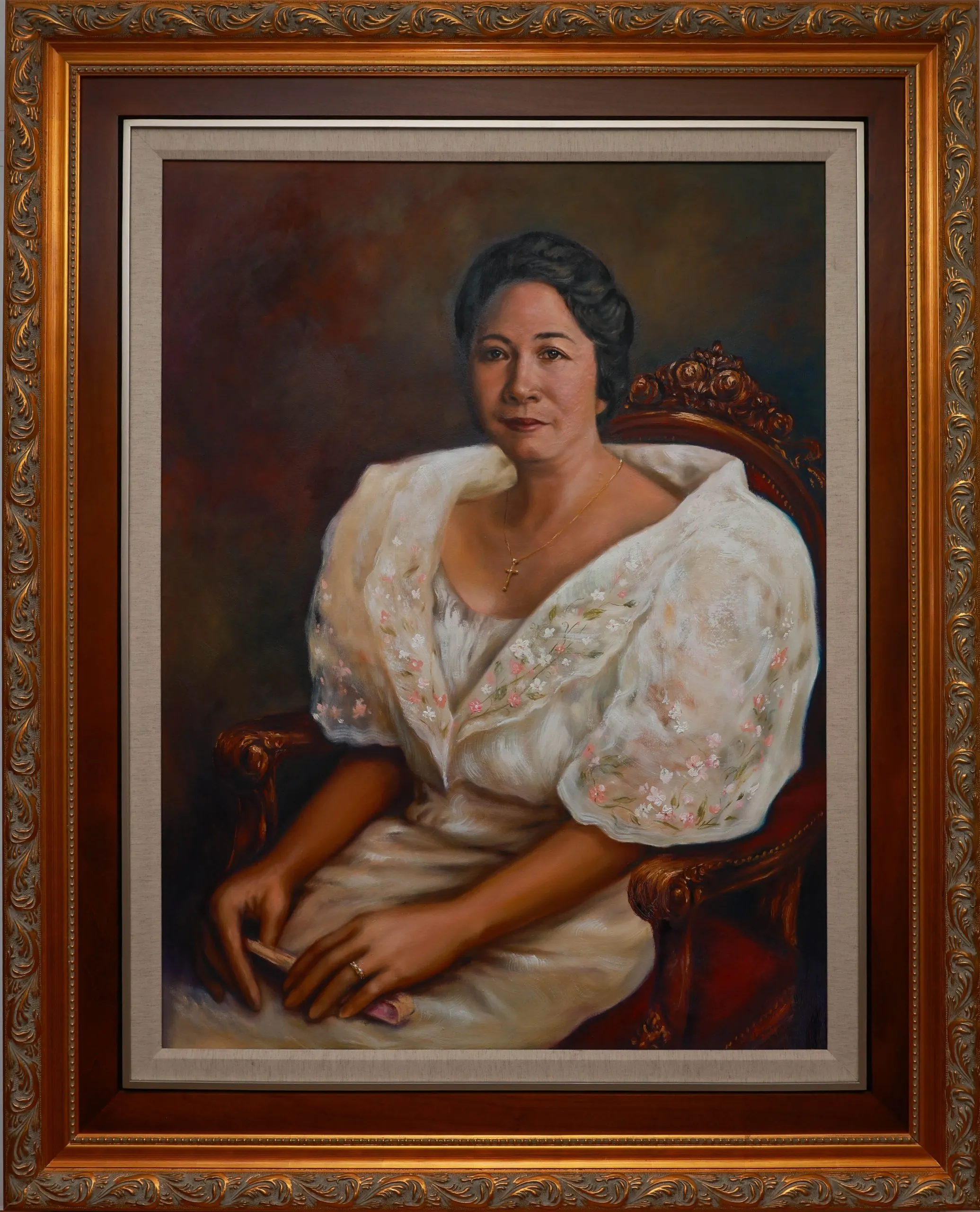
Aurora Quezon
 Philippines
Also known as: Aurora Antonia Aragón y Molina, Dona Aurora
Birthday
February 19, 1888
Birth Sign
Sagittarius
Birthplace
Baler, Tayabas (now Aurora), Philippines
Age
Died at 61
About
Aurora Antonia Aragón y Molina, known historically as Aurora Quezon, stands as a monumental figure in Philippine history, serving as the First Lady of the Philippines from 1935 to 1944. Born on February 19, 1888, in Baler, Tayabas, she was the daughter of Pedro Aragón and Zeneida Molina. Her life is distinguished by her unique role as the first Filipino presidential spouse to officially hold the title of "First Lady," a designation that did not previously exist in the country. Beyond this ceremonial title, she was a pioneering force in public service, leveraging her background as a registered nurse to lead humanitarian efforts during the Commonwealth era and the tumultuous years of World War II. She served as the chairperson of the Philippine National Red Cross, establishing it as a critical organization for relief work, while simultaneously advocating for women's rights as a suffragette. Her legacy is defined by selfless dedication, culminating in her tragic assassination in 1949 while en route to open a hospital dedicated to her late husband. Today, she remains a symbol of national sacrifice, with her memory honored through the Province of Aurora named in her tribute and her enduring presence in historical narratives.
Early Life & Background
Born Aurora Antonia Aragón y Molina on February 19, 1888, in the coastal town of Baler in the province of Tayabas, Aurora grew up in a family deeply connected to the local community. Her father was Pedro Aragón and her mother was Zeneida Molina. Unlike many of her contemporaries who pursued traditional domestic roles, she sought professional training that would define her future contributions to society. She studied nursing and became a registered nurse, a profession that deeply influenced her humanitarian work later in life. Her early years were marked by a commitment to social welfare and education. Before entering the political sphere alongside her husband, Manuel Luis Quezon, she honed skills in patient care and community support. This background allowed her to transition seamlessly into public service when Manuel rose to prominence in Philippine politics. They met through mutual connections in their home province before settling in Manila. Her preparation as a nurse positioned her uniquely to handle the humanitarian crises that would arise during the Commonwealth era and the subsequent war years.
Career Growth
Aurora Quezon's career was defined by her role as the First Lady during the Commonwealth era and the tumultuous years of World War II. Her tenure began in 1935 when her husband assumed the presidency and ended with his death in 1944. During this period, she served as the chairperson of the Philippine National Red Cross, establishing it as a key humanitarian organization. She was also a suffragette, advocating for women's rights and social reforms. Her work during the war involved caring for refugees and maintaining morale while the government-in-exile operated from the United States. Her most significant achievement was the establishment of the Aurora Memorial Hospital in Baler, intended to honor her late husband. This project symbolized her dedication to public health and service. In 2025, her life story gained renewed cultural relevance with the release of the historical epic Quezon, starring Jericho Rosales and Iain Glen, which brought her narrative to a modern global audience. The film sparked discussions about her legacy, with actress Karylle expressing a "fated connection" to portraying her in the biopic. Schools named after her, such as Aurora A. Quezon Elementary School in San Andres, remain active institutions educating students in the 2026-2027 school year.
Career Timeline
Public Image & Style
Aurora Quezon is viewed as a "beloved humanitarian" and a "gentle" leader whose life ended in sacrifice. Her public image is one of reverence, patriotism, and tragedy. She is remembered as a woman who combined the compassion of a nurse with the resolve of a stateswoman. Media portrayals and historical accounts consistently highlight her dignity and her unwavering commitment to the welfare of the Filipino people. Even decades after her death, she is described as a symbol of selfless dedication, particularly in the context of her final journey to open a hospital for her late husband. Historical descriptions characterize her character as "austere yet gentle." Her physical presence in photographs is often noted for its dignified demeanor, though specific height records are not available in historical sources. The public perception of her has remained consistent, evolving from a respected First Lady to an iconic martyr whose story continues to inspire generations of Filipinos.
Fame & Fandom
Aurora Quezon remains a figure of profound historical resonance rather than modern celebrity fandom. As the first Filipino First Lady, her legacy is sustained through academic study, national commemoration, and recent cinematic reinterpretations like the 2025 epic Quezon, which has sparked renewed discussion among historians and actors alike. Unlike living entertainers, she possesses no formal fan club, organized birthday campaigns, or self-identified community groups driving viral trends. The province of Aurora honors her memory annually with the Pasidayaw Festival, a government-led civic event that reflects deep public affection for her service rather than fan-driven enthusiasm. While some performers have expressed a personal, almost fated connection to portraying her life on screen, these are professional engagements rooted in historical reverence rather than fan rituals. There is no documented name for any fanbase, as the concept of an active fandom does not apply to a figure who passed away decades ago. Her enduring presence is defined by the tragedy of her assassination in 1949 while en route to dedicate a hospital for her late husband, a story that continues to be retold as a defining moment of national sacrifice. This narrative of martyrdom and gentle leadership keeps her name alive in Philippine consciousness without the mechanics of contemporary fame. Despite this lasting cultural impact, iFANN's Global Fame Engine has evaluated this person, but they do not currently hold a placement in the published rankings (Global Top 1,000 or a Top-100 scope list). Aurora Quezon is not currently ranked within the Global Top 1,000 most famous people worldwide.
Interesting Facts and Legends
Aurora Quezon was a trained nurse who applied her medical skills to care for soldiers and civilians during World War II. The province of Aurora, where she was born, celebrates her birth annually through civic events. A defining chapter of her legend is the tragic ambush that killed her and her daughter while en route to dedicate a hospital for her husband. Historical accounts describe her character as "austere yet gentle." The ambush occurred near Montalban, now known as Rodriguez, in Rizal province. Her death, along with her daughter's, remains one of the most poignant moments in Philippine political history. Specific height records are not available in historical sources, though she is often described in photographs as possessing a dignified and gentle demeanor. Her birth sign is Sagittarius. The province of Aurora remains a focal point for national events, including weather monitoring by PAGASA and environmental research centers established by the DENR to protect the Philippine Rise. These geographical references continue to keep her name relevant in modern contexts.
Notable Quotes
“Austere yet gentle”
“Well-loved”
Family & Personal Life
Aurora Quezon was married exclusively once in her life to Manuel L. Quezon. Their union lasted from 1903 until Manuel's death on August 1, 1944. Together, they had two children: María Aurora "Baby" Quezon and Jorge Vargas Quezon. There were no divorces or other romantic relationships; she remained a devoted wife and partner throughout his life. Her family life was closely tied to her public service, often involving her children in charitable activities. The loss of her daughter in the same ambush that claimed her own life was a devastating blow that underscored the tragedy of their final days. As of her death in 1949, she was widowed. The couple met through mutual connections in their home province before settling in Manila. Manuel was a rising politician who would become the first President of the Commonwealth of the Philippines. The family resided primarily in Manila, where they navigated the complexities of the Commonwealth government and the subsequent Japanese occupation.
Notable Connections
Relationships & Dating History
Aurora Quezon was married exclusively once in her life. Her relationship history is straightforward compared to modern celebrity figures. She married Manuel L. Quezon in 1903, and their union lasted until Manuel's death on August 1, 1944. They met through mutual connections in their home province before settling in Manila. Manuel was a rising politician who would become the first President of the Commonwealth of the Philippines. Together, they had two children: María Aurora "Baby" Quezon and Jorge Vargas Quezon. There were no divorces or other romantic relationships; she remained a devoted wife and partner throughout his life. As of her death in 1949, she was widowed. The couple's partnership was characterized by shared public service and mutual devotion, with Aurora supporting Manuel's political ambitions while managing their household and raising their children. Their relationship is often cited as a model of loyalty and partnership in Philippine political history.
- MarriedManuel L. Quezon1903 - 1944Married until his death; had two children together.
Death & Aftermath
Died
April 28, 1949 (aged 61)
Death Place
Montalban, Rizal, Philippines
Cause of Death
Assassination by ambush
On the morning of April 28, 1949, Aurora Quezon departed Manila to travel toward Baler in the province that would soon bear her name. Her destination was a hospital she had long championed and intended to dedicate in memory of her late husband, President Manuel L. Quezon. The convoy carrying her, her daughter María Aurora "Baby" Quezon, and ten other companions entered a narrow mountain road near Montalban in Rizal province when they were intercepted by armed men. The attackers opened fire without warning, killing both women instantly along with ten others in the party. The incident sent shockwaves through the nation. Contemporary reports from The New York Times confirmed the event as a deliberate violent killing rather than an accident or natural cause. Despite the gravity of the crime, the perpetrators were never identified or brought to justice, leaving the investigation unresolved for decades. The tragedy transformed Aurora from a beloved public servant into a national martyr. Tributes poured in from government officials and citizens alike, honoring her decades of service as a nurse and suffragette. She was laid to rest in Manila, but her legacy endured most visibly through the official naming of the Province of Aurora in her honor. Modern cultural projects, including the 2025 biographical film Quezon, continue to retell this story of sacrifice, ensuring her final journey remains a defining chapter in Philippine history. The event solidified her status as a martyr for public service, with her death becoming a central pillar of Philippine historical mythology.
Net Worth (Estate Value)
$0
iFANN Editorial Team estimate
As a deceased historical figure, Aurora Quezon does not have a personal net worth in 2026. Her estate value is not tracked in financial databases as her assets were distributed decades ago. The "wealth" associated with her name today is cultural and institutional, represented by the enduring infrastructure of the Philippine National Red Cross and the economic activity within the Province of Aurora. The iFANN Editorial Team's analysis of her legacy indicates no current monetary valuation, as her contributions were entirely non-commercial and focused on public service. Her financial footprint exists only through the historical institutions she helped build and the geographical tribute of the province named in her honor. The schools named after her, such as Aurora A. Quezon Elementary School in San Andres, operate as educational institutions funded by the state rather than private enterprise. The economic activity within the Province of Aurora contributes to the regional economy but does not constitute a personal fortune for the historical figure herself.
Awards & Accolades
View 3 records, honours and achievementsKnown For
First Lady of the Philippines
1935-1944 · Public Service
Quezon
2025 · Subject of Biographical Film
Keywords
Sources
Quick Facts
- Profession
- nurse, suffragette, politician
- Born
- February 19, 1888
- Birthplace
- Baler, Tayabas
- Died
- April 28, 1949
- Death Place
- Montalban, Rizal
- Gender
- Female
- Spouse
- Manuel L. Quezon
- Birth Sign
- Sagittarius
Personal Details
- Full Name
- Aurora Antonia Aragón y Molina
- Spouse
- Manuel L. Quezon
- Children
- María Aurora "Baby" Quezon, Jorge Vargas Quezon
- Education
- Registered Nurse Training
Frequently Asked Questions
Who was Aurora Quezon?
How did Aurora Quezon die?
Was Aurora Quezon married to anyone else?
Why is there a province named Aurora?
Is there a movie about Aurora Quezon?
Similar People
Join the community
fans discussing