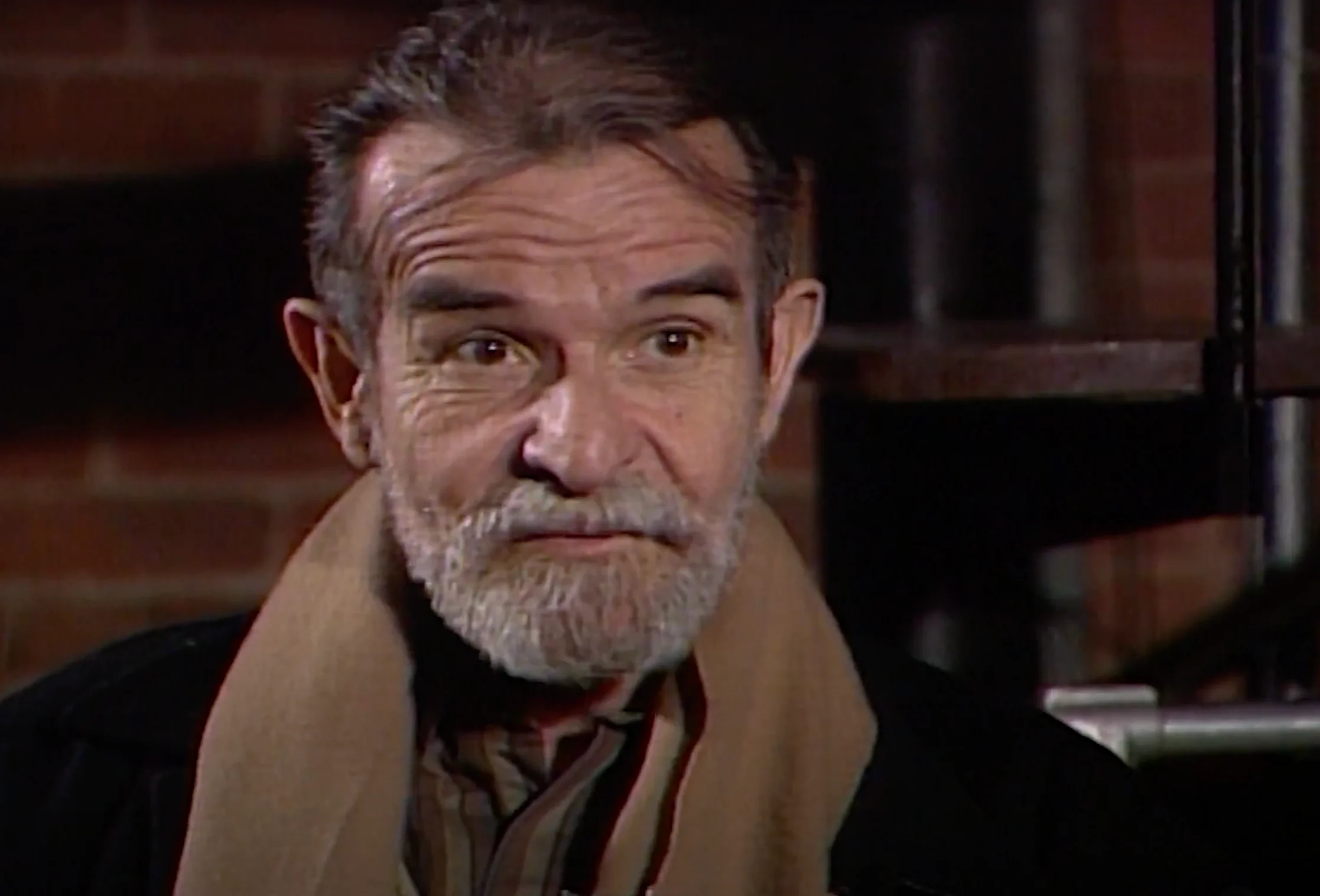
Athol Fugard
 South Africa
playwright•novelist•actor•director
Also known as: Harold Athol Lanigan Fugard, H.A.L. Fugard, Athol Harold Lanigan Fugard
Birthday
June 11, 1932
Birth Sign
Gemini
Birthplace
Middelburg, Eastern Cape, South Africa
Age
Died at 92
About
Harold Athol Lanigan Fugard was a seminal South African playwright, novelist, actor, and director whose work served as the moral conscience for his nation during the apartheid era. Born in Middelburg on June 11, 1932, he passed away on March 8, 2025, at the age of 92 in Stellenbosch. Over a career spanning more than six decades, Fugard wrote over thirty plays that confronted the brutal realities of racial segregation, earning him the title "the greatest active playwright in the English-speaking world" from Time magazine in 1985.
His legacy is defined by his collaborative "Theatre Workshop" with John Kani and Winston Ntshona, which produced landmark works like Sizwe Bansi Is Dead, The Island, and Master Harold"...and the Boys. These plays documented the dehumanizing effects of pass laws and forced removals, drawing global condemnation of the apartheid government while still banned in South Africa. Beyond the stage, Fugard acted in and directed many productions of his own work globally and served as an adjunct professor of playwriting, acting, and directing at the University of California, San Diego.
Early Life & Background
Fugard was born into a white Afrikaner family; his father, Samuel Fugard, was a truck driver and mechanic, and his mother, Mary, was a teacher. He was raised in Port Elizabeth (now Gqeberha) and later moved to Johannesburg. His early life was marked by a complex relationship with his heritage; while ethnically Afrikaner, he became a vocal critic of the apartheid regime enforced by his own people. He attended Grey College in Bloemfontein and later studied at the University of the Witwatersrand in Johannesburg, where he initially pursued law but soon shifted his focus to drama and writing.
Before achieving fame, Fugard worked various jobs, including driving a truck and working in a garage, experiences that deeply influenced his gritty, realistic writing style. He also taught at the University of Fort Hare and the University of Natal before moving to the United States to teach. In 1956, he co-founded the Serpent Players, an amateur theater group in Port Elizabeth, which was one of the first integrated theater groups in South Africa. This early venture laid the groundwork for his future collaborations and established his commitment to using theater as a tool for social change.
Career Growth
Fugard's career began in earnest in the late 1950s. He gained international attention with plays like Hello and Goodbye (1965). However, his breakthrough came with the "Township Trilogy," written in collaboration with black actors John Kani and Winston Ntshona. Sizwe Bansi Is Dead (1972) and The Island (1973) were performed internationally while still banned in South Africa. These works documented the dehumanizing effects of pass laws and forced removals, drawing global condemnation of the apartheid government.
The production of Master Harold"...and the Boys (1982) marked a pivotal moment in his career. Based on a real-life incident in his own youth, the play explored the tragic destruction of a friendship between a white boy and his black father figure due to systemic racism. It received five Tony Award nominations for Best Play. During this period, Fugard also acted in his own plays, often delivering physically and emotionally demanding performances. Following the dismantling of apartheid, Fugard continued to write, exploring themes of reconciliation and identity. His novel Tsotsi (2000) was adapted into a film in 2005 that won the Academy Award for Best Foreign Language Film, introducing his storytelling to a massive new audience.
In 2011, he received a Tony Award for Lifetime Achievement in the Theater. He continued to oversee revivals of his work and mentor new generations of playwrights until his death. The Geffen Playhouse in Los Angeles staged a revival of Master Harold"...and the Boys in April 2026, featuring Dr. John Kani revisiting the role he originated with Fugard.
Career Timeline
Public Image & Style
Fugard cultivated a persona defined by intellectual rigor and moral urgency rather than celebrity glamour. His public image was that of a serious artist who refused to separate his art from the political reality of his country. He was known for his lean, intense physicality on stage, which he utilized effectively in his acting roles. Media coverage often highlighted his status as a white South African who used his privilege to challenge the very system that benefited him. His writing style was characterized by stark realism and emotional depth, avoiding melodrama in favor of raw, unflinching truths about human dignity under oppression.
Fame & Fandom (iFAMOUS Rankings)
Athol Fugard never cultivated a fanbase in the modern sense of digital mobilization or branded rituals. His audience consisted not of organized tribes but of theater professionals, academics, and patrons who engaged with his work through institutional preservation and rigorous study rather than grassroots activism. There is no collective name for his followers, nor are there records of birthday billboards or fan-funded campaigns; instead, the community gathers to witness revivals that keep his political and emotional truths alive. The legacy he left behind is sustained by the enduring power of his plays and the reverence for his collaborators, John Kani and Winston Ntshona, whose performances defined an era of resistance against apartheid. Following his passing in March 2025, this engagement transformed into a renewed global appreciation, with critics hailing recent productions as urgent and exquisite.
This quiet but profound dedication serves as the true measure of his impact, where the stage itself becomes the site of remembrance and the text remains the primary vehicle for new audiences to confront history. While pop icons rely on active digital communities, Fugard's influence rippled through the corridors of academia and the international theater circuit, creating a lasting cultural footprint that required no formal organization to endure. iFANN has evaluated this person but they do not currently hold a placement in the published rankings. He is not featured on the September 2026 iFAMOUS Rankings flagship list.
Interesting Facts and Legends
The creation of Sizwe Bansi Is Dead and The Island stands as the central pillar of Fugard's legend, born from the desperate need to document the human cost of apartheid when such stories were strictly censored. During the 1970s, Fugard, Kani, and Ntshona performed these works internationally while still facing the threat of arrest at home, causing significant diplomatic friction that galvanized global anti-apartheid sentiment. A verified dramatic event within the text of Master Harold"...and the Boys involves the protagonist Hally spitting in the face of Sam, a moment considered one of the harrowing peaks in modern theater history. This scene carries extra weight due to the real-life friendship between Fugard and Kani, adding a layer of meta-drama that audiences have debated for decades. Fugard famously acted in his own plays, delivering performances described as raw, exhausting, and emotionally draining, particularly in the role of Hastings in The Road to Mecca.
Notable Quotes
“I am a writer who writes out of a deep sense of obligation to tell the truth about my country.”
“Theater is a place where we can confront our demons and perhaps find some resolution.”
“To be a writer in South Africa under apartheid was to live in a state of constant tension, but it was also to be a witness.”
Family & Personal Life
Fugard was married twice. His first marriage was to Sheila Meiring Fugard, whom he met while they were both students at the University of the Witwatersrand. They married in 1954 and had two children together: a daughter named Anna and a son named Michael. The couple divorced in 1964. Following his divorce, Fugard married Paula Fourie, a South African actress and former student, in 1965. Paula Fourie Fugard was not only his wife but also a significant collaborator, appearing in several of his early productions and serving as a creative partner. The couple remained married until Fugard's death in 2025. There are no widely publicized reports of extramarital affairs or other romantic relationships outside of these two marriages.
Notable Connections
Relationships & Dating History
Athol Fugard was married twice throughout his life. His first marriage was to Sheila Meiring Fugard, whom he met while they were both students at the University of the Witwatersrand. They married in 1954 and had two children together: a daughter named Anna and a son named Michael. The couple divorced in 1964. Following his divorce, Fugard married Paula Fourie, a South African actress and former student, in 1965. Paula Fourie Fugard was not only his wife but also a significant collaborator, appearing in several of his early productions and serving as a creative partner. The couple remained married until Fugard's death in 2025. There are no widely publicized reports of extramarital affairs or other romantic relationships outside of these two marriages.
- DivorcedSheila Meiring Fugard1954 - 1964Met at university; two children together.
- MarriedPaula Fourie Fugard1965 - 2025Actress and creative partner until his death.
Death & Aftermath
Died
March 8, 2025 (aged 92)
Death Place
Stellenbosch, South Africa
Cause of Death
Natural causes
The news of Athol Fugard's passing sent a wave of solemn reflection through global literary circles, with major outlets like The New York Times and The Conversation immediately publishing extensive obituaries that celebrated his capacity to expose the psychological damage of apartheid. Tributes poured in from peers who remembered him not just as a writer but as the moral conscience of a nation struggling against racial segregation. His work, which had long confronted the brutal realities of daily life under oppression, resonated deeply in these final acknowledgments, marking the end of an era for South African drama. Fugard died on March 8, 2025, at the age of 92 in Stellenbosch, South Africa. While initial reports confirmed the date and his status as one of the world's greatest dramatists, no specific location within the town or official medical details were released to the public.
Memorial arrangements remained private, with no public service or burial details disclosed in the immediate aftermath. Theatrical institutions paused to honor his legacy, acknowledging his role in mentoring new generations of playwrights until the very end. As the dust settled, the focus shifted entirely to his enduring body of work, including landmark plays like Sizwe Bansi Is Dead and The Island, which continued to define the conversation around human dignity. His estate and any future dedications remain unreported in the current context, leaving the preservation of his artistic contributions to the ongoing stewardship of his catalog.
Net Worth (Estate Value)
$7 Million
iFANN Editorial Team estimate
As of 2026, Athol Fugard's estate value is estimated based on posthumous royalties, licensing deals, and ongoing theatrical productions. While specific figures for private estates are rarely disclosed. The iFANN Editorial Team's analysis of his earnings, ventures and assets points to roughly $7 million.
Major revenue sources include ongoing performance rights for his extensive catalog of plays, which remain staples in high school, university, and professional theaters globally. Continued licensing of Tsotsi and other adaptations contributes steady income, alongside book sales of his novels, memoirs, and collected plays. The estate is likely managed by his family and literary agents, ensuring the preservation of his work and the distribution of profits to his heirs. No specific breakdown of assets like real estate holdings has been publicly detailed, but his status as a national icon implies significant property ownership in South Africa and potentially abroad.
Awards Won (5)
Athol Fugard received numerous accolades throughout his career, including a Tony Award for Lifetime Achievement in the Theater in 2011. His novel Tsotsi was adapted into a film that won the Academy Award for Best Foreign Language Film in 2005. He was awarded the Order of Ikhamanga in Silver by the South African government in 2005 and the Kennedy Center Honors in 2002. He also received the Shakespeare Prize in 1986 and was appointed Commander of the Ordre des Arts et des Lettres by the French government in 1995.
2005 · Best Foreign Language Film
Tsotsi
2011 · Lifetime Achievement in the Theater
Lifetime Achievement
Known For
Master Harold"...and the Boys
1982 · Playwright
Tsotsi
2005 · Screenwriter
Sizwe Bansi Is Dead
1972 · Playwright
Keywords
Sources
Quick Facts
- Profession
- playwright, novelist, actor, director
- Born
- June 11, 1932
- Birthplace
- Middelburg, Eastern Cape, South Africa
- Died
- March 8, 2025
- Death Place
- Stellenbosch, South Africa
- Gender
- Male
- Spouse
- Sheila Meiring Fugard, Paula Fourie
- Birth Sign
- Gemini
Personal Details
- Full Name
- Harold Athol Lanigan Fugard
- Spouse
- Paula Fourie Fugard (m. 1965–2025); Sheila Meiring Fugard (m. 1954–1964)
- Children
- Anna Fugard, Michael Fugard
- Education
- Grey College; University of the Witwatersrand
Filmography
15
Total
3
Film
0
TV
Frequently Asked Questions
When did Athol Fugard die?
What was Athol Fugard's most famous play?
Did Athol Fugard win an Oscar?
Who were Athol Fugard's wives?
Why is Athol Fugard important?
Similar People
Join the community
fans discussing