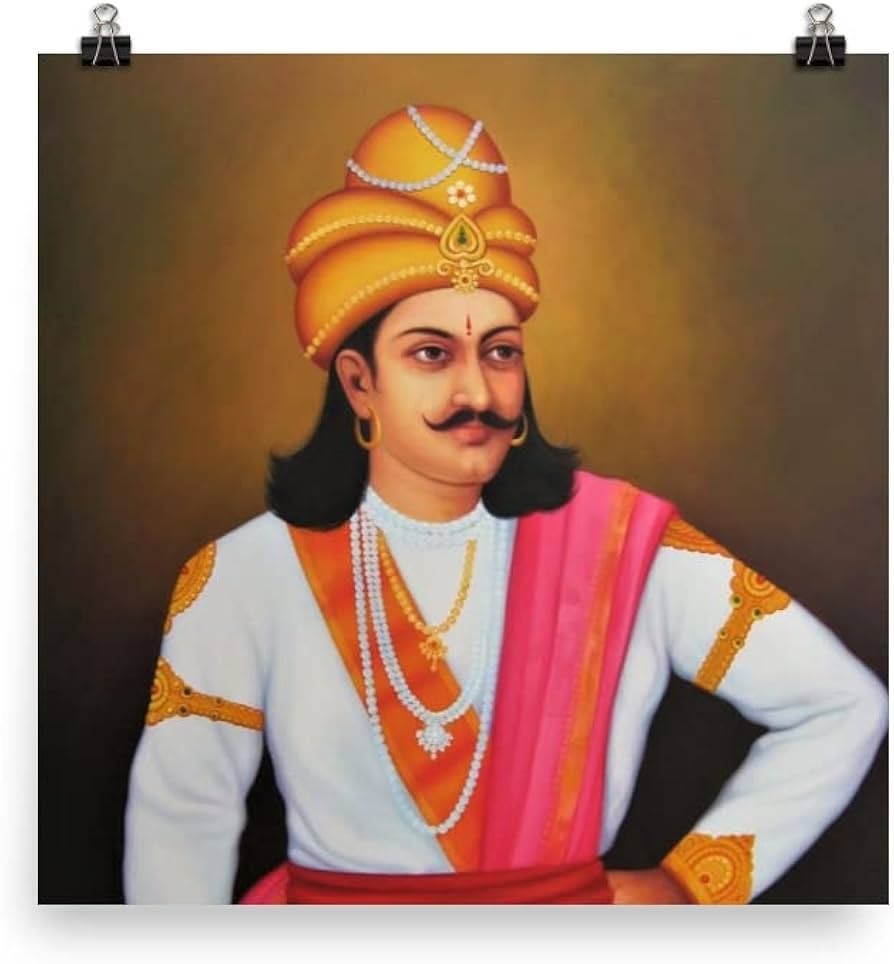
Ashoka
Awards & Honours
2
Awards Won
4
Honours
4
Rankings
4
Covers
2
Records
Ashoka's achievements are extraordinary for their enduring impact. He was the first Indian ruler to leave behind decipherable written records, and his edicts are among the earliest surviving documents in South Asia. His transformation from conqueror to peacemaker has made him a global symbol of moral leadership. The Lion Capital he erected at Sarnath now serves as the national emblem of India, and the Ashoka Chakra adorns the national flag. His reign is considered a golden age of the Mauryan Empire, and he is widely regarded as one of the greatest rulers in world history. TIME magazine listed him among the 100 most important people of the past millennium.
Awards
Honours & Distinctions
National Emblem of India
The Lion Capital of Ashoka was adopted as the National Emblem of India.
Ashoka Chakra on National Flag
The Ashoka Chakra is the central symbol on the Indian national flag.
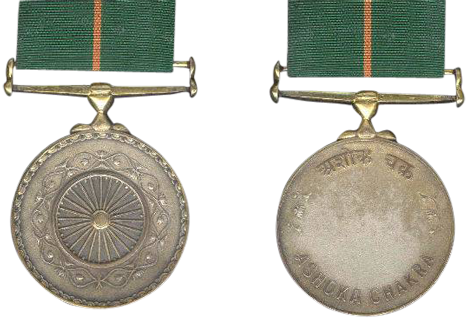
Ashoka Chakra (Military Decoration)
India's highest peacetime military decoration, named after Ashoka's symbol.
UNESCO World Heritage Site
The Great Stupa at Sanchi, built under Ashoka's patronage, is a UNESCO World Heritage Site.
Rankings & Lists
100 Most Important People of the Past Millennium
Great Emperors of World History
Top 10 Rulers Who Changed the World
100 Most Influential Figures in History
Magazine Covers
TIME Magazine
August 1999
Ashoka: The Emperor Who Gave Up War
National Geographic
March 2007
Ashoka's India
History Today
February 2001
Ashoka the Great
The New York Times Magazine
October 2015
The Buddhist Emperor
Records & Feats
First Indian ruler to leave decipherable written records
Ashoka's edicts, inscribed on pillars and rocks, are the earliest surviving written records in South Asia that have been deciphered.
Largest empire in ancient Indian history
At its peak, the Mauryan Empire under Ashoka covered approximately 5 million square kilometers, making it one of the largest empires in ancient history.