
Ashikaga Yoshimasa
 Japan
JapanAlso known as: Mitsuharu, Ashikaga Yoshimasa
Birthday
January 20, 1436
Birth Sign
Sagittarius
Birthplace
Kyoto
Age
Died at 54
About
Ashikaga Yoshimasa stands as a paradoxical figure in Japanese history, defined by the stark contrast between his political failures and his enduring cultural triumphs. As the eighth shōgun of the Ashikaga shogunate, his reign from 1443 to 1473 marked the tragic transition from the Muromachi period into the chaotic Sengoku era. While his indecisiveness triggered the devastating Ōnin War that tore Kyoto apart, he simultaneously fostered a golden age of art known as Higashiyama Culture. He is universally recognized not for military conquest or administrative efficiency, but for establishing the aesthetic principles of wabi-sabi, which finds profound beauty in imperfection and transience. His legacy is physically anchored by the Ginkaku-ji (Silver Pavilion), a villa he transformed into a sanctuary that now serves as a UNESCO World Heritage Site. Unlike typical rulers measured by territorial expansion, Yoshimasa's success is quantified by the global reverence for the tea ceremony, ink wash painting, and garden design that he championed. He remains a symbol of how artistic vision can outlast political power, influencing everything from modern architecture to spiritual practices worldwide.
Early Life & Background
Yoshimasa entered the world on January 20, 1436, in Kyoto under the name Mitsuharu, the son of the sixth shōgun, Ashikaga Yoshinori. His childhood was abruptly shattered in 1441 during the Kakitsu Incident, where his father was assassinated in a violent power struggle within the clan. At just five years old, the young Mitsuharu became the sole surviving heir, thrust immediately into the role of shōgun under the regency of his mother and clan elders. His early education was rigorous, focusing heavily on Confucian classics and military strategy designed to prepare a future ruler for governance. However, the young prince displayed little interest in the sword or statecraft, showing instead a deep affinity for Zen Buddhism, calligraphy, and poetry. By his late teens, it was evident that he preferred the quiet contemplation of monks and artists over the chaotic demands of feudal politics. This disinterest in the duties of a shōgun would eventually lead to disastrous political consequences, including the abdication of his duties and the subsequent civil war that would engulf Japan. The burden of leadership fell on his shoulders while he was still a child, yet the atmosphere of the court offered little stability.
Career Growth
Yoshimasa ascended to the position of shōgun at the young age of seven in 1443, following the assassination of his father. His tenure as shōgun (1443–1473) is characterized by a dichotomy between political failure and cultural brilliance. Initially, he relied heavily on the Hino family and the powerful Hosokawa clan to manage affairs. However, his indecisiveness regarding succession created a power vacuum. In 1464, he designated his younger brother, Ashikaga Yoshimi, as his successor, but later changed his mind to favor his own son, Ashikaga Yoshihisa. When Yoshihisa fell ill and died in 1469, the conflict over the heir escalated. The resulting struggle between the factions supporting Yoshimi and those backing Yoshihisa's widow, Hino Tomiko, ignited the Ōnin War in 1467. The war devastated Kyoto, turning the capital into a battlefield for ten years. While the city burned, Yoshimasa retreated from political responsibility, eventually abdicating in 1473 in favor of his son, Yoshihisa, though he retained significant influence as a retired shōgun. His withdrawal from active governance allowed the daimyō to assert their independence, effectively ending the central authority of the Ashikaga shogunate and ushering in the Sengoku period. Despite his political failures, Yoshimasa is revered as the patron of "Higashiyama Culture." After abdicating, he moved to a villa in the Higashiyama district of Kyoto, which he transformed into a sanctuary of art and aesthetics. This estate, known as Ginkaku-ji (Silver Pavilion), became the epicenter of a new cultural movement that emphasized simplicity, imperfection, and spiritual depth. Under his patronage, the tea ceremony evolved from a lavish aristocratic pastime into a disciplined, spiritual practice known as chanoyu. He championed the aesthetic of wabi-sabi, finding beauty in rustic simplicity and the transient nature of life.
Career Timeline
Public Image & Style
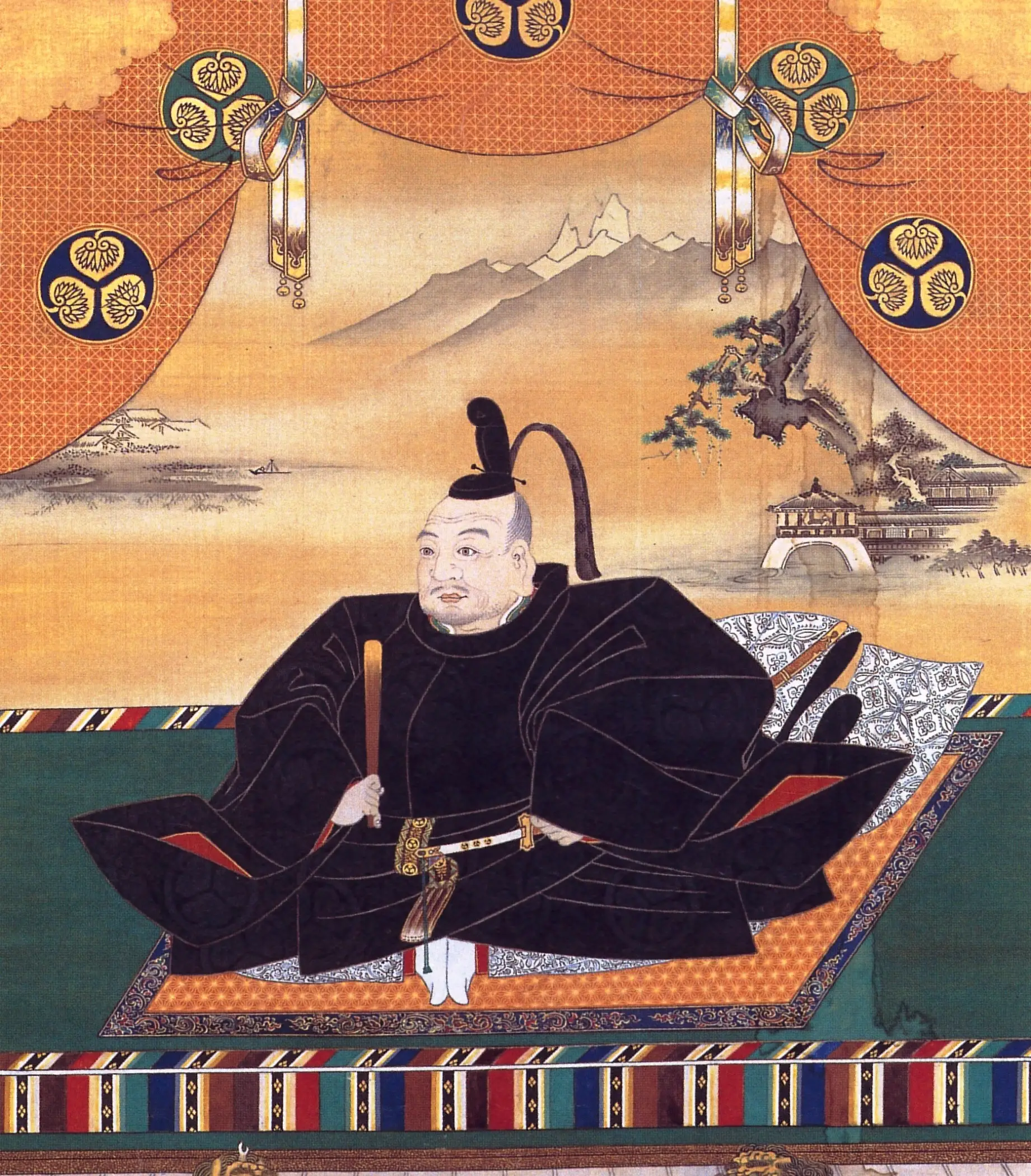
Ashikaga Yoshimasa is portrayed in media and history as a complex figure: a "failed" politician who became a "successful" artist. He is often depicted as a melancholic, introspective man who sought refuge in spirituality amidst chaos. His image is one of serenity and contemplation, contrasting sharply with the violence of his times. Modern portrayals emphasize his role as a cultural savior, suggesting that while he lost the war, he won the peace of the spirit for future generations. Historical portraits and descriptions depict him as having a refined, somewhat delicate appearance, consistent with the aesthetic ideals of the time. Specific height measurements are not recorded in historical texts, as such metrics were not standard for Japanese nobility of the Muromachi period. He is often portrayed in art wearing the formal robes of a high-ranking samurai or the attire of a monk, reflecting his dual identity as a ruler and a devotee of Zen. This visual representation reinforces the narrative of a man who found solace in the arts rather than the battlefield.
Fame & Fandom
The admirers of Ashikaga Yoshimasa are scholars, historians, and enthusiasts who study his reign without a formal collective identity or a named fandom to claim ownership of his memory. There is no documented community that rallies around his birthday, funds projects in his name, or engages in ritualized interactions that characterize living celebrity worship; instead, his audience exists as a dispersed group of those dedicated to understanding the cultural shifts he precipitated. In the realm of global visibility, the iFANN Global Fame Rankings have evaluated his standing, and he currently holds the position of the 11th most famous person in J-Drama. This placement reflects his enduring presence in historical dramas and cultural narratives rather than contemporary viral metrics. The lack of a numeric rank in general celebrity charts does not diminish his stature; it simply places him outside the scope of current popularity contests that prioritize transient attention over deep historical resonance. His influence is sustained through academic study and cultural practice rather than fan engagement, with millions of visitors to Ginkaku-ji serving as a testament to his lasting appeal. Recent news items highlight the enduring fascination with Yoshimasa, including a 2023 feature in *The Japan Times* revisiting the "Japan's Nero" narrative.
Interesting Facts and Legends
Historical commentary frequently compares Ashikaga Yoshimasa to Japan's Nero, a legend highlighting his alleged indifference to the devastation of the Ōnin War while he focused on aesthetic pursuits like the construction of Ginkaku-ji. A story often cited in recent historical commentary describes Kyoto burning around him as he dabbled in art, cementing the narrative of a ruler prioritizing beauty over stability. His creation of Higashiyama Culture stands as an iconic historical event where he established a new aesthetic standard defining the Muromachi period, shifting Japanese culture toward an appreciation of imperfection and modesty known as wabi-sabi. This philosophy later influenced the development of the tea ceremony and garden design, marking a departure from the opulence of earlier times. Although the art of kintsugi is often associated with the values of his era, no specific legendary incidents attribute its commission directly to him, though his influence on the broader appreciation of broken objects is noted. His abdication in 1473 and subsequent retreat into spiritual life at Ginkaku-ji is a documented turning point scholars reference as the beginning of the Sengoku period due to the power vacuum it created. Recent archaeological findings from 2020 regarding massive stones unearthed in a shogun's garden suggest ongoing interest in the physical remnants of his era, further validating the enduring fascination with his reign. Additionally, he was born as Mitsuharu but changed his name to Yoshimasa upon becoming shōgun, following the tradition of receiving a character from the reigning emperor.
Notable Quotes
“In the face of impermanence, there is only the beauty of the moment.”
“The world is a mirror of the heart; if the heart is pure, the world is beautiful.”
Family & Personal Life
The Ashikaga household was deeply entangled with the political struggles of the time, particularly the rivalry between the factions supporting Yoshimi and those backing Yoshihisa's widow. Yoshimasa married Hino Tomiko in 1464, the daughter of the influential court noble Hino Tsunehiro. The marriage was a strategic move to secure support from the imperial court. Tomiko was a formidable political figure who played a crucial role in the succession disputes, fiercely advocating for her son Yoshihisa. They had one son, Ashikaga Yoshihisa (born 1465), who succeeded him as the ninth shōgun. There are no records of other spouses or children outside this union. The family dynamics were deeply influenced by the instability of the era, with Tomiko navigating the turbulent waters of the Sengoku period until her death. The loss of his son in 1489 marked a personal tragedy that further isolated Yoshimasa, leaving him without a direct male heir to carry on his specific lineage, though the shogunate continued weakly until the end of the century.
Notable Connections
Relationships & Dating History
As a historical figure from the 15th century, Ashikaga Yoshimasa did not have a modern dating history in the sense of public romantic flings or tabloid relationships. His marital life was strictly political and dynastic. He married Hino Tomiko in 1464, the daughter of the influential court noble Hino Tsunehiro. The marriage was a strategic move to secure support from the imperial court. Tomiko was a formidable political figure who played a crucial role in the succession disputes, fiercely advocating for her son Yoshihisa. They had one son, Ashikaga Yoshihisa (born 1465), who succeeded him as the ninth shōgun. There are no records of other spouses or children outside this union. Tomiko remained a key political player until her death, navigating the turbulent waters of the Sengoku period. As of the time of his death in 1490, Yoshimasa was widowed after the passing of his son, though he outlived his wife. Their relationship was defined by mutual political necessity and shared grief over the collapse of their dynasty.
- MarriedHino Tomiko1464 - 1490Political alliance; mother of his son Yoshihisa; died before him.
Death & Aftermath
Died
January 27, 1490 (aged 54)
Death Place
Kyoto
Cause of Death
Natural causes associated with old age
Ashikaga Yoshimasa spent his final years in quiet seclusion at the Higashiyama villa complex he had cultivated into a cultural sanctuary, withdrawing from political affairs to focus on artistic pursuits while the capital burned around him. He passed away within these grounds on January 27, 1490, at the age of 54, with historical accounts describing a peaceful decline rather than a sudden event. The cause of death is recorded as natural causes associated with old age and illness, though no specific medical details were documented. Tributes from the Imperial court and high-ranking daimyō followed the customs of the Japanese aristocracy, yet the immediate aftermath was dominated by the continuing chaos of the Sengoku period which overshadowed his passing.
His funeral was conducted according to Buddhist rites standard for the samurai class, resulting in cremation and the interment of his ashes at Nanzen-ji temple in Kyoto. Posthumously, Yoshimasa has been re-evaluated not as a failed ruler but as a pivotal figure who inadvertently birthed the Higashiyama culture, inspiring modern academic discussions and theatrical works such as the Kabuki play Higashiyama Sakura Soshi. Following his death, his son Yoshihisa continued to rule weakly until 1489, after which the shogunate's power continued to erode. His story has inspired countless works of art, literature, and theater, cementing his place as the architect of a cultural renaissance that shaped Japan's national identity.
Net Worth (Estate Value)
$0
iFANN Editorial Team estimate
As a deceased historical figure, Ashikaga Yoshimasa does not have a net worth in the modern financial sense. His "estate" consisted of land holdings, temples, and artistic assets managed by the Ashikaga clan and later the Imperial Court. The value of these assets cannot be quantified in dollars. The economic legacy of his reign is measured in the enduring value of the cultural traditions he fostered, which generate billions of dollars annually through tourism to sites like Ginkaku-ji and the global appreciation of Japanese tea ceremonies and aesthetics. The current estimated revenue generated by the preservation and tourism of his legacy runs into millions of yen annually, managed by the Agency for Cultural Affairs and local Kyoto authorities. Research by the iFANN Editorial Team confirms that while no personal fortune existed in his lifetime, the cultural capital he built remains a significant economic driver in modern Japan. This includes admission fees to Ginkaku-ji and revenue from cultural festivals celebrating his legacy.
Awards & Accolades
View 6 records, honours and achievementsKnown For
Ginkaku-ji
1482 · Founder and Patron
Ōnin War
1467 · Shōgun during conflict
Higashiyama Culture
1473 · Cultural Architect
Keywords
Sources
Quick Facts
- Profession
- samurai, shogun
- Born
- January 20, 1436
- Birthplace
- Kyoto
- Died
- January 27, 1490
- Death Place
- Kyoto
- Gender
- Male
- Spouse
- Hino Tomiko
- Birth Sign
- Sagittarius
Personal Details
- Full Name
- Mitsuharu
- Spouse
- Hino Tomiko
- Children
- Ashikaga Yoshihisa
- Education
- Confucian classics and military strategy
Frequently Asked Questions
Who was Ashikaga Yoshimasa?
Did Ashikaga Yoshimasa die in the Ōnin War?
What is the connection between Ashikaga Yoshimasa and Ginkaku-ji?
Why is Ashikaga Yoshimasa called Japan's Nero?
What is wabi-sabi and who popularized it?
Similar People
Join the community
fans discussing